Kategoriler
** Travel Destinations Europe Travel Holiday Travel

Prague Christmas Markets 2024: Complete Guide to Dates, Locations & Tips

Prague Christmas Markets 2024: Complete Guide to Dates, Locations & Tips

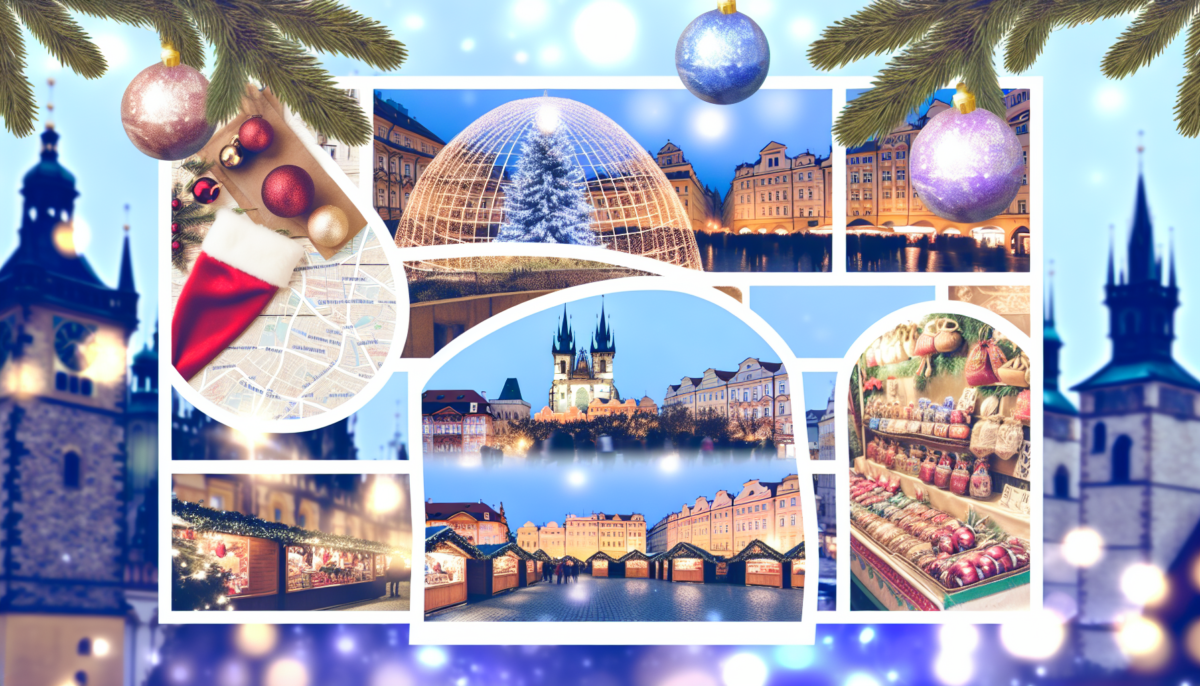
When snow begins to dust the spires of Prague’s Old Town and the aroma of mulled wine mingles with roasted chestnuts in the crisp December air, you know the Prague Christmas markets have arrived. These enchanting seasonal celebrations transform the Czech capital into a winter wonderland that rivals any European destination, drawing over 1.5 million visitors annually to experience authentic Central European holiday traditions.

This comprehensive guide provides everything you need to navigate Prague’s Christmas markets in 2024, from essential dates and prime locations to insider tips that will help you experience the magic like a local. Whether you’re planning your first visit to Prague in December or returning to discover hidden market gems, this resource will ensure you make the most of this spectacular seasonal tradition.

Understanding Prague’s Christmas Market Tradition

Prague’s holiday market tradition dates back to medieval times, though the modern incarnation began in earnest after the Velvet Revolution in 1989. Today, the Prague Christmas markets represent one of Europe’s most authentic and atmospheric seasonal celebrations, maintaining traditional Czech customs while welcoming international visitors.

What Makes Prague Christmas Markets Special

Unlike commercialized markets in some Western European cities, Prague’s Christmas markets retain genuine cultural authenticity. Local artisans sell handcrafted ornaments, wooden toys, and traditional Czech products rather than mass-produced souvenirs. The food offerings showcase regional specialties like trdelník (sweet pastry), klobása (Czech sausage), and svařák (mulled wine with Czech spices).

The architectural backdrop elevates the experience significantly. Markets set against Gothic churches, Baroque palaces, and Art Nouveau buildings create an atmosphere that feels transported from a fairy tale. The combination of authentic traditions, stunning settings, and genuine warmth from vendors makes Prague’s holiday markets distinctly memorable.

Climate and Weather Expectations

December weather in Prague typically ranges from -2°C to 4°C (28°F to 39°F), with occasional snowfall creating postcard-perfect scenes. However, visitors should prepare for cold temperatures, especially during evening visits when markets are most atmospheric. The crisp winter air actually enhances the cozy market atmosphere, making warm beverages and heated wooden stalls even more inviting.

2024 Dates and Operating Hours

Planning your visit requires understanding the specific dates and schedules for Prague Christmas markets in 2024.

Official Market Season

Primary Season: November 30, 2024 – January 6, 2025

Most major Prague Christmas markets follow this extended schedule, opening the weekend after Thanksgiving and continuing through Epiphany. This timing captures both Advent and the Twelve Days of Christmas, reflecting traditional Czech celebration periods.

Daily Operating Hours

Standard Hours:
– Monday-Thursday: 10:00 AM – 10:00 PM
– Friday-Sunday: 10:00 AM – 11:00 PM
– December 24 (Christmas Eve): 10:00 AM – 2:00 PM
– December 25 (Christmas Day): Closed or limited operations
– December 31 (New Year’s Eve): 10:00 AM – 1:00 AM
– January 1 (New Year’s Day): 12:00 PM – 10:00 PM

Best visiting times: Early afternoon (2:00-4:00 PM) offers daylight for photography with manageable crowds. Evening visits (6:00-8:00 PM) provide the most magical atmosphere with full illumination, though crowds peak during these hours, especially on weekends.

Special Event Dates

  • Opening Ceremony: November 30, 2024 (Old Town Square)
  • St. Nicholas Day: December 5-6, 2024 (traditional parades and performances)
  • Christmas Eve Services: December 24, 2024 (various churches near markets)
  • New Year’s Eve Celebrations: December 31, 2024 (extended hours with fireworks)

Major Prague Christmas Market Locations

Prague hosts multiple Christmas markets throughout the city, each offering distinct characteristics and experiences.

Old Town Square (Staroměstské Náměstí)

The flagship location and most iconic of all Prague holiday markets, Old Town Square transforms into a winter wonderland centered around a towering Christmas tree (typically 20-25 meters tall) and an elaborate nativity scene.

What to expect:
– Over 60 wooden stalls arranged in traditional layout
– Daily live performances on the main stage (4:00 PM – 8:00 PM)
– Famous astronomical clock providing hourly entertainment
– Largest selection of traditional Czech handicrafts
– Premium food vendors with longest queues but highest quality
– Most crowded location, especially December weekends

Insider tips: Visit before 11:00 AM on weekdays for photography without crowds. The northeastern corner near St. Nicholas Church offers the best tree photo angles. Vendors near the Jan Hus memorial typically have shorter queues with identical products to those near the tree.

Wenceslas Square (Václavské Náměstí)

The modern alternative to Old Town Square, Wenceslas Square offers a more contemporary market experience along Prague’s main boulevard.

Distinctive features:
– Extended layout stretching 750 meters
– More international food options alongside Czech specialties
– Larger children’s area with carnival rides
– Better accessibility for mobility-limited visitors
– Live music stages at both ends of the square
– Generally lower prices than Old Town Square

Best for: Families with children, visitors seeking easier navigation, those wanting to combine market visits with modern shopping (major retail stores line the square).

Republic Square (Náměstí Republiky)

The hidden gem located near the Municipal House and Powder Gate, this smaller market offers an intimate experience with exceptional architectural surroundings.

Highlights:
– Art Nouveau Municipal House providing stunning backdrop
– Focus on premium Czech wines and craft beers
– Smaller crowds allowing easier vendor interaction
– Excellent late-night atmosphere (open until midnight on weekends)
– Walking distance to Palladium shopping center for weather breaks

Recommended for: Wine enthusiasts, architecture lovers, visitors staying in the city center seeking a quieter alternative.

Lesser Town Square (Malostranské Náměstí)

The castle district market sits beneath Prague Castle in the charming Lesser Town neighborhood, offering a more local-oriented experience.

Unique aspects:
– Predominantly Czech visitors rather than tourists
– Traditional children’s programs and puppet shows
– Exceptional views of Prague Castle illuminated at night
– More affordable prices reflecting local rather than tourist economy
– Authentic Czech carol performances by local choirs

Ideal for: Those seeking authentic local atmosphere, visitors staying near the castle, families with children interested in traditional entertainment.

Additional Notable Locations

Havelská Market: Year-round farmers market with Christmas expansion (November 30 – December 23), offering the freshest local produce and artisan foods.

Kampa Island: Boutique market along the Vltava River featuring contemporary Czech artists and designers, perfect for unique gift shopping.

Prague Castle: Small market within the castle complex (December 1-22), offering premium artisan goods in a exclusive setting.

What to Buy: Products and Souvenirs

Understanding authentic Czech Christmas products ensures you make meaningful purchases while supporting local artisans.

Traditional Handicrafts

Bohemian Crystal and Glass:
Prague’s glassmaking tradition dates back centuries. Look for hand-blown ornaments, crystal figurines, and traditional glass beads. Authentic pieces feature slight irregularities proving handcrafting. Price range: Small ornaments €8-15, larger pieces €25-100+.

Wooden Toys and Decorations:
Traditional Czech woodworking produces charming toys, nutcrackers, and decorations. Seek out items from Krkonoše mountain region artisans. Quality indicators: Smooth finish, natural wood grain visible, signed by craftsperson.

Marionettes and Puppets:
Prague’s puppet theater tradition translates into beautiful handmade marionettes. Traditional characters include kings, devils, and fairy tale figures. Authentic markers: Hand-carved heads, individual facial expressions, Czech-style costuming.

Seasonal Foods and Beverages

Svařák (Mulled Wine):
Czech mulled wine differs from German Glühwein with local spices and typically red wine base. Cost: €3-5 per mug (€1-2 deposit for ceramic mug, which makes an excellent souvenir).

Medovina (Honey Wine/Mead):
Traditional fermented honey beverage, served hot during Christmas markets. Varieties: Sweet, semi-sweet, and spiced versions available.

Trdelník:
Despite recent debates about authenticity, this sweet pastry rolled in cinnamon sugar has become synonymous with Prague Christmas markets. Price: €3-5, often filled with ice cream, Nutella, or whipped cream.

Preserved Foods:
Honey, jams, dried fruits, and traditional Czech gingerbread (perník) make excellent gifts. Look for producers from South Moravia region for highest quality.

Common Pitfalls to Avoid

Overpriced tourist traps: Stalls immediately adjacent to the main Christmas tree typically charge 20-30% premiums. Walk to peripheral stalls for identical products at lower prices.

Mass-produced “Czech” goods: Many ornaments and souvenirs are imported from China. Check for “Made in Czech Republic” labels and examine craftsmanship quality.

Currency exchange at markets: Avoid on-site ATMs and exchange booths charging excessive fees. Use bank ATMs or pay with card (widely accepted at most stalls).

Food and Drink Guide

Prague Christmas markets offer exceptional culinary experiences showcasing Czech holiday traditions.

Essential Foods to Try

Klobása (Czech Sausage):
Grilled over open flames and served with mustard, horseradish, and fresh bread. Premium versions include game meats (wild boar, venison). Cost: €4-7 per serving.

Bramborák (Potato Pancakes):
Crispy fried potato pancakes served with sour cream or garlic sauce, perfect for cold weather. Price: €3-5.

Smažený Sýr (Fried Cheese):
Breaded and deep-fried cheese (typically Edam or Hermelin), served in fresh bread roll. A Czech comfort food staple. Cost: €4-6.

Langoš:
Hungarian-style fried dough topped with garlic, cheese, and optional toppings, surprisingly popular at Prague holiday markets. Price: €4-8 depending on toppings.

Beverage Options

Traditional Hot Drinks:
Svařák: Red mulled wine with traditional Czech spices
Grog: Rum-based hot drink with lemon and spices
Medovina: Hot honey wine with warming properties
Punč: Various flavored punch options (rum, whiskey, or non-alcoholic)

Cost range: €3-6 per serving, with souvenir mugs available for €1-2 additional.

Local Beer:
Several stalls offer Czech beer, though cold beverages seem counterintuitive in December weather. Recommendation: Try hot beer with honey (pivní grog), a traditional Czech winter warmer.

Dining Strategy

Budget allocation: Plan €15-25 per person for satisfying meal including drink at markets. Restaurant alternatives nearby cost €10-15 for similar offerings with seating.

Best value approach: Purchase main dish (sausage or potato pancake) from market stall, then walk to nearby café for warm beverage and seating. This provides authentic market experience while offering comfort breaks.

Insider Tips for Visiting Prague Christmas Markets

Professional travel insights ensure you maximize your Prague December experience.

Timing and Crowd Management

Optimal visiting schedule:
Weekday mornings (10:00 AM-12:00 PM): Minimal crowds, excellent photography conditions, fresh products
Early December (November 30-December 15): Lower visitor numbers, full market operations
Avoid December 20-27: Peak tourist period with maximum crowds and prices

Evening strategy: Arrive by 5:30 PM to secure good viewing positions before illumination (typically 6:00 PM). The magical moment when lights activate across Old Town Square justifies the wait.

Money and Payment

Cash vs. Card: While card acceptance has improved significantly, carry €50-100 in Czech crowns (CZK) for smaller vendors. Exchange rates: €1 ≈ 25 CZK.

ATM locations: Bank ATMs near Old Town Square (on Celetná and Pařížská streets) offer best exchange rates. Avoid Euronet ATMs charging excessive fees.

Tipping culture: Not expected at market stalls, though rounding up appreciated for table service at adjacent restaurants.

Photography Tips

Best photo opportunities:
Old Town Square tree: Northeast corner, 24-50mm lens, arrive before 11:00 AM
Astronomical clock with markets: South side of square, wide-angle lens, evening illumination
Lesser Town with Prague Castle: From Kampa Island bridge, 70-200mm lens, blue hour lighting

Camera settings for night photography: ISO 800-1600, wide aperture (f/2.8 or wider), stabilization essential. Bring tripod for long exposures of illuminated scenes.

Accessibility Considerations

Mobility access: Wenceslas Square offers easiest navigation with flat surfaces and wide pathways. Old Town Square’s cobblestones and crowds present challenges for wheelchairs and strollers.

Family facilities: Baby changing stations available in nearby shopping centers (Palladium, Kotva). Most markets lack dedicated facilities.

Language: English widely spoken at tourist-oriented markets. Learning basic Czech phrases (“Děkuji” – thank you, “Kolik to stojí?” – how much?) enhances interactions at smaller stalls.

Safety and Security

Pickpocket awareness: Prague Christmas markets attract professional thieves targeting distracted tourists. Secure valuables in front pockets or interior jacket pockets. Avoid displaying phones or cameras unnecessarily.

Emergency contacts:
– Police: 158
– Medical emergency: 155
– Tourist Police (English-speaking): +420 974 851 750

Safe areas: All major market locations are well-lit and patrolled. Exercise normal urban precautions after 10:00 PM in less crowded areas.

Combining Markets with Prague Sightseeing

Strategic planning allows you to experience Christmas markets alongside Prague’s renowned attractions.

Half-Day Itinerary: Christmas Market Essentials

Morning (9:00 AM-12:00 PM):
– Start at Old Town Square for photography without crowds
– Visit Astronomical Clock performance (hourly)
– Explore St. Nicholas Church nativity displays
– Browse market stalls before peak hours

Afternoon (12:00 PM-3:00 PM):
– Lunch at traditional Czech restaurant (U Medvídků or Lokál recommended)
– Walk through Jewish Quarter to Lesser Town Square market
– Cross Charles Bridge (less crowded than evening)

Evening (5:00 PM-8:00 PM):
– Return to Old Town Square for illumination
– Attend evening concert at St. Nicholas Church or Municipal House
– Dinner at market with svařák and traditional foods

Full-Day Itinerary: Complete Christmas Experience

Morning:
– Prague Castle complex (arrive at 9:00 AM opening)
– Castle Christmas market for premium artisan goods
– St. Vitus Cathedral visit

Midday:
– Descend to Lesser Town Square market for lunch
– Kampa Island boutique market exploration
– Lennon Wall and Petřín gardens

Afternoon:
– Cross Charles Bridge to Old Town
– Republic Square market visit
– Municipal House tour or café break

Evening:
– Old Town Square for main market experience
– Astronomical Clock evening performance
– Traditional Czech dinner with market dessert

Three-Day Prague Christmas Itinerary

Day 1: Classic Prague + Main Markets
Focus on Old Town Square and Wenceslas Square markets combined with essential Prague sights (Castle, Charles Bridge, Old Town).

Day 2: Local Experience + Hidden Markets
Explore Lesser Town, Kampa Island, and local neighborhoods. Visit during weekday for authentic Czech atmosphere.

Day 3: Day Trip + Evening Market
Morning excursion to Karlštejn Castle or Kutná Hora, return for evening market experience and concert attendance.

Accommodation Recommendations

Strategic lodging choices enhance your Prague Christmas market experience.

Best Neighborhoods for Market Access

Old Town (Staré Město):
Pros: Walking distance to main markets, atmospheric medieval streets, maximum convenience
Cons: Highest accommodation costs (€100-300/night), tourist crowds, limited budget options
Recommended for: First-time visitors, luxury travelers, those prioritizing convenience

New Town (Nové Město):
Pros: Moderate pricing (€60-150/night), excellent metro access, mix of local and tourist areas
Cons: 10-15 minute walk to main markets, less atmospheric architecture
Recommended for: Budget-conscious travelers, longer stays, those seeking local neighborhood feel

Lesser Town (Malá Strana):
Pros: Charming baroque architecture, proximity to Castle and Lesser Town market, quieter evenings
Cons: Premium pricing (€120-250/night), steep hills, limited dining options
Recommended for: Romantic getaways, castle enthusiasts, visitors seeking quieter base

Booking Strategies

Advance reservations: Book 3-4 months ahead for best selection and prices. December represents peak season with 85-95% hotel occupancy.

Value timing: Arrive November 30-December 5 or after December 27 for lower rates while markets remain open.

Apartment alternatives: Airbnb and Booking.com apartments offer better value for families or groups (€80-150/night for 2-bedroom units in central locations).

Weather Preparation and Packing

December weather in Prague demands proper preparation for comfortable market visits.

Essential Clothing

Layering system:
– Base layer: Thermal underwear for extended outdoor time
– Middle layer: Wool sweater or fleece
– Outer layer: Waterproof winter coat with hood
– Accessories: Insulated gloves, warm hat covering ears, scarf

Footwear: Waterproof boots with good traction essential for cobblestones and potential snow/ice. Avoid fashion boots lacking insulation.

Weather Contingencies

Indoor alternatives near markets:
Municipal House: Art Nouveau café and concert hall
Palladium Shopping Center: Modern mall near Republic Square
National Museum: Recently renovated with excellent exhibitions
Various churches: Free entry, beautiful architecture, warm interiors

Heated market facilities: Most major markets offer heated wooden pavilions for food service, providing warming breaks during extended visits.

Transportation and Getting Around

Efficient navigation enhances your Prague Christmas market experience.

Public Transportation

Metro system: Three lines (A-Green, B-Yellow, C-Red) provide excellent coverage. Key stations:
– Můstek (A/B lines): Old Town Square and Wenceslas Square
– Staroměstská (A line): Old Town Square
– Malostranská (A line): Lesser Town Square and Castle

Tram network: Tram 22 (“tourist tram”) connects Castle, Lesser Town, and Old Town. Night trams operate until 4:00 AM.

Tickets: 24-hour pass (€5.50) offers best value for market hopping. Purchase from machines at metro stations or convenience stores.

Walking Distances

Prague’s compact city center makes walking between markets feasible:
– Old Town Square to Wenceslas Square: 7 minutes
– Old Town Square to Republic Square: 5 minutes
– Old Town Square to Lesser Town Square: 15 minutes (across Charles Bridge)
– Wenceslas Square to Republic Square: 10 minutes

Recommended approach: Walk during daylight hours to enjoy architecture, use metro for evening returns when fatigue sets in.

Airport Transfers

Václav Havel Airport Prague connects to city center via:
Airport Express Bus (AE): Direct to main train station, €2, 35 minutes
Public bus + metro: Bus 119 to Nádraží Veleslavín metro, €1.50, 45 minutes total
Taxi: Fixed-price services €25-30, 25-30 minutes (use AAA Taxi or Uber)

Cultural Etiquette and Local Customs

Understanding Czech customs enhances market interactions and overall experience.

Market Behavior

Vendor interactions: Czech vendors appreciate polite greetings (“Dobrý den” – good day) before inquiries. Browse freely but handle delicate items carefully.

Haggling: Not customary at Christmas markets. Prices are fixed, though purchasing multiple items may yield slight discounts.

Queue culture: Czechs respect orderly queues. Wait your turn at popular stalls rather than crowding forward.

Christmas Traditions to Observe

St. Nicholas Day (December 5-6): Angels, devils, and St. Nicholas figures parade through markets distributing sweets to children and coal to “naughty” adults (humorous tradition).

Christmas Eve customs: Markets close early on December 24 as Czechs celebrate with family fish dinners. Respect this family-oriented holiday by planning accordingly.

New Year’s celebrations: Czechs celebrate enthusiastically with fireworks (legal and common). Markets extend hours for New Year’s Eve festivities.

Language Basics

Essential phrases:
– “Dobrý den” (DOH-bree den) – Good day/Hello
– “Děkuji” (DYEH-koo-yee) – Thank you
– “Prosím” (PROH-seem) – Please/You’re welcome
– “Kolik to stojí?” (KOH-lik toh STOH-yee) – How much does it cost?
– “Dobrou chuť” (DOH-broh khoot) – Bon appétit

Language reality: English widely spoken at tourist markets, though learning basic Czech phrases demonstrates cultural respect and often results in warmer interactions.

Beyond the Markets: December Events

Prague’s December calendar extends beyond Christmas markets with exceptional cultural programming.

Concert and Performance Schedule

Classical music venues:
Municipal House – Smetana Hall: Nightly concerts featuring Czech composers
Rudolfinum – Dvořák Hall: Czech Philharmonic performances
St. Nicholas Church: Baroque organ concerts
National Theatre: Opera and ballet performances

Ticket costs: €15-80 depending on venue and seating. Book through official venue websites or reputable agencies like Ticketportal.

Special December Exhibitions

National Gallery: Winter exhibition series typically features Czech masters or international collections.

DOX Centre for Contemporary Art: Cutting-edge installations and exhibitions in Holešovice district.

Museum of Decorative Arts: Christmas ornament and traditional craft exhibitions during December.

Religious Services and Celebrations

Midnight Mass (December 24): St. Vitus Cathedral and Týn Church offer beautiful Christmas Eve services. Arrive early (by 10:30 PM) as seating fills quickly.

Epiphany celebrations (January 6): Traditional Three Kings processions mark the end of Christmas season.

Practical Considerations

Health and Medical

Pharmacies: “Lékárna” marked with green cross sign. 24-hour pharmacy at Palackého 5, New Town.

Travel insurance: Essential for EU visitors despite reciprocal healthcare agreements. Medical care excellent but expensive for non-EU citizens.

COVID considerations: Check current requirements at mzcr.cz before travel. Regulations may affect market operations and capacity.

Communication and Connectivity

SIM cards: Vodafone and T-Mobile offer tourist SIM cards (€10-15 for 7-day unlimited data) at airport and city center locations.

WiFi access: Free WiFi at most cafés, shopping centers, and some market areas. Prague Castle and major squares offer public WiFi networks.

Banking and Currency

Currency exchange: Use bank exchange offices or ATMs. Avoid “0% commission” tourist exchange points with terrible rates.

Credit cards: Widely accepted at markets and restaurants. Visa and Mastercard preferred; American Express less common.

Daily budget estimates:
– Budget traveler: €40-60 (hostel, market food, public transport)
– Mid-range traveler: €100-150 (3-star hotel, restaurant meals, attraction tickets)
– Luxury traveler: €200+ (4-5 star hotel, fine dining, private experiences)

Conclusion: Making the Most of Prague Christmas Markets

Prague’s Christmas markets offer an unparalleled combination of authentic Central European tradition, stunning architectural settings, and genuine cultural warmth that distinguishes them among Europe’s seasonal celebrations. The key to maximizing your experience lies in strategic planning—understanding market locations and their distinct characteristics, timing visits to avoid peak crowds while capturing magical illuminated evenings, and engaging authentically with Czech vendors and traditions.

Essential takeaways for your 2024 visit:

  1. Start early in the season (early December) for smaller crowds and fresh enthusiasm from vendors
  2. Explore beyond Old Town Square to discover authentic local markets with better value and atmosphere
  3. Dress appropriately for extended outdoor time in sub-freezing temperatures
  4. Budget for authentic experiences rather than tourist traps—quality Czech products justify premium prices
  5. Combine markets with cultural programming to experience Prague’s rich artistic traditions alongside seasonal celebrations

The Prague Christmas markets represent more than seasonal shopping—they offer immersion into centuries-old traditions maintained by Czech families and artisans who take genuine pride in their cultural heritage. Whether you’re sipping svařák beneath the illuminated astronomical clock, selecting hand-carved wooden toys from Krkonoše mountain craftspeople, or simply absorbing the magical atmosphere of snow-dusted baroque architecture, these markets create memories that transcend typical tourist experiences.

Ready to plan your visit? Book accommodations 3-4 months in advance, research specific vendors and products that interest you, and prepare to embrace the cold weather as part of the authentic experience. The Prague Christmas markets await with open stalls, warm beverages, and the timeless magic of Czech holiday traditions.

For current updates on 2024 market schedules, vendor lists, and special events, visit the official Prague Tourism website at prague.eu or follow @PragueTourism on social media for real-time updates and insider recommendations.
Kategoriler
** Travel Guides Cultural Tourism European Destinations

Prague Castle Complete Guide: Tickets, History & What Not to Miss

Prague Castle Complete Guide: Tickets, History & What Not to Miss

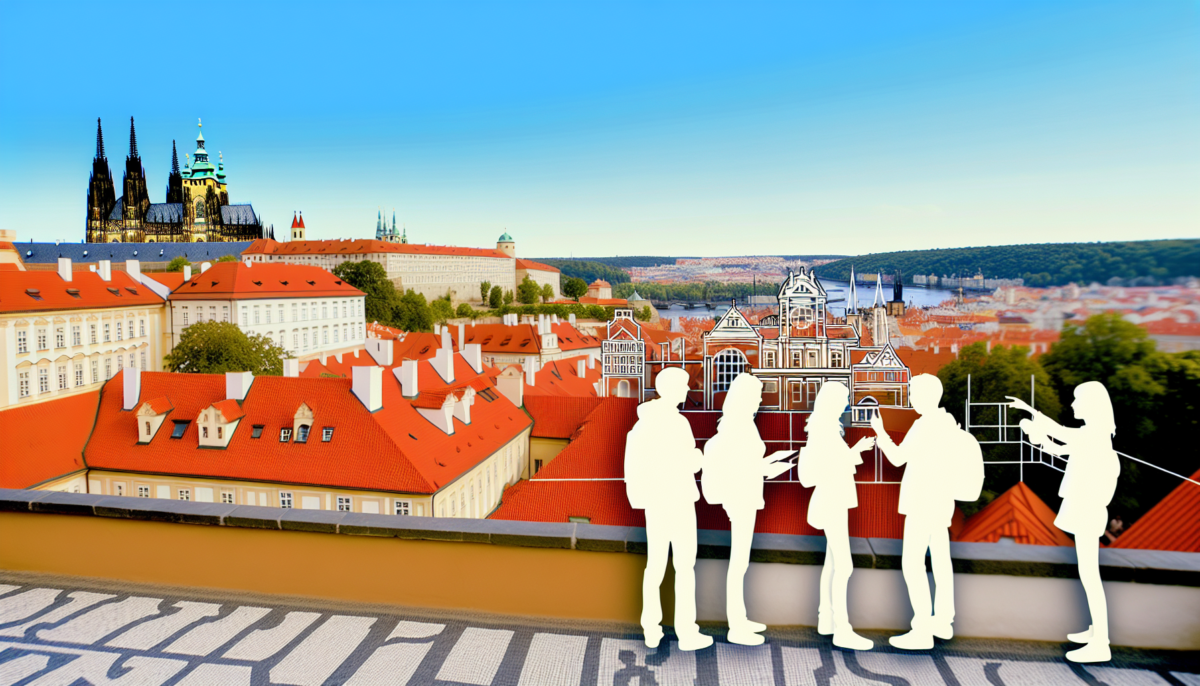
Standing majestically above the Vltava River, Prague Castle isn’t just a tourist attraction—it’s the world’s largest ancient castle complex and the beating heart of Czech history. Every year, nearly 2 million visitors navigate its golden lanes, Gothic spires, and baroque gardens, yet many leave having missed its most fascinating corners or spent unnecessary hours in ticket lines.

This comprehensive Prague Castle guide delivers everything you need to maximize your visit. Whether you’re a first-time traveler planning your itinerary or a history enthusiast seeking deeper insights, you’ll discover practical ticket strategies, historical context that brings the monuments to life, and insider knowledge about what truly deserves your attention within this UNESCO World Heritage site.

By the end of this guide, you’ll know exactly which Prague Castle tickets to purchase, how to avoid common pitfalls, and which hidden gems separate an ordinary visit from an extraordinary one.

Understanding Prague Castle: An Overview of the Complex

Prague Castle (Pražský hrad) encompasses 70,000 square meters of courtyards, palaces, churches, and gardens—roughly seven football fields of historical architecture spanning over 1,000 years. Founded around 880 AD, it has served as the seat of Czech kings, Holy Roman emperors, and today houses the office of the Czech Republic’s president.

The complex consists of three distinct courtyards, each with its own character and attractions. The First Courtyard features the Matthias Gate and changing of the guard ceremonies. The Second Courtyard houses the Chapel of the Holy Cross and Picture Gallery. The Third Courtyard contains the crown jewel: St. Vitus Cathedral.

What Makes Prague Castle Historically Significant

Prague Castle has witnessed every major chapter of Central European history. It’s where Bohemian kings were crowned, where the Second Defenestration of Prague sparked the Thirty Years’ War in 1618, and where Václav Havel delivered speeches during the Velvet Revolution.

The architectural timeline reads like a textbook of European styles. Romanesque foundations from the 9th century support Gothic additions from Charles IV’s reign, Renaissance modifications under the Habsburgs, and baroque renovations following the Thirty Years’ War. This layering creates a visual history lesson where each century left its architectural signature.

Prague Castle Tickets: Your Complete Purchasing Guide

Navigating Prague Castle tickets requires understanding several circuit options, each providing access to different combinations of buildings. The ticketing system can confuse first-time visitors, but selecting the right option ensures you see what matters most without overpaying.

Types of Prague Castle Tickets Available

Circuit A (350 CZK) represents the comprehensive option, including St. Vitus Cathedral, Old Royal Palace, St. George’s Basilica, Golden Lane with Daliborka Tower, and the Powder Tower. This circuit suits visitors wanting the complete experience and typically requires 3-4 hours to complete thoroughly.

Circuit B (250 CZK) offers a streamlined alternative, covering St. Vitus Cathedral, Old Royal Palace, St. George’s Basilica, and Golden Lane. This option eliminates the Powder Tower and Picture Gallery, saving approximately 90 minutes while retaining the essential highlights.

Circuit C (350 CZK) focuses on the Picture Gallery and St. Vitus Cathedral Treasury, appealing primarily to art enthusiasts and collectors interested in the castle’s artistic holdings rather than architectural elements.

Exhibition tickets provide access to special temporary exhibitions, typically priced at 150-300 CZK depending on the collection. The Story of Prague Castle permanent exhibition (Circuit D, 140 CZK) offers excellent historical context through multimedia presentations.

Where and How to Buy Prague Castle Tickets

The official ticket offices operate in the Second and Third Courtyards, though lines frequently extend 45-60 minutes during peak season (April through October) between 10 AM and 2 PM. The Second Courtyard Information Centre typically processes visitors more quickly than the Third Courtyard location.

Online advance purchase through the official Prague Castle website (www.hrad.cz) eliminates waiting times. Print your voucher or display it on your mobile device at the designated “pre-purchased tickets” entrance. This option proves especially valuable during summer months and holiday periods.

Skip-the-line tickets from authorized third-party vendors often bundle castle admission with guided tours. While these cost 15-30% more than standard admission, they include expert commentary and guaranteed entry times. Reputable providers include GetYourGuide, Viator, and local operators certified by the Czech Tourism Board.

Money-Saving Tips for Prague Castle Tickets

Children under 6 enter free regardless of circuit choice. Students under 26 with valid ISIC cards, seniors over 65, and families (2 adults + up to 5 children under 16) qualify for 50% discounts on all circuits. Always carry identification to verify eligibility.

The Prague Castle Guard Changing Ceremony occurs daily at noon in the First Courtyard and requires no ticket. Arriving at 11:45 AM secures prime viewing positions for this 20-minute ceremonial display featuring the Castle Guard and brass band.

Free entry to St. Vitus Cathedral’s nave is available outside of ticketed circuit hours. While this doesn’t include the choir, chapels, or tower, you can admire the stunning stained glass windows and Gothic architecture without purchasing tickets. Access the free area from the Third Courtyard.

Essential Areas You Cannot Miss When Visiting Prague Castle

Strategic planning ensures you experience Prague Castle’s most significant locations while avoiding decision fatigue in this sprawling complex. These essential areas represent the pinnacle of artistic, architectural, and historical achievement within the castle grounds.

St. Vitus Cathedral: The Crown Jewel

This Gothic masterpiece took 600 years to complete, from its 1344 foundation stone to the final touches in 1929. The cathedral’s soaring spires dominate Prague’s skyline, visible from nearly every vantage point in the city.

The Mucha Window in the third chapel on the north side showcases Alfons Mucha’s Art Nouveau masterwork depicting Saints Cyril and Methodius. Created in 1931, this stained glass window demonstrates how the cathedral continued evolving into the 20th century, bridging medieval foundations with modern artistic movements.

St. Wenceslas Chapel contains the tomb of Bohemia’s patron saint and walls adorned with over 1,300 semi-precious stones set into gold-plated frames. The chapel’s door leads to the Crown Chamber housing the Bohemian Crown Jewels, though this vault opens only on special state occasions.

The Great South Tower offers panoramic views after climbing 287 steps up a narrow spiral staircase. The 15th-century Sigismund Bell, weighing 18 tonnes, hangs in this tower and requires four bell-ringers to operate during important ceremonies.

Old Royal Palace: Where Kings Ruled

The Vladislav Hall represents late Gothic architecture at its zenith—a 62-meter-long ceremonial space where knights once jousted during inclement weather. The intricately vaulted ceiling, completed in 1502, creates the impression of frozen fabric draping from above.

The Riders’ Staircase features gradual steps designed to accommodate horses ascending to the Vladislav Hall for tournaments. This practical architectural solution demonstrates how medieval builders adapted spaces for specific ceremonial purposes.

Within the palace, the Story of Prague Castle exhibition uses interactive displays and archaeological finds to trace the castle’s evolution. Touchscreens, reconstructed room settings, and multimedia presentations make this area particularly engaging for younger visitors who might otherwise find the historical buildings overwhelming.

Golden Lane: Medieval Residential Quarter

This picturesque alley of colorful cottages built into the castle walls housed castle guards, goldsmiths, and later artists during the 16th century. House #22, painted robin’s egg blue, served as Franz Kafka’s writing studio during 1916-1917.

Each cottage recreates a different historical period and trade. House #12 depicts a seamstress’s workshop from the 16th century, complete with period-appropriate tools and textiles. House #14 showcases a medieval tavern, while House #26 presents a film about Golden Lane’s history.

Daliborka Tower at Golden Lane’s end functioned as a prison until the 18th century. The torture chamber exhibits, while sobering, provide authentic insight into medieval justice systems. The tower’s name honors its first prisoner, young knight Dalibor of Kozojedy, whose story inspired Bedřich Smetana’s opera “Dalibor.”

St. George’s Basilica: Romanesque Beauty

Founded in 920 AD, this basilica predates St. Vitus Cathedral by over 400 years and represents Prague’s best-preserved Romanesque church. The austere stone interior contrasts sharply with the Gothic elaboration of St. Vitus, illustrating evolving architectural philosophies.

The twin white limestone towers known as Adam and Eve mark the basilica’s distinctive baroque facade, added in the 17th century. Inside, fragments of original frescoes from the 12th century survive, offering rare glimpses of medieval painting techniques.

The adjacent Convent of St. George now houses the National Gallery’s collection of Bohemian Mannerist and Baroque art, featuring works by Karel Škréta and Petr Brandl. This collection contextualizes the artistic movements that shaped Prague Castle’s later additions.

Strategic Planning: When and How to Visit Prague Castle

Timing dramatically impacts your Prague Castle experience. Strategic scheduling minimizes crowds, optimizes lighting for photography, and aligns with special events that enhance the visit.

Best Times to Visit Prague Castle

Early morning arrival (8:00-9:00 AM when gates open) provides 90 minutes of relative tranquility before tour groups arrive. Morning light illuminates St. Vitus Cathedral’s eastern stained glass windows beautifully, and ticket lines remain minimal.

Late afternoon visits (after 3:30 PM) see declining crowds as tour groups depart. Summer evenings offer the added advantage of golden hour lighting for photography, particularly in the Third Courtyard where St. Vitus Cathedral’s western facade glows in warm tones.

Off-season months (November through March, excluding Christmas) reduce visitor numbers by 60-70%. While some gardens close and daylight hours shorten, the authentic atmosphere and ease of navigation compensate significantly. Indoor areas like the Old Royal Palace and St. George’s Basilica maintain comfortable temperatures year-round.

Tuesdays and Wednesdays typically see lower attendance than weekends or Mondays when museums throughout Prague close. Avoid Saturdays during wedding season (May through September) when St. Vitus Cathedral hosts ceremonies that temporarily limit tourist access.

Recommended Visit Duration and Itinerary

A thorough Prague Castle visit requires 3.5 to 4.5 hours for Circuit A, including time to absorb architectural details, read informational panels, and photograph key locations. Rushing through in under two hours, as some tour groups attempt, diminishes the experience significantly.

Optimal routing begins at the eastern entrance near the Powder Tower, progressing through the Royal Gardens (when open) to the Third Courtyard. Enter St. Vitus Cathedral first while energy levels remain high, as this represents the most architecturally complex building requiring sustained attention.

Proceed to the Old Royal Palace, then St. George’s Basilica before concluding at Golden Lane. This sequence follows a logical geographical flow while alternating between grand ceremonial spaces and intimate residential areas, preventing architectural fatigue.

Break opportunities exist at several cafés within the castle grounds. The Lobkowicz Palace Café offers superior coffee and pastries in a refined setting, while the café near the Toy Museum provides family-friendly options at moderate prices.

Guided Tours vs. Self-Guided Visits

Professional guided tours lasting 2-3 hours cost 800-1,200 CZK per person but provide historical context that transforms architectural features from mere buildings into narrative vessels. Skilled guides explain symbolism in St. Vitus Cathedral’s stained glass, political intrigue behind the Defenestration, and architectural decisions that reflected shifting power dynamics.

English-language tours depart multiple times daily from the First Courtyard. Private tours accommodating specific interests (architecture, political history, art) cost 3,000-5,000 CZK for groups up to 10 people, offering flexibility that group tours cannot match.

Audio guides (available at ticket offices for 350 CZK plus deposit) provide comprehensive commentary at self-directed pace. The 3-hour narration covers 45 locations with historical background, architectural analysis, and cultural context. However, audio guides cannot answer questions or adapt to individual interests.

Self-guided visits using this guide and official castle maps work well for travelers who research thoroughly beforehand. Download the official Prague Castle app (free on iOS and Android) for interactive maps, building histories, and current event schedules. This approach maximizes flexibility while minimizing costs.

Hidden Gems and Lesser-Known Areas

Beyond the primary circuit buildings, Prague Castle harbors exceptional locations that most visitors overlook. These areas offer respite from crowds while revealing fascinating aspects of castle life and Czech culture.

The Royal Gardens and Belvedere

The Royal Gardens (open April through October) showcase Renaissance landscaping at its finest. Originally designed in 1534 for Ferdinand I, these gardens feature geometric patterns, exotic plantings, and the Singing Fountain whose water creates musical tones when flowing through its bronze bowl.

The Belvedere Summer Palace, commissioned for Queen Anne Jagellonica, represents the purest Italian Renaissance architecture north of the Alps. Its arcaded galleries and copper roof oxidized to distinctive green create one of Prague’s most photographed yet least crowded landmarks.

Entry to both gardens is free and requires no castle ticket, though they’re only accessible from outside the main castle complex via U Prašného mostu street. The gardens provide exceptional views back toward St. Vitus Cathedral framed by manicured hedges and flower beds.

Lobkowicz Palace Museum

This privately-owned palace within the castle complex houses one of Central Europe’s finest private art collections. The Lobkowicz family, having reclaimed their property after communist nationalization, displays Bruegel and Canaletto paintings alongside handwritten Beethoven and Mozart scores.

The family audio guide, narrated by current family members, provides intimate perspectives on individual artworks and their historical significance to the Lobkowicz lineage. This personal approach contrasts refreshingly with institutional museum presentations.

The palace’s café terrace offers arguably the best food within the castle grounds, featuring traditional Czech cuisine with modern preparation techniques. Reservations recommended for lunch service (12:00-2:00 PM) when tables fill quickly.

South Gardens Overlooks

The South Gardens cascade down the castle’s southern slope in baroque terraces offering unparalleled views across Prague’s red rooftops toward Petřín Hill. These gardens receive a fraction of the traffic that floods the main courtyards.

The Moravian Bastion provides 180-degree panoramas while the Paradise Garden features geometric flowerbeds and sculptural elements. The Hartig Garden contains a small music pavilion where occasional chamber concerts occur during summer evenings (check castle website for schedules).

Access requires no additional ticket beyond general castle admission, yet most visitors never discover these gardens because signage from the main courtyards remains minimal. Exit the Third Courtyard through the southern passageway near the Old Royal Palace to find the garden entrances.

Common Mistakes to Avoid When Visiting Prague Castle

Even well-prepared travelers make predictable errors that compromise their castle experience. Awareness of these pitfalls enables proactive solutions.

Logistical Errors That Waste Time

Wearing inappropriate footwear ranks as the most common mistake. The castle complex involves extensive walking on cobblestones, stairs, and uneven surfaces. Fashion footwear causes discomfort within 30 minutes. Comfortable walking shoes with arch support prove essential.

Arriving without water or snacks creates problems, as food options within the complex are limited and overpriced. The nearest reasonably-priced supermarket sits 15 minutes downhill in Malá Strana. Carry a water bottle and energy bars, particularly during summer when temperatures exceed 30°C.

Ignoring security protocols causes delays. Large backpacks require checking at cloakrooms (50 CZK deposit). Security screening at major buildings prohibits outside food and drinks from entering. Plan accordingly rather than discovering restrictions at entry points.

Navigation and Planning Mistakes

Attempting too much in limited time guarantees superficial experiences. Travelers with only two hours should select Circuit B and skip the gardens rather than rushing through everything and retaining nothing. Quality trumps quantity in cultural tourism.

Following GPS directions to the “main entrance” often leads to the eastern gates requiring uphill climbs through crowds. The optimal approach for first-time visitors enters from Hradčanské náměstí (the western side) after taking tram 22 to the Pražský hrad stop.

Neglecting to check closure schedules results in disappointment. St. Vitus Cathedral closes during religious services and state ceremonies. Individual buildings maintain varying hours. Consult the official website’s “Visitor Information” section before finalizing your itinerary.

Photography Pitfalls

Photographing during midday harsh light produces washed-out images with extreme shadows. The castle’s pale stone facades and Gothic details photograph best during golden hour (one hour after sunrise or before sunset) when warm, angled light reveals architectural texture.

Ignoring photography restrictions causes confrontations with guards. Flash photography damages historical textiles and paintings, hence its prohibition in most interiors. The St. Wenceslas Chapel prohibits all photography to preserve its sacred atmosphere. Respect these rules to avoid ejection from buildings.

Missing lesser-known photo opportunities means returning home with generic shots thousands of others have captured. The view of St. Vitus Cathedral spires from Vikářská street, the Golden Lane perspective from Daliborka Tower, and the castle reflected in Wallenstein Garden pond offer unique compositions that stand out from typical tourist photos.

Practical Information for Your Prague Castle Visit

Success requires addressing practical considerations before arrival. These operational details prevent minor issues from becoming major frustrations.

Getting to Prague Castle

Tram 22 provides the most efficient public transportation, departing from multiple city center locations including Národní třída and Malostranská metro stations. Exit at Pražský hrad stop for western entrance access or Pohořelec for a scenic walk through Strahov Monastery grounds.

Walking from Malá Strana takes 15-20 minutes via the Old Castle Stairs (Staré zámecké schody) or Nerudova street. Both routes involve significant uphill climbing but pass charming baroque houses and local cafés. This approach suits morning visits when energy levels remain high.

Taxis and rideshares can drop passengers at Hradčanské náměstí, though vehicular access restrictions apply during peak hours. From this square, the castle entrance lies 100 meters east. Private drivers should use the Keplerova street approach rather than attempting to navigate the restricted zone around Pražský hrad tram stop.

Accessibility Considerations

Prague Castle presents significant mobility challenges due to its medieval origins. Cobblestone surfaces, stairs between courtyards, and narrow passages in Golden Lane create barriers for wheelchair users and those with limited mobility.

Wheelchair-accessible routes exist but require specific routing. The main entrance at Hradčanské náměstí provides elevator access to the Second and Third Courtyards. St. Vitus Cathedral, Old Royal Palace, and St. George’s Basilica offer wheelchair entry, though some interior areas remain inaccessible.

Advance notification to the Information Centre (+420 224 373 368) enables staff to prepare access routes and provide specialized assistance. Request the accessibility map showing elevator locations, ramps, and alternative routes avoiding stairs.

Facilities and Amenities

Restrooms are located in the Second Courtyard near the Information Centre, in the basement of the Old Royal Palace, and at Golden Lane’s entrance. All facilities charge 10 CZK, payable in coins (attendants cannot make change for large bills).

Luggage storage operates in the Second Courtyard Information Centre (50 CZK per item, maximum dimensions 60x40x40 cm). Large suitcases exceed size limits and must be left at commercial storage facilities in Prague’s city center before ascending to the castle.

Free WiFi covers the main courtyards though signal strength varies in interior buildings. The network name “Prague_Castle_Free_WiFi” requires no password but limits connections to 60 minutes per device.

First aid stations operate in the Information Centre during business hours. For emergencies, dial 112 (EU emergency number) or 155 (Czech ambulance service). The nearest hospital, Na Homolce, sits 3 kilometers southwest and maintains 24-hour emergency services.

Historical Context That Enriches Your Visit

Understanding key historical periods transforms architectural features from passive observation objects into active storytellers. This context enables you to read the castle’s stones like historical documents.

The Charles IV Era: Gothic Transformation

Charles IV (1316-1378) reimagined Prague as a “new Rome” and initiated St. Vitus Cathedral’s Gothic reconstruction. His architect, Matthias of Arras, then Peter Parler, pioneered innovations like flying buttresses and net vaulting visible throughout the cathedral.

The Crown Jewels commissioned during Charles IV’s reign symbolized Bohemia’s elevation to an electoral kingdom within the Holy Roman Empire. The crown’s 91 precious stones and 20 pearls represented divine authority, while its design incorporated relics of the True Cross emphasizing the kingdom’s sacred legitimacy.

Charles established the New Town of Prague, founded Charles University (Central Europe’s first), and transformed Prague Castle from a military fortress into a cultured imperial residence. His vision shaped not just architecture but Czech national identity for subsequent centuries.

The Habsburg Period: Baroque Additions

Habsburg rule (1526-1918) introduced baroque aesthetics that softened the castle’s Gothic severity. Following the 1541 fire that destroyed much of the castle, Renaissance and later baroque renovations created the architectural palimpsest visible today.

Rudolf II (1576-1612) established Prague as the Holy Roman Empire’s capital and transformed the castle into Europe’s greatest center for art, science, and occult studies. His kunstkammer (cabinet of curiosities) assembled paintings by Arcimboldo, scientific instruments, and esoteric manuscripts that attracted scholars like Tycho Brahe and Johannes Kepler.

The Thirty Years’ War (1618-1648) began at Prague Castle when Protestant nobles defenestrated Catholic governors from the Third Courtyard window of the Old Royal Palace. This event triggered three decades of devastating religious warfare across Central Europe, fundamentally reshaping the continent’s political and religious landscape.

Modern Era: Presidential Residence

Czechoslovakia’s 1918 independence transformed Prague Castle into the presidential seat, a function it maintains today. Tomáš Garrigue Masaryk, the nation’s first president, commissioned Jože Plečnik to modernize the castle while respecting its historical character.

Plečnik’s additions—the granite obelisk in the Third Courtyard, the Bull Staircase, and modifications to the gardens—demonstrate how thoughtful contemporary architecture can complement rather than compete with historical structures.

Václav Havel (president 1989-2003) opened the castle to unprecedented public access following the Velvet Revolution, transforming it from a communist government stronghold into a symbol of democratic transparency. His decision to invite artists and intellectuals into presidential service continued Rudolf II’s tradition of the castle as a cultural center.

Combining Prague Castle with Nearby Attractions

Strategic planning connects Prague Castle visits with surrounding neighborhoods and attractions, creating efficient full-day itineraries that maximize your time in this historic district.

Malá Strana (Lesser Town)

St. Nicholas Church represents Prague’s finest baroque interior, with frescoes covering 1,500 square meters of ceiling space. Located 10 minutes downhill from the castle, this church offers dramatic contrast to St. Vitus Cathedral’s Gothic verticality.

Wallenstein Garden provides free admission to baroque landscaping featuring peacocks, grottos, and a sala terrena with mythological frescoes. The garden sits 15 minutes from the castle via Nerudova street and offers peaceful respite after castle crowds.

Kampa Island below the Charles Bridge features riverside parks, the Kampa Museum of modern art, and the John Lennon Wall. This area combines naturally with castle visits when descending via the Old Castle Stairs to Malostranská metro station.

Strahov Monastery

Located 500 meters west of the castle, Strahov Monastery houses two spectacular libraries—the Theological Hall and Philosophical Hall—featuring baroque bookcases reaching toward frescoed ceilings. The monastery brewery serves traditional Czech beer with panoramic city views.

Combined tickets linking the castle and Strahov don’t exist, but geographical proximity enables efficient visits. Morning at the castle followed by lunch at Strahov Brewery and afternoon library visits creates a logical progression.

The Petřín Observation Tower (mini Eiffel Tower) stands 400 meters south of Strahov, accessible via funicular railway or walking paths. Climbing its 299 steps provides 360-degree panoramas complementing the castle’s elevated vantage points.

Nový Svět Quarter

This hidden neighborhood of baroque cottages painted in pastel hues sits immediately northwest of the castle complex yet receives minimal tourist traffic. Nový Svět street (“New World”) features tiny houses originally built for castle servants, now converted to art studios and cafés.

The Černín Palace (now Czech Foreign Ministry) dominates the area with a 150-meter-long facade, exemplifying the monumental baroque style that defined Prague’s 17th-century reconstruction. While the palace interior remains closed to tourists, the exterior demonstrates the architectural ambitions of Czech nobility.

A 10-minute walk connects the castle’s northern exit to Nový Svět, creating opportunities for lunch away from tourist-centric establishments. Local restaurants like U Černého vola serve authentic Czech cuisine at prices 30-40% below castle-area venues.

Final Recommendations and Resources

Successfully visiting Prague Castle requires balancing thorough preparation with flexibility to embrace unexpected discoveries. These final recommendations synthesize the guide’s key insights into actionable strategies.

Essential Pre-Visit Preparation

Purchase Circuit B tickets online 2-3 days before your visit unless you’re a devoted architecture enthusiast requiring the additional buildings in Circuit A. The 100 CZK savings compared to Circuit A, combined with time efficiency, makes this the optimal choice for 80% of visitors.

Download offline maps before arrival, as cellular data becomes unreliable within thick castle walls. The Maps.me app includes detailed Prague Castle layouts with building labels, working without internet connectivity.

Check the official website (www.hrad.cz) within 24 hours of your visit for closure notifications, special events, or ceremony schedules that might affect access. The “News” section provides real-time updates in English.

Making the Most of Your Time

Prioritize St. Vitus Cathedral as your first stop when fresh and attentive. Allocate 45-60 minutes to properly absorb the stained glass, examine architectural details, and climb the tower if weather permits views.

Engage with interpretive materials rather than rushing through spaces. Information panels in English provide historical context that transforms passive sightseeing into active learning. The Story of Prague Castle exhibition particularly deserves 30 minutes for its excellent multimedia presentations.

Pause periodically in courtyards to process what you’ve experienced. Cultural fatigue diminishes retention and enjoyment after 90 minutes of continuous touring. Brief breaks enhance rather than detract from the overall experience.

Photography and Documentation

Bring a fully charged camera with adequate storage capacity. The castle’s architectural details, stained glass, and panoramic views provide hundreds of worthwhile photo opportunities. A backup battery proves valuable as cold weather drains power rapidly.

Vary your compositions by including human elements for scale, shooting from low angles to emphasize Gothic height, and capturing detail shots of sculptural elements. These varied images better convey the castle’s character than standard wide-angle tourist shots.

Respect photography restrictions to avoid confrontations and preserve fragile historical materials. When photography is prohibited, purchase postcards or official publications that provide superior images while supporting castle preservation efforts.

Continuing Your Prague Castle Education

The Prague Castle website (www.hrad.cz) maintains extensive historical articles, virtual tours, and architectural analysis for post-visit learning. Their English-language section includes scholarly essays accessible to general audiences.

“Prague Castle: A Guide to the Monuments” by Jiří Blažek provides comprehensive architectural and historical analysis in English, available at castle bookshops or online retailers. This 200-page illustrated guide serves both as preparation and lasting reference.

The Prague Castle Administration YouTube channel features documentary videos on restoration projects, historical research, and architectural discoveries. These videos, many with English subtitles, reveal aspects of the castle not visible during standard visits.

Conclusion: Your Prague Castle Journey Begins

Prague Castle represents far more than a collection of historical buildings—it’s a living chronicle of European civilization compressed into 70,000 square meters. From Romanesque foundations to Gothic masterworks, Renaissance palaces to baroque gardens, every stone and archway tells stories of kings and commoners, triumph and tragedy, artistic ambition and political intrigue.

This guide has equipped you with the practical knowledge to navigate ticketing complexities, avoid common mistakes, and identify the castle’s essential and hidden treasures. You understand when to visit for optimal experiences, how to route your exploration efficiently, and why historical context transforms architectural observation into meaningful cultural engagement.

The castle’s approximately four-hour visit requires physical stamina and intellectual curiosity, but rewards both with experiences that resonate long after you’ve descended back into Prague’s cobblestoned streets. Whether you’re drawn to Mucha’s stained glass artistry, the medieval atmosphere of Golden Lane, or panoramic views from the South Gardens, Prague Castle delivers moments that photographs and postcards can only partially capture.

Begin planning your Prague Castle visit today. Review the official website for current ticket prices and opening hours, select your preferred circuit based on this guide’s recommendations, and consider advance ticket purchase to maximize your time exploring rather than queuing. The world’s largest ancient castle complex awaits your discovery—approach it informed, prepared, and ready to engage with one of humanity’s most remarkable architectural achievements.

Your journey through a millennium of Czech history starts the moment you pass through the castle gates. Make it count.

Kategoriler
** Travel Guides

Best Time to Visit Prague: Month-by-Month Weather & Crowd Guide

Best Time to Visit Prague: Month-by-Month Weather & Crowd Guide

Prague’s golden spires and cobblestone streets enchant visitors year-round, but choosing when to visit this Czech capital can dramatically transform your experience. Whether you’re drawn to snow-dusted medieval architecture, blooming spring gardens, or festive Christmas markets, understanding Prague’s seasonal rhythms ensures you’ll experience the city at its best.

This comprehensive guide breaks down the best time to visit Prague based on weather patterns, tourist density, pricing, and special events. We’ll examine each month’s characteristics, helping you align your travel dates with your priorities—whether that’s avoiding crowds, enjoying optimal weather, or experiencing unique seasonal celebrations. By understanding Prague weather patterns and seasonal trends, you’ll make an informed decision about when to go to Prague that perfectly matches your travel style and budget.

Understanding Prague’s Climate and Seasons

Prague experiences a temperate continental climate with four distinct seasons, each offering unique advantages and considerations for travelers. The city sits in Central Europe at a moderate elevation, resulting in cold winters, warm summers, and transitional spring and autumn periods.

Prague seasons follow typical European patterns, but with notable temperature variations between summer and winter. Annual precipitation remains relatively consistent throughout the year, though summer months see occasional thunderstorms while winter brings light snow. Understanding these patterns helps you pack appropriately and set realistic expectations for your visit.

Temperature and Weather Patterns

Winter temperatures (December through February) average between -4°C to 2°C (25°F to 36°F), though cold snaps can push temperatures lower. Spring (March through May) sees gradual warming from 4°C to 18°C (39°F to 64°F). Summer months (June through August) bring the warmest weather, ranging from 13°C to 24°C (55°F to 75°F), while autumn (September through November) features cooling temperatures from 14°C down to 3°C (57°F to 37°F).

Rainfall patterns show relative consistency, with May and June typically experiencing the highest precipitation levels. Snow occurs primarily between December and February, though accumulation rarely disrupts travel significantly within the city center.

Spring in Prague: March Through May

Spring represents one of the most appealing seasons for visiting Prague, combining moderate weather with manageable tourist crowds and the city’s awakening from winter dormancy.

March: Transitional Early Spring

March marks Prague’s transition from winter to spring, with unpredictable weather that can include snow flurries, rain showers, and surprisingly warm days. Average temperatures range from 0°C to 9°C (32°F to 48°F).

Crowd levels: Low to moderate. International tourism remains relatively light, making this an excellent time for budget-conscious travelers seeking hotel deals and shorter queues at major attractions.

Advantages: Lower accommodation prices (20-30% below peak season), minimal wait times at Prague Castle and other landmarks, and the ability to experience the city before the spring rush begins.

Considerations: Pack layers and waterproof outerwear. Some outdoor terraces and gardens may not be fully operational. Daylight hours are increasing but still limited compared to summer months.

April: Blossoming Spring

April brings Prague to life with blooming flowers, particularly in Petřín Gardens, Wallenstein Garden, and along the Vltava River. Temperatures rise to a comfortable 4°C to 14°C (39°F to 57°F), making outdoor exploration increasingly pleasant.

Crowd levels: Moderate and growing. Easter holidays bring European tourists, particularly during the week surrounding Easter Sunday.

Advantages: Beautiful spring scenery with cherry blossoms and magnolias, comfortable walking weather, and Easter markets featuring traditional Czech handicrafts and foods. This period offers an excellent balance between favorable weather and reasonable crowd sizes.

Considerations: Book accommodations in advance if traveling during Easter week. Rain showers remain common, so pack an umbrella and rain jacket.

May: Peak Spring Season

May represents one of the best times to visit Prague for many travelers, offering warm temperatures (8°C to 18°C / 46°F to 64°F), long daylight hours, and fully operational outdoor spaces without peak summer crowds.

Crowd levels: Moderate to high. Tourism accelerates significantly, particularly during weekends and holidays.

Advantages: Gardens reach peak bloom, outdoor restaurant terraces open fully, and numerous cultural festivals begin. The Prague Spring International Music Festival, running from mid-May through early June, attracts classical music enthusiasts worldwide.

Considerations: Accommodation prices increase 15-25% compared to winter months. Popular attractions experience growing wait times. May occasionally sees the highest rainfall of the year, though typically in short afternoon thunderstorms.

Summer in Prague: June Through August

Summer brings peak tourism to Prague, with warm weather, long days, and vibrant outdoor activity creating an energetic atmosphere throughout the city.

June: Early Summer Excellence

June offers arguably the most favorable Prague weather for sightseers, with temperatures ranging from 12°C to 22°C (54°F to 72°F) and extensive daylight hours extending past 9 PM.

Crowd levels: High. International tourism is in full swing, particularly after mid-month when school holidays begin across Europe.

Advantages: Ideal weather for walking tours, river cruises, and outdoor dining. The Prague Fringe Festival brings international theater performances. Beer gardens operate at full capacity, offering authentic Czech experiences.

Considerations: Book accommodations and popular restaurant reservations well in advance. Expect queues at major attractions during midday hours. Visit popular sites early morning or late afternoon to avoid peak crowding.

July and August: Peak Summer Season

July and August represent Prague’s warmest months, with temperatures ranging from 14°C to 24°C (57°F to 75°F), occasionally reaching 30°C (86°F) during heat waves.

Crowd levels: Very high. These months see maximum tourist density, particularly from international visitors on summer vacation.

Advantages: Extensive outdoor programming including open-air concerts, film screenings, and theater performances. All attractions, restaurants, and services operate on full schedules. Warm evenings perfect for exploring Prague’s nightlife and riverside areas.

Considerations: Accommodation prices reach annual peaks, often 40-50% above winter rates. Major attractions like Charles Bridge, Prague Castle, and Old Town Square experience heavy congestion, particularly between 10 AM and 4 PM. Many Prague residents vacation elsewhere during August, lending certain neighborhoods a quieter, local atmosphere.

Best practices for summer visits: Purchase skip-the-line tickets online, start sightseeing by 8 AM, take midday breaks during peak heat, and explore lesser-known neighborhoods like Vinohrady or Žižkov for authentic experiences with fewer tourists.

Autumn in Prague: September Through November

Autumn brings cooler temperatures, changing foliage, and decreasing tourist numbers, creating one of the most atmospheric periods to experience Prague’s medieval character.

September: Early Autumn Gold

September maintains summer’s pleasant weather while tourist crowds begin thinning after the first week. Temperatures range from 10°C to 19°C (50°F to 66°F), ideal for comfortable exploration.

Crowd levels: Moderate to high early month, decreasing significantly after mid-September.

Advantages: Comfortable weather without summer’s heat and humidity, reduced accommodation prices (15-20% below peak summer rates), and shorter attraction queues. The Prague Autumn International Music Festival showcases classical and contemporary performances.

Considerations: Days shorten noticeably, with sunset occurring around 7 PM by month’s end. Pack layers for temperature variations between day and night.

October: Peak Autumn Beauty

October showcases Prague at its most photogenic, with autumn colors transforming parks and gardens while mild weather (6°C to 13°C / 43°F to 55°F) remains comfortable for sightseeing.

Crowd levels: Moderate. Tourism decreases substantially from summer peaks while remaining sufficient to support full attraction schedules.

Advantages: Stunning autumn photography opportunities, particularly in Petřín Park, Letná Park, and along the Vltava River. Lower prices on accommodations and flights. Fewer tourists allow for more intimate experiences at major sites.

Considerations: Rain frequency increases, making waterproof gear essential. Some outdoor venues begin reducing hours or closing for the season. Daylight hours continue decreasing, with darkness falling by 6 PM late month.

November: Quiet Autumn

November marks Prague’s transition toward winter, with temperatures dropping to 2°C to 7°C (36°F to 45°F) and gray, overcast days becoming common.

Crowd levels: Low. Tourism reaches annual lows before the Christmas market season begins late month.

Advantages: Rock-bottom accommodation prices (30-40% below summer peaks), virtually no queues at major attractions, and authentic local atmosphere. Late November sees Christmas markets begin setup, offering a preview without crowds.

Considerations: Short daylight hours (sunset by 4:30 PM), frequent rain or occasional snow, and some attractions reducing operating hours. The gray weather creates atmospheric conditions for photography but may feel dreary during extended stays.

Winter in Prague: December Through February

Winter transforms Prague into a fairytale setting, with snow-dusted architecture, Christmas markets, and festive atmosphere creating magical experiences despite cold temperatures.

December: Christmas Market Season

December represents a unique period when to go to Prague specifically for holiday experiences. Temperatures range from -2°C to 3°C (28°F to 37°F), creating authentic winter conditions.

Crowd levels: Moderate to high, particularly during the two weeks surrounding Christmas and New Year’s.

Advantages: World-renowned Christmas markets in Old Town Square, Wenceslas Square, and other locations offer traditional Czech foods, mulled wine, and handicrafts. Snow-covered architecture creates stunning photographic opportunities. Festive decorations and lighting transform the city’s appearance.

Considerations: Accommodation prices increase 20-30% during the Christmas and New Year’s period despite cold weather. Book well in advance for visits between December 20 and January 2. Bundle up with winter clothing, thermal layers, and waterproof boots.

January and February: Winter Low Season

January and February offer the year’s coldest weather (-4°C to 2°C / 25°F to 36°F) and lowest tourist numbers, creating a distinctly local atmosphere.

Crowd levels: Very low. These months see minimal international tourism outside of weekend city breaks.

Advantages: Lowest accommodation prices of the year (40-50% below summer peaks), no queues at any attractions, and authentic glimpses of local Prague life. Indoor attractions like museums, galleries, and concert halls offer respite from cold weather while providing world-class cultural experiences.

Considerations: Extremely cold temperatures require serious winter clothing. Some outdoor venues close entirely. Snow and ice can make cobblestone streets slippery. Short daylight hours (sunset around 5 PM) limit sightseeing time.

Winter visit strategies: Focus on indoor cultural attractions, warm up in traditional Czech pubs and cafes, attend classical concerts in historic venues, and embrace the atmospheric winter conditions as part of the experience rather than an obstacle.

Special Events and Festivals Throughout the Year

Prague’s cultural calendar features numerous events that may influence your travel timing:

Prague Spring International Music Festival (May-June): Three-week celebration of classical music featuring world-renowned orchestras and performers.

Prague Fringe Festival (late May-early June): International theater and performance art festival with hundreds of shows.

United Islands of Prague (June): Free multi-genre music festival across Prague’s islands.

Prague Autumn International Music Festival (September-October): Contemporary and classical music performances.

Christmas Markets (late November through early January): Traditional markets throughout the city center featuring Czech foods, crafts, and mulled wine.

Signal Festival (October): International festival of light art installations throughout Prague’s historic center.

Month-by-Month Recommendations Summary

Best overall months: May, June, and September offer optimal combinations of favorable weather, manageable crowds, and full attraction availability.

Best for budget travelers: November, January, and February provide lowest prices but require tolerance for cold, gray weather.

Best for avoiding crowds: January, February, and November see minimal tourism, offering authentic local experiences.

Best weather: June and September typically offer the most consistently pleasant conditions for outdoor exploration.

Best for photography: October (autumn colors) and December (Christmas atmosphere) provide unique visual opportunities.

Best for families: Late May through early September offers reliable weather, full attraction schedules, and long daylight hours suitable for children.

Making Your Decision: Factors to Consider

When determining the best time to visit Prague for your specific needs, weigh these key factors:

Weather preferences: If cold temperatures significantly diminish your enjoyment, avoid December through February. If heat bothers you, skip July and August.

Budget constraints: Traveling during shoulder seasons (March-April, October-November) or winter months (excluding Christmas) can reduce costs by 30-50% compared to peak summer.

Crowd tolerance: Summer months and Christmas season bring maximum tourist density. If crowds detract from your experience, choose spring or autumn.

Specific interests: Music festival enthusiasts should target May-June or September-October. Christmas market visitors should plan for late November through December.

Photography goals: Each season offers distinct photographic opportunities—spring blooms, summer golden hour light, autumn colors, or winter snow scenes.

Practical Planning Tips

Regardless of when you visit, these strategies enhance your Prague experience:

Book accommodations early: Prague’s compact historic center has limited hotel inventory. Book 2-3 months ahead for summer travel, 1-2 months for shoulder seasons, and 3-4 months for Christmas season.

Purchase attraction tickets online: Skip-the-line options for Prague Castle, Jewish Quarter sites, and other major attractions save significant time during busy periods.

Plan for weather variability: Prague’s weather can change quickly. Pack layers regardless of season, and always include rain protection.

Explore beyond tourist zones: Neighborhoods like Vinohrady, Karlín, and Holešovice offer authentic experiences with excellent restaurants, cafes, and local atmosphere.

Use public transportation: Prague’s metro, tram, and bus system efficiently connects all areas. Purchase multi-day passes for convenience and value.

Conclusion

The best time to visit Prague ultimately depends on your personal priorities, weather preferences, and travel style. For most travelers, the shoulder seasons of May, early June, and September offer the ideal balance of pleasant weather, reasonable crowd levels, and full attraction availability. However, budget-conscious visitors willing to brave cold temperatures will find exceptional value during winter months, while those seeking festive atmosphere should target the Christmas market season despite premium prices.

Prague rewards visitors year-round with its architectural magnificence, rich cultural offerings, and authentic Czech character. By understanding Prague’s seasons and monthly patterns detailed in this guide, you can select the timing that best aligns with your expectations and creates your ideal Prague experience.

Ready to plan your Prague adventure? Start by booking flexible accommodation options and researching specific attractions that match your interests. Consider purchasing a Prague tourist card for multi-day visits, and don’t hesitate to venture beyond the immediate historic center to discover the city’s diverse neighborhoods and local character. Whatever season you choose, Prague’s timeless beauty and cultural richness ensure a memorable Central European experience.

Kategoriler
** Travel Destinations Europe Travel Travel Guides

15 Hidden Gems in Prague: Secret Spots Tourists Never Find

15 Hidden Gems in Prague: Secret Spots Tourists Never Find

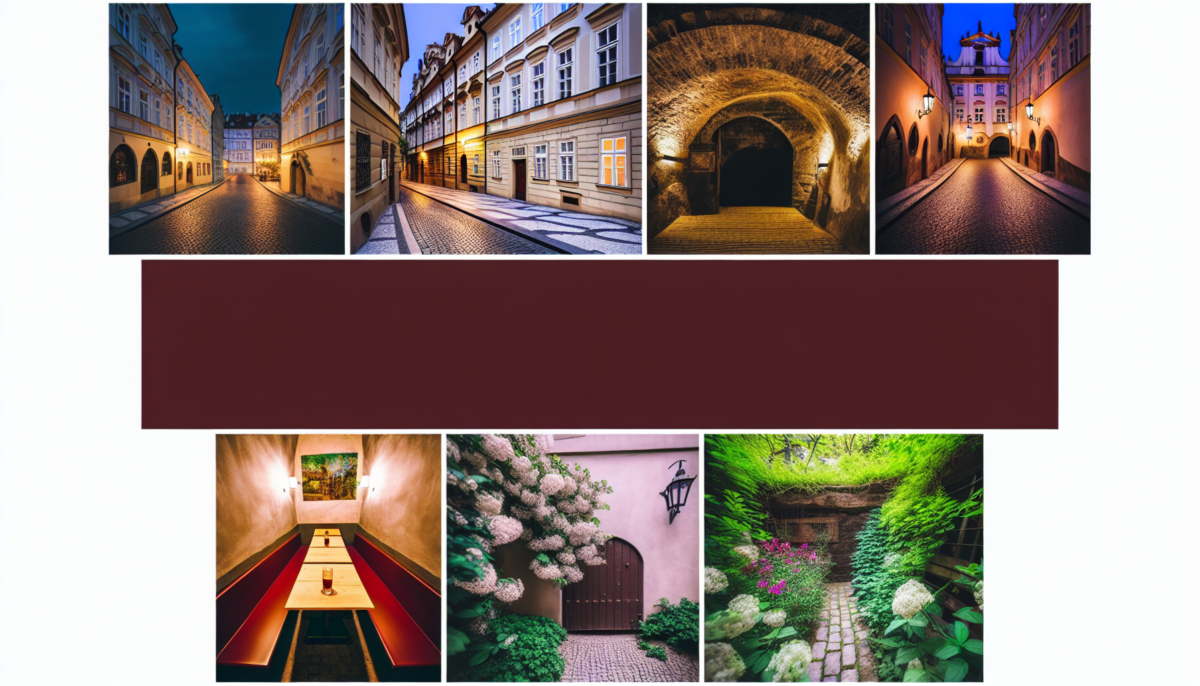
Prague’s iconic Charles Bridge and Old Town Square captivate millions of visitors annually, but beyond these celebrated landmarks lies a different city entirely. While tourists crowd around the Astronomical Clock, locals slip into underground wine cellars, secret gardens, and centuries-old establishments that remain blissfully undiscovered. These prague hidden gems represent the authentic soul of the city—places where history whispers rather than shouts, and where you’ll find yourself genuinely alone with Prague’s remarkable heritage.

This comprehensive guide reveals secret Prague locations that even seasoned travelers miss. From abandoned railway stations transformed into cultural venues to medieval gardens hidden behind unmarked doors, these off beaten path Prague destinations offer something far more valuable than another tourist snapshot: genuine connection with one of Europe’s most enchanting capitals. Each location has been carefully selected based on its historical significance, cultural authenticity, and relative obscurity among international visitors.

Whether you’re a first-time visitor seeking authentic experiences or a returning traveler looking to dig deeper, these prague secrets will transform your understanding of the Czech capital. Let’s explore the hidden side of Prague that guidebooks rarely mention.

1. Vyšehrad Cemetery and Casemates

While tourists flock to the Old Town, Vyšehrad offers a serene alternative with profound historical significance. This ancient fortress complex houses a cemetery where Czech luminaries rest, including composers Antonín Dvořák and Bedřich Smetana, and Art Nouveau artist Alfons Mucha. The sculptural monuments here represent some of the finest examples of Czech funerary art, with elaborate headstones that tell stories of the nation’s cultural renaissance.

Beyond the cemetery, the underground casemates remain one of Prague’s best-kept secrets. These Baroque-era tunnels stretch beneath the fortress, originally designed for military defense and food storage. During your visit, you’ll encounter the original statues from Charles Bridge, protected here from environmental damage. The echo chamber within the casemates produces remarkable acoustic effects—locals claim a whisper can be heard from 40 meters away.

Practical tip: Visit during weekday mornings for an almost private experience. The fortress walls provide stunning panoramic views of Prague without the crowds at Prague Castle. Entry to the casemates costs approximately 60 CZK ($2.70), and guided tours reveal fascinating details about Prague’s military history that most visitors never discover.

The Vyšehrad gardens surrounding the fortress bloom spectacularly in spring, offering peaceful walking paths where you’ll encounter more locals than tourists. This represents authentic Prague—contemplative, beautiful, and refreshingly uncrowded.

2. Speculum Alchemiae: The Hidden Alchemist’s Laboratory

Tucked beneath a 16th-century house in Old Town lies an authentic alchemical laboratory that remained sealed and forgotten for over 200 years. Speculum Alchemiae was rediscovered accidentally during renovations in 2002, revealing preserved alchemical equipment, secret passages, and chambers where Rudolf II’s court alchemists once attempted to transform lead into gold.

This underground network connects to Prague’s legendary alchemical history. Emperor Rudolf II invited Europe’s greatest minds to Prague, creating a golden age of mystical and scientific experimentation. The laboratory features original furnaces, distillation equipment, and manuscripts that document Renaissance-era chemical processes. Your guide—often a historian specializing in alchemical traditions—explains how these “magicians” were actually early chemists whose work laid foundations for modern science.

The tour reveals secret escape routes that alchemists used when experiments went wrong or when they needed to flee persecution. These tunnels connected various houses in Old Town, creating an underground network that few modern Praguers even know exists. The cramped, atmospheric spaces transport you directly to Prague’s mystical past.

Booking essential: This attraction operates by appointment only, with tours limited to small groups of 4-8 people. Contact them several days in advance through their website. Tours run approximately 50 minutes and cost 400 CZK ($18) per person. The entrance is intentionally unmarked—you’ll receive specific instructions upon booking.

3. Riegrovy Sady Beer Garden

Locals guard this elevated beer garden fiercely, though its secret status is gradually fading among savvy travelers. Riegrovy Sady sits atop a hill in Vinohrady district, offering spectacular castle views that rival those from tourist-packed observation decks—except here, you’ll enjoy them with a half-liter of excellent Czech beer for under $2.

This sprawling park becomes Prague’s living room during warm months. Families picnic on the lawns, friends gather around communal tables, and the beer garden’s relaxed atmosphere represents authentic Czech social culture. Unlike tourist-oriented establishments, prices remain reasonable, and you’ll hear more Czech than English around you. The beer garden serves traditional snacks including utopenci (pickled sausages) and nakládaný hermelín (marinated cheese) that pair perfectly with the local brews.

The sunset view from Riegrovy Sady ranks among Prague’s finest. As the sky turns orange and pink behind Prague Castle’s silhouette, you’ll understand why locals consider this their favorite outdoor space. The park itself features walking paths, playgrounds, and quiet corners perfect for reading or contemplation.

Insider knowledge: The beer garden operates seasonally (April through October), weather permitting. Arrive before 6 PM on weekends to secure a table with castle views. The walk from Jiřího z Poděbrad metro station takes approximately 10 minutes uphill—consider it your workout before the beer.

4. Vrtba Garden: Baroque Splendor in Miniature

Hidden behind an inconspicuous doorway on Karmelitská Street lies what many experts consider Prague’s most beautiful Baroque garden. Vrtba Garden ascends the hillside in terraced splendor, decorated with sculptures, fountains, and frescoes that exemplify 18th-century garden design principles. Despite its proximity to Lesser Town’s main thoroughfare, most tourists walk past the unmarked entrance without a second glance.

This UNESCO-protected garden represents Italian Baroque aesthetics adapted to Prague’s hilly terrain. The terraced design creates intimate spaces that reward slow exploration. Sculptures by Matthias Braun—who also created works for Charles Bridge—adorn the staircases and balustrades. The sala terrena (garden pavilion) features ceiling frescoes depicting mythological scenes that have been meticulously restored to their original brilliance.

From the upper terrace, you’ll enjoy privileged views across Lesser Town’s red roofs toward Prague Castle. This perspective reveals the city’s architectural harmony in a way that street-level tourism never can. The garden’s compact size (just 334 square meters) creates an intimate atmosphere, though this also means capacity limits during peak season.

Visiting strategy: Entry costs 100 CZK ($4.50) and includes a brief information sheet in English. The garden opens April through October, typically 10 AM to 6 PM. Visit midday when most tourists are at lunch, or late afternoon for the best photographic light. The entrance is at Karmelitská 25, marked only by a small plaque—look for the doorway between two shops.

5. Náplavka Farmers Market and Riverfront

Every Saturday, Prague’s riverside transforms into a vibrant market that showcases Czech agricultural traditions and artisanal production. The Náplavka embankment hosts farmers, bakers, cheesemakers, and craftspeople selling directly to locals who prize quality and authenticity over supermarket convenience. This represents off-beaten-path Prague at its most genuine—a weekly ritual where the city’s food culture comes alive.

The market extends along the Vltava River near Palackého náměstí, offering everything from organic vegetables and farmhouse cheeses to fresh-baked pastries and locally roasted coffee. Unlike tourist-oriented markets, prices reflect actual value rather than inflated visitor rates. You’ll encounter products rarely seen outside Czech Republic: trdelník made traditionally (not the tourist version), raw milk cheeses from Moravian farms, and fruit wines from small regional producers.

Beyond shopping, Náplavka serves as Prague’s alternative social scene year-round. The embankment hosts floating bars, food trucks, and casual gathering spots where young Praguers congregate during summer evenings. Boat clubs occupy permanent positions along the river, their decks open to anyone seeking riverside refreshment. This represents Prague’s creative, informal side—far removed from orchestrated tourist experiences.

Local tip: The farmers market runs Saturdays 8 AM to 2 PM. Arrive early (before 10 AM) for the best selection, or come around 1 PM when vendors often discount remaining items. Bring cash, as not all vendors accept cards. During summer weekends, the entire embankment buzzes with activity from morning until late evening.

6. The Museum of Senses

Tucked away on Jindřišská Street, this interactive museum challenges perception through optical illusions, sensory experiments, and immersive installations. The Museum of Senses remains remarkably under-visited despite its central location, offering an engaging experience that appeals to curious minds of all ages. Unlike traditional museums, this space encourages touching, playing, and questioning how our brains interpret sensory information.

The exhibits span two floors, featuring everything from the classic Ames room (where people appear to grow or shrink) to infinity mirrors, vortex tunnels, and gravity-defying installations. Educational panels explain the neuroscience behind each illusion, making this both entertaining and intellectually stimulating. The anti-gravity room particularly fascinates visitors—a tilted space that makes standing upright feel impossible.

This hidden gem proves especially valuable during Prague’s occasional rainy days, offering indoor entertainment that doesn’t require museum fatigue or historical knowledge. The relaxed atmosphere encourages experimentation and photography, making it popular with locals seeking unconventional date locations or family outings. Staff members speak English and enthusiastically explain the science behind particularly perplexing illusions.

Practical information: Tickets cost 270 CZK ($12) for adults, with discounts for students and families. The museum opens daily 9 AM to 8 PM, with last entry at 7 PM. Plan for 60-90 minutes to experience all installations thoroughly. Photography is encouraged throughout—bring your camera for truly unique Prague photos that don’t feature another church or bridge.

7. Křižík Fountain: Eastern Europe’s Largest Musical Fountain

While tourists crowd Old Town squares, locals head to Výstaviště Exhibition Grounds for spectacular evening fountain shows that combine water, light, and music. Křižík Fountain has entertained Praguers since 1891, though modern upgrades now feature LED lighting, synchronized water jets, and programming that ranges from classical compositions to contemporary pop music—all choreographed with remarkable precision.

The fountain performances occur in an outdoor amphitheater that seats thousands, yet remains relatively unknown among international visitors. Shows last approximately 40 minutes, featuring water jets that dance up to 15 meters high, illuminated by over 1,200 lights creating constantly shifting color patterns. The experience feels part theme park, part artistic performance—thoroughly entertaining without intellectual pretension.

Beyond the fountain, Výstaviště grounds offer additional discoveries: the industrial-modern Lapidárium (sculpture museum), Marold’s Panorama (a 360-degree painting depicting the 1434 Battle of Lipany), and various seasonal exhibitions. The grounds themselves showcase early 20th-century exhibition architecture, including the elegant Palace of Industry with its Art Nouveau details.

Planning your visit: The fountain operates spring through autumn, typically with evening shows at 7 PM, 8 PM, and 9 PM. Ticket prices vary by seating location (150-250 CZK/$7-11), with unreserved seating available. Check the current schedule online, as performances don’t run every night. Reach Výstaviště via tram 5, 12, 15, or 17 to Výstaviště stop. Arrive 20 minutes early for optimal seating choices.

8. Petřín Tower and Mirror Maze

Though technically not entirely secret, Petřín Tower receives far fewer visitors than its visibility would suggest. This 63-meter observation tower—Prague’s answer to the Eiffel Tower—sits atop Petřín Hill, accessible via a funicular railway that many tourists never discover. The tower offers superior views compared to crowded Old Town observation decks, with enough breathing room to actually enjoy them.

The climb involves 299 stairs, but the panoramic reward justifies every step. From the top, you’ll see Prague’s entire urban sprawl: the castle complex, Vltava River bridges, Old Town’s spires, and the modern developments beyond the historic center. Unlike Prague Castle’s viewpoints, Petřín’s elevation provides true 360-degree perspectives. The surrounding park—Petřín Gardens—offers peaceful walking paths, rose gardens, and shaded benches perfect for escaping summer heat.

Adjacent to the tower, the Mirror Maze provides quirky entertainment housed in a small castle-like structure. Originally built for the 1891 Jubilee Exhibition, this labyrinth uses mirrors to create seemingly endless corridors and amusing distortions. The finale features a diorama depicting the 1648 Battle of Prague on Charles Bridge, where Czech students defended the city against Swedish forces.

Visitor guidance: Combined tickets for tower, maze, and observatory cost 220 CZK ($10). The funicular from Újezd uses standard Prague public transport tickets. Visit during weekday afternoons for minimal crowds. The surrounding Petřín Gardens feature additional discoveries including an observatory, rose gardens, and a miniature version of Prague’s Hunger Wall—a 14th-century fortification built to provide employment during famine.

9. Café Louvre: Historic Literary Café

While tourists line up at trendy specialty coffee shops, knowledgeable locals head to Café Louvre, a historic establishment where Franz Kafka, Albert Einstein, and Karel Čapek once debated ideas over coffee and pastries. This restored Art Deco gem maintains authentic Central European café culture—the kind of place where reading a newspaper over a single coffee for two hours remains perfectly acceptable.

Opened in 1902, Café Louvre survived communist-era neglect and post-revolution renovations to emerge as a functioning piece of Prague’s intellectual heritage. The interior retains original fixtures, marble tables, and the unhurried atmosphere that characterized pre-war café society. Unlike tourist-oriented establishments that prioritize turnover, Louvre embraces slow service as a feature rather than a bug—this is where you come to linger, think, and observe.

The menu balances traditional Czech offerings with international options. Their svíčková (marinated beef with cream sauce) exemplifies Czech cuisine at its finest, while breakfast options include everything from eggs Benedict to traditional Czech pastries. The attached billiard hall preserves another layer of historical authenticity—these spaces once served as crucial social venues where business, politics, and culture intersected.

Dining recommendations: Café Louvre opens daily at 8 AM, with breakfast served until noon. Expect to pay 250-400 CZK ($11-18) for main courses—reasonable by Prague standards. Reservations unnecessary except weekend brunches. The café occupies the first floor at Národní 22, accessible by elevator or stairs. Visit late afternoon (3-5 PM) for the most authentic café atmosphere when locals arrive for svačina (afternoon coffee and cake).

10. The Dancing House Rooftop Bar

Most visitors photograph Prague’s Dancing House (nicknamed “Fred and Ginger”) from street level without realizing the building contains a remarkable rooftop restaurant and bar. This Frank Gehry-designed architectural icon sparked controversy when completed in 1996, its deconstructivist style contrasting sharply with Prague’s Baroque and Art Nouveau surroundings. Today, it represents Prague’s contemporary architectural confidence.

The seventh-floor Glass Bar offers some of Prague’s finest elevated views, combining castle vistas with perspectives along the Vltava River. Unlike observation decks that rush visitors through, here you can settle in with a cocktail and watch the city transition from day to evening. The interior design embraces the building’s unconventional geometry, with curved walls and tilted perspectives that complement views of Prague’s more traditional architecture.

The attached restaurant, Ginger & Fred, serves modern Czech cuisine with international influences—creative interpretations of traditional dishes using seasonal ingredients. While prices reflect the upscale setting, the lunch menu offers relatively accessible options (300-500 CZK/$13-22) that include the rooftop experience without dinner-level investment.

Access details: The Glass Bar welcomes non-dining visitors, though weekend evenings may require reservations. Dress code is smart casual—avoid tourist attire like shorts and athletic wear. Entry to the building is free, but expect to purchase at least drinks at the bar. The address is Jiráskovo náměstí 1981/6, easily reached via tram to Jiráskovo náměstí stop. Visit during sunset for optimal photographic conditions and atmospheric ambiance.

11. Letná Beer Garden and Metronome

Perched above the Vltava River, Letná Park provides locals’ favorite combination: stunning views, affordable beer, and grass for lounging. The beer garden here operates seasonally, offering the same spectacular castle panoramas that tourists pay premium prices to see elsewhere—except you’ll enjoy them with authentic Czech beer at local prices (around 45 CZK/$2 per half-liter).

The massive metronome nearby stands as Prague’s most successful post-communist monument—a 24-meter kinetic sculpture occupying the spot where a giant Stalin statue once loomed. The metronome’s constant motion symbolizes time’s passage and history’s impermanence, though most locals simply appreciate the flat plaza it occupies as a skateboarding venue and gathering space. This represents Prague’s pragmatic approach to public space—less concerned with symbolic meaning than functional use.

Letná’s appeal extends beyond the beer garden. The park’s expansive lawns host families, joggers, and groups of friends throughout the year. Food trucks occasionally appear during summer weekends, and the park connects to a network of paths leading down to the river or across to other Prague neighborhoods. This is where you see Prague living rather than performing for visitors.

Local approach: The beer garden operates April through October, weather-dependent. Bring cash, as card payment isn’t guaranteed. The walk from Hradčanská metro station takes 10 minutes through pleasant residential streets. Visit during weekday evenings for the most authentic local atmosphere, or weekend afternoons for livelier energy. The nearby Hanavský Pavilion (a restored Art Nouveau structure) offers upscale dining with similar views if beer gardens aren’t your preference.

12. DOX Centre for Contemporary Art

Prague’s premier contemporary art venue remains surprisingly under-visited despite housing world-class exhibitions and architecture. DOX Centre occupies a converted factory in Holešovice district, far from tourist routes but easily accessible via metro. This distance from the historic center actually enhances its authenticity—you’ll experience the museum as Praguers do, as a destination worth traveling to rather than something stumbled upon.

The industrial spaces host rotating exhibitions featuring international contemporary artists alongside Czech talents. Recent shows have explored everything from digital art and environmental activism to architectural innovation and social commentary. The attached Gulliver airship—a distinctive sculptural addition hanging beside the main building—contains a library and reading room that overlooks the entire complex.

DOX represents Prague’s contemporary creative scene, which thrives outside the historic center’s constraints. The museum’s bookshop stocks exceptional art publications and design objects, while the café serves excellent coffee in a minimalist setting that contrasts sharply with Old Town’s Baroque excess. This is where you encounter Prague’s forward-looking creative community rather than its tourist-focused historical presentation.

Visiting information: Entry costs 200 CZK ($9) for adults, with discounts for students. The centre opens Wednesday through Monday, 11 AM to 6 PM (closed Tuesdays). Plan for 90-120 minutes to experience current exhibitions thoroughly. Reach DOX via metro C to Nádraží Holešovice, then tram 1, 3, or 25 toward Ortenovo náměstí. The museum’s website provides English information about current exhibitions—check before visiting to ensure the programming interests you.

13. Žižkov Television Tower Observation Deck

Prague’s most controversial structure—the Žižkov Television Tower—offers the city’s highest observation deck at 93 meters, yet receives a fraction of the visitors that crowd lower viewpoints. Built during the 1980s, this communist-era tower initially sparked outrage for disrupting Prague’s historic skyline. Today, it stands as a distinctive landmark, with the added surrealism of giant crawling baby sculptures by artist David Černý attached to its exterior.

The observation deck provides unparalleled 360-degree views, extending far beyond Prague’s borders on clear days. You’ll see the city from a perspective impossible elsewhere—looking down on Prague Castle rather than up at it, understanding the city’s geographic layout, and appreciating how Prague nestles within surrounding hills. The tower’s height makes even Old Town’s spires appear diminutive, contextualizing the historic center within greater Prague’s sprawl.

Inside, the tower houses a surprisingly upscale restaurant, cocktail bar, and even a hotel room for those seeking truly unique accommodation. The observation deck itself features informational displays identifying landmarks and explaining Prague’s urban development. This represents Prague without romanticism—a modern, functioning city rather than an open-air museum.

Practical details: Observation deck tickets cost 250 CZK ($11). The tower opens daily 9 AM to midnight, with last entry at 11:30 PM. Evening visits offer spectacular city lights, particularly impressive during winter when darkness arrives early. Access via metro A to Jiřího z Poděbrad, then a 10-minute walk through residential Žižkov neighborhood. The tower’s base houses a café with outdoor seating—a good spot for deciding whether the observation deck interests you.

14. Kampa Island and Museum

While Charles Bridge receives millions of visitors, the Kampa Island directly beneath it remains relatively peaceful. This artificial island—created by a mill stream called Čertovka (Devil’s Stream)—feels like a village within the city, with quiet squares, historical buildings, and the exceptional Museum Kampa dedicated to Central European modern art.

The museum occupies the historic Sova Mills, its galleries displaying František Kupka’s pioneering abstract works alongside contemporary Central European artists. The permanent collection traces the development of modernism in this region, offering context that Western-focused art histories often omit. Temporary exhibitions feature international contemporary artists, making repeat visits worthwhile. The museum’s riverside café provides peaceful water views and excellent coffee—a perfect refuge after Charles Bridge’s crowds.

Kampa’s quietest discovery is the John Lennon Wall, though calling it “hidden” requires qualification—it’s increasingly popular but still less crowded than major attractions. Since the 1980s, this wall has served as an ever-changing canvas for graffiti artists, political statements, and Lennon tributes. What began as communist-era protest art continues as Prague’s most democratic public art space, where anyone can contribute to the ongoing visual conversation.

Exploring strategy: The island is always accessible—simply descend the stairs from Charles Bridge’s Lesser Town side. Museum Kampa opens daily 10 AM to 6 PM, with entry at 280 CZK ($12.50). The island’s southern end features a park perfect for picnicking with castle views. Visit early morning or evening when day-trippers have departed—you’ll often have entire squares to yourself. The adjacent water mill wheels still turn, providing a reminder of the island’s industrial heritage.

15. Invalidovna Farmers Market

Every Wednesday and Saturday, locals from across Prague converge on Invalidovna for the city’s most authentic farmers market. Unlike tourist-oriented markets in Old Town, Invalidovna serves neighborhood residents seeking fresh produce, artisanal products, and direct relationships with regional farmers. This represents Czech food culture in its most genuine form—practical, quality-focused, and refreshingly free of tourist performance.

The market sprawls around Invalidovna metro station, featuring dozens of vendors selling seasonal vegetables, fruits, dairy products, fresh fish, and prepared foods. You’ll encounter items rarely exported beyond Czech Republic: fresh curds for traditional desserts, various preparations of syrečky (small cheeses), and seasonal specialties like spring’s medvědí česnek (wild garlic) or autumn’s forest mushrooms. Prices reflect actual value—significantly lower than supermarkets for comparable quality.

Beyond shopping, Invalidovna provides anthropological insight into Czech daily life. Watch how locals carefully select produce, engage in detailed conversations with farmers about growing methods, and prioritize seasonal eating patterns that urban Western cultures have largely abandoned. The market’s democratic atmosphere—everyone from pensioners to young families—illustrates how food shopping remains a social practice rather than mere transaction.

Market details: Operating hours are 7 AM to 2 PM on market days, with peak activity 9 AM to noon. Reach Invalidovna via metro B to Invalidovna station—the market surrounds the station plaza. Bring cash and reusable shopping bags. Visit in May or September for the widest seasonal variety. If market shopping doesn’t interest you, the adjacent Karlín neighborhood offers excellent restaurants and cafés where you can enjoy coffee while observing market activity.

Conclusion

These hidden gems in Prague reveal a city far richer than its tourist highlights suggest. While millions photograph Charles Bridge and the Astronomical Clock, these secret locations offer something more valuable: authentic connection with Prague’s living culture, historical depth, and contemporary creativity. From underground alchemist laboratories to rooftop bars with privileged views, from Baroque gardens to contemporary art venues, these destinations showcase Prague’s remarkable diversity beyond its medieval core.

The true value of exploring off beaten path Prague extends beyond bragging rights or unique photographs. These locations provide context that transforms Prague from a beautiful backdrop into a comprehensible place—a city where people live, work, create, and maintain traditions while embracing modernity. They reveal the layers of history that make Prague significant beyond its aesthetic appeal, from medieval alchemy to communist-era architecture, from literary café culture to contemporary art movements.

Your Prague adventure begins now. Armed with these insider recommendations, you’re equipped to experience the city as few visitors do—with depth, authenticity, and genuine discovery. Whether you’re planning your first visit or returning for deeper exploration, these prague secrets will transform your experience from tourist checklist to meaningful travel. Book those flights, download offline maps, and prepare to discover the Prague that locals have cherished for generations. The city’s hidden treasures await your exploration.

Kategoriler
** Travel Guides Europe Transportation

Prague Public Transportation Guide: Mastering Trams, Metro & Buses Like a Local

Prague Public Transportation Guide: Mastering Trams, Metro & Buses Like a Local

Prague’s reputation as one of Europe’s most accessible cities isn’t just about its compact historic center—it’s about having one of the continent’s most efficient and affordable public transportation networks. Whether you’re planning a weekend getaway or an extended stay, understanding the Prague public transportation system is your key to exploring this enchanting city like a resident rather than a tourist.

The Czech capital’s integrated transport system connects every corner of the city through an extensive network of metro lines, tram routes, and bus services. With over 142 kilometers of tram tracks, three metro lines, and hundreds of bus routes, Prague moves more than 1.2 billion passengers annually. This comprehensive Prague metro guide will equip you with everything you need to navigate the system confidently, save money, and avoid the common mistakes that plague first-time visitors.

In this guide, you’ll discover how to purchase the right tickets, decode the route maps, utilize mobile apps for real-time updates, and implement insider strategies that locals use daily. By the end, you’ll understand why Prague’s public transport regularly ranks among Europe’s best—and how to leverage it for an unforgettable visit.

Understanding Prague’s Integrated Transport System

Prague’s public transportation operates under a unified system managed by Dopravní podnik hlavního města Prahy (DPP), the Prague Public Transit Company. This integration means one ticket works across all modes of transport, making your journey seamless whether you’re switching from metro to tram or bus.

The Three Pillars of Prague Transport

The system comprises three primary components that work in harmony:

Metro: The backbone of Prague’s transport network features three lines (A-green, B-yellow, C-red) serving 61 stations. The metro operates from approximately 5:00 AM until midnight, with trains arriving every 2-3 minutes during peak hours and 4-10 minutes during off-peak times.

Trams: Often called the soul of Prague, the Prague tram system includes 26 daytime routes and 9 night tram lines that run after the metro closes. With over 900 tram cars and 518 kilometers of track, trams reach areas the metro doesn’t cover, particularly in residential neighborhoods and historic districts.

Buses: Complementing the metro and trams, Prague’s bus network consists of 190 routes connecting suburban areas, residential zones, and locations not serviced by rail. Buses are essential for reaching Prague Airport and outlying attractions.

Coverage and Connectivity

The integrated network divides Prague into multiple fare zones, though tourists typically remain within Zone P (central Prague), which encompasses all major attractions. The system extends into the broader Prague region with zones 0, B, and beyond for suburban travel.

Key transfer points like Muzeum, Můstek, and Florenc stations allow smooth transitions between lines, often requiring just a short walk through underground passages. This connectivity design ensures you can reach any destination with minimal transfers—rarely more than one or two connections.

Decoding Prague Transport Tickets: Types and Pricing

Understanding the ticket structure is crucial for both convenience and budget management. Prague offers various Prague transport tickets designed for different travel patterns, from single rides to extended passes.

Short-Term Ticket Options

30-Minute Basic Ticket (30 Kč / ~$1.30): Allows unlimited transfers within 30 minutes of validation. This option works for short, direct journeys but doesn’t provide much flexibility for sightseeing stops.

90-Minute Transfer Ticket (40 Kč / ~$1.75): The most popular choice for tourists, this ticket permits unlimited transfers across all transport modes for 90 minutes. Perfect for journeys requiring multiple connections or when you want to hop off briefly to take photos.

24-Hour Pass (120 Kč / ~$5.20): Unlimited travel for 24 hours from first validation. This ticket pays for itself after just three 90-minute journeys, making it ideal for active sightseers.

Multi-Day Tourist Passes

72-Hour Pass (330 Kč / ~$14.30): Offers three full days of unlimited travel, providing excellent value for weekend visitors. This works out to roughly 110 Kč per day—less than the 24-hour pass.

30-Day Pass (550 Kč / ~$24): Designed for residents but useful for digital nomads or extended stays. This pass requires a Lítačka card (Prague’s transit card) and offers the best per-day value.

Special Considerations

Children under 6 travel free, while those aged 6-15 and seniors over 65 receive significant discounts (approximately 50% off regular fares). Students with valid ISIC cards also qualify for reduced rates.

Pro Tip: The Prague Visitor Oyster Card, available at tourist information centers, combines transport passes with discounts at museums and restaurants, potentially saving you 20-30% on overall costs.

How to Purchase and Validate Your Tickets

Ticket procurement in Prague offers multiple channels, each with distinct advantages and potential pitfalls.

Purchase Methods

Yellow Ticket Machines: Located at every metro station and major tram stops, these automated kiosks accept coins, bills, and contactless cards. The interface offers English language options, making transactions straightforward. However, older machines may only accept coins, so keep small change handy.

PID Lítačka Mobile App: The official app allows digital ticket purchases directly to your smartphone. Tickets activate with a single tap, eliminating validation concerns. The app also provides journey planning, real-time departures, and service disruptions—making it the most convenient option for tech-savvy travelers.

Newsagents and Convenience Stores: Shops displaying the DPP logo sell physical tickets, often with extended hours compared to ticket offices. This option works well for cash-only travelers or those preferring paper tickets.

Ticket Offices: Staffed counters at major metro stations (Muzeum, Můstek, Anděl) offer personalized assistance, helpful for complex inquiries or purchasing specialized passes.

The Critical Validation Process

Here’s where many tourists stumble: Prague transport tickets must be validated immediately upon boarding or entering the metro. Yellow validation machines are located:

  • Inside trams and buses (near the doors)
  • At metro station entrances (before escalators)
  • On platforms at surface-level stations

Insert your ticket arrow-first into the validator until you hear a distinct “click” and see a timestamp printed. This timestamp marks the beginning of your ticket’s validity period. Digital tickets from the Lítačka app auto-activate when you tap “Use ticket,” displaying a countdown timer.

Common Mistake to Avoid: Never assume your ticket is valid without validation. Inspectors conduct regular checks and issue on-the-spot fines of 1,000 Kč (~$43) for invalid tickets, with no exceptions for tourists claiming ignorance.

Navigating the Prague Metro System

The Prague metro guide begins with understanding that Prague’s underground network, while smaller than systems in London or Paris, operates with impressive efficiency and cleanliness.

The Three Metro Lines Explained

Line A (Green): Runs east-west from Depo Hostivař to Nemocnice Motol, serving 17 stations. Key tourist stops include Malostranská (for Prague Castle), Staroměstská (Old Town), and Muzeum (National Museum, Wenceslas Square).

Line B (Yellow): Extends northeast-southwest with 24 stations from Černý Most to Zličín. Essential stops include Můstek (connecting to Line A), Národní třída (National Theatre), and Anděl (shopping district).

Line C (Red): The longest line runs north-south with 20 stations from Letňany to Háje. Notable stops include Hlavní nádraží (Main Train Station), Florenc (bus terminal), and I.P. Pavlova (near Vinohrady district).

Metro Operating Patterns

Trains operate with clockwork precision, following these patterns:

  • Peak Hours (6:00-9:00 AM, 3:00-7:00 PM): Trains every 2-3 minutes
  • Standard Hours: Trains every 4-7 minutes
  • Late Evening: Trains every 10 minutes
  • Service Suspension: Midnight to 5:00 AM (night trams substitute)

Digital displays at platforms show wait times in real-time, typically accurate within 30 seconds. The metro rarely experiences delays, though weekend maintenance occasionally closes sections—always check the DPP website for planned disruptions.

Transfer Stations and Connections

Three stations serve as major transfer hubs:

Muzeum: Connects Lines A and C. The transfer requires a 3-4 minute walk through underground passages. During rush hour, expect crowds navigating these corridors.

Můstek: Links Lines A and B with a shorter transfer time (2-3 minutes). This station sits beneath Wenceslas Square, making it Prague’s busiest junction.

Florenc: Connects Lines B and C, also serving as the main bus terminal for intercity and international routes. Allow 5 minutes for transfers here.

Mastering the Prague Tram Network

The Prague tram system represents the city’s transport heritage, with some routes operating since 1891. Today’s modern fleet combines historic charm with contemporary efficiency.

Daytime Tram Routes (Routes 1-26)

Tram routes operate from approximately 4:30 AM to midnight, covering the entire city with remarkable frequency. Several routes prove particularly valuable for tourists:

Tram 22: Dubbed the “tourist tram,” this route connects major attractions including Prague Castle, Lesser Town, National Theatre, and Wenceslas Square. However, its popularity also attracts pickpockets—stay vigilant with belongings.

Tram 9: Serves the New Town and Vinohrady districts, offering access to residential areas and authentic local restaurants away from tourist crowds.

Tram 17: Runs through the Jewish Quarter and across the Vltava River, providing scenic views and connections to Letná Park.

Night Tram Network (Routes 91-99)

When the metro closes at midnight, nine night tram routes maintain Prague’s 24-hour accessibility. All night trams pass through Lazarská stop in the New Town, creating a central transfer point.

Night trams run every 30-40 minutes from midnight to 5:00 AM. Routes are numbered 91-99 and roughly follow major daytime routes but with fewer stops. The same tickets valid for day travel work on night trams—no surcharge applies.

Tram Etiquette and Navigation Tips

Boarding Procedures: Enter through any door (unlike buses, which require front-door boarding). Validate your ticket immediately using yellow machines near doors. Press the red button to request a stop when approaching your destination.

Priority Seating: Marked seats near doors are reserved for elderly passengers, pregnant women, and those with disabilities. Locals take this seriously—offering these seats demonstrates cultural awareness.

Peak Hour Strategy: Avoid trams 9, 17, and 22 during morning (7:00-9:00 AM) and evening (4:00-6:00 PM) rush hours when possible. If you must travel during these times, allow extra time and expect standing room only.

Bus Routes: Connecting the Gaps

While less glamorous than trams or metro, buses play a crucial role in Prague’s transport ecosystem, particularly for reaching destinations outside the historic center.

Airport Express (AE Line)

The dedicated Airport Express bus provides direct service between Václav Havel Airport and Prague Main Railway Station (Hlavní nádraží) in approximately 35 minutes. Buses depart every 15-30 minutes from 5:30 AM to 10:00 PM.

Special Note: Standard transport tickets do not work on the AE line. Purchase a dedicated Airport Express ticket (100 Kč / ~$4.30) from the driver or ticket machines at the airport. Alternatively, use regular bus route 119 to Nádraží Veleslavín metro station (Line A) with standard tickets—this saves money but adds transfer time.

Suburban and Regional Connections

Routes numbered 100-299 serve Prague’s outskirts and suburban areas. Route numbers 300 and above extend into the Central Bohemian Region, requiring additional zone tickets.

Key suburban routes for tourists include:

Bus 119: Airport to Nádraží Veleslavín metro station
Bus 191: Connects to Prague Zoo (from Nádraží Holešovice metro)
Bus 164: Serves Černý Most metro to various suburban destinations

Bus-Specific Considerations

Boarding: Unlike trams, you typically board buses through the front door, especially when showing tickets to the driver. Exceptions exist on articulated buses with multiple validation machines.

Frequency: Suburban buses run less frequently than trams or metro—typically every 15-30 minutes during the day and hourly in evenings. Always check schedules at stops or via the PID Lítačka app.

Digital Tools and Apps for Seamless Travel

Technology transforms Prague’s already efficient transport system into a remarkably user-friendly experience, even for first-time visitors.

Essential Mobile Applications

PID Lítačka (Official DPP App): The definitive transport companion offers comprehensive features:
– Digital ticket purchasing and activation
– Real-time departure boards for all stops
– Journey planning with door-to-door directions
– Service disruption notifications
– Offline map functionality

The app’s journey planner calculates optimal routes considering current traffic conditions, suggesting alternatives when delays occur. Available for iOS and Android in English, German, and Czech.

Google Maps: While not transit-specific, Google Maps excels at integrating Prague transport with walking directions. The app accurately reflects Prague’s transport schedules and suggests the fastest routes combining different transport modes.

IDOS: Popular among Czech residents, this timetable app covers not just Prague but all Czech public transport, including intercity trains and buses. The interface requires some learning but provides the most comprehensive scheduling information available.

Digital Payment Options

The Lítačka app accepts major credit cards and digital wallets (Apple Pay, Google Pay) for instant ticket purchases. Some newer ticket machines at major stations also accept contactless payment cards, though cash remains the most universally accepted method.

Lítačka Card: For stays exceeding one week, consider obtaining a physical Lítačka card (available at metro ticket offices for 50 Kč deposit). This rechargeable smart card stores tickets digitally and speeds up validation with a simple tap on card readers.

Money-Saving Strategies and Insider Tips

Maximizing value from Prague’s transport system involves strategic planning and local knowledge that guidebooks rarely mention.

Calculating Your Optimal Ticket Strategy

For 1-2 Day Visits: Purchase 24-hour or 72-hour passes. These eliminate the mental burden of tracking individual journeys and encourage spontaneous exploration. Break-even analysis: If you plan more than three journeys daily, passes provide better value than 90-minute tickets.

For Extended Stays (7+ Days): The 30-day pass (550 Kč) becomes cost-effective if you use transport twice daily. This works out to approximately 18 Kč per day versus 40 Kč for individual 90-minute tickets.

For Minimal Transport Use: If you’re staying in the Old Town and plan primarily walking with occasional transport, individual 90-minute tickets offer flexibility without upfront investment.

Lesser-Known Cost-Saving Tactics

Transfer Timing Optimization: The 90-minute ticket’s timer starts at validation, not boarding. Strategic planning allows multiple stops within that window. For example, validate when boarding your first transport, visit Prague Castle (30 minutes), then continue to another destination—all on one ticket.

Weekend Travel Patterns: Sunday mornings before 9:00 AM see dramatically reduced passenger numbers. If you’re flexible with timing, early Sunday travel provides comfortable, uncrowded journeys.

Free Transfer Zones: At major interchange stations like Můstek or Muzeum, you can transfer between metro lines without exiting the paid area—no additional validation needed if within your ticket’s validity period.

Common Pitfalls and How to Avoid Them

Even experienced travelers encounter challenges navigating Prague’s transport system. Awareness of these common mistakes saves time, money, and frustration.

Ticket Validation Errors

The Problem: Forgetting to validate paper tickets or using pre-validated tickets remains the most frequent tourist mistake. Inspectors show no leniency—the 1,000 Kč fine applies universally.

The Solution: Develop a validation habit. Before sitting down or checking your phone, immediately locate and use the yellow validator. For digital tickets, activate them before boarding, not after.

Direction Confusion

The Problem: Trams and metro trains run in two directions, and platforms aren’t always clearly marked for tourists. Boarding the wrong direction wastes time and ticket validity.

The Solution: Station signs display the final destination of each direction. Cross-reference this with your map or app before boarding. Most platforms show a line diagram indicating which direction serves your destination. When uncertain, observe locals—they’ll board the correct platform.

Rush Hour Challenges

The Problem: Prague’s compact transport network becomes extremely crowded during peak commute times (7:00-9:00 AM, 4:00-6:00 PM weekdays). Tourists with luggage particularly struggle.

The Solution: Adjust your schedule to travel outside peak hours when possible. If you must travel during rush hour, position yourself near doors before your stop—pushing through crowded aisles while the train is stopped proves difficult.

Night Transport Gaps

The Problem: The metro closes at midnight, and night trams run less frequently with different routes. Tourists often miss the last metro and face confusion finding night alternatives.

The Solution: Check departure times for your final journey of the evening. Download the PID Lítačka app’s offline maps showing night tram routes. Alternatively, Prague’s taxi services (Uber, Bolt, Liftago) offer affordable late-night alternatives—expect 150-300 Kč for central Prague journeys.

Accessibility and Special Needs Considerations

Prague has made significant strides in transport accessibility, though the historic city presents inherent challenges.

Wheelchair and Mobility Access

Metro Accessibility: Not all stations offer elevator access. Currently, 25 of 61 metro stations provide barrier-free access via elevators or ramps. Key accessible stations include Můstek, Muzeum (Line A side), and Anděl. The DPP website maintains an updated list of accessible stations.

Tram Accessibility: Modern low-floor trams serve most routes, featuring retractable ramps for wheelchair boarding. Routes 2, 9, 15, 17, and 22 exclusively use low-floor trams. Older high-floor trams still operate on some routes, particularly in outer districts.

Bus Accessibility: Most buses feature low-floor designs with dedicated wheelchair spaces. Airport Express buses accommodate wheelchairs and large luggage.

Traveling with Children

Children under 6 travel free without requiring tickets. Strollers fold easily on Prague transport, though rush hour travel with strollers proves challenging. Consider baby carriers during peak times for easier navigation.

Assistance Services

The DPP offers a companion service for passengers with severe mobility limitations. Contact their customer service at least 24 hours in advance to arrange assistance at metro stations. Trained staff will help with boarding, transfers, and navigation.

Seasonal Considerations and Special Events

Prague’s transport system adapts to seasonal demands and special events, affecting service patterns and crowding levels.

Peak Tourist Season (May-September)

Summer months bring maximum crowding, particularly on popular routes like Tram 22. Metro Line A stations serving the Old Town and Castle District experience significant congestion from 10:00 AM to 6:00 PM.

Strategy: Start sightseeing early (before 9:00 AM) to enjoy comfortable transport and attractions before crowds arrive. Consider afternoon breaks at your accommodation, resuming exploration after 6:00 PM when day-trippers depart.

Winter Operations

Prague’s trams operate throughout winter, equipped with snow plows and de-icing equipment. However, severe snowstorms occasionally cause delays. The metro remains unaffected by weather, making it your most reliable winter transport option.

Christmas markets (late November through early January) create exceptional crowding around Old Town Square and Wenceslas Square. Allow extra travel time and consider alternative routes avoiding Můstek and Staroměstská stations.

Special Events Impact

Major events like Prague Marathon (May), Signal Festival (October), and New Year’s celebrations significantly affect transport:

  • Extended operating hours during major celebrations
  • Temporary route modifications around event areas
  • Increased security presence and ticket inspections
  • Substantially higher passenger volumes

The DPP announces special event transport arrangements on their website and through the Lítačka app. Plan accordingly and build buffer time into your schedule during major events.

Beyond Central Prague: Day Trip Transport

Prague’s integrated transport system extends beyond city limits, facilitating easy day trips to surrounding attractions.

Regional Train Connections

Czech Railways (České dráhy) connects Prague to popular destinations like Kutná Hora, Karlštejn Castle, and Český Krumlov. Standard Prague transport tickets don’t cover trains, requiring separate purchases.

Integration Point: Prague Main Railway Station (Hlavní nádraží) connects directly to metro Line C. Masaryk Station (Masarykovo nádraží) offers metro connection via Náměstí Republiky (Line B).

Regional Bus Services

FlixBus and RegioJet operate intercity routes from Prague’s Florenc bus terminal (metro Lines B and C) and other stations. These services use separate ticketing systems from Prague transport.

Extended Zone Travel

If you’re staying in suburban areas or visiting attractions outside Zone P, you’ll need tickets covering additional zones. The PID Lítačka app automatically calculates required zones and pricing for any journey—simply enter your destination.

Environmental and Cultural Context

Understanding Prague’s transport philosophy enhances appreciation for the system’s design and operation.

Sustainability Focus

Prague’s transport network represents a cornerstone of the city’s environmental strategy. The system prevents an estimated 750,000 car journeys daily, significantly reducing emissions and traffic congestion. Recent investments prioritize:

  • Expanding the fleet of electric and hybrid buses
  • Modernizing tram infrastructure for energy efficiency
  • Encouraging public transport through affordable pricing
  • Creating integrated bike-sharing connections at transport hubs

Cultural Transportation Norms

Prague residents view public transport as a source of civic pride rather than a necessary inconvenience. This attitude manifests in:

Quiet Culture: Locals typically avoid loud conversations on transport. Phone calls are kept brief and discreet. Music should always use headphones.

Efficiency Expectations: Boarding and exiting happen quickly. Stand aside for exiting passengers before boarding. Have tickets ready before reaching validators.

Shared Responsibility: Passengers monitor each other’s behavior regarding priority seating and general courtesy. Don’t be surprised if an elderly passenger or fellow traveler reminds you of social norms.

Conclusion: Your Prague Transport Mastery Journey

Mastering Prague public transportation transforms your visit from a series of logistical challenges into a seamless urban adventure. The integrated system of metro, trams, and buses provides access to every corner of this magnificent city with remarkable efficiency and affordability—once you understand how to leverage it properly.

The key takeaways for transport success include:

Start with the right ticket strategy: Calculate your usage pattern and choose between individual tickets or multi-day passes based on your itinerary. The 72-hour pass offers optimal value for most tourists, while the PID Lítačka app provides maximum flexibility.

Validate religiously: Never board without validating paper tickets or activating digital ones. The 1,000 Kč fine far exceeds any ticket cost.

Embrace technology: Download the PID Lítačka app before arrival. Its journey planner, real-time updates, and digital ticketing eliminate most navigation challenges.

Travel like locals: Respect quiet culture, offer priority seating, and avoid rush hour with luggage when possible. These small courtesies enhance your experience and earn respect from residents.

Plan for contingencies: Know the night tram system, understand metro closures at midnight, and have the Liftago or Bolt taxi app as backup for late-night emergencies.

Prague’s transport system stands as a testament to urban planning excellence—a network that values accessibility, sustainability, and user experience. By implementing the strategies in this guide, you’ll navigate Prague with the confidence and efficiency of a long-term resident, spending less time deciphering route maps and more time experiencing the magic of the Golden City.

Ready to explore Prague like a local? Start by downloading the PID Lítačka app, familiarizing yourself with the three metro lines on a map, and purchasing your first transport pass. Within hours, you’ll wonder why other cities can’t match Prague’s transport elegance. Your journey through one of Europe’s most beautiful capitals awaits—and now you have the knowledge to navigate it flawlessly.

Kategoriler
** Travel Guides Budget Travel Europe Travel

How to Avoid Tourist Traps in Prague: Insider Tips for Authentic Experiences

How to Avoid Tourist Traps in Prague: Insider Tips for Authentic Experiences

Picture this: You’re standing in Prague’s Old Town Square, mesmerized by the astronomical clock, when a friendly stranger offers to exchange your money at “the best rate in town.” Or perhaps you’ve just paid €30 for a mediocre goulash at a restaurant with laminated menus in eight languages. Sound familiar? You’ve just encountered what locals call Prague tourist traps—and you’re not alone.

Prague welcomes over 8 million visitors annually, making it one of Europe’s most visited cities. Unfortunately, this popularity has spawned an entire ecosystem designed to separate tourists from their money. But here’s the good news: with the right knowledge and preparation, you can navigate this beautiful city like a local, discovering authentic Prague experiences while avoiding overpriced scams and disappointments.

In this comprehensive guide, you’ll learn proven strategies to identify and avoid common Prague scams, find genuine Czech restaurants, discover hidden gems off the beaten path, and experience the real Prague that locals know and love. By following these insider tips, you’ll not only save money but also create more meaningful memories in one of Europe’s most enchanting cities.

Prerequisites: Essential Knowledge Before You Arrive

Before diving into specific strategies, prepare yourself with these fundamentals:

  • Basic Czech phrases: Learn “Děkuji” (thank you), “Prosím” (please), and “Kolik to stojí?” (How much does it cost?)
  • Currency awareness: The Czech Republic uses Czech koruna (CZK), not euros—anyone insisting on euros is likely overcharging
  • Contactless payment card: Most legitimate establishments accept cards; heavy cash-only policies are red flags
  • Offline maps: Download Prague maps in Google Maps or Maps.me for navigation without data charges
  • Local SIM card or international plan: Essential for checking reviews and prices on the go
  • Realistic price expectations: Research average costs for meals, attractions, and transportation beforehand

Step 1: Master Currency Exchange and Payment Methods

Currency exchange scams represent one of the most prevalent Prague tourist traps, costing unsuspecting visitors hundreds of euros daily. Here’s how to protect yourself:

Identify Legitimate Exchange Services

The golden rule: never exchange money on the street or at exchange offices in tourist hotspots. Street exchangers and Old Town exchange bureaus often advertise “0% commission” while hiding unfavorable rates in the fine print, sometimes offering 30-40% below market rate.

Instead, follow these practices:

Use ATMs from major banks: Withdraw koruna directly from Česká spořitelna, ČSOB, or Komerční banka ATMs. Always decline “dynamic currency conversion” (DCC) when prompted—select “continue without conversion” to avoid inflated exchange rates. This single decision can save you 5-10% on every transaction.

Visit legitimate exchange offices: If you must exchange cash, use eXchange or Exchange Prague locations, which offer transparent rates clearly displayed. Compare their rates against the current market rate on XE.com—you should see rates within 2-3% of the mid-market rate.

Pay by card whenever possible: Most restaurants, shops, and attractions accept contactless payments. Again, always decline DCC and choose to pay in Czech koruna, not your home currency.

Calculate Fair Prices Quickly

Keep this simple conversion in mind: 25 CZK equals approximately 1 EUR or 1 USD (rates fluctuate, so check current rates). This mental math helps you quickly spot overpriced items.

Step 2: Navigate Restaurant Scams and Find Authentic Czech Cuisine

Restaurant scams rank among the most frustrating Prague scams to avoid, but they’re also the easiest to prevent with proper knowledge.

Recognize Restaurant Red Flags

Legitimate Czech restaurants rarely display these warning signs:

  • Laminated menus in multiple languages: Authentic spots have Czech-first menus, sometimes with English translations
  • Staff aggressively beckoning from doorways: Real local favorites don’t need to solicit customers
  • No local diners present: If you only see tourists, there’s a reason locals avoid it
  • Prices without currency symbols: This allows restaurants to charge in euros at inflated rates
  • Location directly on major tourist squares: Prime real estate equals premium (inflated) prices

Apply the “Walk 5 Minutes” Rule

Here’s an insider secret that works remarkably well: walk exactly five minutes away from any major tourist attraction, and restaurant prices typically drop 40-50% while quality improves dramatically.

From Old Town Square, walk toward Karlín, Vinohrady, or Žižkov neighborhoods. From Charles Bridge, venture into Malá Strana’s side streets or cross into Smíchov. These areas offer authentic experiences at local prices.

Find Genuine Czech Restaurants

Use these strategies to discover where locals actually eat:

Look for “denní menu” (daily menu) boards: Traditional Czech restaurants offer lunch specials (usually 11 AM – 3 PM) ranging from 120-180 CZK ($5-7) including soup, main course, and sometimes dessert—a fraction of tourist menu prices.

Seek out “hospoda” establishments: These traditional Czech pubs serve authentic food in unpretentious settings. Try Lokál (multiple locations), U Kunstátů, or U Parlamentu for reliable, moderately-priced Czech classics.

Check the beer price: A proper Czech pilsner should cost 40-60 CZK (about $2-2.50) for 0.5L in non-tourist areas. Anything above 80 CZK signals tourist pricing.

Verify on Czech review sites: Before international reviews, check Firmy.cz or ask hotel staff (not concierges who may receive commissions) for recommendations.

Understand the Cover Charge System

Many Czech restaurants charge for bread, condiments, or table items. This is legal and normal—but you must be informed. The menu should clearly list these charges (couvert). If charges appear on your bill that weren’t disclosed, politely question them. Reputable establishments will explain or remove unjustified charges.

Step 3: Book Tours and Attractions Strategically

Tour-related Prague tourist traps cost visitors both money and time. Smart booking ensures you experience Prague’s highlights authentically and affordably.

Avoid Street Touts and Unlicensed Guides

Never book tours from people approaching you on the street, particularly near Charles Bridge, Old Town Square, or Wenceslas Square. These unlicensed operators often:

  • Charge 2-3x the standard rate
  • Provide factually incorrect information
  • May not have proper insurance
  • Sometimes lead groups to commission-based shops

Instead, book through verified platforms or directly with licensed operators. Look for guides with official Prague City Tourism badges.

Navigate Prague Castle Without Overpaying

Prague Castle charges admission for interior access, but many visitors don’t realize that the castle grounds, gardens, and courtyards are completely free. The basic circuit ticket costs 250 CZK and includes St. Vitus Cathedral, Old Royal Palace, St. George’s Basilica, and Golden Lane.

Insider tip: Visit Golden Lane after 5 PM (winter) or 6 PM (summer) when it’s free to walk through, though buildings are closed. You’ll experience the atmosphere without crowds or entry fees.

Buy tickets directly at castle ticket offices, not from resellers charging premiums. Purchase online through Prague Castle’s official website to skip ticket lines.

Experience Free Walking Tours Correctly

Prague offers numerous “free” walking tours that operate on tips. While these can provide value, understand the business model: guides expect 200-300 CZK ($8-12) per person. Budget accordingly, and don’t feel pressured to tip more than you can afford.

Better alternative: Consider paid tours (400-800 CZK) from licensed companies like Prague Behind the Scenes or Taste of Prague. These often provide deeper expertise and smaller groups than tip-based tours.

Step 4: Master Public Transportation Like a Local

Transportation scams target tourists unfamiliar with Prague’s efficient and affordable public transit system. Here’s how to navigate confidently while avoiding Prague scams.

Use Integrated Transport Correctly

Prague’s integrated transport system (DPP) covers metro, trams, buses, and funiculars with unified tickets:

  • 30-minute ticket: 30 CZK (about $1.25)
  • 90-minute ticket: 40 CZK
  • 24-hour pass: 120 CZK
  • 72-hour pass: 330 CZK

Purchase tickets from: Official yellow machines at metro stations, convenience stores displaying the DPP logo, or the PID Lítačka mobile app (most convenient). Never buy from individuals or unofficial sources.

Critical rule: Always validate your ticket immediately upon boarding trams/buses or entering metro stations. Unvalidated tickets equal no ticket, resulting in 1,000 CZK fines from inspectors.

Navigate Taxi Services Safely

Traditional taxis in Prague have a problematic reputation, but ride-hailing services provide reliable alternatives:

Use Bolt or Uber exclusively: These services operate in Prague with transparent pricing and driver accountability. A typical ride across the city center costs 100-200 CZK ($4-8).

If you must use traditional taxis: Only use AAA Taxi or Tick Tack (reputable companies with meters). Confirm the driver starts the meter and request a receipt. Expect approximately 40 CZK per kilometer plus 40 CZK base fare.

Red flags: Drivers offering “flat rates,” refusing to use meters, or suggesting rates in euros. Simply exit the vehicle and use a ride-hailing app instead.

Avoid Private Transfer Scams

Airport taxi touts charge €50-80 for transfers that should cost 300-500 CZK ($12-20). Instead:

  • Use Bolt/Uber from the airport (approximately 400-500 CZK to city center)
  • Take the Airport Express bus (AE line) for 100 CZK, connecting to metro
  • Pre-book licensed transfers through Prague Airport’s official taxi service if you prefer fixed pricing

Step 5: Shop Smart and Avoid Souvenir Traps

Souvenir shopping presents numerous opportunities for overpaying. Apply these Prague insider tips to find quality items at fair prices.

Identify Authentic Czech Products

Genuine Czech items worth purchasing:
– Bohemia crystal and glassware from manufacturers like Moser or Rückl
– Garnet jewelry from certified dealers (look for the Czech Garnet Association seal)
– Wooden toys and puppets from traditional craftsmen
– Becherovka or Slivovice (Czech spirits) from supermarkets, not tourist shops
– Books and prints from antikvariát (antique bookshops)

Apply Smart Shopping Locations

For authentic souvenirs: Visit Manufaktura stores for Czech-made cosmetics and crafts at reasonable prices, or explore markets like Havelská Market (morning hours, not afternoon when tourist prices apply) and Jiřák Farmers Market (Saturday mornings, local products).

For everyday items: Regular supermarkets (Albert, Tesco, Billa) sell Czech products, including quality chocolates, beer, and spirits, at 50-70% below tourist shop prices. A bottle of Becherovka costs 200 CZK at Albert versus 400+ CZK at tourist shops.

Understand VAT Refunds

Non-EU residents can claim VAT refunds on purchases over 2,000 CZK from participating stores. Look for “Tax Free Shopping” signs, request proper documentation, and process refunds at the airport. This recovers 13-19% of your purchase price on qualifying items.

Step 6: Discover Authentic Neighborhoods and Hidden Gems

The most authentic Prague experiences happen outside the castle-to-Charles Bridge corridor that most tourists never leave.

Explore Local-Favorite Neighborhoods

Karlín: Once industrial, now Prague’s hippest neighborhood featuring excellent coffee shops (Můj šálek kávy), restaurants (Krystal Mozaika Bistro), and the spectacular Vítkov Hill viewpoint—all with minimal tourist presence.

Vinohrady: Residential neighborhood with beautiful Art Nouveau architecture, locals-only restaurants, and peaceful parks. Visit Riegrovy Sady beer garden for sunset views without tourist crowds.

Letná: Home to Prague’s best beer garden (Letná Beer Garden) with panoramic city views, plus the Museum Kampa contemporary art gallery and peaceful riverside walks.

Žižkov: Authentic, gritty Prague with the highest concentration of pubs per capita. Visit TV Tower for the city’s best views (admission 250 CZK), then explore surrounding streets for real Czech nightlife.

Experience Prague’s Alternative Culture

Venture to these lesser-known attractions:

  • Vyšehrad Fortress: Ancient castle grounds with stunning views, peaceful cemetery with famous Czech figures, and free admission—everything Prague Castle offers without crowds or costs
  • DOX Centre for Contemporary Art: World-class modern art in Holešovice district (admission 180 CZK)
  • Vrtba Garden: Secret baroque garden in Malá Strana (admission 100 CZK), often empty despite being UNESCO-listed
  • Speculum Alchemiae: Hidden underground alchemist laboratory in Old Town (admission 250 CZK, maximum 5 people per tour)

Find Local Events and Festivals

Check GoOut.cz or Expats.cz for current events, concerts, and festivals. Prague hosts numerous cultural events where tourists are the minority: Signal Festival (light art, October), United Islands (music festival, June), and farmers markets throughout the city on weekends.

Step 7: Protect Yourself from Common Scams and Pickpockets

Understanding prevalent Prague scams helps you recognize and avoid them instantly.

Recognize Classic Scams

Money exchange con: Already covered, but bears repeating—avoid street exchangers promising “best rates” or “no commission.” The hidden markup costs you dearly.

Taxi meter manipulation: Drivers claim meters are “broken” and suggest flat rates, or modified meters run faster than legal rates. Solution: Use only Bolt or Uber.

“Helpful” strangers at ATMs: People offering to “help” with ATM transactions may be observing your PIN or directing you to machines that skim card data. Politely decline assistance and use ATMs inside bank branches when possible.

Strip club scams: Aggressive promoters promise free entry but charge enormous prices once inside (€100+ for a beer). Avoid establishments with street promoters; research venues beforehand if interested.

Petition scammers: People with clipboards requesting signatures for “charity” or “causes” while accomplices pickpocket. Never stop for petition signers in tourist areas.

Prevent Pickpocketing

Prague has professional pickpocket teams operating in predictable locations:

  • Metro and tram stops: Charles Bridge tram stop (number 22), metro stations Můstek and Mustek
  • Crowded attractions: Charles Bridge during midday, Old Town Square near the astronomical clock
  • Popular trams: Line 22 (the “tourist line”) connecting major sights

Protection strategies:
– Use front pockets or concealed travel pouches for valuables
– Keep bags zipped and in front of you on public transport
– Never place phones or wallets on restaurant tables
– Be especially vigilant when crowds press around you suddenly (distraction technique)
– Photograph your important documents; store copies separately from originals

Troubleshooting: What to Do If Something Goes Wrong

Despite precautions, problems occasionally occur. Here’s how to resolve common issues:

If You’ve Been Overcharged

At a restaurant: Request an itemized receipt (účtenka). Question any unclear charges calmly but firmly. If the establishment refuses to explain or adjust incorrect charges, pay with a card (creates a record) and report to Czech Trade Inspection Authority (Česká obchodní inspekce) via their website.

At currency exchange: If you realize you’ve received an unfair rate, you have limited recourse, but you can report the business to Czech Trade Inspection. This won’t recover your money but helps prevent others from similar experiences.

If Your Card is Compromised

Contact your bank immediately to freeze the card. Police reports aren’t typically necessary for card fraud but may be required by your bank. The emergency police number is 112 (English-speaking operators available).

Major banks have Prague branches: Contact your card issuer’s international helpline (usually on the back of your card or bank’s website).

If You’re a Pickpocketing Victim

Report to police at the nearest station or call 112. While recovery is unlikely, you’ll receive a police report necessary for insurance claims. Cancel cards immediately, use Find My iPhone/Android Device Manager for phones, and contact your embassy if passport was stolen.

Embassy locations in Prague:
– US Embassy: Tržiště 15, Malá Strana
– UK Embassy: Thunovská 14, Malá Strana
– Australian Embassy: Klimentská 10, New Town
– Canadian Embassy: Veleslavínská 2, Bubeneč

Language Barriers

Download Google Translate with offline Czech language pack. Most younger Czechs speak English, but in authentic local establishments, staff may have limited English. This is actually a good sign—you’ve found a genuine local spot. Use translation apps, point at menu items, or learn basic phrases. Czechs appreciate effort to speak their language, even poorly.

Conclusion: Experiencing the Real Prague

Avoiding Prague tourist traps isn’t about being paranoid or suspicious—it’s about being informed and intentional with your choices. By following these Prague insider tips, you’ll not only save hundreds of euros but also discover the authentic character that makes Prague truly special.

The real magic of Prague isn’t found in overpriced restaurants surrounding Old Town Square or tourist-packed Charles Bridge at noon. It’s in the quiet morning coffee at a Karlín café where you’re the only foreigner, the traditional hospoda where regulars greet the owner by name, and the neighborhood viewpoints where locals watch sunset over the city’s spires.

Your action plan: Before your trip, download offline maps, research neighborhood restaurants using this guide, and save Bolt or Uber apps to your phone. Upon arrival, exchange minimal currency at airport ATMs (just enough for immediate needs), then withdraw more from bank ATMs in the city. Choose one tourist-free neighborhood to explore beyond the standard itinerary. Book any tours or attractions directly through official channels, not street vendors.

Remember: the locals navigating Prague daily aren’t avoiding these scams through luck—they’re using the exact knowledge you now possess. Walk confidently, question suspiciously cheap or expensive offers, and trust your instincts. Prague rewards curious, respectful visitors with experiences that transcend typical tourism.

Ready to explore authentic Prague like a local? Start implementing these strategies the moment you arrive. Your future self—and your wallet—will thank you. Na zdraví! (To your health!)

Kategoriler
** Travel Guides European Travel Food & Drink

Complete Guide to Prague Beer Culture: Best Pubs, Breweries & Beer Tours

Complete Guide to Prague Beer Culture: Best Pubs, Breweries & Beer Tours

When you step into a traditional Czech pub in Prague, you’re not just ordering a drink—you’re participating in a cultural ritual that spans centuries. The Czech Republic holds the world record for beer consumption per capita, and Prague, its magnificent capital, serves as the epicenter of this liquid gold heritage. This comprehensive Prague beer guide will navigate you through the city’s rich brewing traditions, from historic beer halls that have served patrons since medieval times to innovative craft breweries pushing the boundaries of flavor.

Whether you’re a beer connoisseur seeking rare pilsner varieties or a curious traveler wanting to understand Czech beer culture, this guide provides everything you need to experience Prague’s beer scene like a local. You’ll discover the best pubs Prague has to offer, learn about authentic Prague brewery tours, and gain insights into the customs and etiquette that make Czech drinking culture unique.

Understanding Czech Beer Culture: More Than Just a Beverage

Czech beer culture represents a fundamental aspect of national identity. Czechs have consumed beer for over a thousand years, and their brewing expertise has influenced beer production worldwide. The original Budweiser was brewed in České Budějovice (Budweis in German), and Pilsner Urquell from Plzeň created the pilsner style that now accounts for approximately 70% of all beer produced globally.

The Cultural Significance of Beer in Czech Society

Beer holds a social function in Czech culture that transcends simple refreshment. Traditional pubs, called hospoda or pivnice, serve as community gathering spaces where locals discuss politics, celebrate life events, and maintain friendships. Unlike bars in many Western countries, Czech pubs emphasize conversation and camaraderie over loud music or entertainment.

The average Czech consumes approximately 140 liters of beer annually—nearly double the consumption rate of Germany. This statistic reflects not excessive drinking but rather beer’s integration into daily life. Czechs commonly enjoy a beer with lunch, after work, or during weekend gatherings with friends and family.

Czech Beer Terminology and Ordering Etiquette

Before exploring Prague’s beer scene, understanding basic terminology enhances your experience. Czech beer is measured in degrees (stupně), which indicates the original gravity or sugar content before fermentation—not alcohol percentage. A 10° beer contains approximately 4% alcohol, while a 12° beer typically has around 5% alcohol content.

When ordering, remember these essential customs:

  • Never toast before everyone has their beer and never make eye contact during the toast—this superstition supposedly brings bad luck
  • Place a coaster over your glass when you need a break but aren’t finished drinking
  • Pay attention to the mark on your coaster—servers track your consumption by marking small paper coasters
  • Order by saying “jedno pivo, prosím” (one beer, please) or specify the degree if you have a preference

Best Pubs Prague: Traditional Beer Halls and Historic Establishments

Prague’s traditional pubs provide authentic experiences that modern establishments cannot replicate. These venues have maintained their character through decades or even centuries, offering a glimpse into genuine Czech beer culture.

U Fleků: Prague’s Oldest Brewery and Beer Hall

Operating continuously since 1499, U Fleků represents Prague’s most famous historic brewery and beer hall. This establishment produces only one beer—a 13° dark lager with a distinctive caramel and coffee profile. The massive complex features multiple halls decorated with medieval-style frescoes and can accommodate over 1,200 guests.

What makes U Fleků special: The brewery maintains traditional production methods, brewing approximately 6,000 hectoliters annually in their on-site brewery. The beer never leaves the premises, making it unavailable anywhere else in the world.

Practical considerations: U Fleků caters heavily to tourists, which means higher prices and occasional aggressive upselling of herb liqueur shots. Visit during off-peak hours (weekday afternoons) for a more authentic atmosphere.

U Zlatého Tygra: Where Locals and Presidents Drink

Located in Old Town, U Zlatého Tygra (The Golden Tiger) earned its reputation as writer Bohumil Hrabal’s favorite pub and the place where President Václav Havel brought Bill Clinton in 1994. This no-frills establishment exemplifies traditional Czech pub culture—minimal decoration, shared tables, and exceptional Pilsner Urquell served in perfect condition.

Key features: The pub maintains strict traditional service—servers automatically bring fresh beers when you’re running low unless you’ve placed a coaster over your glass. The atmosphere remains authentically local despite its fame, with regular patrons occupying reserved tables.

Insider tip: Arrive early (by 6 PM) or expect to wait for a table. The pub’s popularity among both locals and informed tourists means limited seating availability.

Lokál: Modern Take on Traditional Czech Pubs

The Lokál chain revolutionized Prague’s beer scene by combining traditional pub culture with modern cleanliness and efficiency. Founded by beer expert Lukáš Svoboda and chef Tomáš Karpíšek, Lokál pubs serve Pilsner Urquell from tank systems that preserve optimal freshness and temperature.

Multiple locations include:
– Lokál Dlouhááá (Old Town)
– Lokál U Bílé kuželky (Malá Strana)
– Lokál Hamburk (Karlín)

Why Lokál matters: These establishments demonstrate that traditional doesn’t mean outdated. Impeccably clean facilities, English-speaking staff, and consistent quality make Lokál ideal for first-time visitors while maintaining authenticity that locals appreciate.

U Kunštátů: Hidden Gem in Lesser Town

This lesser-known pub in Malá Strana offers an intimate setting with exceptional beer quality. U Kunštátů features a small, cave-like interior with medieval architecture and serves multiple Pilsner Urquell varieties, including unfiltered versions.

Special characteristics: The pub’s limited seating (approximately 30 people) creates an intimate atmosphere. The staff takes beer service seriously, maintaining proper temperature and foam consistency for every pour.

Prague Brewery Tours: Exploring Beer at Its Source

Understanding Prague’s beer culture requires visiting where beer is actually produced. Prague brewery tours range from industrial-scale operations to intimate craft establishments, each offering unique perspectives on Czech brewing traditions.

Pilsner Urquell Brewery Experience

While technically located in Plzeň (45 minutes from Prague), the Pilsner Urquell Brewery represents an essential pilgrimage for serious beer enthusiasts. This brewery created the world’s first golden lager in 1842, fundamentally changing beer forever.

Tour highlights:
Historical brewing cellars: Nine kilometers of underground tunnels where beer is still lagered in oak barrels
Original well water source: Visitors can taste the incredibly soft water that makes Pilsner Urquell distinctive
Unfiltered beer tasting: Sample beer directly from oak lagering barrels—unavailable anywhere else
Modern production facilities: Witness state-of-the-art brewing technology producing over 9 million hectoliters annually

Booking considerations: Reserve tours several weeks in advance, especially during peak season (April-October). Multiple tour options exist, from basic 90-minute experiences to comprehensive three-hour explorations including lunch.

Staropramen Brewery Tour

Prague’s largest brewery, Staropramen, offers convenient city-center tours of their Smíchov facility. Founded in 1869, Staropramen represents traditional Czech brewing at commercial scale.

Tour experience includes:
– Interactive exhibits explaining brewing processes
– Historical displays documenting Czech beer culture
– Production facility observation areas
– Tasting sessions with multiple Staropramen varieties
– The unique “beer spa” experience (separate booking)

Practical information: Tours run daily with English-language options. The location’s accessibility via metro (Anděl station) makes it convenient for visitors staying anywhere in Prague.

Prague Craft Beer Tours: Sampling the New Wave

Prague’s craft beer revolution has created numerous small breweries producing innovative styles while respecting Czech traditions. Guided craft beer tours provide curated experiences visiting multiple establishments in single evenings.

Recommended tour operators:

Prague Beer Museum Tours: Despite the name, these aren’t museum visits but rather guided crawls to multiple craft beer establishments. Knowledgeable guides explain Czech beer culture while facilitating tastings at 3-4 different venues.

Taste of Prague Beer Tours: These experiences combine beer education with food pairing, visiting traditional pubs and modern craft breweries while sampling Czech cuisine.

Bike and Beer Tour: Combines sightseeing with beer tasting, cycling between different neighborhoods to visit various pubs and breweries.

Tour advantages: Professional guides navigate language barriers, provide cultural context, secure seating at popular establishments, and often access special tastings unavailable to individual visitors.

Emerging Craft Beer Scene: Innovation Meets Tradition

While traditional Czech brewing focuses on perfecting pilsner and dark lagers, Prague’s craft beer movement has embraced international styles while maintaining respect for local traditions.

Notable Prague Craft Breweries

Vinohradský Pivovar (Vinohrady Brewery): This neighborhood brewery in the Vinohrady district produces small batches of innovative beers alongside traditional Czech styles. Their restaurant features excellent food pairings and regularly rotating taps.

Únětický Pivovar: Located just outside Prague, this small brewery has achieved cult status among Czech beer enthusiasts. Their 10° and 12° pilsners represent textbook examples of traditional Czech brewing executed with exceptional skill.

Brew Pub U Dobřenských: This microbrewery near Prague Castle produces creative seasonal beers while maintaining Czech brewing fundamentals. The pub’s intimate setting and knowledgeable staff create ideal environments for beer education.

Pivovarský Dům (Brew Pub House): Famous for experimental flavors including coffee, banana, and nettle beers. While unconventional by Czech standards, the brewery demonstrates technical brewing skill and creativity.

Best Beer Bars for Variety

If sampling multiple breweries appeals more than visiting individual establishments, several beer bars offer extensive selections:

Zlý Časy: This Nusle neighborhood bar features 30+ taps from Czech and international craft breweries. The knowledgeable staff provides expert recommendations, and the bottle selection includes rare vintage beers.

BeerGeek Bar: Specializing in contemporary craft beer from Czech and international producers, this bar attracts serious beer enthusiasts. Regular tap takeovers and special releases provide opportunities to sample rare beers.

Prague Beer Museum (Multiple Locations): Despite tourist-oriented marketing, these bars offer impressive selections of 30+ Czech beers on tap, providing convenient sampling opportunities.

Practical Guide to Prague Beer Tours and Pub Visits

Maximizing your Prague beer experience requires strategic planning and understanding practical considerations.

Optimal Timing for Beer Tourism

Best months: May-June and September-October offer pleasant weather without peak summer crowds. Beer gardens operate fully, and popular pubs remain accessible.

Worst period: July-August brings intense tourism, making reservations essential at top establishments. December-February features excellent Christmas markets with mulled beer but limited beer garden access.

Day-of-week considerations: Visit traditional pubs on weekdays when locals dominate. Weekend evenings attract more tourists and require earlier arrival for seating.

Budget Planning

Prague offers exceptional value compared to Western European cities, but costs vary significantly:

Traditional pubs: 40-60 CZK ($1.80-$2.70) per 0.5L beer
Tourist-focused establishments: 80-120 CZK ($3.60-$5.40) per 0.5L beer
Craft beer bars: 60-100 CZK ($2.70-$4.50) per 0.33L pour
Guided brewery tours: 400-800 CZK ($18-$36) per person
Comprehensive beer tours: 1,000-2,000 CZK ($45-$90) per person

Money-saving strategies: Purchase a Prague Card for public transportation, enabling easy brewery access across the city. Many establishments offer lunch specials pairing food with beer at reduced prices.

Navigation and Transportation

Prague’s compact center makes many pubs walkable, but brewery tours often require public transportation. The city’s metro, tram, and bus system is efficient and inexpensive.

Essential transport tips:
– Purchase a 24-hour or 3-day travel pass for unlimited travel
– Download the PID Lítačka app for route planning
– Major brewery districts: Smíchov (Staropramen), Holešovice (craft breweries), Žižkov (pub neighborhood)
– Designated driver services called Řízený řidič provide affordable alternatives to taxis

Safety and Responsible Consumption

Czech beer’s relatively low alcohol content (typically 4-5%) and food-focused pub culture encourage responsible consumption. However, exercise standard precautions:

Avoid common pitfalls:
Automatic rounds: Servers may bring fresh beers without asking—use the coaster signal when done
Tourist traps: Extremely cheap beer deals often indicate lower quality or hidden charges
Unlicensed “beer bikes”: These party vehicles face increasing restrictions and fines
Dehydration: Drink water between beers, especially during summer months

Understanding Czech Beer Styles and Varieties

Appreciating Prague beer culture requires recognizing distinctions between Czech beer styles and understanding what makes them unique.

Traditional Czech Beer Styles

Světlé (Pale Lager/Pilsner): The most common Czech beer style, characterized by golden color, moderate hop bitterness, and soft, slightly sweet malt character. Czech pilsners differ from German versions through softer water, Saaz hop varieties, and decoction mashing techniques.

Tmavé (Dark Lager): Czech dark beers aren’t porters or stouts but rather dark lagers with caramel, bread, and subtle roasted flavors. They remain surprisingly light-bodied and refreshing despite their appearance.

Polotmavé (Amber/Semi-Dark): Less common style occupying the middle ground between pale and dark lagers, offering balanced malt sweetness with moderate hop character.

Řezané (Mixed/Cut): A blend of světlé and tmavé in varying proportions. While sometimes dismissed by purists, many locals regularly order this combination.

What Makes Czech Beer Distinctive

Several factors contribute to Czech beer’s unique character:

Saaz hops (Žatec hops): Indigenous Czech hops provide distinctive spicy, floral, and earthy characteristics impossible to replicate with other varieties.

Soft water: Czech brewing water contains minimal minerals, creating smooth, delicate beer profiles rather than assertive bitterness.

Decoction mashing: Traditional Czech brewing removes portions of mash, boils them separately, then returns them to the main mash. This labor-intensive process creates complex malt flavors and enhanced body.

Extended lagering: Czech breweries traditionally lager beers for 30-90 days, creating exceptional smoothness and stability.

Low carbonation: Czech beer features lower carbonation than American or German equivalents, emphasizing flavor over effervescence.

Common Mistakes to Avoid in Prague’s Beer Scene

Even experienced travelers make errors that diminish their Prague beer experience. Avoid these common pitfalls:

Tourist Trap Establishments

Wenceslas Square pubs: While convenient, most establishments here cater exclusively to tourists with inflated prices and mediocre beer quality. Walk five minutes in any direction for dramatically better value and authenticity.

Beer bike tours: These mobile party vehicles have become controversial, facing restrictions and fines. They prioritize drinking volume over cultural experience and often serve low-quality beer.

Automatic shots: Some tourist-focused pubs aggressively push Becherovka or other herb liqueur shots. You’re not obligated to accept or pay for unrequested items.

Cultural Faux Pas

Toasting incorrectly: Never clink glasses at eye level while maintaining eye contact—the superstition suggests seven years of bad luck (or bad sex, depending on the version).

Ignoring coaster signals: Not understanding the coaster system leads to unwanted beers or delays in service. Study these customs before visiting traditional pubs.

Expecting craft beer variety in traditional pubs: Classic Czech pubs typically serve 1-2 beer types from a single brewery. Visit dedicated craft beer bars for variety.

Comparing Czech beer to German beer: While both countries excel at lagers, their approaches differ significantly. Avoid declaring German superiority—Czechs take pride in their brewing heritage.

Practical Mistakes

Visiting major breweries without reservations: Popular brewery tours, especially Pilsner Urquell, sell out weeks in advance during peak season.

Underestimating pub closing times: Traditional pubs often close by 11 PM on weekdays and midnight on weekends—earlier than visitors from countries with later drinking cultures might expect.

Forgetting cash: While card acceptance has increased, many traditional pubs remain cash-only. Always carry sufficient Czech crowns.

Seasonal Beer Experiences and Special Events

Prague’s beer culture shifts throughout the year, with seasonal offerings and events providing unique experiences.

Beer Gardens (Letní Zahrady)

From April through September, Prague’s beer gardens offer quintessential summer experiences. These outdoor establishments range from simple pubs with exterior seating to massive parks accommodating thousands.

Top beer gardens:

Letná Beer Garden: Overlooking the Vltava River with stunning city views, this massive beer garden features multiple food stands and beer vendors. The sunset views are particularly spectacular.

Riegrovy Sady: Popular with locals, this Vinohrady park beer garden offers a more authentic neighborhood atmosphere with reasonable prices.

Petřínské Terasy: Elevated gardens near Petřín Tower providing panoramic views and romantic ambiance.

Beer garden etiquette: Order at the counter, bus your own tables, and expect communal seating during busy periods.

Czech Beer Festivals

Czech Beer Festival (Český Pivní Festival): Held annually in May at Výstaviště Prague, this 17-day festival features over 120 Czech breweries and 600+ beer varieties. It’s the world’s largest consumer beer festival by quantity of available brands.

Prague Beer Week: February event featuring tap takeovers, brewery collaborations, and special releases across multiple venues.

St. Martin’s Day (November 11): Traditional celebration featuring young wine and special November beers, particularly at monastery breweries.

Microbreweries Festival: Autumn event showcasing Czech craft breweries, typically held at Prague’s Exhibition Grounds.

Seasonal Beer Varieties

Jarní Speciál (Spring Special): Lighter, more refreshing beers released in March-April
Vánoční Pivo (Christmas Beer): Stronger, spicier beers available November-December
Svatomartin (St. Martin’s Beer): Special November releases coinciding with wine harvest celebrations
Velikonoční (Easter Beer): Special springtime releases with enhanced hop character

Beyond Prague: Day Trip Brewery Destinations

While Prague offers extensive beer experiences, several nearby destinations provide compelling day trip opportunities.

Plzeň (Pilsen)

Distance: 90 kilometers (45 minutes by train)

Beyond the essential Pilsner Urquell experience, Plzeň offers additional attractions:
Brewery Museum: Comprehensive exhibits documenting brewing history
Underground Plzeň: Medieval cellars and tunnels beneath the historic center
Gambrinus Brewery: Sister brewery to Pilsner Urquell with separate tours

České Budějovice (Budweis)

Distance: 150 kilometers (2-2.5 hours by train)

Home to the original Budweiser beer (Budvar), this southern Bohemian city offers:
Budvar Brewery Tour: Extensive facilities producing the Czech Budweiser
Historic town square: One of Europe’s largest medieval squares
Traditional South Bohemian cuisine: Regional specialties perfectly paired with local beer

Kutná Hora

Distance: 80 kilometers (1 hour by train)

While primarily known for the Sedlec Ossuary, this UNESCO World Heritage town features:
Dačický Brewery: Small historic brewery producing traditional beer styles
Gothic architecture: Including the spectacular St. Barbara’s Cathedral
Medieval silver mining history: Museums documenting the town’s wealthy past

Resources for Further Learning

Deepening your understanding of Czech beer culture extends beyond pub visits and tours.

Recommended Books

  • “Good Beer Guide Prague and the Czech Republic” by Evan Rail: Comprehensive guide to Czech beer culture and establishments
  • “Prague Pubs and Microbreweries” by Will Hawkes: Detailed coverage of Prague’s beer scene
  • “The Brewmaster’s Table” by Garrett Oliver: Includes extensive Czech beer information and food pairing guidance

Online Resources

BeerPulse.cz: Czech craft beer news and reviews (primarily Czech language)
PivníFilozof.com (Beer Philosopher): Insightful English-language blog about Czech beer culture
Untappd: Social beer rating platform useful for tracking Prague beers and finding highly-rated establishments

Czech Language Beer Terms

Learning basic beer vocabulary enhances pub experiences:
Pivo (PEE-vo): Beer
Malé/Velké pivo (MAH-leh/VEL-keh): Small (0.3L)/Large (0.5L) beer
Desítka/Dvanáctka (DEH-seet-kah/DVAH-nahts-kah): 10°/12° beer
Točené pivo (TOH-cheh-neh): Draft beer
Lahvové pivo (LAH-voh-veh): Bottled beer
Ještě jedno (YESH-tyeh YED-noh): One more

Conclusion: Embracing Prague’s Liquid Heritage

Prague’s beer culture represents far more than simple consumption—it embodies centuries of tradition, technical excellence, and social connection. From medieval beer halls serving pilsner perfected over generations to innovative craft breweries pushing creative boundaries, the city offers experiences for every beer enthusiast.

The best Prague beer guide strategy combines traditional establishments with contemporary craft experiences, brewery tours with spontaneous pub discoveries, and planned itineraries with serendipitous encounters. Remember that Czech beer culture emphasizes quality over quantity, conversation over inebriation, and respect for tradition over novelty.

Whether you’re sampling tank Pilsner Urquell at a Lokál, exploring underground cellars at the Pilsner Urquell Brewery, or discovering a neighborhood hospoda where you’re the only tourist, you’re participating in a living tradition that defines Czech identity. The best pubs Prague offers aren’t always the most famous—sometimes they’re the unassuming establishments where locals gather after work, where servers know regular customers by name, and where beer quality speaks louder than marketing.

Ready to explore Prague’s beer culture? Start by booking a comprehensive Prague brewery tour to understand the foundations, then venture into traditional pubs to experience authentic Czech hospitality. Download a transit app, learn basic Czech beer terminology, and approach each establishment with curiosity and respect. Your journey through Prague’s beer culture begins with a simple phrase: “Jedno pivo, prosím”—one beer, please.

Kategoriler
** Travel Guides Europe Travel Transportation

How to Use Prague Public Transportation: Complete Guide to Metro, Trams & Tickets

How to Use Prague Public Transportation: Complete Guide to Metro, Trams & Tickets

Navigating a foreign city’s public transportation system can feel overwhelming, but Prague public transportation is surprisingly straightforward once you understand the basics. With one of Europe’s most efficient and affordable transit networks, Prague offers seamless connectivity through its integrated metro, tram, and bus system that will take you anywhere you need to go—from the historic Old Town Square to the hilltop Prague Castle.

Whether you’re planning a weekend getaway or an extended stay in the Czech capital, mastering Prague’s public transport will save you money, time, and stress. This comprehensive guide walks you through everything you need to know: from purchasing the right tickets to navigating the metro lines and understanding which tram will get you to your destination. By the end of this tutorial, you’ll be riding Prague’s public transportation like a local.

What You’ll Learn:
– How to purchase and validate transport tickets correctly
– Understanding Prague’s metro system and three main lines
– Navigating the extensive tram network efficiently
– Money-saving tips for tourists and longer stays
– Common mistakes to avoid and troubleshooting tips

Prerequisites:
– Czech crowns (CZK) in cash or a contactless credit/debit card
– A smartphone with internet access (optional but helpful)
– Basic understanding of your accommodation location in Prague
– Patience and willingness to ask for help if needed

Step 1: Understanding Prague’s Integrated Transport System

Before purchasing your first ticket, it’s essential to understand how Prague public transportation works as an integrated system. The Prague Public Transit Company (Dopravní podnik hlavního města Prahy, or DPP) operates all metro trains, trams, buses, and even some ferries under one unified ticketing system.

This integration means one ticket works across all modes of transport during its validity period. You can board a metro train, transfer to a tram, and then catch a bus—all on the same ticket, as long as you’re within the time limit. This system makes navigating the city incredibly convenient and cost-effective.

The transport network covers not just central Prague but extends into the surrounding metropolitan area, divided into fare zones. For most tourists, you’ll stay within Zone P (the main Prague zone), which includes all major attractions, the airport, and popular neighborhoods.

Coverage and Operating Hours

Prague’s public transport operates with impressive consistency:

  • Metro: 5:00 AM to midnight (until approximately 12:30 AM on Fridays and Saturdays)
  • Trams: 24/7 service (night trams numbered 91-99 operate from midnight to 5:00 AM)
  • Buses: Generally 4:30 AM to midnight, with some night services

During peak hours (weekdays 6:00-9:00 AM and 3:00-6:00 PM), trains and trams run every 2-4 minutes. Outside peak times, expect intervals of 5-10 minutes, with 15-30 minute intervals during late evenings and weekends.

Step 2: Choosing and Purchasing Prague Transport Tickets

The Prague metro guide to ticketing is simpler than many European cities, but selecting the wrong ticket type is the most common mistake visitors make. Let’s break down your options systematically.

Standard Ticket Types

30-Minute Basic Ticket (30 Kč / ~€1.20)
– Valid for 30 minutes from validation
– Allows unlimited transfers between metro, trams, and buses
– Sufficient for 1-4 metro stops or shorter journeys
– Best for quick trips in the city center

90-Minute Standard Ticket (40 Kč / ~€1.60)
– Valid for 90 minutes from validation
– Unlimited transfers across all transport modes
– The most popular choice for tourists
– Covers most point-to-point journeys across Prague

24-Hour Pass (120 Kč / ~€4.80)
– Valid for 24 hours from first validation
– Unlimited travel on all DPP services
– Cost-effective if making 4+ journeys per day
– Ideal for sightseeing-intensive days

72-Hour Pass (330 Kč / ~€13)
– Valid for 72 consecutive hours
– Best value for weekend trips or short stays
– No need to worry about individual ticket purchases

30-Day Pass (550 Kč / ~€22)
– Valid for 30 calendar days
– Requires a photo and personal information
– Perfect for extended stays or digital nomads

Where to Purchase Tickets

You have several convenient options for buying Prague transport tickets:

1. Yellow Ticket Machines (Most Common)
Located at every metro station and major tram stops, these machines accept:
– Cash (coins and banknotes up to 500 Kč)
– Contactless credit/debit cards (Visa, Mastercard)
– Available in English and multiple languages

2. PID Lítačka Mobile App
The official app offers the most flexibility:
– Purchase tickets instantly on your smartphone
– Digital validation (no need for physical validation machines)
– SMS ticket option (send a text to purchase)
– Store multiple tickets for your travel party

3. Physical Ticket Offices
Located at major metro stations (Muzeum, Můstek, Anděl):
– Staffed counters with English-speaking attendants
– Can answer questions and provide route advice
– Longer opening hours than typical retail shops

4. Newsagents and Tobacco Shops
Look for shops displaying the yellow-orange DPP logo:
– Convenient option in residential areas
– Usually open early morning to late evening
– May have limited ticket types available

Pro Tip: Download the PID Lítačka app before your trip. It eliminates the stress of finding ticket machines when you arrive, and you can purchase tickets even without internet connection if you load credit in advance.

Step 3: Validating Your Tickets Correctly

This step is absolutely critical. Purchasing a ticket is not enough—you must validate it before boarding or immediately upon entering the metro. Failure to validate is treated the same as not having a ticket, resulting in a fine of 1,500 Kč (~€60) if caught by inspectors.

How to Validate Paper Tickets

Yellow validation machines are located:
– Inside metro station entrances (before escalators)
– Inside trams (usually near the doors)
– Inside buses (near the driver)

Validation Process:
1. Hold your ticket with the printed side facing up
2. Insert the ticket into the slot (arrows pointing in)
3. The machine will stamp date and time on the ticket
4. Remove ticket and keep it for the entire journey

The stamped ticket shows your validation time—this is when your 30-minute or 90-minute countdown begins. Keep this ticket accessible, as inspectors regularly check passengers and accept no excuses for unvalidated tickets.

Digital Ticket Validation

If using the PID Lítačka app:
– Open the app and select “Validate ticket”
– The ticket activates immediately with a timestamp
– Show your phone screen to inspectors if requested
– Ensure your phone has sufficient battery

Important: Multi-day passes (24-hour, 72-hour) only need validation once when you first use them. After initial validation, they remain valid for the specified duration without requiring re-validation for subsequent journeys.

Step 4: Navigating the Prague Metro Guide System

The Prague metro system is the backbone of the city’s public transportation, moving over 1.6 million passengers daily. With just three lines and clear signage, it’s remarkably user-friendly even for first-time visitors.

Understanding the Three Metro Lines

Line A (Green Line)
– Runs from Nemocnice Motol to Depo Hostivař
– Serves: Prague Castle area (Malostranská), Old Town (Staroměstská), Wenceslas Square (Můstek, Muzeum)
– Most tourist-relevant line
– 17 stations, approximately 30-minute end-to-end journey

Line B (Yellow Line)
– Runs from Zličín to Černý Most
– Serves: Anděl (shopping), Karlovo náměstí, Florenc (main bus station)
– Connects to Prague Zoo via bus from Nádraží Holešovice
– 24 stations, approximately 40-minute end-to-end journey

Line C (Red Line)
– Runs from Letňany to Háje
– Serves: Main Train Station (Hlavní nádraží), I.P. Pavlova, Vyšehrad
– 20 stations, approximately 35-minute end-to-end journey

Key Transfer Stations

Prague’s metro features three transfer stations where lines intersect:

  • Můstek: Line A ↔ Line B (connects Old Town to shopping districts)
  • Muzeum: Line A ↔ Line C (connects tourist areas to main train station)
  • Florenc: Line B ↔ Line C (main bus terminal connection)

Transfers between lines are free within your ticket’s validity period. Follow the orange “Přestup” (Transfer) signs to reach connecting platforms—usually requiring 2-5 minutes of walking through underground passages.

Reading Metro Maps and Signs

Prague metro stations use consistent, color-coded signage:

  • Yellow signs with train icon: Metro entrance
  • Orange “Výstup” signs: Exit to street level
  • Direction signs: Show final station name (e.g., “Směr Depo Hostivař” means “Direction: Depo Hostivař”)
  • Platform screens: Display next train arrival time and destination

Maps are posted at every station entrance, on platforms, and inside trains. Digital screens show real-time arrival information—typically displaying the next three trains with minute-by-minute countdown.

Navigation Tip: Prague uses the final destination of each line to indicate direction. Instead of saying “northbound” or “southbound,” signs show the terminal station name. Check your metro map to determine which end station corresponds to your desired direction.

Step 5: Mastering the Prague Tram System

The Prague tram system is one of Europe’s largest and most picturesque, with over 140 kilometers of track and 518 tram stops. While the network appears complex at first glance, understanding a few key routes will unlock the entire city.

Essential Tram Routes for Tourists

Tram 22: The Scenic Tourist Line
One of Prague’s most famous tram routes, often called “the tourist tram”:
– Route: Bílá Hora → Nádraží Hostivař
– Highlights: Prague Castle, Lesser Town, National Theatre, Wenceslas Square, Vinohrady
– Runs every 5-10 minutes during the day
– Perfect for sightseeing while commuting

Tram 9: Old Town to New Town
– Route: Spojovací → Průběžná
– Connects major shopping areas and residential districts
– Useful for reaching Wenceslas Square and surrounding areas

Tram 17: Castle District Access
– Route: Vozovna Pankrác → Sídliště Řepy
– Direct access to Prague Castle district
– Fewer crowds than Tram 22 during peak tourist season

Night Trams (91-99)
Operating midnight to 5:00 AM:
– All routes pass through Lazarská (central transfer point)
– Run every 30 minutes
– Essential for late-night returns from restaurants or clubs

How to Board and Navigate Trams

Boarding Process:
1. Wait at designated tram stops (marked with yellow signs)
2. Board through any door (all doors open automatically or with button press)
3. Validate your ticket in yellow machine immediately (if not pre-validated)
4. Move toward the center of the tram to allow others to board

Exiting:
1. Press the red “STOP” button when approaching your destination
2. Move toward doors before the tram stops (they don’t stay open long)
3. Doors open automatically or require pressing the green button with door icon
4. Exit promptly—doors close quickly after opening

Reading Tram Stops and Schedules

Each tram stop displays:
Stop name in large letters
Tram numbers that service this stop
Direction indicators showing major stops along the route
Timetables for each line (weekday vs. weekend schedules)

Digital displays at major stops show real-time arrival information. Modern trams also have internal screens announcing upcoming stops in Czech and English, though older trams require you to pay attention to stop names posted at stations.

Language Note: Tram stop announcements use Czech only. Download the offline Prague public transportation map or use Google Maps offline mode to track your location and count stops.

Step 6: Money-Saving Tips for Prague Public Transportation

Prague transport tickets are already affordable by European standards, but smart travelers can save even more with strategic ticket selection and insider knowledge.

Calculate Your Break-Even Point

Single Journey Strategy (90-minute tickets at 40 Kč each):
– 1 journey per day: 40 Kč daily cost
– 2 journeys per day: 80 Kč daily cost
– 3+ journeys per day: 120+ Kč daily cost → Switch to 24-hour pass

For 3-Day Stays:
– 9 or more journeys total (3 per day): Individual tickets = 360 Kč
– 72-hour pass: 330 Kč → Save 30 Kč minimum

Free Transport Options

Certain travelers qualify for free transport on Prague public transportation:

  • Children under 6 years old (no ticket required)
  • Adults 60+ years and children 6-15 years (50% discount on standard tickets)
  • Children under 15 traveling on weekends and public holidays (free)
  • Holders of Prague Card (includes unlimited transport)

The Lítačka Card Advantage

For stays longer than a week, consider the Lítačka card (physical card, different from the app):

  • One-time fee: 50 Kč
  • Load credit or passes electronically
  • Faster boarding (just tap on validation machine)
  • 10% discount on monthly and annual passes
  • Can be used by multiple people in your group

Purchase at DPP customer centers (Muzeum, Můstek, or Anděl stations) with a passport photo for personalized cards, or buy anonymous cards usable by anyone.

Strategic Route Planning

Maximize 90-Minute Tickets:
– Plan multiple stops within the same 90-minute window
– Example: Hotel → Old Town Square (visit) → Prague Castle → return to hotel
– Use tram and metro combinations to see more in one ticket period

Walk Short Distances:
Prague’s city center is surprisingly compact. Consider walking between:
– Old Town Square to Charles Bridge (5 minutes)
– Wenceslas Square to National Museum (3 minutes)
– Lesser Town to Prague Castle (15 minutes uphill)

These short walks save ticket costs while letting you discover hidden courtyards and architecture.

Step 7: Using Mobile Apps and Digital Tools

Technology transforms navigating Prague public transportation from challenging to effortless. These apps provide real-time information and journey planning that even locals rely on daily.

Essential Apps to Download

1. PID Lítačka (Official DPP App)
Ticket purchase and validation: Buy and activate tickets instantly
Journey planner: Enter origin and destination for route options
Real-time departures: Check when next tram/metro arrives
Offline maps: Download for use without internet connection
Available: iOS and Android, free download

2. Google Maps
Surprisingly accurate for Prague transport:
Live departure times: Shows minute-by-minute updates
Multiple route options: Compare metro vs. tram routes
Walking integration: Combines walking and public transport
Offline capability: Download Prague map before arrival
Step-by-step navigation: Alerts when to get off

3. Mapy.cz
Czech alternative, extremely detailed:
Most accurate for Prague: Better than Google in some areas
Includes all transport modes: Metro, tram, bus, even ferries
Hiking and cycling routes: Useful for day trips outside Prague
English interface available: Easy to navigate
Preferred by locals: More reliable real-time updates

How to Use Journey Planners Effectively

Step-by-step journey planning:

  1. Enter your starting point (hotel name or address)
  2. Enter your destination (attraction, restaurant, or address)
  3. Select departure time (now, or schedule for later)
  4. Review route options (usually shows 3-5 alternatives)
  5. Check journey details:
  6. Total travel time
  7. Number of transfers
  8. Walking distances
  9. Specific platforms and directions

Interpreting Results:
Fastest route: Usually involves metro when possible
Fewest transfers: May take longer but simpler
Accessible routes: Some apps show elevator-accessible options

Real-Time Updates:
Apps adjust routes automatically if your tram/metro is delayed or canceled, suggesting alternative connections to keep you on schedule.

Step 8: Avoiding Common Mistakes and Troubleshooting

Even experienced travelers make mistakes when first using Prague public transportation. Learning from these common errors will save you time, money, and stress.

Most Common Mistakes

1. Not Validating Your Ticket
The mistake: Assuming purchase equals validation
The consequence: 1,500 Kč fine (~€60) if caught by inspectors
The solution: Always validate paper tickets immediately; activate digital tickets before boarding

2. Wrong Ticket Type for Airport Travel
The mistake: Buying standard ticket for airport route
The consequence: Invalid ticket, subject to fines
The solution: Airport Express bus requires special 100 Kč ticket; regular tickets work for metro + bus combination to airport

3. Forgetting Night Service Operates Differently
The mistake: Expecting same daytime routes after midnight
The consequence: Waiting at stops with no service
The solution: Check night tram numbers (91-99); plan routes through Lazarská transfer point

4. Attempting to Use Expired Tickets
The mistake: Thinking 90-minute ticket lasts for 90 minutes of travel
The consequence: Ticket expires 90 minutes after validation, not after 90 minutes of actual riding
The solution: Note your validation time; purchase new ticket if exceeding time limit

5. Boarding Without Sufficient Large Luggage Tickets
The mistake: Not knowing luggage over 25×45×70 cm requires separate ticket
The consequence: Additional fine for unticketed luggage
The solution: Purchase luggage ticket (20 Kč) at same time as passenger ticket

Dealing with Ticket Inspectors

Ticket inspectors (revizor) wear civilian clothes with small badges and regularly check passengers:

What to expect:
– Inspectors announce “Revize jízdenek” (Ticket inspection)
– Show your validated ticket or phone screen with active digital ticket
– They scan or visually verify the ticket
– If valid, they move on without issue

If you have a problem:
– Remain calm and polite
– Explain the situation in English (most inspectors speak basic English)
– Show any evidence (app glitch screenshot, receipt from broken machine)
– Accept responsibility if genuinely at fault—arguing rarely helps
– Pay the fine on the spot for reduced amount (1,000 Kč vs. 1,500 Kč)

Emergency Contacts:
– DPP Information Center: +420 296 191 817 (7 AM – 9 PM daily)
– Tourist Police: +420 974 851 750 (English-speaking officers)

When Things Go Wrong

Missed Your Stop:
– Exit at next stop and backtrack (same ticket still valid within time limit)
– Trams and metros run both directions on most lines
– Check posted maps at the station for return route

Lost or Confused:
– Ask fellow passengers—most young Czechs speak English
– Show your destination on your phone to station staff
– Visit DPP information desks at major metro stations
– Call DPP information line for route guidance

Transport Disruptions:
– Check digital displays for service announcements
– Follow “Náhradní doprava” (Replacement transport) signs
– Apps automatically update with alternative routes
– Replacement buses usually operate during metro line maintenance

Advanced Tips for Using Prague Public Transportation Like a Local

Once you’ve mastered the basics, these insider strategies will help you navigate Prague with the efficiency and confidence of a resident.

Strategic Station Selection

Avoid Crowded Transfer Points:
Instead of changing at busy Můstek or Muzeum during rush hour, consider these alternatives:
– Walk 5 minutes between nearby stations for less crowded transfers
– Take tram connections instead of metro transfers during peak times
– Plan journeys to avoid 7-9 AM and 4-6 PM weekday crowds

Use Lesser-Known Entrances:
Major stations have multiple entrances—locals know which ones have shorter lines:
– Muzeum: Use entrance on Vinohradská street (less crowded than Wenceslas Square entrance)
– Můstek: Entrance on Na Můstku street avoids main shopping crowd
– Malostranská: Use Letná entrance for Prague Castle access

Seasonal Considerations

Summer (June-August):
– Tourist areas get extremely crowded
– Use night trams more frequently—cooler and less crowded
– Consider walking during hottest midday hours (many attractions within 20-minute walks)
– Buy multi-day passes to avoid queuing at ticket machines

Winter (December-February):
– Trams may experience delays during snow
– Underground metro becomes preferred option in cold weather
– Christmas market period (late Nov-Dec) creates exceptional crowding in city center
– Expect longer waits for trams during evening rush hour

Spring/Fall (March-May, September-November):
– Ideal conditions with moderate crowds
– Best weather for scenic tram rides
– Conference season brings business travelers—avoid morning rush
– Cultural events may affect specific route crowding

Special Transport Options

Petřín Funicular:
– Included in standard transport tickets
– Operates every 10-15 minutes
– Connects Lesser Town to Petřín Lookout Tower
– Validate your ticket before boarding (like any tram)

Ferry Services:
Six public ferries operate across the Vltava River:
– Standard transport tickets valid
– Scenic alternative to bridges
– Operate April through October (some year-round)
– Particularly useful: Ferry P6 (Nádraží Braník to Prague Zoo area)

Historic Tram Line 41:
Special nostalgic tram service:
– Operates weekends and holidays (April-November)
– Uses vintage 1960s-80s trams
– Route: Vozovna Střešovice ↔ Výstaviště
– Standard tickets valid—no premium charge

Accessibility Considerations

Prague public transportation continues improving accessibility:

Wheelchair Access:
– All metro stations have elevators (though some require staff assistance)
– Modern trams have low-floor sections (look for wheelchair symbol on tram)
– Older trams lack wheelchair access—newer trams gradually replacing these
– Metro trains have designated wheelchair spaces

Visual Impairment Support:
– Tactile paving at metro platform edges
– Audio announcements in metro (Czech only)
– Guide dogs permitted without restriction

Hearing Impairment:
– Visual displays show next stop information
– Station names posted prominently
– Digital screens display real-time updates

Conclusion: Mastering Prague’s Efficient Transport Network

Prague public transportation offers exceptional value, efficiency, and coverage that makes exploring the Czech capital without a car not just possible, but preferable. By following this comprehensive guide, you’ve learned how to purchase the right tickets, validate them correctly, navigate the metro and tram systems, and avoid common pitfalls that catch even experienced travelers.

Key Takeaways:
– Prague uses an integrated ticketing system—one ticket works across all transport modes
– Always validate your ticket immediately to avoid substantial fines
– The 72-hour pass offers the best value for typical tourist stays
– Download the PID Lítačka app for seamless ticket purchasing and route planning
– Tram 22 provides scenic transport through major tourist areas
– Night trams (91-99) ensure 24/7 connectivity throughout the city

Your Next Steps:

Before your Prague adventure begins:
1. Download PID Lítačka and Google Maps on your smartphone
2. Save offline maps for use without mobile data
3. Determine your accommodation’s nearest metro/tram stop
4. Calculate whether individual tickets or multi-day passes suit your itinerary
5. Bookmark DPP’s customer service number: +420 296 191 817

With this knowledge, you’re now equipped to navigate Prague’s public transportation system with confidence. The combination of affordable prices, frequent service, and comprehensive coverage means you can focus on experiencing Prague’s stunning architecture, rich history, and vibrant culture—without worrying about how to get from one incredible sight to the next.

Ready to explore Prague? Start planning your routes today, and remember: every local started as a visitor once. Don’t hesitate to ask for help, embrace the occasional wrong turn as part of the adventure, and enjoy one of Europe’s most tourist-friendly transport systems. Your Prague journey begins the moment you validate that first ticket.

Kategoriler
** Travel Guides Europe Hidden Destinations

15 Hidden Gems in Prague: Secret Spots Locals Don’t Want Tourists to Know

15 Hidden Gems in Prague: Secret Spots Locals Don’t Want Tourists to Know

Prague’s iconic Charles Bridge, astronomical clock, and castle complex draw millions of visitors each year—and for good reason. But while tourists crowd around these famous landmarks, savvy travelers are discovering a different side of the Czech capital. These hidden gems in Prague offer authentic experiences that reveal the city’s true character, far from the selfie sticks and tour groups.

After speaking with Prague residents and exploring the city’s lesser-known neighborhoods, we’ve compiled this insider’s guide to secret places in Prague that most guidebooks overlook. These off the beaten path Prague destinations showcase the city’s underground culture, forgotten history, and spaces where locals actually spend their time. From speakeasy-style bars concealed behind unassuming facades to tranquil gardens tucked away in historic courtyards, these locations provide the authentic Prague experience that sophisticated travelers seek.

This comprehensive Prague locals guide will transform your visit from a standard tourist itinerary into an immersive cultural exploration. Each location has been carefully selected for its unique character, accessibility, and ability to provide genuine insight into Prague’s contemporary and historical identity.

1. Speculum Alchemiae: The Secret Alchemist’s Laboratory

Beneath the cobblestone streets of Prague’s Old Town lies one of Europe’s most remarkable historical discoveries. Speculum Alchemiae is an authentic 16th-century alchemist’s laboratory that remained hidden for over 200 years until its accidental discovery in 2002. This underground network of chambers represents one of the most significant finds in Prague’s recent archaeological history.

The laboratory features original Renaissance-era equipment, including distillation apparatus, furnaces, and mysterious symbols etched into stone walls. During your visit, expert guides explain the fascinating intersection of medieval science, mysticism, and Emperor Rudolf II’s obsession with alchemy. The space maintains its original atmospheric quality—dimly lit, slightly damp, and genuinely evocative of its secretive past.

What makes this location particularly special is its authenticity. Unlike reconstructed tourist attractions, you’re standing in actual chambers where alchemists conducted experiments four centuries ago. The laboratory’s location near the Astronomical Clock means you can easily incorporate it into your Old Town exploration, yet most tourists walk directly overhead without knowing it exists.

Practical tip: Book your tour in advance as group sizes are strictly limited to preserve the delicate historical environment. Tours last approximately 45 minutes and are available in multiple languages.

2. Vrtba Garden: Prague’s Most Beautiful Secret Garden

While tourists queue for entry to Prague Castle’s gardens, locals know that Vrtba Garden offers superior baroque beauty without the crowds. This UNESCO-protected garden, hidden behind an inconspicuous doorway on Karmelitská Street, represents one of Europe’s finest examples of Italian baroque garden design.

Created in the early 18th century, the garden features terraced levels that climb the hillside, offering spectacular panoramic views across Prague’s terracotta rooftops. The elaborate sculptures, ornamental balustrades, and precisely manicured hedges create an atmosphere of aristocratic elegance. The garden’s compact size—it’s quite small by palace standards—only enhances its intimate charm.

What distinguishes Vrtba Garden as a true hidden gem is its remarkable obscurity despite its exceptional quality. The entrance is so understated that thousands of pedestrians pass it daily without noticing. Once inside, you’ll find yourself transported to a world of baroque splendor, often with only a handful of other visitors present.

The garden serves as a perfect example of how Prague’s most extraordinary treasures often hide in plain sight. The modest entrance fee supports ongoing preservation efforts, ensuring this masterpiece remains accessible to those curious enough to seek it out.

Insider knowledge: Visit during late afternoon in spring or early summer when the light illuminates the garden’s architectural details and the roses are in bloom.

3. Café Louvre: Where Kafka and Einstein Discussed Ideas

While Café Louvre isn’t entirely unknown, most tourists overlook this historic establishment in favor of more prominently advertised venues. This oversight represents a significant loss, as Café Louvre stands as one of Prague’s most historically significant gathering places, operating continuously since 1902.

The café’s illustrious clientele included Franz Kafka, Albert Einstein, and numerous Czech intellectuals who shaped 20th-century European thought. The establishment maintains its original art nouveau interior, featuring high ceilings, elegant chandeliers, and period furnishings that authentically recreate the atmosphere of Central European café culture.

Unlike themed tourist traps that manufacture historical ambiance, Café Louvre functions as a genuine working café frequented by Prague residents. You’ll find locals reading newspapers, students studying with coffee, and business professionals conducting meetings—precisely as the café has been used for over a century. The menu offers traditional Czech pastries, substantial meals, and excellent coffee at prices that remain reasonable despite the establishment’s prestigious history.

The billiard hall upstairs, recently restored to its 1920s appearance, provides an additional layer of historical authenticity. This space hosted countless intellectual debates and social gatherings during Prague’s golden age of café culture.

Local secret: Arrive mid-morning on weekdays for the most authentic experience when the café serves as a genuine neighborhood gathering place rather than a tourist destination.

4. Vyšehrad Cemetery: The Peaceful Alternative to Tourist-Packed Sites

While visitors crowd around the Old Jewish Cemetery, Prague residents seeking reflection visit Vyšehrad Cemetery, the final resting place of Czech cultural luminaries. This beautifully maintained cemetery sits within the Vyšehrad fortress complex, offering a serene environment for contemplating Czech history and artistic achievement.

The cemetery contains elaborate art nouveau tombs and monuments honoring composers Antonín Dvořák and Bedřich Smetana, painters Alfons Mucha and Mikoláš Aleš, and writer Karel Čapek. The Slavín monument, a collective tomb for over 50 distinguished figures, represents Czech national pride in artistic and intellectual achievement.

Beyond its historical significance, Vyšehrad Cemetery provides tranquil walking paths, mature trees, and spectacular views across the Vltava River. The fortress location means you can combine your cemetery visit with exploration of Vyšehrad’s romanesque rotunda, baroque church, and ancient fortifications—all while encountering only a fraction of the crowds found at Prague Castle.

The cemetery’s peaceful atmosphere creates space for genuine reflection on Czech cultural contributions. Information plaques in multiple languages explain the significance of notable figures, transforming your visit into an educational experience that illuminates Czech national identity.

Cultural note: This remains an active cemetery where Czechs honor their cultural heritage. Maintain respectful behavior and speak quietly.

5. Hemingway Bar: Prague’s Award-Winning Speakeasy

Finding Hemingway Bar requires determination—which precisely captures the speakeasy spirit that makes this establishment one of Prague’s most authentic secret places. Located in Old Town, the bar maintains deliberately minimal street presence, with only a small plaque marking the entrance to one of Europe’s finest cocktail establishments.

Since opening in 2011, Hemingway Bar has earned international recognition, ranking among the world’s 50 best bars multiple times. The intimate space accommodates fewer than 30 guests, creating an exclusive atmosphere where expert bartenders craft sophisticated cocktails using premium spirits and house-made ingredients. The bar specializes in absinthe-based drinks and classic cocktails executed with technical precision.

What elevates Hemingway Bar beyond typical tourist bars is its unwavering commitment to craft. The bartenders demonstrate genuine expertise, explaining the history and technique behind each cocktail. The clientele includes cocktail enthusiasts, industry professionals, and discerning locals rather than casual tourists seeking novelty drinks.

The reservation system ensures you’ll secure seating, but walk-ins are accommodated when space allows. The bar’s deliberately limited capacity maintains the intimate atmosphere that makes the experience special.

Expert recommendation: Make reservations well in advance for weekend evenings. Request cocktail recommendations based on your spirit preferences—the staff’s knowledge is exceptional.

6. Lennon Wall: Ever-Changing Street Art Canvas

The Lennon Wall represents Prague’s living monument to freedom of expression, constantly evolving as artists add new layers of graffiti and messages. Located in the Lesser Quarter (Malá Strana), this seemingly ordinary wall opposite the French Embassy has accumulated profound symbolic significance since the 1980s.

During Communist rule, the wall became a focal point for nonviolent resistance. Young Czechs painted Beatles lyrics, peace symbols, and political messages despite repeated whitewashing by authorities. The wall’s persistence as a site of free expression helped inspire the broader democratic movements that ultimately transformed Czechoslovakia.

Today, the wall continues its tradition of constant transformation. Artists from around the world contribute paintings, messages, and tributes to John Lennon, whose music represented freedom and peace to Communist-era Czech youth. The wall’s appearance changes almost daily, making each visit unique.

What makes the Lennon Wall a genuine hidden gem is its authentic cultural significance. This isn’t manufactured street art created for Instagram—it’s an organic expression of Prague’s journey from oppression to freedom. The wall remains a working canvas where contemporary issues and artistic expression converge.

Photography tip: Visit early morning for the best natural light and fewer crowds blocking compositions. Respect ongoing artists by not interrupting their work.

7. Malá Strana’s Hidden Courtyards and Gardens

The Lesser Quarter (Malá Strana) conceals Prague’s most enchanting architectural secrets within interconnected courtyards accessible through unassuming passageways. These hidden gems reveal Prague’s layered urban fabric, where baroque palaces, Renaissance gardens, and medieval foundations coexist within compact spaces.

Exploring these courtyards requires curiosity and willingness to push through heavy wooden doors marked “průchod” (passage). Inside, you’ll discover miniature gardens, architectural details invisible from streets, art galleries, craft workshops, and cafés frequented exclusively by neighborhood residents. The Vojanovy Sady gardens, Vrtbovská Garden, and Valdštejnská Garden all qualify as magnificent discoveries.

These spaces function as Prague’s living historical record. Original architectural elements from multiple centuries remain visible, showing how the city evolved through Habsburg rule, Czech national revival, and modern development. The intimate scale creates atmospheric environments that contrast dramatically with Prague’s grand public monuments.

Local residents consider these courtyards their private neighborhood amenities, creating a genuine sense of discovery when visitors stumble upon them. The lack of signage and commercial development preserves their authentic character.

Navigation strategy: Carry a detailed map showing courtyard passages, but also allow yourself to wander and discover spaces spontaneously. Some of the most memorable discoveries happen accidentally.

8. Riegrovy Sady Beer Garden: Where Locals Actually Drink

While tourists pack Old Town beer halls paying premium prices, Prague residents head to Riegrovy Sady, a sprawling park beer garden in the Vinohrady neighborhood offering the city’s best combination of quality beer, affordable prices, and spectacular views.

This authentic beer garden operates seasonally from spring through fall, featuring long communal tables, self-service beer stands, and a relaxed atmosphere that encourages conversation among strangers. The elevated park location provides panoramic views across Prague’s skyline, particularly stunning during sunset when the castle and cathedral glow in golden light.

What distinguishes Riegrovy Sady from tourist-oriented establishments is its genuine neighborhood character. You’ll sit alongside Czech families, young professionals, and university students rather than tour groups. The beer prices remain reasonable, the food comes from quality local vendors, and the social atmosphere reflects authentic Prague culture.

The park itself offers extensive walking paths, playgrounds, and green spaces, making it ideal for afternoon relaxation before evening beer garden sessions. The Vinohrady neighborhood surrounding the park features art nouveau architecture, independent boutiques, and restaurants favored by Prague residents.

Local custom: Purchase a reusable plastic cup system (deposit required) that allows you to refill throughout the evening. Bring your own snacks or purchase from food vendors.

9. Museum of Communism: Unvarnished Historical Truth

The Museum of Communism occupies an unlikely location above a McDonald’s and next to a casino—a juxtaposition that perfectly captures post-Communist Czech irony. This privately operated museum offers unfiltered examination of Czechoslovakia’s Communist era, providing historical context that official institutions sometimes sanitize.

The exhibits combine propaganda posters, everyday objects, surveillance equipment, and personal testimonies to illustrate daily life under totalitarian rule. The museum doesn’t romanticize resistance or demonize individuals, instead presenting the complex reality of living within an oppressive system. Sections covering the 1968 Prague Spring and the 1989 Velvet Revolution provide essential context for understanding contemporary Czech society.

Unlike state-funded museums that might avoid controversial topics, this independent institution addresses uncomfortable historical truths. The exhibits examine secret police operations, show trials, forced labor camps, and the psychological impact of constant surveillance. Personal stories from ordinary citizens illuminate how totalitarianism affected individual lives.

The museum’s location near Republic Square makes it easily accessible, yet most tourists miss it while rushing between major landmarks. This oversight means you can examine exhibits thoroughly without fighting crowds.

Educational context: Allocate at least 90 minutes for a comprehensive visit. The museum provides crucial historical understanding that deepens appreciation for Prague’s contemporary character.

10. Střelecký Ostrov: The Forgotten River Island

Střelecký Ostrov (Shooters’ Island) represents one of Prague’s most underutilized public spaces. This narrow island in the Vltava River, connected to the Lesser Quarter by a small bridge, offers tree-shaded paths, riverside benches, and exceptional views toward Prague Castle and Charles Bridge.

The island’s name derives from its historical use by military marksmen for target practice. Today, it serves as a peaceful retreat where Prague residents escape urban intensity without leaving the city center. The mature trees create a natural canopy, and the surrounding water provides cooling effects during summer heat.

What makes Střelecký Ostrov particularly valuable is its proximity to tourist-congested areas while maintaining tranquil character. You can walk from Charles Bridge in minutes, yet find yourself in a space occupied primarily by locals reading, picnicking, or simply enjoying river views. The island hosts occasional cultural events and open-air cinema screenings during summer months.

The neogothic watchtower at the island’s southern end provides elevated perspectives across the river. The simple restaurant offers refreshments at reasonable prices, functioning as a neighborhood gathering place rather than tourist establishment.

Perfect timing: Visit during early evening when locals arrive after work, creating a relaxed social atmosphere. The sunset views toward Prague Castle are exceptional.

11. Náplavka Riverside: Prague’s Urban Beach Culture

The Náplavka riverbank embankment along the Vltava River has transformed into Prague’s most dynamic public space, yet most tourists never discover this vibrant riverside scene. Every weekend from spring through fall, the embankment hosts farmers’ markets, food vendors, live music, and a floating boat bar scene that attracts Prague’s creative community.

The revitalization of Náplavka represents Prague’s contemporary urban culture—young, entrepreneurial, and internationally influenced while maintaining Czech character. Vintage clothing vendors, organic food producers, craft beer specialists, and street food entrepreneurs create a marketplace atmosphere that reflects Prague’s evolving identity beyond its historical center.

During summer evenings, the riverbank becomes an impromptu social gathering space. Residents bring drinks, sit along the river wall, and socialize as boats converted into bars serve cocktails and beer. The informal atmosphere encourages interaction between strangers, creating Prague’s most accessible social scene for visitors seeking authentic local experiences.

The nearby Výtoň area features additional bars, restaurants, and cultural venues frequented by Prague’s artistic community. This neighborhood offers insight into contemporary Czech urban culture that complements the historical perspectives provided by Old Town landmarks.

Weekend recommendation: Visit the Saturday morning farmers’ market for excellent Czech products, then return for evening drinks along the riverbank. Bring a blanket for sitting along the water.

12. Letná Park and Beer Garden: Communist-Era Plateau Transformed

Letná Park occupies a strategic plateau overlooking Prague’s historic center, offering what many photographers consider the city’s finest panoramic views. This expansive green space serves multiple functions—recreational park, cultural venue, and historical site marking significant 20th-century transformations.

The plateau once hosted massive Communist rallies and a monumental Stalin statue (the world’s largest, destroyed in 1962). Today, it features Prague’s most popular beer garden, extensive lawns for picnicking and sports, and the famous metronome sculpture that replaced Stalin’s statue. The symbolism is profound—from totalitarian monument to public gathering space embodying democratic freedoms.

The Letná Beer Garden provides authentic Czech beer garden experience with spectacular views. Unlike tourist-oriented establishments, this seasonal venue attracts neighborhood residents, creating a genuine local atmosphere. The self-service system, communal tables, and relaxed environment encourage social interaction.

The park itself offers excellent walking and cycling paths, a skate park popular with Prague’s skateboarding community, and frequent cultural events including concerts and festivals. The views across the Vltava River encompass Prague Castle, Old Town, and the city’s characteristic red rooftops.

Photographer’s paradise: Visit during golden hour (early morning or late afternoon) when the light illuminates Prague’s architecture beautifully. The views from the metronome sculpture are particularly stunning.

13. Žižkov Television Tower: Controversial Icon with Secret Art

The Žižkov Television Tower remains Prague’s most controversial modern structure—locals either love or hate its futuristic design that dramatically contrasts with baroque and gothic architecture. What most tourists don’t realize is that this 216-meter tower contains an observation deck, luxury restaurant, and hotel rooms offering unmatched Prague views.

Czech artist David Černý added his provocative touch by installing giant crawling baby sculptures on the tower’s exterior. These surreal additions have become beloved by Prague residents, transforming the initially unpopular structure into a quirky landmark that represents Prague’s contemporary artistic sensibility.

The observation deck at 93 meters provides 360-degree views extending beyond Prague to surrounding countryside. Unlike Prague Castle’s crowded viewpoints, the tower offers comfortable indoor viewing areas with informative displays. The restaurant serves sophisticated cuisine in a rotating dining room, while the one-room hotel offers Prague’s most unique accommodation experience.

The tower’s location in the Žižkov neighborhood—Prague’s most densely populated district—provides insight into residential Prague beyond tourist zones. The surrounding area features neighborhood pubs, independent restaurants, and street art that reveal the city’s authentic character.

Unique perspective: Visit the observation deck at night when Prague’s illuminated landmarks create a magical cityscape. The lack of crowds makes this a peaceful alternative to daytime tourist viewpoints.

14. Franciscan Garden: Medieval Monastery Garden in City Center

Hidden behind high walls near Wenceslas Square, the Franciscan Garden offers a miraculous oasis of tranquility amid Prague’s busiest commercial district. This former monastery garden maintained by Franciscan monks has preserved its contemplative character for over 700 years while the city transformed around it.

The garden features carefully maintained rose beds, historic fruit trees (some varieties dating to medieval cultivation), shaded benches, and a central lawn where Prague residents escape shopping district chaos. The original garden layout follows Franciscan principles of simplicity and meditation, creating an atmosphere conducive to peaceful reflection.

What makes this garden particularly remarkable is its location—directly adjacent to Prague’s main shopping street yet completely insulated from urban noise. Most tourists walking down Wenceslas Square remain unaware that this peaceful sanctuary exists just meters away. The garden’s multiple entrances allow locals to use it as a shortcut between streets while enjoying momentary natural beauty.

The garden maintains free admission and reasonable hours, making it accessible whenever you need respite from sightseeing intensity. Elderly residents feed pigeons, office workers eat lunch, and students study beneath shade trees—everyday scenes that provide glimpses of ordinary Prague life.

Peaceful retreat: Visit mid-afternoon when tourist crowds are elsewhere and you can fully appreciate the garden’s serene atmosphere and architectural surroundings.

15. Cross Club: Prague’s Underground Electronic Music Temple

Cross Club represents Prague’s cutting-edge electronic music and alternative culture scene. This industrial space in the Holešovice neighborhood has become internationally renowned among electronic music enthusiasts while remaining largely unknown to conventional tourists.

The venue’s interior resembles a steampunk fantasy—mechanical sculptures, moving parts, recycled industrial materials, and elaborate lighting systems create an immersive environment. Multiple rooms host different music styles simultaneously, from techno and drum-and-bass to experimental electronic and live performances. The artistic collective that operates Cross Club continuously modifies the space, ensuring the visual environment remains dynamic.

What distinguishes Cross Club from typical nightlife venues is its genuine artistic mission. The space functions as a cultural center hosting art exhibitions, film screenings, workshops, and community events alongside music programming. The diverse crowd includes students, artists, professionals, and international visitors drawn by the venue’s reputation rather than tourist marketing.

The location in Holešovice, an up-and-coming neighborhood undergoing post-industrial transformation, provides context for Prague’s contemporary urban development. Surrounding streets feature art galleries, craft breweries, and independent restaurants that represent Prague’s creative economy.

Nightlife essential: Check the programming schedule in advance as music styles vary significantly. Arrive after midnight when the venue reaches full energy. The outdoor terrace offers respite from interior intensity.

Conclusion: Discovering Authentic Prague Beyond Tourist Maps

These hidden gems in Prague offer sophisticated travelers the opportunity to experience the Czech capital’s genuine character beyond its famous monuments. Each location reveals different aspects of Prague’s identity—its artistic heritage, resistance to oppression, contemporary culture, and the everyday spaces where residents actually live their lives.

The most valuable travel experiences rarely come from following crowded tourist routes. They emerge from curiosity, exploration, and willingness to venture beyond comfort zones. These secret places in Prague reward that adventurous spirit with authentic encounters that create lasting memories and genuine understanding of this remarkable city.

As you plan your Prague itinerary, consider allocating time for these off the beaten path destinations alongside major landmarks. The combination of iconic sites and hidden discoveries creates a comprehensive Prague experience that balances historical appreciation with contemporary cultural immersion.

Your Prague adventure begins now: Choose three locations from this list that intrigue you most and commit to discovering them during your visit. Share your experiences with fellow travelers, but remember—the magic of hidden gems partly depends on their relative obscurity. Visit respectfully, support local businesses, and help preserve these special places for future explorers seeking authentic Prague experiences.

Kategoriler
** Travel Guides City Breaks Europe Travel

Prague Travel Guide 2024: Everything You Need to Know Before You Go

Prague Travel Guide 2024: Everything You Need to Know Before You Go

Picture yourself standing on the iconic Charles Bridge at sunrise, watching golden light spill across terracotta rooftops while medieval spires pierce the morning mist. Prague isn’t just a destination—it’s a journey through a thousand years of European history, wrapped in Gothic architecture, world-class beer culture, and surprisingly affordable luxury.

Whether you’re planning your first visit or returning to explore deeper, this comprehensive Prague travel guide will equip you with everything you need for an unforgettable experience. From navigating the city’s efficient public transport system to discovering hidden gems beyond the tourist trail, we’ll cover practical planning strategies, budgeting insights, and insider tips that transform a good trip into an extraordinary one.

This guide is designed for travelers who want more than surface-level recommendations. We’ve structured it to serve both first-time visitors seeking essential information and experienced travelers looking to optimize their Prague trip planning. You’ll find data-driven advice on accommodation selection, transportation logistics, seasonal considerations, and budget allocation—all grounded in current 2024 pricing and practical realities.

Understanding Prague: Essential Context for Your Visit

Geographic and Cultural Overview

Prague, the capital of the Czech Republic, sits in the heart of Central Europe along the Vltava River. The city encompasses approximately 496 square kilometers and serves as home to 1.3 million residents, with the tourist-friendly historic center representing just a fraction of this area. Understanding Prague’s geography helps optimize your itinerary and accommodation choices.

The city’s layout revolves around distinct neighborhoods, each offering unique character. The historic core—Prague 1—encompasses Old Town (Staré Město), Lesser Town (Malá Strana), Jewish Quarter (Josefov), and Prague Castle district (Hradčany). These areas contain approximately 85% of major tourist attractions within a compact, walkable area of roughly 2 square kilometers.

Language and Communication

Czech serves as the official language, utilizing Latin script with distinctive diacritical marks. While older generations primarily speak Czech, visiting Prague in 2024 presents minimal language barriers. Approximately 67% of service industry workers speak English, particularly in Prague 1 and Prague 2 districts. German follows as the second most common foreign language, spoken by about 35% of tourism sector employees.

Practical communication tips:
– Download Google Translate with offline Czech language pack before arrival
– Learn basic phrases: Dobrý den (hello), Děkuji (thank you), Prosím (please/you’re welcome)
– Restaurant menus typically offer English translations in tourist areas
– Transportation announcements broadcast in Czech, English, and German

Currency and Payment Systems

The Czech Republic maintains the Czech Crown (CZK/Kč) as its official currency, despite European Union membership. As of 2024, exchange rates fluctuate around 22-24 CZK per 1 USD and 25-27 CZK per 1 EUR. This independence from the Euro often surprises visitors but provides favorable pricing compared to Western European destinations.

Payment best practices:
– Credit cards (Visa, Mastercard) accepted at 90% of establishments in tourist zones
– Contactless payment infrastructure extensively deployed
– ATMs widely available with reasonable fees (typically 50-100 CZK per transaction)
– Avoid airport and hotel currency exchange services (rates 10-15% less favorable)
– Use ATMs from major banks: Česká spořitelna, ČSOB, Komerční banka

When to Visit Prague: Seasonal Analysis and Timing Strategy

Peak Season: May-September

Summer months deliver Prague’s warmest weather and longest daylight hours, attracting maximum tourist volume. Average temperatures range from 18-25°C (64-77°F), with July and August reaching occasional peaks above 30°C (86°F). This period offers optimal conditions for outdoor exploration but comes with significant trade-offs.

Peak season characteristics:
Accommodation costs: 150-250% of low-season rates
Crowd density: 40,000-60,000 daily visitors to Prague Castle alone
Booking requirements: Reserve 60-90 days advance for preferred options
Weather reliability: 70% sunshine probability, occasional thunderstorms
Cultural events: Prague Spring International Music Festival (May), outdoor concerts

The Prague travel tips for summer visits emphasize early morning scheduling. Visit major attractions before 9:00 AM to avoid tour groups. Charles Bridge achieves relative tranquility between 6:00-7:30 AM, offering superior photography conditions and authentic atmosphere.

Shoulder Seasons: April and October

These transitional months represent the optimal balance between favorable weather and manageable crowds. April temperatures average 10-15°C (50-59°F), while October ranges 8-14°C (46-57°F). Tourist volume decreases 40-50% compared to peak summer, yet most attractions maintain full operating schedules.

Shoulder season advantages:
Value proposition: Accommodation rates 30-40% below peak season
Crowd management: Reduced wait times at attractions (average 15-20 minutes vs. 45-60 minutes)
Photography conditions: Enhanced atmospheric effects from variable weather
Local authenticity: Higher ratio of residents to tourists in popular areas
Seasonal transitions: Spring blossoms (April) or autumn foliage (October)

Potential considerations:
– Unpredictable weather requires layered clothing strategy
– Reduced daylight hours (approximately 13-14 hours April, 10-11 hours October)
– Some outdoor venues operate limited hours
– Higher probability of rain (40-50% chance on any given day)

Low Season: November-March

Winter transforms Prague into a Central European fairy tale, particularly during December’s Christmas markets. However, January-February represent the true low season, with minimal crowds and maximum value. Temperatures hover between -2 to 5°C (28-41°F), occasionally dropping below -10°C (-14°F) during cold snaps.

Low season strategic benefits:
Budget optimization: Accommodation costs 50-60% below peak season rates
Exclusive experiences: Private-like access to major attractions
Cultural immersion: Authentic local atmosphere without tourist overlay
Christmas markets: Late November through early January (if timing aligns)
Indoor attractions: Museums, galleries, and concerts at peak programming

Transportation: Getting To and Around Prague

International Arrival Options

Václav Havel Airport Prague (PRG) serves as the primary international gateway, located 17 kilometers west of city center. The airport processed 13.7 million passengers in 2023, with projections indicating continued growth through 2024. It maintains direct connections to 150+ destinations across Europe, Asia, and select North American cities.

Ground transfer options from airport:

  1. Airport Express Bus (AE line): 100 CZK per person, 35-40 minute journey to Prague Main Railway Station, operates 5:30 AM-10:00 PM at 30-minute intervals
  2. Public transport combination: 40 CZK standard ticket, bus 119 to Nádraží Veleslavín metro station plus metro to center, 45-55 minutes total
  3. Taxi services: Fixed-rate 600-700 CZK to city center, 25-30 minutes depending on traffic, book through official airport service or Bolt/Uber
  4. Private transfer: 800-1,200 CZK pre-booked, door-to-door service with luggage assistance

Alternative arrival points:
Prague Main Railway Station: Direct trains from Vienna (4 hours), Berlin (4.5 hours), Munich (6 hours), Budapest (7 hours)
FlixBus terminal (Florenc): Budget intercity bus connections throughout Europe
Dresden Airport: Alternative for northern approach, 2-hour bus/train connection

Public Transportation Mastery

Prague’s integrated public transport system ranks among Europe’s most efficient and affordable. The network comprises metro, tram, bus, and funicular services, all operating under unified ticketing. Understanding this system provides independence and significant cost savings during your Prague 2024 visit.

Ticket structure and pricing:
30-minute basic ticket: 30 CZK (covers short journeys without transfers)
90-minute standard ticket: 40 CZK (unlimited transfers within time limit)
24-hour pass: 120 CZK (optimal for intensive sightseeing days)
72-hour pass: 330 CZK (best value for typical visit length)
Mobile app tickets: Purchase through PID Lítačka or DPP apps with digital validation

Metro system overview:
– Three lines: A (green), B (yellow), C (red)
– Operating hours: 5:00 AM-midnight daily, 5:00 AM-1:00 AM Friday-Saturday
– Frequency: 2-4 minutes during peak hours, 4-10 minutes off-peak
– Key tourist stations: Můstek (A/B interchange), Muzeum (A/C interchange), Malostranská (A line for Prague Castle)

Tram network advantages:
– 24-hour operation on select lines (9, 51, 52, 54, 55, 56, 58, 59)
– Historic tram 41 (nostalgic sightseeing route, weekends March-November)
– Tram 22 route passes multiple major attractions (Prague Castle, Lesser Town, National Theatre)
– Superior for experiencing neighborhood character and above-ground orientation

Walking and Geographic Orientation

The historic center’s compact nature makes walking the primary exploration method for most visitors. Charles Bridge to Old Town Square: 600 meters (7-minute walk). Old Town Square to Prague Castle: 1.4 kilometers (18-minute walk, includes uphill section). Wenceslas Square to Charles Bridge: 750 meters (10-minute walk).

Walking route optimization strategies:
– Morning: Start at Prague Castle (opens 6:00 AM for grounds), descend through Lesser Town
– Midday: Explore Old Town and Jewish Quarter on relatively flat terrain
– Afternoon: Navigate Wenceslas Square and New Town areas
– Evening: Return to riverside areas for dinner and nighttime illumination

Common navigation pitfalls:
– GPS accuracy decreases in narrow medieval streets with tall buildings
– Street names change frequently within continuous routes
– Multiple squares share similar names (e.g., various “Náměstí”)
– Pedestrian bridges and tunnels create multi-level navigation complexity

Accommodation Strategy: Where to Stay in Prague

Neighborhood Analysis and Selection Criteria

Old Town (Staré Město): Maximum convenience, premium pricing

The geographic and atmospheric heart of visiting Prague experiences, Old Town places you within 5-10 minutes of major attractions. This central location commands premium rates but eliminates transportation needs and maximizes limited vacation time.

Average rates (mid-range 3-star hotel, per night):
– Peak season: €120-180
– Shoulder season: €80-120
– Low season: €60-90

Advantages: Walkable to everything, atmospheric medieval streets, extensive restaurant options, nighttime illumination access
Disadvantages: Tourist density, noise from nightlife venues, limited parking (€30-40 daily when available), higher prices for all services

Lesser Town (Malá Strana): Romantic Atmosphere, Hillside Location

Nestled beneath Prague Castle, Lesser Town offers baroque architecture and relative tranquility. The neighborhood maintains authentic residential character while providing proximity to major sites. Accommodation options range from boutique hotels to apartment rentals.

Average rates (mid-range, per night):
– Peak season: €100-150
– Shoulder season: €70-110
– Low season: €50-80

Best for: Couples seeking romantic ambiance, visitors prioritizing Prague Castle access, travelers who enjoy quieter evenings
Considerations: Hilly terrain challenges mobility-limited travelers, fewer dining options than Old Town, tram dependency for eastern attractions

Vinohrady and Žižkov: Local Life, Value Pricing

These residential neighborhoods in Prague 2 and Prague 3 provide authentic Czech lifestyle experiences at 40-50% below Old Town rates. Metro connectivity (lines A and C) delivers 10-15 minute access to historic center. The areas feature local pubs, neighborhood restaurants, and parks frequented by residents.

Average rates (mid-range, per night):
– Peak season: €70-100
– Shoulder season: €50-70
– Low season: €35-55

Optimal for: Budget-conscious travelers, visitors seeking local immersion, stays exceeding 5 days, digital nomads
Advantages: Authentic atmosphere, excellent value, superior apartment options, local restaurant pricing, peaceful evenings
Trade-offs: Requires metro/tram usage, minimal tourist infrastructure, fewer English-speaking service providers

Accommodation Type Comparison

Hotels: Professional service, daily housekeeping, concierge assistance, breakfast often included. Recommended properties include Hotel Kings Court (luxury), Hotel Josef (design-focused mid-range), and Motel One Prague (budget efficiency).

Apartments: Space efficiency, kitchen facilities, laundry access, local neighborhood integration. Booking platforms: Airbnb, Booking.com, Flatio (monthly rentals). Average 20-30% cost savings versus equivalent hotel space.

Hostels: Budget optimization (beds from €15-25), social atmosphere, shared facilities. Prague’s hostel scene serves primarily 18-35 demographic. Notable options: Hostel One Prague, Czech Inn, Sophie’s Hostel.

Booking timeline recommendations:
– Peak season (May-September): Book 90-120 days advance for optimal selection
– Shoulder season (April, October): 45-60 days advance sufficient
– Low season (November-March): 14-30 days advance, except Christmas markets period (book 60+ days)

Budget Planning: Realistic Cost Expectations

Daily Budget Frameworks by Travel Style

Budget Traveler (€45-65 per person daily):
– Hostel accommodation: €20-30
– Street food and supermarket meals: €15-20
– Public transport day pass: €5
– One paid attraction: €10-15
– Evening beer/entertainment: €5

Mid-Range Traveler (€100-150 per person daily):
– 3-star hotel or private apartment: €50-75
– Restaurant meals (lunch and dinner): €30-40
– Public transport and occasional taxi: €10
– Multiple attractions and experiences: €20-30
– Evening entertainment and drinks: €10-15

Luxury Traveler (€250+ per person daily):
– 4-5 star hotel: €150-300+
– Fine dining experiences: €80-120
– Private transportation: €30-50
– Premium experiences and guided tours: €50-100
– Entertainment and nightlife: €30+

Category-Specific Cost Analysis

Dining expenses:
– Traditional Czech lunch menu: 150-250 CZK (€6-10)
– Mid-range dinner for two with drinks: 800-1,200 CZK (€32-48)
– Coffee: 50-80 CZK (€2-3.20)
– Half-liter local beer: 40-70 CZK (€1.60-2.80)
– Fine dining tasting menu: 1,500-3,000 CZK (€60-120)

Attraction pricing (2024 rates):
– Prague Castle complex: 350 CZK (€14) full circuit, 250 CZK (€10) basic circuit
– Jewish Quarter museums: 350 CZK (€14) combined ticket
– Charles Bridge: Free access
– Astronomical Clock: Free external viewing, 250 CZK (€10) tower access
– Petřín Lookout Tower: 150 CZK (€6)
– National Museum: 270 CZK (€11)

Money-saving strategies:
– Prague Card: 1,700 CZK (€68) for 72 hours, includes 60+ attractions and public transport
– Purchase attraction tickets online (5-10% discount typical)
– Lunch menus (polední menu) offer 30-40% savings versus dinner pricing
– Supermarket shopping (Albert, Billa, Tesco) reduces meal costs 60-70%
– Free walking tours (tip-based) provide quality orientation (suggested tip: 200-300 CZK per person)

Essential Attractions and Experiences

Prague Castle Complex: Strategic Visit Planning

As the world’s largest ancient castle complex (70,000 square meters), Prague Castle demands strategic approach for optimal experience. The compound encompasses palaces, churches, gardens, and museums, requiring 3-4 hours for comprehensive exploration or 2 hours for highlights circuit.

Optimal visiting strategy:
– Arrival time: 8:00-9:00 AM (grounds open 6:00 AM, buildings 9:00 AM)
– Entry point: Approach via tram 22 to Pražský hrad stop, enter through second courtyard
– Circuit recommendation: St. Vitus Cathedral → Old Royal Palace → St. George’s Basilica → Golden Lane
– Skip-the-line tactics: Purchase tickets online, visit Tuesday-Thursday (lower volume than weekends/Mondays)

Ticket circuit options:
– Circuit A (comprehensive): 350 CZK, includes St. Vitus Cathedral, Old Royal Palace, Golden Lane, St. George’s Basilica, Powder Tower, Rosenberg Palace
– Circuit B (essential highlights): 250 CZK, includes St. Vitus Cathedral, Old Royal Palace, Golden Lane, St. George’s Basilica
– Circuit C (treasury and gallery): 350 CZK, specialized for art enthusiasts

Photography opportunities:
– St. Vitus Cathedral interior (no flash): Gothic architecture, stained glass windows
– Golden Lane (street of historic houses): Colorful facades, medieval atmosphere
– Castle gardens (south side): Panoramic Old Town views, terraced baroque gardens
– Guard changing ceremony: Hourly 7:00 AM-8:00 PM at first courtyard (noon ceremony most elaborate)

Charles Bridge: Timing and Photography Strategies

This 14th-century Gothic bridge spanning the Vltava River represents Prague’s most photographed landmark. The 516-meter pedestrian bridge connects Old Town with Lesser Town, lined with 30 baroque statues and perpetually crowded during daylight hours.

Crowd avoidance timing:
– Optimal: 6:00-7:30 AM (sunrise photography, minimal crowds)
– Acceptable: 9:00-10:00 PM (illuminated atmosphere, moderate crowds)
– Avoid: 10:00 AM-6:00 PM (peak tourist density, 500-800 people on bridge simultaneously)

Photography composition tips:
– Classic view: From Křížovnické náměstí (Old Town side) capturing bridge towers and castle backdrop
– Unique perspectives: From Kampa Island park (accessible via stairs from bridge)
– Golden hour: 30 minutes after sunrise or before sunset for optimal lighting
– Night illumination: Bridge lights activate at dusk, creates romantic atmosphere

Historical context:
Construction began 1357 under Charles IV, completed 1402. The bridge survived floods, wars, and vehicle traffic until pedestrianization in 1978. Touching the St. John of Nepomuk statue plaque (eighth statue on right from Old Town) supposedly ensures Prague return—tradition dating to 19th century.

Old Town Square and Astronomical Clock

The historic heart of Prague centers on Old Town Square (Staroměstské náměstí), a 9,000-square-meter plaza surrounded by Gothic, Renaissance, and Baroque architecture. The space serves as Prague’s living room, hosting markets, concerts, and celebrations throughout the year.

Key elements:
Astronomical Clock: Hourly show 9:00 AM-11:00 PM (mechanical apostles procession)
Old Town Hall Tower: 250 CZK admission, 360° city views from 69-meter height
Týn Church: Gothic twin spires dominating square skyline, free entry during services
St. Nicholas Church: Baroque interior, 250 CZK entry, concert venue
Jan Hus Memorial: Bronze monument honoring 15th-century religious reformer

Event calendar:
– Easter markets: Late March-April
– Christmas markets: Late November-early January (most popular period)
– Summer concerts: June-August evenings
– New Year’s celebration: December 31 (extremely crowded, 100,000+ attendees)

Surrounding area optimization:
– Arrive early morning (7:00-8:00 AM) for photography without crowds
– Explore radiating medieval streets (Železná, Melantrichova, Karlova)
– Avoid restaurants directly on square (prices 40-50% higher than one block away)
– Visit astronomical clock tower early (opens 9:00 AM, queues build by 10:30 AM)

Jewish Quarter: Historical Significance and Museum Circuit

Josefov, Prague’s former Jewish ghetto, preserves six centuries of Jewish heritage through synagogues, cemetery, and ceremonial hall. The compact quarter occupies approximately 0.1 square kilometers between Old Town Square and Vltava River.

Museum complex components:
Spanish Synagogue: Moorish Revival architecture, exhibition on modern Jewish history
Pinkas Synagogue: Holocaust memorial, walls inscribed with names of 77,297 Czech Jewish victims
Old Jewish Cemetery: 12,000 visible tombstones, estimated 100,000 burials in layered graves (1439-1787)
Klaus Synagogue: Exhibition on Jewish traditions and customs
Maisel Synagogue: History of Jews in Czech lands
Ceremonial Hall: Exhibition on Jewish burial traditions

Visit logistics:
– Combined ticket: 350 CZK (€14), valid one day, includes all synagogues and cemetery
– Operating hours: 9:00 AM-6:00 PM Sunday-Friday (closed Saturday—Shabbat)
– Recommended duration: 2.5-3 hours for complete circuit
– Guided tours: Available in multiple languages, 600-800 CZK per person

Contextual understanding:
Prague’s Jewish community traces to 10th century, survived medieval pogroms, thrived during 19th-century emancipation, and suffered near-complete destruction during Holocaust (only 10% survival rate). Post-war Jewish population decreased from 50,000+ to current approximately 1,500.

Day Trip Options from Prague

Český Krumlov: UNESCO Medieval Town

Distance and transportation: 180 kilometers south, 2.5-3 hour journey via bus (Student Agency/FlixBus) or train (RegioJet)

Cost analysis:
– Round-trip bus: 400-600 CZK (€16-24) per person
– Guided day tour including transport: 1,200-1,500 CZK (€48-60)

Highlights:
– Český Krumlov Castle: 13th-century complex, second-largest in Czech Republic
– Historic center: UNESCO World Heritage Site, preserved medieval architecture
– Vltava River views: Panoramic vista from castle gardens

Timing recommendations: Full-day excursion (depart Prague 7:00-8:00 AM, return 6:00-7:00 PM), visit Tuesday-Sunday (Monday closures common)

Kutná Hora: Silver Mining Heritage

Distance and transportation: 80 kilometers east, 1 hour by direct train from Prague Main Station

Cost analysis:
– Round-trip train: 200-250 CZK (€8-10)
– Combined ticket (all attractions): 300 CZK (€12)

Key sites:
– Sedlec Ossuary: Chapel decorated with 40,000 human bones, UNESCO site
– St. Barbara’s Cathedral: Gothic masterpiece rivaling St. Vitus
– Italian Court: Historic royal mint and palace

Optimal approach: Half-day or full-day trip, train departures every 1-2 hours, coordinate arrival with 10:00 AM attraction opening times

Karlštejn Castle: Gothic Fortress

Distance and transportation: 30 kilometers southwest, 40-minute train from Prague Main Station

Cost analysis:
– Round-trip train: 120 CZK (€5)
– Castle tour: 300-400 CZK (€12-16) depending on circuit

Experience profile:
– 14th-century castle commissioned by Charles IV
– 2-kilometer uphill walk from train station to castle
– Tours required (no independent exploration)
– Best for: Half-day trip, combines well with hiking in surrounding Bohemian Karst

Practical Considerations and Safety

Health and Medical Services

Prague maintains European-standard healthcare infrastructure with both public and private facilities. EU citizens receive reciprocal healthcare through European Health Insurance Card (EHIC). Non-EU visitors should secure comprehensive travel insurance including medical coverage.

Medical facilities:
Emergency care: Dial 112 (universal EU emergency number), operators speak English
24-hour hospitals: Na Homolce Hospital (expat-friendly, English-speaking staff), Motol University Hospital
Pharmacies: Marked by green cross, extended hours at Palackého 5 (24/7 pharmacy)
General practitioners: Many accept walk-in appointments, consultation fees 500-800 CZK without insurance

Common health considerations:
– Tap water: Safe to drink throughout Prague, meets EU standards
– Altitude: 177-399 meters elevation, minimal impact on most visitors
– Air quality: Generally good, occasional winter inversions affect sensitive individuals
– Pollen season: April-June (birch, grass) affects allergy sufferers

Safety and Security Assessment

Prague ranks among Europe’s safest capital cities, with violent crime rates significantly below Western European averages. The Czech Republic’s 2023 Global Peace Index ranking placed it 12th globally. However, tourist-focused property crime requires standard precautions.

Risk areas and prevention:
Pickpocketing: Concentrated in Charles Bridge, Old Town Square, tram 22, metro stations. Secure valuables in front pockets or body-worn pouches
Taxi scams: Use only Bolt, Uber, or official airport taxi service. Avoid unmarked vehicles at tourist sites
Currency exchange: Avoid street exchangers and services advertising “0% commission” (unfavorable base rates). Use bank ATMs
Nightlife safety: Standard metropolitan precautions, avoid excessive alcohol consumption, travel in groups after midnight

Emergency contacts:
– Police: 158
– Ambulance: 155
– Fire: 150
– Universal emergency: 112
– Tourist police (specialized English-speaking unit): +420 974 851 750

Cultural Etiquette and Local Customs

Understanding Czech social norms enhances interactions and demonstrates respect for local culture:

Social interactions:
– Czechs value direct communication and personal space (maintain 1-meter distance)
– Greeting: Handshake appropriate for business, casual “Ahoj” (hi) among peers
– Service interactions: “Dobrý den” (good day) expected when entering shops, restaurants
– Tipping: 10% standard for table service, round up for taxis, not expected for counter service

Public behavior:
– Public transport: Stand right on escalators, allow passengers to exit before boarding
– Quiet hours: 10:00 PM-6:00 AM in residential areas, noise ordinances enforced
– Smoking: Prohibited in enclosed public spaces, designated outdoor areas common
– Photography: Permitted in most public spaces, restricted in certain museums (signage indicates)

Religious sites:
– Modest attire required (shoulders and knees covered)
– Remove hats inside churches
– Silence mobile devices
– Photography restrictions vary by venue

Food and Dining: Culinary Navigation

Traditional Czech Cuisine Essentials

Czech culinary tradition emphasizes hearty, meat-centric dishes with Germanic and Austrian influences. Understanding menu staples enhances ordering confidence and cultural appreciation.

Classic dishes:
Svíčková na smetaně: Beef sirloin in cream sauce with cranberries, bread dumplings (150-250 CZK)
Vepřo-knedlo-zelo: Roast pork, dumplings, sauerkraut—national dish (140-220 CZK)
Guláš: Beef stew with paprika, served with dumplings (130-200 CZK)
Smažený sýr: Fried cheese with tartar sauce, vegetarian option (120-180 CZK)
Trdelník: Rolled pastry (street food), traditional version plain, modern variants filled (60-120 CZK)

Beer culture:
– Czech Republic leads global per-capita beer consumption (143 liters annually)
– Traditional serving sizes: 0.3L (malé pivo), 0.5L (velké pivo)
– Major brands: Pilsner Urquell, Budvar, Staropramen, Kozel
– Microbrewery scene: 400+ craft breweries nationwide, concentrated selection in Prague
– Ordering: Specify degrees (°) indicating original gravity—10° light, 12° standard, 14-16° strong

Restaurant Categories and Pricing

Hospoda/Pivnice (traditional pub):
– Atmosphere: Casual, local clientele, beer-focused
– Price range: 100-200 CZK per person for meal with beer
– Examples: U Zlatého tygra, Lokál chain, U Parliamentu

Restaurace (formal restaurant):
– Atmosphere: Table service, broader menu, wine selection
– Price range: 300-600 CZK per person for three courses with drinks
– Examples: Café Savoy, Mlejnice, U Modré Kachničky

Kavárna (café/coffeehouse):
– Atmosphere: Intellectual tradition, pastries, light meals
– Price range: 150-300 CZK per person for coffee and dessert
– Examples: Café Louvre, Café Imperial, Grand Café Orient

Fine dining:
– Atmosphere: Contemporary Czech cuisine, tasting menus, sommelier service
– Price range: 1,500-3,000 CZK per person for tasting menu with wine pairing
– Michelin recognition: Field Restaurant (one star), La Degustation Bohême Bourgeoise (one star)

Practical dining tips:
– Lunch menus (polední menu): Offered 11:00 AM-2:00 PM, 30-40% discount versus à la carte
– Reservations: Essential for dinner at popular venues (book 2-7 days advance)
– Bill request: Say “Zaplatím” (I’ll pay) or make writing gesture—servers don’t bring unsolicited checks
– Service charge: Not included, 10% tip standard for good service
– Bread and condiments: Often charged separately (20-40 CZK), acceptable to decline

Internet, Communication, and Digital Resources

Connectivity Solutions

SIM card options:
– Operators: Vodafone, T-Mobile, O2 (all offer prepaid tourist packages)
– Tourist packages: 200-300 CZK for 5-10GB data plus calls, valid 7-30 days
– Purchase locations: Airport arrivals hall, mobile operator stores, selected newsstands
– Requirements: Passport for registration (EU anti-terrorism regulation)

Public WiFi:
– Availability: Extensive in Prague 1, most restaurants/cafés, public transport (metro stations, modern trams)
– Network: Prague WiFi (free municipal network), requires registration
– Security: Use VPN for sensitive transactions on public networks

Essential Apps and Digital Tools

Navigation:
Google Maps: Comprehensive offline maps, public transport integration, real-time updates
PID Lítačka: Official Prague public transport app, ticket purchase, journey planning
Mapy.cz: Czech mapping service, superior local business information, offline functionality

Transportation:
Bolt: Ride-hailing, competitive pricing, English interface
Uber: Available but limited driver network versus Bolt
DPP Info: Real-time public transport departures and service alerts

Dining and experiences:
Zomato: Restaurant reviews, menus, reservations
Slevomat: Local deals platform (Czech language, Google Translate recommended)
GetYourGuide: Tours and experience booking with cancellation flexibility

Language assistance:
Google Translate: Offline Czech language pack, camera translation for menus/signs
Duolingo: Free Czech lessons for basic phrase learning pre-trip

Shopping: From Souvenirs to Luxury Goods

Traditional Czech Products

Bohemian crystal and glass:
– Premium brands: Moser, Rückl, Crystalex
– Price range: 500-50,000+ CZK depending on piece complexity
– Purchase locations: Moser flagship (Na Příkopě 12), Crystal Avenue (Malá Strana)
– Export: VAT refund available for EU visitors on purchases above 2,000 CZK

Wooden toys and marionettes:
– Traditional craft with 400-year Prague history
– Quality indicators: Hand-carved details, strings (not rod-controlled)
– Price range: 500-3,000 CZK for authentic pieces
– Shops: Marionety Truhlář (Úvoz 24), Puppets (Thunovská)

Absinth and Becherovka:
– Absinth: Legal in Czech Republic, traditional preparation with sugar cube
– Becherovka: Herbal liqueur from Karlovy Vary, 38% alcohol
– Price: 200-400 CZK per bottle at supermarkets (airport prices 30-40% higher)
– Regulations: EU liquid restrictions apply for carry-on (100ml maximum)

Shopping Districts and Markets

Pařížská Street: Luxury brands (Louis Vuitton, Dior, Hermes), high-end jewelry, premium pricing matching Western European capitals

Wenceslas Square: Mid-range retail, international chains (H&M, Zara, Mango), tourist shops

Havelská Market: Daily outdoor market (7:00 AM-6:00 PM), fresh produce, flowers, tourist souvenirs, negotiate prices expected

**Palladium Shopping Center