Kategoriler
** Travel Guides Accommodation Destinations

Best Prague Neighborhoods: Where to Stay for Every Type of Traveler

Best Prague Neighborhoods: Where to Stay for Every Type of Traveler

Choosing where to stay in Prague can make or break your experience in this enchanting Central European capital. With its fairy-tale architecture, rich history, and vibrant culture, Prague attracts millions of visitors annually—but not all Prague neighborhoods offer the same experience. Understanding the distinct character of Prague districts is essential for matching your accommodation to your travel style, budget, and interests.

This comprehensive guide breaks down the best areas in Prague, examining each neighborhood’s unique advantages, transportation links, dining scenes, and suitability for different traveler types. Whether you’re a budget backpacker, luxury traveler, culture enthusiast, or nightlife seeker, you’ll discover exactly where to stay in Prague to maximize your visit.

Understanding Prague’s Geographic Layout

Before diving into specific neighborhoods, it’s crucial to understand Prague’s organizational structure. The city is divided into numbered districts (Prague 1 through Prague 22), with Prague 1 encompassing the historic center and most tourist attractions. However, postal districts don’t always align with the traditional neighborhood boundaries that locals use.

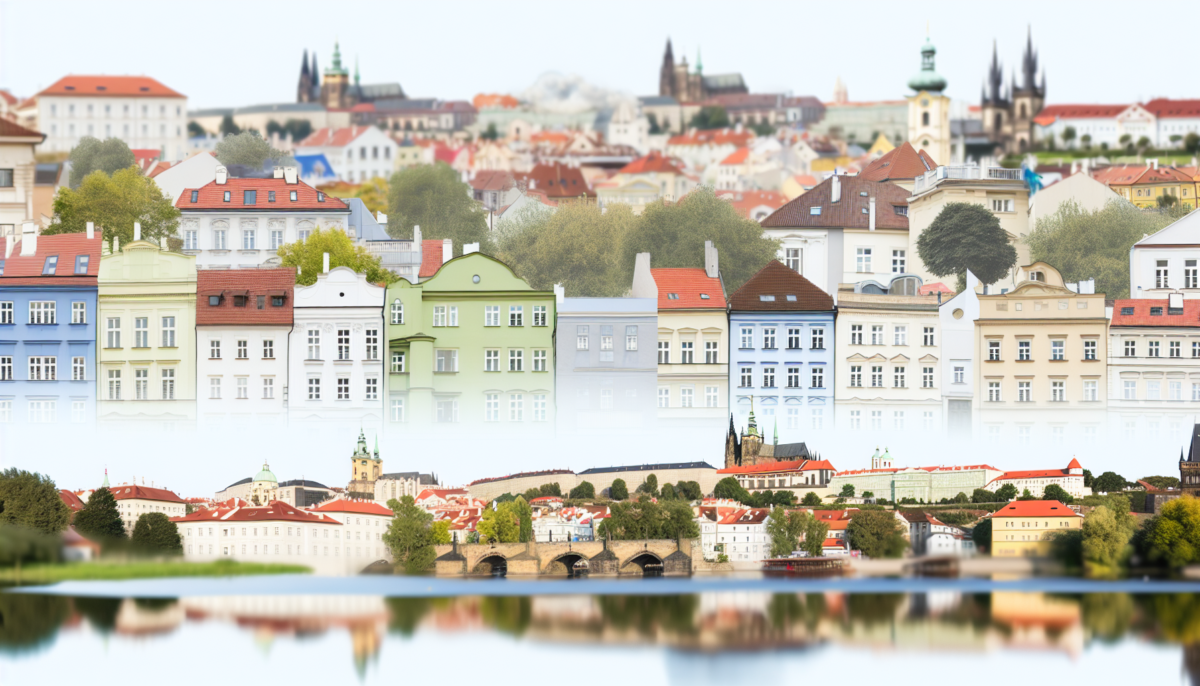
The Vltava River bisects the city, with most major attractions concentrated on both banks within the central districts. The Old Town (Staré Město), Lesser Town (Malá Strana), New Town (Nové Město), and Castle District (Hradčany) form the historical core, while surrounding neighborhoods like Vinohrady, Žižkov, and Holešovice offer more residential atmospheres with their own distinct personalities.

Prague’s efficient public transportation system—comprising metro lines, trams, and buses—means staying slightly outside the center doesn’t isolate you from attractions. This connectivity opens up excellent value propositions in neighborhoods just beyond the tourist epicenter.

Old Town (Staré Město): The Historic Heart

Best For: First-Time Visitors and History Enthusiasts

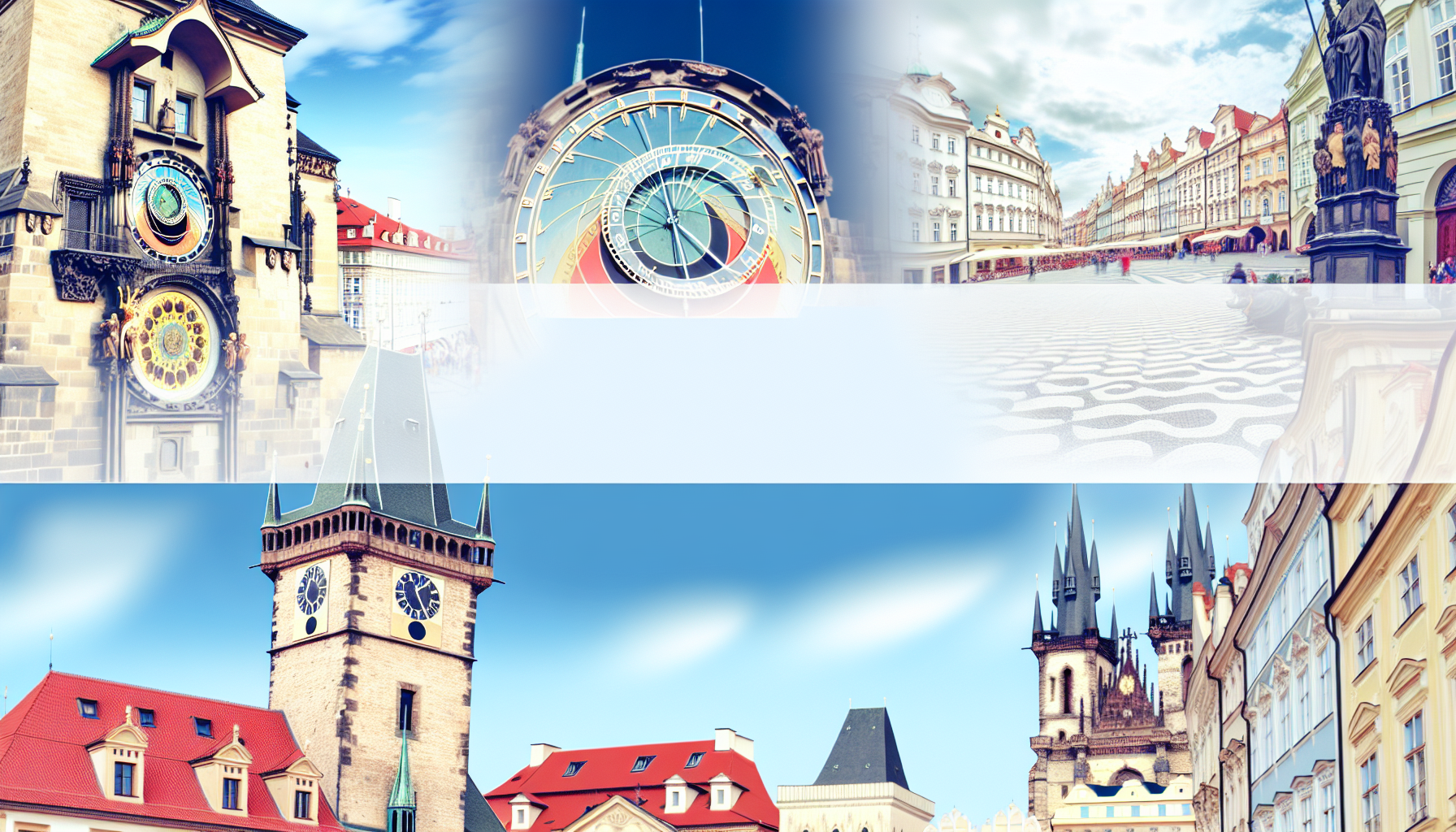
Old Town represents Prague’s beating historical heart and consistently ranks among the top Prague neighborhoods for tourists. This area encompasses the famous Astronomical Clock, Old Town Square, and the labyrinthine medieval streets that define Prague’s postcard image.

Key Advantages:

  • Walking distance to virtually all major attractions
  • Immediate access to Charles Bridge and Prague Castle
  • Countless restaurants, cafes, and shops
  • Architectural marvels around every corner
  • Metro stations at Můstek, Staroměstská, and Náměstí Republiky

Considerations:

Despite its undeniable appeal, Old Town comes with trade-offs. Accommodation prices here rank among the city’s highest, with hotels often commanding €150-€400 per night during peak season. The constant tourist traffic means streets stay crowded from morning until late evening, and many restaurants cater primarily to visitors with inflated prices and variable quality.

Street noise can be significant, particularly around Old Town Square and along major thoroughfares. Light sleepers should request rooms facing interior courtyards. Additionally, the concentration of tourist-oriented businesses means you’ll find fewer authentic local experiences compared to residential neighborhoods.

Recommended Accommodation Areas Within Old Town

The streets surrounding Pařížská Street offer luxury shopping and upscale hotels in Prague’s former Jewish Quarter (Josefov). For more intimate experiences, seek accommodations along the quieter lanes between Old Town Square and the river, where boutique hotels occupy beautifully restored medieval buildings.

Budget travelers can occasionally find hostels in Old Town, though value is generally better in adjacent neighborhoods. Book well in advance for this Prague district, as prime locations fill quickly year-round.

Lesser Town (Malá Strana): Baroque Elegance

Best For: Romantic Getaways and Culture Seekers

Nestled beneath Prague Castle on the west bank of the Vltava, Lesser Town offers a more intimate alternative to Old Town while maintaining proximity to major attractions. This Prague neighborhood showcases baroque architecture, hidden gardens, and cobblestone streets with considerably fewer crowds than the opposite riverbank.

Distinctive Features:

  • Direct access to Prague Castle and gardens
  • Charming streets with artisan shops and galleries
  • Romantic ambiance, especially after sunset
  • Excellent traditional Czech restaurants
  • Tram connections throughout the city

The area surrounding Kampa Island and Certovka (Devil’s Channel) provides particularly scenic settings, with waterside restaurants and peaceful parks. The climb to Prague Castle, while manageable, involves steep inclines that may challenge those with mobility limitations.

Accommodation Strategy for Lesser Town

Mid-range hotels and apartments dominate this area, with prices typically 15-20% lower than equivalent Old Town properties. The neighborhood’s residential character means better restaurant value and more authentic dining experiences. However, nightlife options are limited compared to livelier districts.

For optimal experience, stay within a five-minute walk of Malostranská metro station, ensuring easy access to other neighborhoods while maintaining Lesser Town’s tranquil atmosphere. The area’s narrow streets and limited parking make this one of the best Prague neighborhoods for car-free exploration.

New Town (Nové Město): The Best Value Proposition

Best For: Budget-Conscious Travelers and Business Visitors

Despite its name (dating to 1348), New Town offers a perfect balance of accessibility, affordability, and local authenticity. This expansive Prague district extends from Wenceslas Square southward and eastward, encompassing commercial zones, residential blocks, and excellent transportation connections.

Strategic Advantages:

  • Accommodation costs 30-50% lower than Old Town
  • Superior restaurant value with local pricing
  • Major metro lines (A, B, and C) intersect here
  • Mix of business hotels and budget options
  • Walking distance to Old Town’s southern edge

Wenceslas Square, while historically significant, functions more as a commercial boulevard than tourist attraction. The real value emerges in the blocks surrounding Karlovo náměstí (Charles Square) and along Národní třída, where you’ll find authentic neighborhood cafes, grocery stores, and services catering to residents rather than tourists.

Navigating New Town’s Subdivisions

When searching for accommodations in this area, focus on proximity to metro stations. Properties near Můstek, Muzeum, Karlovo náměstí, or Národní třída stations offer optimal convenience. The neighborhood’s southern reaches, while more affordable, require longer commutes to major attractions.

New Town provides excellent access to the National Theatre, Dancing House, and riverfront promenades. The area’s business-oriented infrastructure means reliable Wi-Fi, modern amenities, and international hotel chains alongside local boutique properties.

Vinohrady: The Local Favorite

Best For: Foodies, LGBTQ+ Travelers, and Those Seeking Authentic Experiences

Vinohrady consistently tops lists of best Prague neighborhoods for residents, and savvy travelers increasingly recognize its appeal. This elegant residential district in Prague 2 offers tree-lined streets, art nouveau architecture, and Prague’s most dynamic dining scene.

Neighborhood Highlights:

  • Exceptional restaurant diversity and quality
  • Vibrant cafe culture and specialty coffee shops
  • Parks including Riegrovy sady with panoramic city views
  • LGBTQ+-friendly atmosphere with welcoming venues
  • Metro stations: Náměstí Míru, Jiřího z Poděbrad, Flora

The central square, Náměstí Míru, features the neo-Gothic Church of St. Ludmila and serves as the neighborhood’s social hub. Surrounding streets host farmers’ markets, independent boutiques, and some of Prague’s finest restaurants at prices significantly below tourist-area equivalents.

Why Vinohrady Offers Superior Value

Accommodation in Vinohrady typically costs 40-60% less than Old Town for comparable quality. The 10-15 minute metro ride to city center attractions seems negligible when weighed against the superior local experience and dining options. Many properties here occupy converted apartment buildings, offering more space and kitchen facilities than similarly priced hotel rooms in central districts.

Riegrovy sady park provides stunning sunset views over Prague’s spires, with beer gardens that attract locals rather than tour groups. The neighborhood’s residential character means quieter evenings while remaining safe and well-lit throughout the night.

Žižkov: The Alternative Edge

Best For: Budget Travelers, Nightlife Enthusiasts, and Alternative Culture Seekers

Directly east of Vinohrady, Žižkov represents Prague’s grittier, more bohemian side. This working-class neighborhood has gentrified gradually while retaining its alternative character, offering the city’s best nightlife, affordable accommodations, and unpretentious local atmosphere.

Defining Characteristics:

  • Highest concentration of pubs and bars per capita in Europe
  • Budget hostels and affordable hotels
  • Žižkov Television Tower with observation deck
  • Authentic working-class Czech atmosphere
  • Metro access via Jiřího z Poděbrad and Flora stations

The neighborhood centers on Náměstí Jiřího z Poděbrad at its western edge (technically Vinohrady) and extends eastward into increasingly residential areas. The famous Žižkov pub scene attracts locals and expats, with dive bars, craft beer venues, and late-night spots creating a vibrant after-dark culture.

Strategic Considerations for Žižkov

While offering excellent value, Žižkov requires realistic expectations. Some areas appear run-down, with graffiti and less polished streetscapes than central districts. However, safety remains high throughout the neighborhood, and its authentic character appeals to travelers seeking genuine local experiences over sanitized tourist zones.

Stay near the Vinohrady border for optimal balance between Žižkov’s affordability and Vinohrady’s polish. Properties within 10 minutes of Jiřího z Poděbrad station provide easy access to both neighborhoods’ advantages.

Holešovice and Letná: The Creative Quarter

Best For: Families, Art Lovers, and Travelers Seeking Space

North of the city center, Holešovice has transformed from industrial district to creative hub, now ranking among the best Prague neighborhoods for contemporary culture. Combined with adjacent Letná, this area offers spacious parks, modern art venues, and family-friendly attractions.

Notable Features:

  • DOX Centre for Contemporary Art and National Gallery exhibitions
  • Letná Park with beer gardens and panoramic views
  • Farmers’ markets at Náplavka and Holešovice Market
  • Metro connections at Vltavská and Nádraží Holešovice
  • Riverside cycling and walking paths

The neighborhood’s industrial heritage provides large apartments and hotel rooms at competitive prices. Families particularly appreciate the proximity to Prague Zoo (accessible via tram) and the extensive park systems offering playgrounds and open spaces.

Accessing Central Attractions from Holešovice

Metro Line C connects Holešovice directly to the city center in approximately 10 minutes. Trams provide alternative routes, including scenic rides across the Vltava. The neighborhood’s position north of the river means fewer tourists while maintaining reasonable proximity to major attractions.

Letná Park serves as the area’s crown jewel, offering locals’ favorite beer gardens, skateparks, and the iconic metronome where Stalin’s monument once stood. Sunset views from Letná rival any in Prague, without the crowds found at more famous viewpoints.

Smíchov: The Practical Choice

Best For: Budget Travelers, Families, and Shopping Enthusiasts

On the west bank south of Lesser Town, Smíchov combines residential neighborhoods with commercial development, offering practical accommodations and excellent transportation links. While lacking historical charm, this Prague district provides value and convenience for pragmatic travelers.

Key Amenities:

  • Nový Smíchov shopping center with international brands
  • Metro station (Anděl) on Line B
  • Numerous tram connections
  • Affordable restaurants and supermarkets
  • Mix of business hotels and budget options

The area around Anděl metro station has developed significantly, with modern hotels, multiplexes, and dining options. While the architecture won’t inspire Instagram posts, the functionality and value proposition appeal to travelers prioritizing practicality over atmosphere.

When Smíchov Makes Sense

Families and longer-term visitors benefit from Smíchov’s apartment rentals, which offer full kitchens and more space than central hotels at fraction of the cost. The shopping center provides familiar international stores and services, useful for travelers requiring specific products or preferring recognizable brands.

Business travelers find Smíchov’s modern hotels and conference facilities convenient, particularly when visiting companies located in Prague’s western districts. The 15-minute metro ride to Old Town remains manageable for tourist activities while providing separation from tourist crowds during downtime.

Common Pitfalls When Choosing Prague Neighborhoods

Understanding mistakes other travelers make helps you avoid similar issues when selecting where to stay in Prague.

Overvaluing Proximity to Prague Castle: While impressive, the Castle complex doesn’t require staying nearby. Excellent public transportation means any central neighborhood provides easy access. Overpaying for Castle-adjacent accommodations rarely justifies the premium, especially since most travelers visit the Castle once during their stay.

Ignoring Noise Factors: Central Prague districts experience significant nighttime noise from bars, clubs, and stag parties. Read reviews specifically mentioning noise levels, and don’t hesitate to request quiet rooms or properties on less-trafficked streets.

Booking Too Far from Metro Stations: Prague’s excellent public transportation becomes less convenient when your accommodation sits 15+ minutes from the nearest metro or tram stop. Prioritize properties within a 5-10 minute walk of stations, particularly during winter months when walking becomes less pleasant.

Falling for “Prague 1” Marketing: Not all addresses within Prague 1 offer equal access or appeal. Verify specific neighborhood and proximity to attractions rather than relying solely on postal district numbers.

Overlooking Residential Neighborhoods: Many travelers default to tourist-heavy areas, missing the superior value and authentic experiences available in residential districts like Vinohrady and Žižkov. These neighborhoods offer better dining, lower costs, and genuine local atmosphere while remaining easily accessible to attractions.

Transportation Considerations Across Districts

Prague’s integrated public transportation system connects all recommended neighborhoods efficiently. Understanding the network helps inform accommodation decisions.

The metro system comprises three lines (A-green, B-yellow, C-red) intersecting at key transfer points. Line A serves Malá Strana, Hradčany, and runs through Vinohrady. Line B connects Smíchov and Anděl to New Town. Line C reaches Holešovice and northern districts.

Tram network provides comprehensive coverage, particularly valuable for areas between metro stations. Night trams (numbered 51-59) operate after metro closure, ensuring late-night mobility across all districts.

A single 24-hour pass costs approximately 120 CZK (€5), providing unlimited travel across all zones and transport types. For stays of three or more days, multi-day passes offer better value than individual tickets.

Most recommended Prague neighborhoods sit within Zone P, the central fare zone. Only trips to the airport or distant suburbs require additional zones. The system operates on an honor basis with random inspections, but purchasing valid tickets remains both legally required and ethically appropriate.

Seasonal Considerations for Neighborhood Selection

Prague’s neighborhoods experience varying appeal across seasons, influencing optimal accommodation choices.

Summer (June-August): Peak season brings maximum crowds to Old Town and Lesser Town. Consider Vinohrady or Holešovice for better value and local atmosphere. Parks in Letná and Riegrovy sady provide pleasant evening gathering spots, making neighborhoods with park access particularly appealing.

Christmas Season (Late November-December): Christmas markets transform Old Town Square and Wenceslas Square into magical winter wonderlands. Staying in Old Town or New Town maximizes market access, though prices spike accordingly. Book months in advance for this period.

Spring and Fall (April-May, September-October): Shoulder seasons offer ideal conditions across all districts. Moderate weather makes walking pleasant, crowds thin considerably, and prices drop 20-40% from peak season. Any recommended neighborhood works well during these months.

Winter (January-March): Cold weather increases the value of central locations, reducing walking requirements. However, winter offers the year’s best hotel deals across all Prague districts. Properties with good heating and proximity to metro stations become priorities.

Budget Breakdown by Neighborhood

Understanding typical accommodation costs helps match neighborhoods to financial constraints:

Luxury (€200+ per night):
– Old Town boutique hotels: €250-€400
– Lesser Town romantic properties: €200-€350
– Vinohrady upscale apartments: €180-€280

Mid-Range (€80-€200 per night):
– New Town business hotels: €90-€150
– Vinohrady apartment rentals: €80-€140
– Holešovice modern hotels: €85-€130
– Lesser Town standard properties: €120-€180

Budget (Under €80 per night):
– Žižkov hostels and budget hotels: €25-€70
– Smíchov practical accommodations: €50-€80
– New Town outer areas: €60-€90
– Vinohrady outer reaches: €65-€85

These ranges reflect average prices during shoulder season. Peak summer and Christmas periods see increases of 30-50%, while deep winter can offer discounts of 20-40%.

Making Your Final Decision: A Framework

Selecting among Prague neighborhoods requires balancing multiple factors against your specific priorities. Use this decision framework:

Step 1: Define Your Non-Negotiables
List absolute requirements (budget ceiling, proximity to specific attractions, mobility considerations, noise tolerance).

Step 2: Prioritize Your Travel Style
Rank importance of: historical atmosphere, local authenticity, nightlife access, dining quality, family-friendliness, and budget value.

Step 3: Match Neighborhoods to Priorities
Compare your ranked priorities against neighborhood strengths outlined above.

Step 4: Verify Specific Properties
Once you’ve identified 2-3 optimal neighborhoods, research specific accommodations within those areas. Location within a neighborhood matters as much as neighborhood selection itself.

Step 5: Check Transportation Links
Confirm metro/tram proximity and routes to your anticipated activities and attractions.

Conclusion: Your Perfect Prague Neighborhood Awaits

Selecting where to stay in Prague fundamentally shapes your experience in this magnificent city. While Old Town’s historical charm attracts first-time visitors, countless alternatives across Prague districts offer superior value, authentic experiences, and distinctive advantages for different traveler types.

First-time visitors prioritizing convenience and willing to pay premium prices will find Old Town and Lesser Town deliver on expectations. Budget-conscious travelers discover exceptional value in Vinohrady, Žižkov, and New Town without sacrificing accessibility. Families benefit from Holešovice’s spacious accommodations and parks, while nightlife enthusiasts thrive in Žižkov’s bar-dense streets.

The beauty of Prague’s compact geography and excellent public transportation means no choice eliminates access to the city’s treasures. Any of the recommended Prague neighborhoods provides a viable base for exploration, with trade-offs between cost, character, and convenience rather than absolute advantages or disadvantages.

Research specific properties within your chosen neighborhood, read recent reviews, verify transportation connections, and book well in advance for peak periods. With proper planning and the insights provided in this guide, you’ll select the perfect Prague neighborhood to match your travel style, ensuring memorable experiences in one of Europe’s most enchanting capitals.

Ready to book your Prague accommodation? Start by shortlisting neighborhoods matching your top three priorities, then search for properties within 10 minutes of major metro stations in those areas. Your perfect Prague base awaits discovery.
Kategoriler
** Travel Guides Czech Republic Entertainment

Prague Nightlife Guide: Best Bars, Clubs & Night Activities in 2024

Prague Nightlife Guide: Best Bars, Clubs & Night Activities in 2024

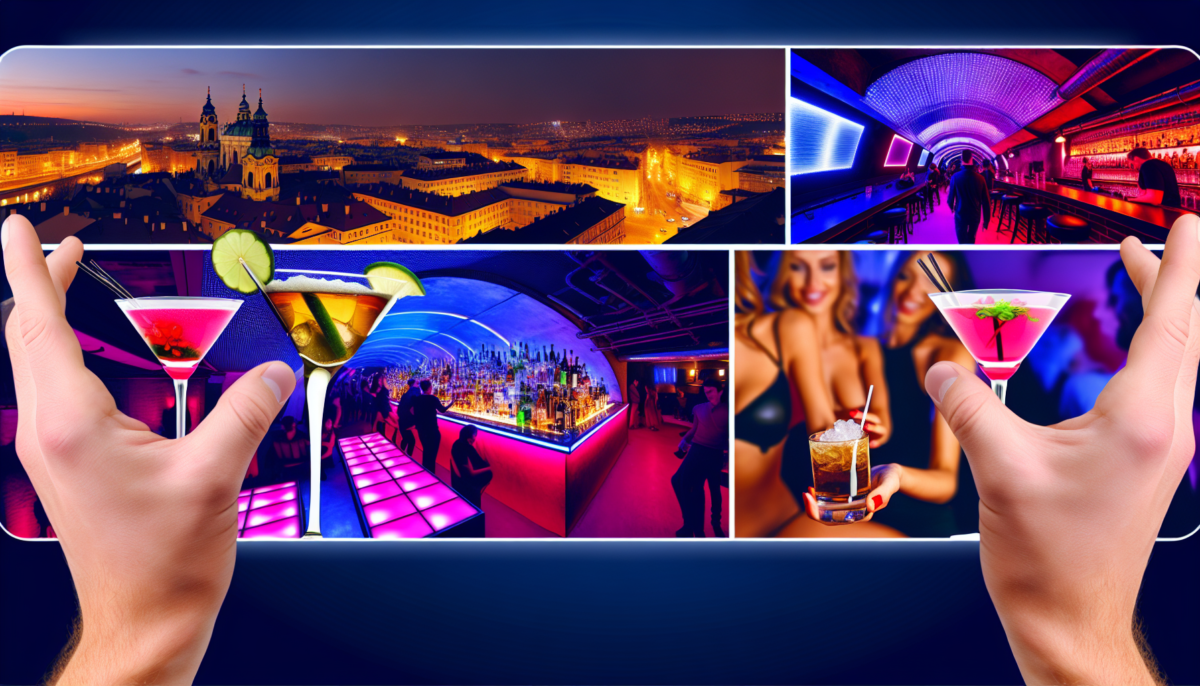
When the sun sets over Prague’s iconic spires and medieval architecture, a different side of the city awakens. The Czech capital transforms into one of Europe’s most electric nightlife destinations, where centuries-old beer halls meet cutting-edge electronic music venues, and underground clubs pulse until dawn. Whether you’re searching for sophisticated cocktail lounges with panoramic views or gritty techno warehouses that rival Berlin’s legendary scene, Prague nightlife offers an unparalleled diversity that caters to every taste and budget.

This comprehensive guide explores Prague’s vibrant after-dark scene, from the best Prague bars serving world-class Czech beer to the most electrifying Prague clubs where international DJs spin until sunrise. We’ll navigate the city’s distinct nightlife districts, reveal insider tips for avoiding tourist traps, and uncover hidden gems that locals frequent. Whether you’re planning a bachelor party, a romantic evening, or simply want to experience authentic Czech drinking culture, this guide provides everything you need to make the most of Prague night activities in 2024.

Understanding Prague’s Nightlife Districts

Prague’s nightlife scene is strategically distributed across several key districts, each offering its own distinct atmosphere and crowd. Understanding these geographical divisions helps you plan your evening efficiently and match your preferences with the right neighborhood.

Old Town (Staré Město) and Wenceslas Square

The Old Town represents Prague’s most tourist-concentrated nightlife area, centered around Wenceslas Square and the narrow streets leading to Old Town Square. This district features a high concentration of international-style bars, dance clubs, and entertainment venues designed primarily for visitors. While some establishments here inflate prices and employ aggressive promoters, legitimate venues like Karlovy Lázně (a five-floor mega-club) and Duplex (a rooftop club with stunning city views) offer memorable experiences.

Best for: First-time visitors, large groups, club-hopping, and those seeking convenience near major hotels.

Price range: Medium to high (expect to pay 150-300 CZK for cocktails, 100-200 CZK for beer)

Caution: This area has the highest concentration of tourist-targeted scams, including overpriced “gentlemen’s clubs” and bars with misleading pricing. Always check prices before ordering and avoid venues with aggressive street promoters.

Žižkov: The Underground Alternative Scene

Žižkov stands as Prague’s authentic, bohemian nightlife district—a stark contrast to the polished tourist areas. This working-class neighborhood has evolved into the city’s creative hub, featuring dive bars, underground music venues, and some of the cheapest drinks in Prague. The density of bars here is remarkable, with locals claiming Žižkov has more pubs per capita than any other district in Europe.

Key venues: Palác Akropolis (live music and club nights), Bunkr Parukářka (underground techno bunker), and countless authentic Czech pubs where beer costs as little as 30-40 CZK.

Best for: Alternative music lovers, budget-conscious travelers, meeting locals, and experiencing authentic Prague nightlife away from tourist crowds.

Atmosphere: Gritty, unpretentious, creative, and genuinely Czech. Don’t expect fancy décor—the focus here is on good drinks, great music, and authentic experiences.

Vinohrady: Sophisticated and LGBTQ+ Friendly

Vinohrady represents Prague’s upscale residential neighborhood with a thriving nightlife scene that balances sophistication with inclusivity. This district is particularly known as the center of Prague’s LGBTQ+ community, featuring numerous gay bars, clubs, and inclusive venues alongside trendy cocktail bars and wine lounges.

Notable establishments: Saints Bar (cocktail lounge), Termix (popular gay club), and numerous wine bars serving Czech and international selections.

Best for: Cocktail enthusiasts, wine lovers, LGBTQ+ travelers, and those seeking a more refined nightlife experience without Old Town’s tourist atmosphere.

Price range: Medium to high, but with better value than Old Town tourist traps.

Karlín: The Rising Star District

Once an industrial neighborhood, Karlín has undergone dramatic gentrification in recent years, emerging as Prague’s trendiest nightlife destination for locals and informed visitors. This district features innovative cocktail bars, craft beer pubs, and contemporary clubs that emphasize quality over quantity.

Must-visit venues: Cross Club (an industrial art installation that doubles as a music venue), Kasárna Karlín (a cultural center with bars and event spaces), and various craft beer establishments.

Best for: Craft beer enthusiasts, design-conscious travelers, and those seeking Prague’s contemporary creative scene.

Prague Bars: From Traditional Pubs to Rooftop Lounges

The diversity of Prague bars reflects the city’s unique position at the crossroads of tradition and modernity, where centuries-old beer culture meets contemporary mixology innovation.

Traditional Czech Beer Halls and Pubs

No Prague nightlife experience is complete without visiting authentic Czech beer halls, where the nation’s legendary brewing tradition comes alive. These establishments serve some of the world’s best beer at remarkably affordable prices, often accompanied by hearty Czech cuisine.

U Fleků stands as Prague’s most famous brewery and beer hall, operating continuously since 1499. While undeniably touristy, it offers an authentic atmosphere with house-brewed dark lager served by costumed waiters in massive medieval halls. However, be aware of pricing transparency issues and occasional pressure to order expensive shots.

Lokál represents a more contemporary take on the traditional pub concept, offering perfectly poured Pilsner Urquell in a bustling atmosphere popular with both locals and informed visitors. With multiple locations across Prague, Lokál maintains high standards while keeping prices reasonable (beer around 45-50 CZK).

U Zlatého Tygra (The Golden Tiger) achieved legendary status as Václav Havel’s favorite pub, where the former Czech president hosted Bill Clinton in 1994. This no-frills establishment serves exceptional Pilsner Urquell in an authentically local atmosphere, though service can be brusque and seating scarce during peak hours.

Best practices for Czech pubs:
– Table service is standard; never order at the bar
– Waiters mark beer consumption on a paper coaster—don’t lose it
– Signal readiness for another beer by placing your coaster on the table
– Tipping 10% is customary and appreciated
– Don’t expect extensive food menus; focus on beer and simple dishes

Craft Beer Revolution

Prague’s craft beer scene has exploded in recent years, challenging the dominance of traditional pilsners with innovative styles and experimental brewing techniques. These establishments attract a younger, more international crowd while maintaining Czech beer culture’s core values.

Pivovarský Klub pioneered Prague’s craft beer movement, offering over 100 Czech microbrewery beers on rotation. The knowledgeable staff provides excellent recommendations, and the venue successfully bridges traditional pub culture with contemporary beer enthusiasm.

BeerGeek Bar in Vinohrady represents the cutting edge of Prague’s craft beer scene, featuring Czech microbreweries alongside international selections. The industrial-modern interior attracts beer enthusiasts seeking rare brews and knowledgeable discussion.

Dva Kohouti (Two Roosters) operates both as a microbrewery and taproom, offering fresh, unpasteurized beers brewed on-site. The rotating selection showcases various styles, from traditional Czech lagers to American-influenced IPAs.

Craft beer venue characteristics:
– Higher prices than traditional pubs (80-150 CZK per beer)
– English-speaking staff with beer expertise
– Modern, design-conscious interiors
– Rotating beer selections with tasting notes
– International crowd mixed with Czech beer enthusiasts

Cocktail Bars and Speakeasies

Prague’s cocktail scene has matured dramatically, with world-class mixologists creating innovative drinks that rival offerings in New York, London, or Tokyo. These venues emphasize craft, quality ingredients, and creative presentation.

Hemingway Bar consistently ranks among the world’s best cocktail bars, named after the famous author who never actually visited Prague. The intimate space features expertly crafted classics and innovative signatures, with bartenders who take their craft seriously. Reservations are strongly recommended.

Anonymous Bar offers a prohibition-era speakeasy experience, requiring guests to ring a doorbell for entry. The theatrical atmosphere complements perfectly balanced cocktails, though prices reflect the premium experience (300-400 CZK per cocktail).

Black Angel’s Bar occupies a stunning art deco space beneath the Hotel U Prince, serving classic cocktails in an atmosphere reminiscent of 1930s glamour. The extensive menu features both timeless recipes and contemporary creations.

L’Fleur brings French sophistication to Prague’s cocktail scene, emphasizing floral and botanical ingredients in beautifully presented drinks. The elegant interior and professional service create an upscale experience without pretension.

Cocktail bar etiquette:
– Expect to pay 250-400 CZK per cocktail at quality venues
– Reservations recommended for popular establishments
– Dress code typically smart casual or better
– Take time to discuss preferences with bartenders
– Tip 10-15% for exceptional service

Rooftop Bars with Spectacular Views

Prague’s stunning architecture and hilltop geography create perfect conditions for rooftop bars offering panoramic city views alongside quality drinks.

T-Anker atop the Hilton Prague provides 360-degree views of the city, including Prague Castle, Old Town, and the Vltava River. The extensive cocktail menu complements the vista, though prices reflect the premium location.

Terasa U Zlaté Studně (Golden Well Terrace) offers the most romantic rooftop experience in Prague, perched below Prague Castle with intimate seating and exceptional views. The upscale atmosphere and pricing make this ideal for special occasions.

Cloud 9 Sky Bar & Lounge at the Hilton Prague Old Town features modern design, creative cocktails, and stunning sunset views over the city’s historic center. The DJ-driven atmosphere creates a lively vibe, especially on weekends.

Rooftop venue considerations:
– Weather-dependent operations (most open April-October)
– Higher prices than ground-level establishments
– Advance booking essential for sunset hours
– Dress codes typically enforced
– Can be crowded with tourists during peak season

Prague Clubs: Electronic Music and Dance Venues

Prague’s club scene has evolved into one of Central Europe’s most respected electronic music destinations, attracting international DJs and producing homegrown talent that performs worldwide.

Techno and Electronic Music Temples

The Czech capital’s electronic music scene draws inspiration from Berlin’s legendary club culture while developing its own distinct identity characterized by industrial spaces, marathon opening hours, and serious dedication to sound quality.

Ankali stands as Prague’s premier techno institution, occupying a former industrial space in Karlín. The club features a world-class sound system, rotating international and Czech DJs, and a crowd that takes electronic music seriously. Weekend events often run from midnight until noon the following day, with peak energy occurring around 4-6 AM.

Bassment focuses on bass music, drum and bass, and dubstep, attracting a dedicated crowd of electronic music enthusiasts. The intimate space creates an intense atmosphere, with the sound system designed specifically for bass-heavy genres.

Roxy represents Prague’s longest-running alternative club, operating since 1989 in a converted cinema. While programming varies from electronic music to live bands and experimental performances, the venue maintains its underground credibility and artistic vision.

Techno club culture essentials:
– Doors typically open midnight or later
– Peak hours run 2-6 AM
– Entry fees range 200-400 CZK
– Photography often prohibited (respect the vibe)
– Minimal talking on the dance floor (focus on music)
– Some venues operate no-photo policies

Mega Clubs and Multi-Floor Venues

For those seeking variety and large-scale production, Prague offers several multi-floor clubs featuring different music genres and atmospheres under one roof.

Karlovy Lázně claims the title of Central Europe’s largest club, occupying five floors in a historic building near Charles Bridge. Each floor features distinct music (dance, R&B, oldies, chill-out, and Czech music), creating a diverse experience that appeals to large groups with varying tastes. However, the venue’s tourist-heavy crowd and commercial music selection make it less appealing to serious music enthusiasts.

Duplex combines a rooftop location overlooking Wenceslas Square with upscale club atmosphere, attracting a well-dressed international crowd. The venue hosts both local and international DJs, with programming leaning toward commercial dance music and house.

Cross Club defies easy categorization, functioning simultaneously as an industrial art installation, music venue, and bar. The space features three floors of intricate mechanical sculptures, steampunk aesthetics, and diverse programming from techno to live bands. This venue represents Prague’s creative spirit at its finest.

Underground and Alternative Venues

Prague’s true nightlife character emerges in underground venues that prioritize music quality, community, and artistic integrity over commercial success.

Bunkr Parukářka occupies actual Cold War-era nuclear bunkers beneath Žižkov’s Parukářka park, creating one of Europe’s most unique club environments. The concrete tunnels and chambers host primarily techno and house events, with exceptional acoustics and an atmosphere that feels genuinely underground.

Fuchs2 serves as a cultural center and club space in Žižkov, featuring experimental electronic music, live performances, and art exhibitions. The venue emphasizes community over profit, with affordable entry fees and a welcoming atmosphere for both locals and visitors.

MeetFactory operates as a contemporary art center with an attached music venue and club space, founded by renowned Czech artist David Černý. The programming spans electronic music, indie rock, and experimental performances, all within an industrial setting that embodies Prague’s post-industrial creative renaissance.

Underground venue tips:
– Cash only at many venues (ATMs often unavailable)
– Dress comfortably; style matters less than authenticity
– Learn basic Czech phrases for bathroom and bar
– Respect the space and community atmosphere
– Arrive after 1 AM for peak energy

Prague Night Activities Beyond Bars and Clubs

Prague nightlife extends far beyond drinking and dancing, offering diverse activities that showcase the city’s culture, history, and contemporary creative scene after dark.

Late-Night Cultural Experiences

Prague Castle Night Tours provide a magical alternative to daytime visits, with the illuminated complex creating an atmospheric backdrop for exploring Czech history. Various tour operators offer evening programs that combine castle access with historical narratives, typically running until 10-11 PM during summer months.

Vltava River Cruises operate evening and dinner cruises showcasing Prague’s illuminated architecture from the water. These experiences range from casual boat rides with drinks to elaborate dinner cruises with live music, offering romantic alternatives to traditional nightlife activities.

National Theatre Performances allow culture enthusiasts to experience world-class opera, ballet, and drama in a stunning neo-Renaissance building. Evening performances typically begin at 7 PM, with the building itself worth visiting for its ornate interior and historical significance.

Late-Night Food Scene

Prague’s food scene has evolved dramatically, with numerous establishments now serving quality meals well past traditional dinner hours.

Lokál Dlouhá and other Lokál locations serve traditional Czech cuisine until midnight or later, providing authentic goulash, svíčková, and other national dishes when late-night cravings strike. The bustling atmosphere and efficient service make these ideal post-club dining destinations.

Manifesto Market operates as Prague’s premier food truck court, with various vendors serving international cuisine in a covered space near Florenc. Summer operations often extend past midnight, offering everything from Vietnamese pho to Mexican tacos.

24-Hour Options: Several establishments serve food around the clock, including Café Imperial (historic art nouveau café), various kebab shops in Old Town and Wenceslas Square, and McDonald’s locations for familiar options. The Nonstop convenience stores scattered throughout the city provide basic snacks and drinks at any hour.

Casino and Gaming Entertainment

Prague features numerous casinos catering to international visitors, though quality and legitimacy vary significantly. Casino Atrium and King’s Casino represent legitimate operations with proper licensing, offering table games, slot machines, and poker rooms in professional environments. Exercise caution with smaller operations and always verify licensing before gambling significant amounts.

Essential Prague Nightlife Tips and Safety Considerations

Maximizing enjoyment while minimizing risks requires understanding Prague’s specific nightlife dynamics and potential pitfalls.

Scams and Tourist Traps to Avoid

Prague’s popularity creates opportunities for unscrupulous operators targeting unsuspecting visitors. “Gentlemen’s clubs” and strip clubs represent the most notorious scams, with aggressive promoters offering “free entry” or “free drinks” before presenting victims with bills totaling thousands of dollars for champagne they didn’t order. These establishments employ intimidation and sometimes physical threats to force payment.

Overpriced tourist bars cluster around Old Town Square and Wenceslas Square, charging 3-5 times normal prices for drinks while employing attractive staff to lure customers inside. Always check drink menus for prices before ordering, and be skeptical of venues with promoters standing outside.

Taxi scams remain common, particularly late at night when public transportation stops running. Use Bolt or Uber ride-sharing apps instead of street taxis, or call reputable companies like AAA Taxi or City Taxi. Legitimate taxis display rates on doors and use meters; refuse any driver who quotes flat rates or lacks proper identification.

Currency exchange scams target intoxicated tourists, offering terrible rates with hidden fees buried in small print. Use ATMs or legitimate exchange offices during daytime, never exchanging money late at night or inside nightlife venues.

Safety and Security Best Practices

While Prague remains relatively safe compared to other major European capitals, sensible precautions reduce risks significantly:

Transportation planning: Prague’s excellent public transportation system operates until midnight, with night trams and buses running until approximately 4:30 AM when regular service resumes. Plan return routes in advance, or budget for ride-sharing services. Walking alone late at night is generally safe in central districts, though stick to well-lit main streets.

Drink safety: While drink spiking remains rare in Prague, basic precautions apply: never leave drinks unattended, watch bartenders prepare drinks, and refuse drinks from strangers. Czech beer’s strength (typically 4-5% ABV) can surprise visitors accustomed to lighter beers.

Valuables protection: Pickpocketing occurs in crowded tourist areas and on public transportation. Use front pockets for valuables, keep bags closed and visible, and avoid displaying expensive electronics, watches, or jewelry.

Emergency contacts: Czech emergency services use 112 (general emergency), 158 (police), and 155 (ambulance). Tourist police operate from a station near Old Town Square, providing English-speaking assistance for visitors.

Money and Budgeting Considerations

Prague nightlife offers exceptional value compared to Western European cities, though costs vary dramatically by venue type and location:

Budget range (per person, per night):
– Economy: 500-800 CZK ($22-35) – Local pubs, draft beer, minimal clubbing
– Mid-range: 1,000-2,000 CZK ($44-88) – Mix of bars and clubs, cocktails, club entry
– Premium: 2,500+ CZK ($110+) – Upscale venues, bottle service, fine dining

Payment methods: While card acceptance has improved, many bars and clubs still operate cash-only, particularly in alternative neighborhoods like Žižkov. ATMs are widely available, though avoid those in tourist areas charging excessive fees. The Czech Republic uses Czech crowns (CZK), not euros, despite EU membership.

Tipping culture: Standard tipping runs 10% in bars and restaurants, with rounding up acceptable for casual drinks. Club coat check typically costs 20-40 CZK, with tips appreciated but not mandatory.

Seasonal Considerations and Best Times to Visit

Prague nightlife experiences significant seasonal variation, affecting both atmosphere and available options.

Summer Season (May-September)

Summer represents peak tourist season, with maximum venue operations, rooftop bars fully open, and extended hours throughout the nightlife districts. The warm weather enables outdoor seating, beer gardens, and riverside activities that enhance the overall experience. However, tourist crowds reach maximum density, prices increase at popular venues, and authentic local atmosphere becomes harder to find in central districts.

Best for: First-time visitors, rooftop bar experiences, outdoor activities, and maximum venue selection.

Challenges: Crowded venues, higher prices, advance booking requirements, and tourist-heavy atmosphere.

Winter Season (November-March)

Winter offers a completely different Prague nightlife experience, with reduced tourist numbers creating more authentic local atmosphere. Indoor venues dominate, emphasizing cozy pubs, underground clubs, and intimate cocktail bars. Prices drop at many establishments, and locals reclaim spaces typically surrendered to summer tourists.

Best for: Electronic music enthusiasts, authentic local experiences, budget travelers, and those seeking Prague’s genuine character.

Challenges: Limited rooftop options, shorter hours at some venues, cold weather affecting outdoor activities, and reduced cultural programming.

Shoulder Seasons (April, October)

April and October provide optimal conditions for experiencing Prague nightlife, balancing pleasant weather with manageable tourist numbers. Most venues operate full schedules, prices remain reasonable, and the mix of locals and visitors creates dynamic energy without overwhelming crowds.

Special Events and Festivals

Signal Festival (October) transforms Prague into an outdoor art gallery with light installations throughout the city, accompanied by special club nights and cultural programming. Prague Pride (August) celebrates LGBTQ+ culture with parades, parties, and special events across the city. Christmas Markets (November-December) extend evening activities with mulled wine stands, food vendors, and festive atmosphere throughout Old Town and other districts.

Conclusion: Making the Most of Prague Nightlife

Prague nightlife represents a remarkable synthesis of history, culture, and contemporary creativity, offering experiences that range from centuries-old beer halls to cutting-edge electronic music venues. The city’s affordability, safety, and diversity create ideal conditions for exploration, whether you’re seeking sophisticated cocktails overlooking Prague Castle or sweaty techno sets in Cold War bunkers.

Success in navigating Prague nightlife depends on understanding the city’s geographical layout, avoiding tourist-targeted scams, and choosing venues that match your preferences and budget. The stark differences between districts—from Old Town’s international tourism focus to Žižkov’s authentic underground scene—mean that research and planning significantly enhance your experience.

Key takeaways for Prague nightlife success:

  1. Venture beyond Old Town to discover authentic venues with better value and local atmosphere
  2. Mix venue types to experience Prague’s full nightlife diversity, from traditional pubs to modern clubs
  3. Avoid aggressive promoters and verify prices before ordering to prevent scams
  4. Use ride-sharing apps for safe, reliable late-night transportation
  5. Respect local culture in traditional establishments while embracing contemporary venues’ international atmosphere
  6. Plan transportation in advance, understanding when public transit stops and resumes
  7. Budget appropriately based on venue selection, with local pubs offering exceptional value
  8. Stay safe through basic precautions while enjoying Prague’s generally secure environment

Whether you’re planning a single night out or a week-long exploration of Prague bars, clubs, and alternative venues, this guide provides the foundation for memorable experiences. The city’s nightlife scene continues evolving, with new venues opening regularly while traditional establishments maintain standards established decades or even centuries ago. This dynamic tension between innovation and tradition defines Prague’s unique position in the European nightlife landscape.

For the most current information on specific venues, events, and opening hours, consult resources like GoOut.cz (comprehensive event listings), Honest Guide (YouTube channel exposing scams and recommending legitimate venues), and Prague.tv (English-language news and entertainment coverage). Local Facebook groups and Reddit communities also provide real-time recommendations and updates from residents and experienced visitors.

Prague nightlife awaits your discovery—from the perfect pilsner in a neighborhood pub to dawn breaking over the dance floor in an underground techno club. The experiences you’ll create here offer far more than simple entertainment; they provide windows into Czech culture, connections with international travelers, and memories that justify Prague’s reputation as one of Europe’s essential nightlife destinations.

Ready to experience Prague after dark? Start planning your route through the city’s diverse nightlife districts, book reservations at premier cocktail bars, and prepare for nights that seamlessly blend centuries of brewing tradition with contemporary club culture. The lights of Prague are calling, and the city’s after-dark magic awaits your exploration.

Kategoriler
** Travel Europe

Best Restaurants in Prague: From Traditional Czech to Modern Cuisine

Best Restaurants in Prague: From Traditional Czech to Modern Cuisine

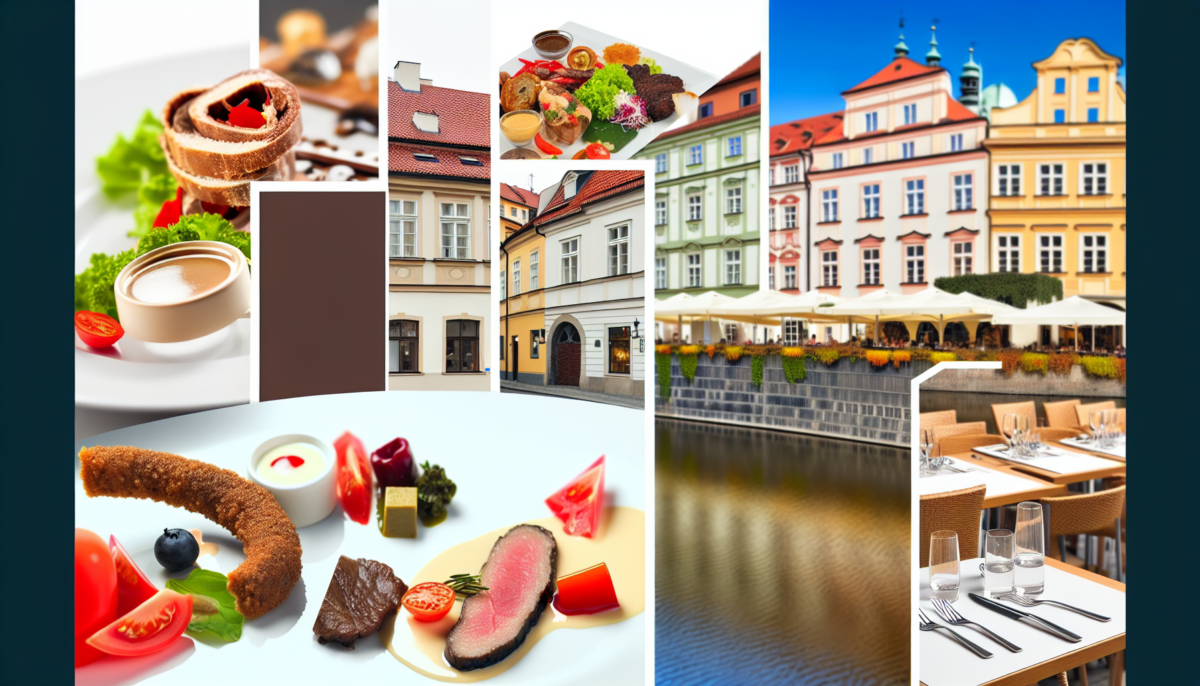
Prague’s culinary landscape has transformed dramatically over the past decade, evolving from a city known primarily for hearty Czech fare into one of Central Europe’s most exciting gastronomic destinations. Whether you’re seeking authentic best restaurants Prague has to offer in traditional taverns, or chasing Michelin-starred innovation, the Czech capital delivers extraordinary dining experiences across every price point and cuisine style.

This Prague dining guide cuts through the overwhelming choices to highlight restaurants that consistently deliver exceptional food, atmosphere, and value. From centuries-old beer halls serving svíčková to contemporary establishments reimagining Czech ingredients with modern techniques, understanding where to eat Prague can transform your visit from ordinary to unforgettable. The Prague food scene now rivals major European capitals, with local chefs earning international recognition while staying rooted in Czech culinary traditions.

We’ve evaluated hundreds of establishments based on food quality, authenticity, ambiance, service standards, and value for money. This curated selection spans Old Town classics to emerging Vinohrady hotspots, ensuring you’ll find perfect dining options whether you’re celebrating a special occasion or seeking an authentic local lunch. Each recommendation represents the pinnacle of its category, from budget-friendly traditional Czech restaurants to innovative fine dining destinations that showcase why Prague has become a must-visit for serious food enthusiasts.

1. U Modré Kachničky (The Blue Duckling)

Tucked away on a quiet Malá Strana street, U Modré Kachničky represents everything exceptional about elevated Czech cuisine without pretension. This intimate restaurant occupies three cozy rooms in a 16th-century house, where exposed wooden beams, candlelight, and Renaissance-era details create an atmosphere that feels like dining in a sophisticated private home. The blue duckling motif appears throughout the space, a charming nod to the restaurant’s name and its signature dish.

The menu focuses on game and traditional Czech preparations executed with technical precision. Their roasted duck with red and white cabbage and bread dumplings demonstrates mastery of classics—the duck skin crackles perfectly while the meat remains succulent, and the sweet-sour cabbage balance could convert any skeptic. The venison medallions with cranberry sauce and celeriac purée showcase how Czech game traditions translate beautifully into refined presentations. Wild boar, rabbit, and pheasant rotate seasonally, always sourced from Czech forests and prepared with respect for both tradition and modern culinary standards.

Service strikes the perfect balance between attentive and unobtrusive, with staff who genuinely understand the menu and can guide wine pairings from their excellent Czech and Moravian selection. Reservations are essential, especially for window tables overlooking the cobblestone street. While prices reflect the quality and location, three courses with wine typically run 1,200-1,800 CZK per person—reasonable for this caliber of execution. U Modré Kachničky exemplifies how traditional Czech cuisine can feel both authentic and sophisticated, making it essential for anyone seeking the best restaurants Prague offers in classic cooking.

2. Field Restaurant

Field represents the vanguard of the Prague food scene, where chef Radek Kašpárek has earned international recognition for his innovative approach to Czech ingredients and culinary heritage. Located in a minimalist space in Karlín, this Michelin-starred restaurant proves that Czech cuisine can compete on the global fine dining stage while maintaining deep connections to local terroir and traditions. The industrial-meets-elegant interior—exposed concrete, wood accents, and an open kitchen—creates a contemporary canvas for the culinary artistry.

Kašpárek’s tasting menus (typically 6-8 courses) read like a map of Czech agricultural excellence: Bohemian carp reimagined with precision techniques, heritage grain varieties transformed into unexpected textures, foraged forest ingredients presented with artistic minimalism. A recent menu featured Czech beef aged for 60 days, served with fermented black garlic and lovage oil—familiar ingredients elevated through meticulous technique and creative vision. Each course demonstrates technical sophistication while telling a story about Czech food culture and landscape.

The wine program emphasizes natural and biodynamic producers, particularly from Moravia, offering pairings that complement rather than overshadow the food’s subtle complexities. Service operates at international fine dining standards—knowledgeable, professional, and precisely timed. Expect to invest 3-4 hours and approximately 3,500-4,500 CZK per person for the full tasting menu with wine pairings. While Field demands both time and budget, the experience justifies the investment for serious food enthusiasts wanting to understand how contemporary Czech chefs are reshaping their culinary identity. Reservations require booking weeks ahead, particularly for weekend dinner service.

3. Lokál Dlouhááá

For authentic Czech pub dining without tourist traps or compromised quality, Lokál represents the gold standard. This bustling beer hall in Old Town serves traditional Czech dishes exactly as locals expect them, with fresh Pilsner Urquell flowing directly from tanks and prices that remain surprisingly reasonable despite the central location. The no-reservations policy means you’ll likely wait, but the turnover moves quickly, and people-watching while you wait offers its own entertainment value.

The menu reads like a greatest hits of Czech comfort food: bramboráky (potato pancakes) arrive golden and crispy with perfect sour cream, svíčková (beef sirloin in cream sauce) features tender meat in a properly tangy sauce with bread dumplings that achieve the right balance of fluffy and dense. The goulash demonstrates proper Czech preparation—rich, paprika-forward, substantial enough for Prague’s harsh winters. Half-liters of Pilsner Urquell cost around 50 CZK, remarkably affordable for the quality and freshness of tank beer.

What distinguishes Lokál from countless other Czech pubs is consistency and transparency. The open kitchen allows you to watch preparation, daily menus posted throughout show exactly where ingredients originate, and the bustling atmosphere feels authentically local rather than staged for tourists. Most meals cost 250-400 CZK per person including multiple beers—exceptional value for this quality and location. The Dlouhá location offers the best balance of authenticity and accessibility, though the chain’s other locations (Hamburk, Nad Stromovkou) maintain identical standards. For anyone seeking to understand where to eat Prague like a local while staying centrally located, Lokál delivers consistently excellent traditional Czech dining.

4. Eska

Eska revolutionized Prague’s breakfast and brunch scene while establishing itself as an all-day dining destination that bridges tradition and innovation. Located in Karlín’s former industrial zone, this bakery-restaurant combination occupies a converted factory space where soaring ceilings, industrial elements, and contemporary Scandinavian-influenced design create an energetic yet comfortable atmosphere. The open kitchen and prominent bakery operation remind diners that bread and fermentation drive Eska’s culinary philosophy.

The restaurant’s strength lies in its exceptional baking program—sourdough breads, pastries, and baked goods that rival Europe’s best artisan bakeries. Morning visitors find flaky croissants, cardamom buns, and hearty grain breads alongside inventive breakfast dishes like porridge with fermented cream and seasonal fruit, or eggs prepared with Czech cheeses and house-baked bread. Lunch and dinner menus showcase Czech ingredients through contemporary techniques: celeriac prepared multiple ways, pork belly with fermented vegetables, beef tartare with pickled mushrooms and egg yolk.

The beer and wine selection emphasizes Czech craft producers and natural wines, with knowledgeable staff who can guide selections. Prices position Eska in the mid-range category—breakfast runs 200-350 CZK, dinner mains 350-550 CZK—reasonable for the quality and Karlín location. The bakery counter sells breads and pastries for takeaway, allowing budget-conscious visitors to experience Eska’s excellence at lower price points. Reservations recommended for dinner, but breakfast and lunch typically accommodate walk-ins. Eska demonstrates how the Prague food scene has embraced the farm-to-table and fermentation movements while maintaining distinctly Czech character, making it essential for food-focused travelers.

5. La Degustation Bohême Bourgeoise

La Degustation occupies the pinnacle of Prague’s fine dining hierarchy, holding a Michelin star since 2012 for its meticulous exploration of historic Bohemian cuisine. Located in a restored medieval cellar near Old Town Square, the restaurant offers an immersive journey through Czech culinary history, with each dish on the tasting menu inspired by recipes from 1700s-1900s Bohemian cookbooks. Chef Oldřich Sahajdák researches historical preparations then reinterprets them through contemporary technique and plating aesthetics.

The experience unfolds over 6-11 courses (depending on menu selection), each telling a story about Czech food culture: potato soup prepared as it might have been in aristocratic kitchens, carp reimagined through modern techniques, game dishes reflecting Bohemian hunting traditions. A recent menu featured “Bone Marrow 1920,” where marrow was served with pickled vegetables and rye bread—a dish simultaneously rooted in historical preparation and presented with contemporary elegance. The attention to detail extends to tableware, with each course served on specifically selected Czech porcelain or glassware.

Wine pairings draw heavily from Moravian producers, showcasing how Czech wines have evolved to international standards while maintaining regional character. The sommelier team provides extensive knowledge about each pairing, often connecting wines to the historical context of dishes. Service operates at impeccable fine dining standards—formal yet warm, precisely timed, deeply knowledgeable. Expect to invest 4-5 hours and 5,000-7,000 CZK per person for the full experience with wine pairings. While La Degustation represents Prague’s most expensive dining option, the unique concept, execution quality, and historical storytelling justify the investment for those seeking the ultimate Czech culinary experience. Advanced reservations essential.

6. Manifesto Market

Manifesto Market isn’t a single restaurant but rather Prague’s premier street food destination, where rotating vendors offer everything from Vietnamese banh mi to Mexican tacos in a covered outdoor market setting. Located in Florenc (with seasonal locations in Anděl and Smíchov), this vibrant space represents how Prague’s dining scene has embraced global cuisines and casual dining formats. Shipping containers converted into food stalls surround communal seating areas, creating an energetic atmosphere perfect for group dining where everyone wants different cuisines.

The vendor rotation ensures variety, but consistent highlights include: Palanda, serving elevated burgers with Czech beef and creative topping combinations; Pho Vietnam Tuan & Lan, offering authentic Vietnamese soups and banh mi; Gangnam Takos, bringing Korean-Mexican fusion with kimchi quesadillas and bulgogi tacos. The Good Food Coffee & Bakery stall provides excellent coffee and pastries for afternoon visits. Most dishes cost 150-250 CZK, making Manifesto Market one of Prague’s best value dining options.

The market operates year-round with heaters in winter, though the experience peaks during warmer months when the outdoor setting becomes a social hub. Craft beer selection includes Czech microbreweries often unavailable in traditional restaurants, and the wine bar offers natural and biodynamic options by the glass. Manifesto Market appeals particularly to younger travelers and locals seeking casual, quality food without the formality or expense of traditional restaurants. The format allows you to sample multiple cuisines in one visit, making it ideal for indecisive groups or those wanting to explore Prague’s increasingly diverse food culture.

7. Terasa U Zlaté Studně (Golden Well Terrace)

For special occasions demanding extraordinary views alongside excellent food, Terasa U Zlaté Studně delivers unmatched romance and visual drama. Perched on a Malá Strana hillside within a five-star hotel, this terrace restaurant offers panoramic views across Prague’s red rooftops to Prague Castle—arguably the city’s most spectacular dining vista. The setting alone justifies the premium prices, particularly at sunset when golden light transforms the cityscape into something approaching magical.

The cuisine matches the setting’s elegance, with chef Pavel Sapík preparing modern European dishes that incorporate Czech ingredients and seasonal availability. Recent menus featured Czech venison with root vegetables and juniper jus, Adriatic sea bass with fennel and citrus, and creative vegetarian options like roasted cauliflower with hazelnut and aged cheese. Presentations emphasize visual beauty without sacrificing flavor depth, and portion sizes, while refined, satisfy without overwhelming. The cheese and dessert programs showcase European artisanal producers alongside Czech specialties.

Wine service draws from an extensive cellar emphasizing French and Italian producers, with solid Czech and Austrian selections. Staff demonstrate genuine expertise in pairing recommendations and navigating the extensive list. Dinner typically costs 2,500-3,500 CZK per person with wine, positioning Terasa as a splurge-worthy experience rather than everyday dining. The dress code leans smart casual to business casual—while not strictly enforced, the elegant atmosphere rewards guests who dress accordingly. Reservations essential, particularly for terrace tables at sunset. Request specific terrace positioning when booking if views matter most. While expensive, Terasa U Zlaté Studně provides the best restaurants Prague offers for celebrating special moments with unforgettable ambiance.

8. Sansho

Sansho pioneered Prague’s Asian fusion scene, where British chef Paul Day combines Asian techniques and flavors with European ingredients and Czech market availability. Located in Karlín, this intimate restaurant (seating about 30) operates with an open kitchen that allows diners to watch the cooking process and interact with chefs. The casual, unpretentious atmosphere belies the sophistication of the cooking and the depth of Day’s culinary knowledge across multiple Asian cuisines.

The menu changes frequently based on market availability, but expect dishes that bridge cultures intelligently: Czech pork prepared with Japanese techniques and Korean flavoring, local fish with Thai-inspired sauces, vegetables treated with respect learned from Japanese kaiseki traditions. A recent menu featured duck breast with miso and pickled plum, demonstrating how Asian fermentation traditions enhance European proteins. The vegetarian and vegan options receive equal creative attention, making Sansho unusually accommodating for plant-based diners seeking sophisticated preparations.

Day’s commitment to sustainability and nose-to-tail cooking means unusual cuts and offal appear regularly—headcheese terrine, pork ear salads, bone marrow preparations. Adventurous eaters will find Sansho particularly rewarding. The wine and sake selection emphasizes natural producers and interesting, food-friendly options rather than prestigious labels. Most mains cost 350-500 CZK, with sharing plates around 200-300 CZK—reasonable pricing for this quality and innovation level. The casual vibe and counter seating make Sansho comfortable for solo diners, while the food quality attracts serious enthusiasts. Reservations strongly recommended, as the limited seating fills quickly. Sansho represents how Prague’s dining scene has matured beyond simple ethnic restaurants to genuine fusion cuisine.

9. Café Savoy

Café Savoy exemplifies Prague’s grand café tradition, where elegant 19th-century interiors provide the setting for all-day dining from breakfast through dinner. Located in Lesser Town near the Vltava River, this restored café features stunning neo-Renaissance ceiling frescoes, crystal chandeliers, and marble details that transport diners to Prague’s Belle Époque era. The atmosphere balances historical grandeur with contemporary comfort, attracting everyone from business professionals to tourists seeking authentic café culture.

The kitchen operates with surprising ambition for a café format, offering everything from classic Czech dishes to French-influenced preparations and excellent baked goods from their in-house bakery. Breakfast draws crowds for flaky croissants, eggs Benedict, and Czech open-faced sandwiches (chlebíčky) prepared with quality ingredients and attention to detail. Lunch and dinner menus include proper beef goulash, Wiener schnitzel executed to Viennese standards, and fresh fish preparations. The dessert case displays beautiful Czech cakes and pastries, particularly the medovník (honey cake) and fruit tarts that showcase traditional Czech baking.

Coffee quality exceeds typical Prague café standards, with properly trained baristas preparing espresso drinks using quality beans. The wine list offers reasonable selections by the glass, making Café Savoy comfortable for extended afternoon sessions with a book or laptop. Prices remain moderate for the quality and location—breakfast 200-350 CZK, lunch/dinner mains 300-500 CZK. Weekend brunch attracts queues, so arrive early or make reservations for parties of four or more. Café Savoy provides reliable, quality dining in beautiful surroundings across all meal times, making it useful for multiple visits during a Prague stay. The historical setting and consistent execution make it one of the best restaurants Prague offers for experiencing café culture.

10. Naše Maso

Naše Maso (“Our Meat”) revolutionized Prague’s meat-eating experience by operating as both butcher shop and casual restaurant, emphasizing transparency, quality sourcing, and simple preparation that lets superior ingredients shine. Located in a former butcher shop near Dlouhá Street, the minimalist space features a butcher counter at front where you can purchase cuts to take home, and simple seating in back where those same cuts are grilled or prepared simply and served immediately.

The concept focuses on Czech-raised beef, pork, and poultry from farms practicing ethical, sustainable husbandry. Daily specials depend on what’s available from partner farms, but expect offerings like beef burgers ground fresh daily, pork chops grilled to order, house-made sausages, and beef tartare prepared from premium cuts. The sides remain simple—bread, pickles, mustards, salads—allowing the meat quality to dominate. This stripped-down approach means everything depends on sourcing and execution, both of which Naše Maso handles excellently.

The butcher shop component allows budget-conscious visitors to purchase quality meats for apartment or hostel cooking, with staff providing cooking advice and cut recommendations. Restaurant portions are generous, with most plates costing 200-350 CZK—exceptional value for this meat quality. The casual, no-frills atmosphere attracts locals and tourists equally, and the quick-service format means minimal waiting even without reservations. Beer selection includes Czech craft options that pair well with the meat-focused menu. Naše Maso demonstrates how simple concepts executed with quality ingredients and transparency can succeed in a crowded dining market. The combination of butcher shop and restaurant makes it particularly useful for longer-stay visitors wanting both restaurant experiences and self-catering options. This approach to honest, quality meat service represents an important development in Prague’s evolving food culture.

Conclusion: Navigating Prague’s Diverse Dining Landscape

The best restaurants Prague offers reflect a city that honors its culinary heritage while embracing global influences and modern techniques. From traditional beer halls serving timeless Czech classics to Michelin-starred establishments reimagining Bohemian cuisine, Prague’s dining scene rewards both adventurous exploration and careful planning. The restaurants highlighted here represent diverse price points, cuisines, and atmospheres, ensuring memorable meals whether you’re budgeting carefully or celebrating special occasions.

Understanding where to eat Prague means recognizing that different occasions call for different establishments. Lokál and Naše Maso deliver authentic, affordable experiences perfect for casual lunches. Café Savoy and Eska provide reliable all-day dining in beautiful settings. Field and La Degustation showcase Czech cuisine’s fine dining potential for special evenings. Manifesto Market offers variety and value for group dining with divergent preferences. This diversity means Prague can satisfy any culinary craving while introducing visitors to Czech food culture’s depth and evolution.

The Prague food scene continues evolving rapidly, with new openings constantly pushing boundaries while established restaurants maintain the standards that earned their reputations. Smart dining in Prague requires reservations for fine dining and popular restaurants, flexibility for exploring neighborhood gems, and openness to both traditional Czech preparations and contemporary interpretations. Whether you’re seeking your best meal in Prague or simply reliable, delicious food between sightseeing, this guide provides the foundation for exceptional dining experiences across your visit.

Ready to experience Prague’s culinary excellence? Start planning your dining reservations now, particularly for Michelin-starred restaurants and popular establishments that book weeks in advance. Your Prague food adventure awaits—from traditional taverns to innovative tasting menus, the city’s restaurants deliver unforgettable meals that complement the architectural and cultural treasures that make Prague one of Europe’s most captivating destinations.

Kategoriler
** Travel Destinations City Guides European Travel

Prague Old Town Square: Complete Guide to History, Architecture & Must-See Attractions

Prague Old Town Square: Complete Guide to History, Architecture & Must-See Attractions

Standing at the crossroads of a thousand years of European history, Prague Old Town Square (Staroměstské náměstí) represents one of the continent’s most magnificent urban spaces. This cobblestoned plaza, where medieval merchants once traded goods and revolutionary ideas sparked change, continues to captivate millions of visitors who flock to witness its architectural splendor and cultural significance.

Whether you’re planning your first visit to the Prague city center or seeking deeper insights into this UNESCO World Heritage Site, this comprehensive guide provides everything you need to understand, appreciate, and fully experience the Prague Old Town Square. From the mesmerizing hourly show of the Prague Astronomical Clock to the Gothic spires of Týn Church, you’ll discover the stories, practical tips, and hidden details that transform a simple visit into an unforgettable journey through Central European history.

Understanding Prague Old Town Square: Historical Context and Significance

The Medieval Origins: From Marketplace to Cultural Heart

The Old Town Prague square emerged in the 12th century as a bustling marketplace at the intersection of major European trade routes. Originally known as the “Great Market,” this space served as the commercial and social hub where merchants from across the continent exchanged goods, ideas, and cultural influences.

By the 14th century, during the reign of Charles IV, the square had evolved into Prague’s primary public space. The construction of the Old Town Hall in 1338 marked its transformation from a mere trading post to the administrative and political center of Prague. This evolution mirrors the city’s rise as one of medieval Europe’s most important urban centers, rivaling Paris and Rome in cultural and political influence.

The square witnessed pivotal moments in European history. In 1422, radical Hussite preacher Jan Želivský was executed here, foreshadowing the religious conflicts that would reshape the continent. Most infamously, on June 21, 1621, twenty-seven Czech nobles were executed in the square following the Battle of White Mountain, an event commemorated by 27 white crosses embedded in the pavement near the Old Town Hall.

Architectural Evolution Through the Centuries

The Prague Old Town Square showcases an extraordinary architectural timeline spanning eight centuries. Unlike many European squares rebuilt in uniform styles, Prague’s historic center preserved its organic development, creating a harmonious blend of Romanesque foundations, Gothic verticality, Renaissance detail, and Baroque exuberance.

This architectural diversity wasn’t accidental—it resulted from Prague’s unique position as a cultural crossroads and its relative preservation during major European conflicts. While World War II devastated many historic European cities, Prague emerged largely intact, allowing visitors today to experience authentic medieval and Renaissance architecture rather than reconstructions.

The square’s dimensions—approximately 9,000 square meters—were deliberately planned to accommodate large public gatherings, markets, and ceremonial events. This spatial planning reflects medieval urban design principles that prioritized communal life and public spectacle, concepts that remain relevant as the square continues to host concerts, markets, and celebrations.

The Prague Astronomical Clock: Engineering Marvel and Tourist Icon

Historical Development and Technical Innovation

The Prague Astronomical Clock (Pražský orloj) stands as one of the world’s oldest functioning astronomical clocks, installed in 1410 by clockmaker Mikuláš of Kadaň and mathematician Jan Šindel. This medieval masterpiece represents the pinnacle of 15th-century scientific and technical achievement, combining astronomical precision with artistic beauty.

The clock’s complexity reflects medieval understanding of cosmology. The astronomical dial displays Babylonian time, Old Bohemian time, German time, and sidereal time simultaneously—a testament to the international nature of medieval Prague. The dial also tracks the sun and moon’s positions relative to zodiac constellations, providing information crucial for agricultural planning, religious observances, and astrological predictions that medieval society relied upon.

Master Hanuš enhanced the clock in 1490, adding the moving figures and mechanical sophistication that continue to enchant visitors. Legend claims the Old Town Council blinded Hanuš to prevent him from recreating his masterpiece elsewhere—a dramatic tale unsupported by historical evidence but illustrative of how the clock captured medieval imagination.

Understanding the Clock’s Components and Symbolism

The Prague Astronomical Clock consists of three main components, each serving distinct purposes:

The Astronomical Dial forms the clock’s centerpiece, featuring concentric circles representing Earth-centered cosmology. The fixed zodiac ring rotates once daily, while the outer ring displays Old Czech time with golden Gothic numerals. The blue center represents Earth, surrounded by rotating circles showing the sun’s path through daylight and nighttime hours.

The Walk of the Apostles occurs hourly from 9 AM to 11 PM, when wooden figures of the twelve apostles parade past two windows above the astronomical dial. This mechanical theater, added in 1865, draws crowds who gather minutes before each hour to witness the brief but enchanting procession accompanied by the crowing of a golden rooster.

The Calendar Dial below displays twelve medallions representing zodiac signs and months, painted by renowned 19th-century Czech artist Josef Mánes. The outer ring features 365 compartments for individual days, with movable saints’ days reflecting the Catholic calendar’s importance in Czech culture.

Four figures flanking the astronomical dial represent medieval fears: Death (a skeleton ringing a bell), Vanity (holding a mirror), Greed (a Jewish merchant, unfortunately reflecting historical anti-Semitism), and Turkish Invasion (representing Ottoman threats). These animated figures move during the hourly show, adding theatrical elements to the timepiece’s scientific function.

Best Practices for Experiencing the Astronomical Clock

Timing your visit strategically transforms the experience from rushed to memorable. Arrive 10-15 minutes before the hour to secure a good viewing position, particularly during peak tourist seasons (April through October). The most atmospheric times occur at 9 AM when crowds remain minimal, or after 8 PM when evening light creates dramatic shadows across the Old Town Hall façade.

Optimal viewing positions include the area directly in front of the clock (15-20 meters back) for the full effect, or the Old Town Hall Tower’s observation deck for a unique overhead perspective. Avoid standing too close, as you’ll miss the clock’s proportions and the coordinated movement of all components.

Photography tips require preparation. Use a wide-angle lens (24-35mm equivalent) to capture the entire clock face. During the hourly show, set your camera to burst mode to capture the apostles’ brief appearances. The golden hour (one hour before sunset) provides exceptional lighting that enhances the clock’s golden details and creates warm tones across the building’s façade.

Common pitfalls to avoid include expecting an elaborate show—the hourly display lasts approximately 45 seconds and emphasizes subtle mechanical precision over theatrical spectacle. Managing expectations prevents disappointment and allows appreciation for the clock’s historical and technical significance rather than modern entertainment value.

Church of Our Lady Before Týn: Gothic Masterpiece

Architectural Significance and Design Elements

The Church of Our Lady Before Týn (Kostel Matky Boží před Týnem) dominates the Prague Old Town Square skyline with its distinctive twin Gothic spires reaching 80 meters skyward. These asymmetrical towers—the north tower slightly thicker than its southern counterpart—have become Prague’s most recognizable silhouette, visible from observation points throughout the city.

Construction began in 1365 under the direction of Matthias of Arras and Peter Parler, the same architect responsible for St. Vitus Cathedral and Charles Bridge. The church exemplifies Czech Gothic style with its vertical emphasis, pointed arches, and elaborate stone tracery. Unlike French Gothic cathedrals that emphasize horizontal space and light, Czech Gothic architecture creates dramatic vertical tension that draws the eye heavenward.

The church’s façade features intricate stone carvings depicting biblical scenes, saints, and mythological creatures. The northern portal, created in the 1390s, showcases exceptional craftsmanship with its depiction of Christ’s Passion. These decorative elements served educational purposes in medieval society, communicating religious narratives to an largely illiterate population through visual storytelling.

Interior Treasures and Historical Importance

Týn Church’s interior houses exceptional artistic and historical treasures. The main altar features a Gothic painting from the 1520s depicting the Assumption of the Virgin Mary. The church contains 19 altars total, each representing different guilds and noble families who funded their construction, illustrating the church’s importance to Prague’s medieval social structure.

The church served as the principal Hussite church from 1427 to 1621, making it central to Czech religious reformation that preceded Martin Luther by nearly a century. During this period, Communion was offered in both kinds (bread and wine) to all believers, a radical departure from Catholic practice. The golden chalice that once adorned the façade symbolized this Hussite practice until its removal following the Catholic victory at White Mountain.

Notable burials include Tycho Brahe, the renowned Danish astronomer who served as Imperial Mathematician to Rudolf II. Brahe’s elaborate tombstone near the main altar commemorates his contributions to astronomical science. His presence connects the church to Prague’s “Golden Age” under Rudolf II, when the city attracted leading scientists, artists, and alchemists from across Europe.

Visiting Information and Access Details

Týn Church presents unique accessibility challenges. Unlike most major churches, the main entrance isn’t directly from the square—visitors must access it through narrow passageways between buildings on the square’s eastern side. The primary entrance lies through the archway at Týnská 6, behind the white and gold Týn School building.

Opening hours typically run Tuesday through Saturday from 10 AM to 1 PM and 3 PM to 5 PM, with Sunday access from 10:30 AM to 12 PM. However, these hours vary seasonally and during religious services, so checking current schedules before visiting prevents disappointment. The church occasionally closes for concerts and special events.

Admission fees remain modest (approximately 30-50 CZK or €1-2), with funds supporting ongoing restoration efforts. Photography is generally permitted without flash, though restrictions apply during services. Visitors should dress respectfully—shoulders and knees covered—as this remains an active place of worship.

Guided tours in English occur periodically and provide valuable context about the church’s history, architecture, and artistic treasures. These 30-minute tours reveal details easily missed during independent visits, including explanations of altar symbolism, architectural techniques, and connections to broader Czech history.

Old Town Hall and Tower: Panoramic Views and Historical Chambers

The Town Hall Complex: Administrative Heritage

The Old Town Hall (Staroměstská radnice) represents Prague’s municipal independence, established in 1338 when King John of Luxembourg granted the city the right to self-governance. The complex grew organically over centuries as the city purchased and incorporated adjacent buildings, creating the diverse architectural ensemble visible today.

The Gothic tower, completed in 1364, rises 69.5 meters and served both practical and symbolic functions. Practically, it housed the bell that regulated market hours, announced emergencies, and called citizens to assembly. Symbolically, its height demonstrated Prague’s prosperity and political autonomy—in medieval Europe, only free cities with significant rights could build such towers.

The building suffered catastrophic damage on May 8, 1945, the war’s final day in Prague, when retreating Nazi forces destroyed the eastern wing and severely damaged the tower. Post-war reconstruction preserved the damaged state as a memorial, leaving the eastern side’s ruins visible as a stark reminder of war’s destructiveness.

Historical Chambers and Ceremonial Spaces

The Town Hall’s interior chambers reveal Prague’s rich political and cultural history. The Council Hall, where city representatives made decisions affecting Prague’s future, features original Gothic vaulting and Renaissance-era paintings depicting civic virtues. This space witnessed negotiations that shaped Czech history, from medieval trade agreements to resistance planning during various occupations.

The Chapel of the Virgin Mary, consecrated in 1381, contains exceptional Gothic frescoes recently restored to their original vibrancy. The chapel served both religious and civic functions, hosting masses before important council meetings and providing a space for private prayer for city officials. Its intimate scale contrasts dramatically with the grand churches surrounding the square.

The Brožík Hall displays monumental 19th-century paintings by Czech artist Václav Brožík depicting pivotal moments in Czech history, including the election of George of Poděbrady as King of Bohemia in 1458. These massive canvases (up to 5 meters wide) represent Czech National Revival art that reinforced Czech identity during Austrian Habsburg rule.

Tower Climb: Practical Information and What to Expect

The Old Town Hall Tower offers the Prague city center’s most accessible panoramic viewpoint. An elevator serves visitors to the tower’s upper levels, with final stairs leading to the observation gallery—a significant advantage over Prague’s other historic towers that require climbing hundreds of steps.

The observation deck at 60 meters provides 360-degree views encompassing the entire Old Town Prague area. From this vantage point, Prague’s architectural evolution becomes clear: medieval red-tiled roofs surround the square, Renaissance gables punctuate the skyline, Baroque domes rise from churches throughout the district, and modern structures define the horizon. Clear days offer views extending to Prague Castle, Petřín Tower, and even the distant hills surrounding the city.

Photography opportunities abound from the tower. Morning light (8-10 AM) illuminates the square beautifully, while late afternoon (4-6 PM) creates long shadows that emphasize architectural details. The tower’s wire mesh covering requires specific techniques—shoot through single openings in the mesh rather than across multiple sections, and use a wide aperture (f/2.8-f/5.6) to blur the mesh into invisibility.

Practical considerations include potential wait times during peak hours (11 AM – 3 PM) and seasonal crowds. Purchasing combined tickets covering both the tower and historical chambers provides better value than separate admissions. The tower operates year-round, but winter visits offer advantages including minimal crowds and atmospheric views over snow-dusted roofs.

St. Nicholas Church: Baroque Splendor in the Square’s Northwest Corner

Architectural Contrast and Historical Context

St. Nicholas Church (Kostel svatého Mikuláše) presents a striking Baroque counterpoint to the square’s predominantly Gothic and Renaissance architecture. Completed in 1735 by renowned Baroque architect Kilian Ignaz Dientzenhofer, the church exemplifies the exuberant style that swept Prague following the Catholic victory in the Thirty Years’ War.

The church’s white façade with green copper dome creates visual harmony with surrounding buildings while asserting its Baroque identity through undulating surfaces, dramatic sculptural elements, and theatrical spatial effects. The design intentionally contrasts with Týn Church’s Gothic severity, representing the Catholic Church’s reassertion of authority in Bohemia after a century of Protestant influence.

The building served various purposes beyond religious functions. During the Communist era (1948-1989), the church was deconsecrated and used as a warehouse and concert hall. The bell tower’s strategic position made it valuable for surveillance—the secret police (StB) maintained an observation post monitoring Western embassy activities visible from the tower’s height.

Interior Design and Musical Heritage

St. Nicholas Church’s interior showcases Baroque artistry at its finest. The central dome fresco by Petr Asam depicts the life of St. Nicholas, while elaborate stucco decorations by Bernardo Spinetti create three-dimensional effects that blur boundaries between architecture, sculpture, and painting. The technique, called “total art,” aimed to create overwhelming sensory experiences that inspired religious devotion.

The massive crystal chandelier, shaped like an imperial crown and gifted by Tsar Nicholas II of Russia, dominates the nave. This 1,000-kilogram fixture symbolizes connections between Orthodox Russia and Catholic Bohemia through their shared veneration of St. Nicholas. The chandelier’s strategic positioning creates dramatic lighting effects that enhance the interior’s theatrical atmosphere.

The church maintains strong musical traditions, hosting regular concerts featuring works by Mozart, Vivaldi, and Bach. The exceptional acoustics—a deliberate architectural achievement—make these performances memorable. Mozart himself performed on the church organ during his 1787 Prague visit, establishing a connection between the composer and the space that concert organizers emphasize in promotional materials.

Visiting Logistics and Concert Information

St. Nicholas Church welcomes visitors daily, with opening hours typically from 10 AM to 4 PM (extended to 6 PM in summer). Admission fees (approximately 70 CZK or €3) support maintenance and restoration of this significant Baroque monument. The relatively small fee grants access to the nave and allows time for quiet contemplation of the artistic details.

Concert attendance provides an enhanced experience of the church’s acoustical and aesthetic qualities. Evening concerts (usually 8 PM start times) feature professional ensembles performing classical masterworks. Tickets range from 300-500 CZK (€12-20) and can be purchased at the church entrance, though online advance booking ensures seat selection and availability during peak tourist season.

Photography policies permit non-flash photography for personal use. The interior’s dramatic lighting creates challenges—use high ISO settings (1600-3200) and wide apertures, or bring a small tripod for sharper images. The best photographic moments occur when afternoon sunlight streams through western windows, creating dramatic beams of light through the nave.

Jan Hus Memorial: Symbol of Czech Identity and Resistance

Historical Significance and Symbolic Meaning

The bronze monument dominating the square’s center commemorates Jan Hus, the Czech religious reformer burned at the stake in 1415 for challenging Catholic Church authority. Unveiled in 1915 on the 500th anniversary of Hus’s martyrdom, the memorial represents Czech nationalism, religious reformation, and resistance to oppression—themes that resonated powerfully as World War I raged.

Sculptor Ladislav Šaloun spent sixteen years creating the monument, which depicts Hus surrounded by Hussite warriors and Protestant exiles fleeing persecution. The composition’s emotional intensity—figures reaching skyward in defiance and despair—captures the Czech experience of religious and political struggle spanning centuries. The monument’s placement in the square’s center, facing Týn Church (once the main Hussite church), reinforces these historical connections.

Jan Hus’s legacy extends beyond Czech borders. His theological challenges to papal authority, advocacy for vernacular religious texts, and emphasis on personal faith influenced Martin Luther and the Protestant Reformation. The Catholic Church’s execution of Hus after promising safe conduct to the Council of Constance became a rallying cry for religious reformers across Europe and contributed to the Hussite Wars that devastated Bohemia but secured religious freedoms unprecedented in medieval Europe.

The Monument as Meeting Point and Cultural Space

The Jan Hus Memorial serves as Prague’s most recognizable meeting point. “Meet me at the Hus Memorial” remains a common phrase among both locals and tourists, reflecting the monument’s central position and distinctive appearance. The surrounding pavement area, clear of permanent structures, provides space for public gatherings, demonstrations, and celebrations that continue Prague’s tradition of using the square for civic expression.

The monument witnessed pivotal 20th-century events. During the Prague Spring of 1968, citizens covered it with flowers supporting democratic reforms. In 1989, as Communist rule collapsed during the Velvet Revolution, thousands gathered here in peaceful protest, with the memorial serving as a symbolic focal point for demands for freedom and democracy—causes Hus himself championed five centuries earlier.

Contemporary significance includes the memorial’s role in ongoing debates about Czech identity, historical memory, and national values. Annual commemorations on July 6 (the anniversary of Hus’s death) include religious services, political speeches, and cultural programs that reflect diverse interpretations of Hus’s legacy. These events demonstrate how historical monuments remain active participants in contemporary discourse rather than passive relics.

Surrounding Historical Buildings and Architectural Highlights

The Kinský Palace: Rococo Elegance and Cultural Institution

The Kinský Palace (Palác Kinských), with its distinctive pink and white Rococo façade, occupies the square’s eastern side. Completed in 1765 to designs by Kilian Ignaz Dientzenhofer, the palace exemplifies late Baroque/Rococo architectural refinement, with elaborate stucco decorations, sculptural details, and the characteristic pastel color scheme favored in mid-18th-century aristocratic architecture.

The building’s historical significance extends beyond aesthetics. Franz Kafka attended German primary school in this building from 1889 to 1893, an early chapter in the life of literature’s most influential 20th-century writers. In 1948, Communist leader Klement Gottwald addressed crowds from the palace balcony, announcing the Communist takeover of Czechoslovakia—a speech that initiated four decades of totalitarian rule.

Today, the palace houses the National Gallery’s collection of Asian art and hosts temporary exhibitions. The permanent collection includes exceptional examples of Chinese porcelain, Japanese prints, and Southeast Asian sculpture spanning two millennia. These collections reflect Prague’s historical position as a crossroads where European, Asian, and Middle Eastern artistic traditions intersected.

The Stone Bell House: Medieval Preservation and Exhibition Space

The House at the Stone Bell (Dům U Kamenného zvonu) presents one of the square’s most important Gothic structures. Built in the 13th century for the royal family, the building features a distinctive corner bell that gives the house its name. The façade’s Gothic elements were hidden for centuries beneath Baroque renovations until 1960s restoration revealed the original medieval architecture.

The restoration process itself became architecturally significant, demonstrating techniques for revealing and preserving medieval elements beneath later modifications. Today, the building serves as an exhibition space and concert hall managed by the Prague City Gallery, hosting contemporary art exhibitions that create interesting dialogues between medieval architecture and modern artistic expression.

The Golz-Kinský Palace and the White Unicorn House

The White Unicorn House (Dům U Bílého jednorožce) features a Romanesque core with Gothic and Renaissance additions, representing the square’s architectural layering. The building’s medieval cellars, accessible during special tours, preserve some of Prague’s oldest surviving architectural elements, including Romanesque vaulting and original stone walls predating the square’s formal establishment.

These lesser-known buildings reward attentive visitors who look beyond the square’s marquee attractions. Architectural details—sculptural reliefs, painted facades, ornate doorways, and wrought-iron signs—tell stories of merchant wealth, aristocratic patronage, and artistic craftsmanship spanning eight centuries. Taking time to examine these elements transforms the square from a tourist site into a readable historical text.

Practical Visitor Information for Prague Old Town Square

Best Times to Visit and Crowd Management

Peak season (May through September) brings overwhelming crowds, particularly between 10 AM and 4 PM when tour groups converge around the Astronomical Clock. Summer weekends can see 20,000+ visitors in the square simultaneously, creating challenging conditions for photography, contemplation, or simply moving through the space.

Optimal visiting times include early morning (7-9 AM) when the square awakens with minimal tourist presence, offering atmospheric lighting and opportunities to experience the space’s proportions without crowds. Late evening (after 9 PM) provides another excellent window, particularly in summer when extended daylight allows appreciation of architectural details and the square transforms into a romantic, lamplit scene.

Shoulder seasons (April, October) offer the best balance between favorable weather and manageable crowds. Spring brings blooming flowers to surrounding gardens and pleasant temperatures, while autumn provides golden lighting and seasonal markets without peak summer congestion. Winter visits, though cold, reward hardy travelers with snow-dusted architecture, minimal crowds, and authentic local atmosphere as the square returns to residential use.

Strategic approach includes visiting major attractions at non-peak hours. Tour the Old Town Hall Tower at 8 AM opening or after 5 PM, visit Týn Church during midweek midday hours when tour groups are at lunch, and save the Astronomical Clock’s hourly show for your departure rather than arrival, allowing exploration of surrounding areas when crowds concentrate around the clock.

Getting There and Transportation Options

The Prague Old Town Square enjoys excellent public transportation connections. Metro Line A (green line) serves Staroměstská station, located 300 meters north of the square—a 3-4 minute walk through picturesque medieval streets. This represents the most efficient approach for visitors staying in other Prague districts.

Tram lines 2, 17, and 18 stop at Staroměstská, providing connections to Prague Castle, the Lesser Town, and New Town districts. Tram 93 serves Karlovy lázně stop at the river’s edge, a 5-minute walk to the square. Prague’s integrated public transportation system allows seamless transfers between metro, tram, and bus using the same ticket.

Walking routes from other major attractions include Charles Bridge (5-minute walk), Wenceslas Square (10-minute walk), and Prague Castle (20-minute walk downhill). These pedestrian routes through medieval streets provide context for the Old Town Square’s position within Prague’s historic center and offer opportunities to discover hidden courtyards, cafes, and shops.

Accessibility considerations: The square’s cobblestone paving presents challenges for wheelchair users and those with mobility limitations. Most surrounding buildings have step entrances, though the Old Town Hall offers elevator access to the tower. Accessible routes exist, but advance planning using Prague’s accessibility resources ensures a smooth visit.

Where to Stay: Hotel Recommendations by Budget Range

Luxury options include the Hotel Paris Prague and Four Seasons Hotel Prague, both within 400 meters of the square. These five-star properties offer exceptional service, historic settings, and premium locations commanding premium prices (€300-800 per night). The Four Seasons’ rooftop terrace provides unparalleled Old Town views, while Hotel Paris’s Art Nouveau interiors transport guests to Belle Époque elegance.

Mid-range choices such as Hotel Metamorphis, Hotel Lippert, and Golden Star offer comfortable accommodations (€100-200 per night) within 200-500 meters. These properties balance location, comfort, and value, providing modern amenities in historic buildings. Many occupy renovated medieval structures, offering authentic atmosphere with contemporary conveniences.

Budget-conscious travelers find excellent value in nearby hostels and budget hotels like Old Prague Hostel, Czech Inn, and Hostel Downtown. These options (€20-60 per night) provide clean, safe accommodation within walking distance, ideal for travelers prioritizing location and experience over luxury. Many offer private rooms alongside dormitory options, accommodating various budget levels and privacy preferences.

Alternative accommodations include short-term apartment rentals through platforms like Airbnb and Booking.com. Apartments in the Old Town (€60-150 per night) provide authentic neighborhood experiences, kitchen facilities for budget-conscious travelers, and often better space-to-cost ratios than hotels. However, verify exact locations—”Old Town” listings sometimes occupy peripheral areas requiring longer walks.

Dining Options: From Traditional Czech to International Cuisine

Traditional Czech restaurants surrounding the square offer authentic local cuisine, though quality varies dramatically between tourist-focused venues and establishments serving locals. U Medvídků (two blocks south) serves excellent Czech classics including svíčková (marinated beef with cream sauce) and vepřo-knedlo-zelo (pork, dumplings, sauerkraut) in a historic brewery setting.

Fine dining options include La Degustation Bohême Bourgeoise (Michelin-starred Czech cuisine), Field Restaurant (modern European), and Sansho (Asian fusion with Czech ingredients). These establishments (€50-100 per person) elevate Czech culinary traditions through contemporary techniques and presentation, demonstrating Prague’s evolving gastronomic scene beyond traditional comfort food.

Cafés and light meals: Café Savoy, Grand Café Orient (located in a Cubist building), and Café Louvre provide elegant settings for coffee, pastries, and light meals. These historic cafés, frequented by Prague’s literary and intellectual figures throughout the 20th century, offer cultural experiences alongside refreshment. Expect to pay €5-15 for coffee and pastries.

Street food and quick options: Avoid obvious tourist traps directly on the square (recognizable by photo menus, aggressive hawkers, and inflated prices). Instead, explore streets radiating from the square where quality-to-price ratios improve dramatically. Look for establishments where locals eat—signs include Czech-language-only menus, local customers, and absence of souvenir shops nearby.

Shopping: Markets, Souvenirs, and Local Products

Seasonal markets transform the square throughout the year. The Christmas Market (late November through early January) features traditional wooden stalls selling handicrafts, mulled wine (svařák), and Czech specialties like trdelník (rolled pastry). The Easter Market (March/April) offers hand-painted eggs, wooden toys, and spring delicacies. These markets provide authentic cultural experiences and quality souvenirs at reasonable prices compared to permanent tourist shops.

Czech products worth purchasing include Bohemian crystal (look for genuine Czech manufacture, not Chinese imports), garnets (Czech Republic’s national stone), wooden toys from Krkonoše region, and traditional marionettes. Specialty shops like Manufaktura offer natural cosmetics and traditional products at fair prices with guaranteed Czech origin.

Bookstores and antique shops in surrounding streets reward browsing. Shakespeare & Sons, a English-language bookstore near Malá Strana, stocks Czech literature in translation alongside international titles. Antique shops along Karlova and Celetná streets offer vintage posters, maps, and collectibles reflecting Prague’s rich cultural history.

Avoiding tourist traps: Skip shops directly facing the square, where prices inflate 50-100% compared to identical items two streets away. Be wary of “amber” jewelry (often plastic), “handmade” crafts (frequently mass-produced in Asia), and street vendors offering “traditional” items at suspiciously low prices. Genuine Czech products carry higher price tags but offer authentic quality and cultural value.

Hidden Details and Lesser-Known Facts About the Square

Architectural Secrets and Symbolic Elements

The Prague Old Town Square contains numerous details easily missed during typical visits. The meridian line—a strip of brass embedded in the pavement—marks the point where the Astronomical Clock’s noon shadow falls. This scientific instrument, installed in 1652, allowed merchants to verify the clock’s accuracy and synchronize their timepieces.

House signs predating the numbering system provide insights into medieval life and commerce. Before Maria Theresa instituted systematic house numbering in the 18th century, buildings were identified by pictorial signs: The White Unicorn, The Stone Bell, The Golden Angel. These signs reflected owners’ trades, family crests, or religious devotion, creating a visual language readable by illiterate medieval citizens.

The pavement’s 27 white crosses near the Old Town Hall commemorate the Czech nobles executed in 1621. Each cross bears the victim’s initials, and locals traditionally place flowers here on June 21, the execution anniversary. This understated memorial demonstrates Czech practices of preserving historical memory through subtle, integrated markers rather than imposing monuments.

Underground Prague: Medieval Foundations and Secret Passages

Beneath the square lies a medieval city level approximately 2-3 meters below current ground level. Over centuries, successive building projects, flood deposits, and urban improvements raised the square’s surface, burying Romanesque and early Gothic structures. Some buildings, including the Old Town Hall, offer basement tours revealing these earlier layers of Prague’s urban archaeology.

The underground passages connecting buildings around the square served various purposes: flood protection, storage, escape routes during conflicts, and—during Communist era—secret police surveillance networks. While most remain closed to public access, specialized tours occasionally access portions of this subterranean world, providing unique perspectives on Prague’s layered history.

Cultural Traditions and Annual Events

Jan Hus Day (July 6) remains a significant cultural and religious observance, with ceremonies at the Hus Memorial and special services in Týn Church. The day reflects ongoing debates about Czech identity, religious heritage, and national values, with both Protestant and secular communities claiming Hus’s legacy.

Christmas traditions center around the square’s market, but local customs extend beyond tourism. On December 24, Czech families traditionally eat carp for Christmas dinner, and live carp are sold from large tubs in the square during December—a practice combining medieval tradition with contemporary custom. The evening Christmas mass at Týn Church, sung in Czech with traditional carols, offers authentic cultural participation beyond commercial celebrations.

New Year’s Eve brings massive crowds (50,000+) for fireworks and celebrations. While atmospheric, the celebration presents challenges including pickpockets, overcrowding, and limited visibility. Locals increasingly avoid the square on New Year’s, celebrating in neighborhood pubs or private gatherings—an option visitors might consider for more authentic experiences.

Photography Guide: Capturing Prague Old Town Square

Optimal Lighting Conditions and Times of Day

Golden hour photography (the hour after sunrise and before sunset) provides the most flattering light for the Prague Old Town Square. Morning light (7-8 AM in summer, 8-9 AM in winter) illuminates the eastern facades including Kinský Palace and Týn Church, creating warm tones and long shadows that emphasize architectural details. Evening light (6-7 PM in summer, 4-5 PM in winter) dramatically highlights the Old Town Hall and Astronomical Clock.

Blue hour (the 20-30 minutes after sunset) offers exceptional opportunities for capturing the square’s illuminated architecture against deep blue skies. The Astronomical Clock’s lighting creates particular interest during this period, and Christmas Market lights add magical elements during winter months. Use a tripod for sharp images during these low-light conditions.

Overcast conditions shouldn’t discourage photography—diffused light reduces harsh shadows and allows better detail in architectural elements. These conditions particularly suit black-and-white photography that emphasizes form, texture, and architectural relationships over color.

Composition Strategies and Unique Perspectives

Classic compositions include the wide-angle view from the Jan Hus Memorial capturing the full architectural ensemble, the Týn Church towers framed by surrounding buildings, and the Astronomical Clock as the focal point with crowds providing scale and context. These establish the square’s grandeur and architectural diversity.

Unique perspectives reward creative exploration. The Old Town Hall Tower provides overhead shots revealing the square’s geometry and surrounding urban fabric. Early morning allows capturing the square’s emptiness, emphasizing architecture over crowds. Detail shots—door handles, sculptural elements, pavement textures—tell intimate stories complementing wide architectural views.

Seasonal variations dramatically alter photographic opportunities. Spring blossoms in nearby gardens, summer’s vibrant street life, autumn’s golden leaves, and winter’s snow create distinct moods. Christmas Market photographs capture cultural traditions, while early morning snow-covered scenes provide serene, almost timeless imagery.

Technical considerations: Wide-angle lenses (16-35mm for full-frame cameras) capture architectural relationships and spatial context. Normal lenses (35-50mm) provide natural perspective for detail work and environmental portraits. Telephoto lenses (70-200mm) compress architectural elements and isolate details. A circular polarizing filter enhances sky contrast and reduces reflections on windows.

Common Mistakes and How to Avoid Them

Tourist Trap Pitfalls

Restaurant selection errors represent the most common financial mistake. Establishments directly on the square charge premium prices (often 2-3 times normal rates) for mediocre food. Indicators of tourist traps include photo menus in multiple languages, staff soliciting customers outside, and prominent TripAdvisor stickers. Instead, walk two blocks in any direction to find authentic restaurants serving locals.

Currency exchange scams operate near the square, advertising “0% commission” while applying unfavorable exchange rates (sometimes 30-40% below standard rates). Use ATMs instead, ideally those operated by major Czech banks (ČSOB, Čes