
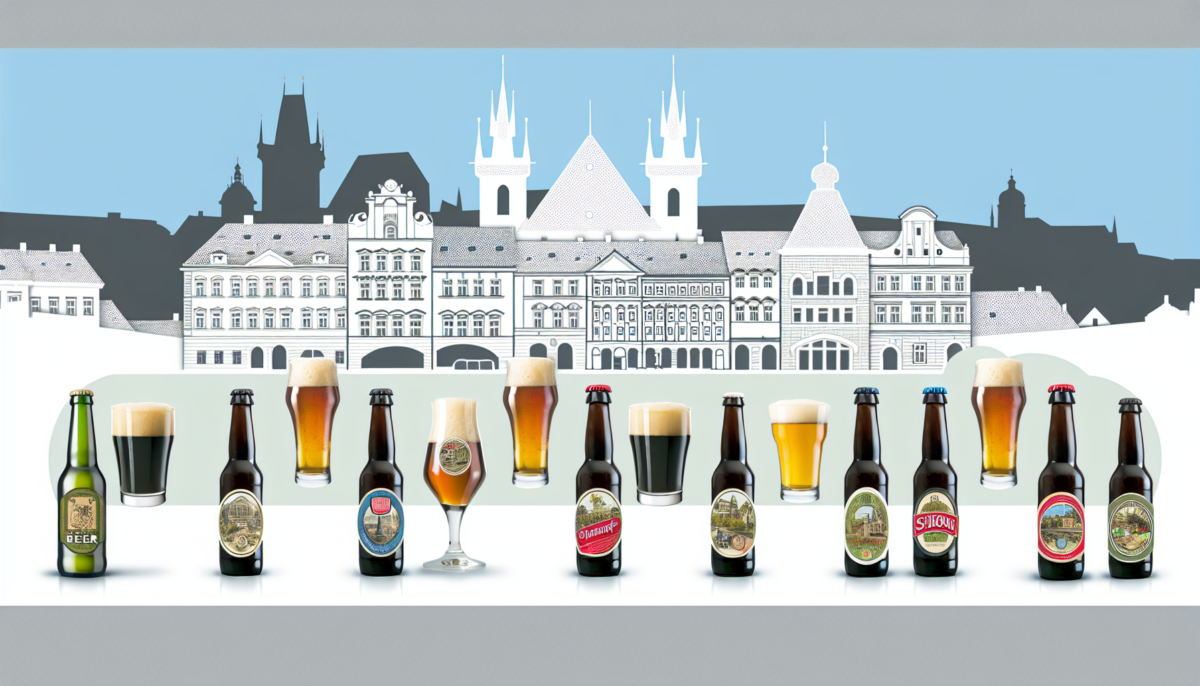
Prague Beer Culture: Best Breweries, Beer Halls & Tasting Tours
When it comes to Prague beer culture, the Czech capital isn’t just another European city with good pubs—it’s the beating heart of one of the world’s most revered brewing traditions. With Czechs consuming more beer per capita than any other nation (averaging 140 liters annually), Prague breweries and beer halls offer visitors an authentic glimpse into a centuries-old culture where beer isn’t merely a beverage, it’s a way of life.
Whether you’re a craft beer enthusiast seeking innovative microbreweries or a history buff wanting to experience traditional Czech beer in atmospheric medieval cellars, Prague’s beer scene delivers an unparalleled experience. This comprehensive guide explores the city’s legendary Prague beer halls, cutting-edge breweries, and curated tasting tours that showcase why Czech beer has earned its reputation as some of the finest in the world.
This guide is designed for beer lovers, cultural travelers, and anyone seeking to understand Prague beyond its architectural splendor through the lens of its most celebrated tradition.
Understanding Czech Beer Heritage and Tradition
Before diving into specific venues and experiences, understanding the foundations of Czech brewing culture provides essential context for your Prague beer journey.
The Pilsner Revolution: How Czech Beer Changed the World
The story of Czech beer fundamentally changed in 1842 when Bavarian brewer Josef Groll created the world’s first golden lager in the city of Plzeň (Pilsen), just 90 kilometers from Prague. This revolutionary Pilsner style—characterized by its golden color, crisp taste, and distinctive hop bitterness—became the template for approximately 70% of all beer consumed worldwide today.
Prague’s brewing heritage extends even further back, with documented brewing in the city since 993 AD. The famous Benedictine Břevnov Monastery established one of Central Europe’s oldest breweries, setting standards that influenced centuries of brewing excellence.
The Czech Approach: Quality Over Quantity Marketing
Czech brewing philosophy prioritizes traditional methods and quality ingredients. The country’s Saaz hops (Žatecký chmel) represent one of the “noble hop” varieties, prized globally for their delicate, spicy aroma. Combined with soft Bohemian water and time-honored lagering techniques, these elements create the distinctive character that defines authentic Czech lager.
The beer classification system in Czech Republic differs from international standards. Rather than measuring alcohol by volume (ABV), Czech brewers use degrees Plato (°P), which indicates the original gravity or sugar content before fermentation. A standard Czech lager typically ranges from 10-12°P, translating to approximately 4-5% ABV.
Historic Prague Beer Halls: Where Tradition Lives
Prague beer halls (pivnice in Czech) represent living museums where centuries-old traditions continue unchanged. These establishments offer more than drinks—they provide immersive cultural experiences.
U Fleků: Prague’s Oldest Operating Brewery
U Fleků stands as Prague’s oldest continuously operating brewery, established in 1499. Located in the New Town district, this sprawling complex maintains its original brewing equipment and continues producing a single beer: a 13° dark lager known for its caramel notes and slight bitterness.
The venue accommodates over 1,200 guests across eight interconnected halls, each decorated with medieval and baroque frescoes. Live brass band performances create an authentic atmosphere, though visitors should note that U Fleků caters heavily to tourists. Prices reflect this positioning, with beers costing approximately 90-120 CZK (compared to 40-60 CZK at local establishments).
Best practices for visiting: Make reservations for evening visits, arrive early to secure ground-floor seating for the full experience, and politely decline additional shots offered by servers (these incur extra charges not always clearly communicated).
U Zlatého Tygra (The Golden Tiger): Literary Legacy
This legendary pub gained international fame as the favorite haunt of Czech writer Bohumil Hrabal and the site of a historic 1994 meeting between President Václav Havel and President Bill Clinton. U Zlatého Tygra serves only Pilsner Urquell, maintaining a no-nonsense approach that epitomizes traditional Czech pub culture.
The atmosphere remains decidedly local, with regular patrons occupying reserved tables and minimal tolerance for tourist behavior. This authenticity makes it a must-visit for those seeking genuine Prague beer culture, but requires respectful conduct and basic Czech pub etiquette.
Pub etiquette essentials: Wait to be seated, order promptly when the server arrives, expect beer to be delivered automatically after finishing your current glass (place a coaster on top to signal you’re done), and always say “na zdraví” (to health) when toasting.
Lokál: Modern Take on Traditional Beer Halls
The Lokál chain represents a successful modernization of the traditional beer hall concept. Founded in 2010 by restaurateur Jindřich Chalupský, Lokál establishments serve unpasteurized Pilsner Urquell through meticulously maintained tap systems, ensuring optimal freshness and flavor.
With multiple locations across Prague (Dlouhááá, Hamburk, Palmovka), Lokál combines old-world atmosphere with contemporary service standards. The menu features classic Czech cuisine executed at higher quality levels than typical tourist-oriented restaurants, with prices remaining reasonable (beer around 45 CZK).
What makes Lokál exceptional: Staff training emphasizes proper beer service, including the Czech tradition of hladinka (foam-only pour), šnyt (cut beer with extra foam), and mlíko (milk beer with maximum foam). The tap systems are professionally cleaned and maintained, ensuring consistent quality.
Modern Prague Breweries: Craft Beer Innovation
While tradition dominates Prague’s beer landscape, a thriving craft brewing scene has emerged, offering innovative interpretations alongside classic Czech styles.
Pivovarský Dům: Experimental Brewing Pioneer
Pivovarský Dům (Brewery House) has operated since 1998 in a beautifully restored building near Charles Square. This brewery-restaurant distinguishes itself through experimental brewing, offering unusual varieties like nettle beer, coffee beer, and champagne beer alongside traditional Czech lagers.
The visible copper brewing equipment creates an engaging atmosphere, and English-speaking staff readily explain the brewing process and beer characteristics. The establishment successfully bridges traditional and modern approaches, making it accessible to international visitors while maintaining Czech brewing credibility.
Notable offerings: The dark lager (tmavé pivo) showcases classic Czech brewing at its finest, while seasonal specialties demonstrate creative brewing techniques. Tasting flights allow sampling multiple varieties without committing to full glasses.
Únětický Pivovar: Award-Winning Village Brewery
Located in the small village of Únětice, just 30 minutes from central Prague, Únětický Pivovar has achieved cult status among Czech beer enthusiasts. This small brewery produces unpasteurized, unfiltered lagers using traditional methods and local ingredients, earning recognition as one of the country’s finest craft producers.
The brewery operates a simple restaurant serving excellent Czech food at village prices, creating an authentic experience far removed from tourist areas. The 12° pale lager represents Czech brewing excellence, with complex maltiness balanced by Saaz hop character.
Practical considerations: Únětice requires planning to reach (bus 340 from Dejvická metro station), the restaurant has limited hours (weekends and Wednesday-Friday evenings), and reservations are essential. The journey rewards committed beer enthusiasts with an unmatched authentic experience.
Matuška Brewery Tap Room: New Generation Excellence
Matuška represents the new generation of Czech craft brewing, founded in 2009 by home brewer Adam Matuška. While the main brewery operates outside Prague, the central tap room in Holešovice offers the full range of Matuška beers, including innovative IPAs, imperial stouts, and barrel-aged specialties alongside traditional Czech lagers.
The brewery has earned international recognition at competitions while maintaining deep respect for Czech brewing traditions. The tap room provides a contemporary craft beer atmosphere that appeals to international visitors while attracting local beer enthusiasts.
Why it matters: Matuška demonstrates how Czech brewing culture evolves while honoring its heritage, producing both world-class traditional lagers and experimental styles that compete globally.
Navigating Prague’s Beer Neighborhoods
Understanding Prague’s geographical beer landscape helps maximize your exploration efficiency and discover neighborhood character through local pubs.
Žižkov: The Beer District
The Žižkov neighborhood claims the highest concentration of pubs per capita in Europe, with approximately 300 establishments serving a population of 50,000 residents. This working-class district maintains authentic local atmosphere with minimal tourist presence, offering the best value and most genuine Prague beer culture experiences.
Key establishments include Bukowski’s Bar (American craft beer focus), Vinohrady Pivovar (neighborhood brewery), and countless traditional hospoda (simple Czech pubs) where beer costs 30-40 CZK and locals dominate every table.
Exploration strategy: Begin at Jiřího z Poděbrad metro station and wander the surrounding streets, stopping at any pub that looks interesting. The lack of English menus and tourist amenities ensures authentic experiences but requires adventurous spirit.
Vinohrady: Upscale Beer Scene
Vinohrady offers a more refined beer experience, with gastropubs and modern beer bars serving craft selections alongside traditional Czech brews. This residential neighborhood attracts young professionals and creative types, creating a sophisticated yet relaxed atmosphere.
Pivní Rozmanitost (Beer Diversity) operates as a bottle shop and tap room with rotating selections from Czech and international craft breweries. Vinohradský Pivovar produces its own beers in a stylish brewpub setting, combining quality brewing with contemporary design.
Old Town and Lesser Town: Tourist-Friendly Options
While these central districts cater heavily to tourism, several establishments maintain quality standards worth seeking. U Medvídků (The Little Bears) has brewed beer since 1466 and operates a small brewery producing the strong X-BEER 33 (12.6% ABV). Klášterní Pivovar Strahov (Strahov Monastery Brewery) offers spectacular views from its terrace alongside traditional monastic brewing.
Common pitfall: Many Old Town establishments charge significantly inflated prices (100-150 CZK for standard beer) and employ aggressive marketing tactics. Research specific venues before entering, and avoid establishments with staff actively soliciting customers from the street.
Prague Beer Tours: Guided Tasting Experiences
Professional Prague beer tours provide structured education, access to exclusive tastings, and cultural context that enhances appreciation beyond casual pub visits.
Prague Beer Museum Tours: Variety and Volume
The Prague Beer Museum operates multiple locations offering 30+ Czech beers on tap, making it a popular starting point for beer exploration. Their guided tours combine historical context with tasting sessions covering major Czech beer styles.
The museum concept works well for first-time visitors wanting to sample diverse offerings in a single location, though beer enthusiasts note that the “museum” designation overstates the historical content. Tours last approximately 90 minutes and include 5-6 beer samples with traditional Czech snacks.
Value proposition: Convenient introduction to Czech beer diversity without navigating multiple locations, English-speaking guides provide accessible explanations, and central locations make it easy to incorporate into sightseeing itineraries.
Prague Pub Crawls: Social Beer Experience
Various operators offer evening pub crawls visiting 3-5 traditional Prague beer halls and modern craft bars. These tours emphasize social atmosphere alongside beer education, attracting younger travelers seeking combination of cultural learning and nightlife.
Quality varies significantly between operators. Premium options like Prague Beer Tour focus on smaller groups (12-15 people), knowledgeable guides with brewing expertise, and carefully selected venues balancing traditional and contemporary options. Budget pub crawls often prioritize quantity over quality and attract party-focused crowds.
Selection criteria: Look for tours limiting group size, emphasizing beer education over drinking volume, and visiting neighborhood establishments rather than exclusively tourist-oriented venues.
Private Brewery Tours: Premium Experiences
Several Prague breweries offer private or small-group tours providing behind-the-scenes access to brewing operations, extended tastings, and opportunities to meet brewers directly.
Pilsner Urquell Brewery in Plzeň offers the most comprehensive experience, with tours including underground cellars where beer ages in oak barrels, historical exhibits, and fresh beer served directly from oak casks. The 90-minute journey from Prague is worthwhile for serious beer enthusiasts.
Únětický Pivovar offers informal brewery tours by arrangement, providing intimate access to a working craft brewery. The experience lacks polished presentation but delivers authentic insights into small-scale Czech brewing.
Czech Beer Styles: What to Drink
Understanding Czech beer categories helps navigate menus and order confidently in establishments with limited English communication.
Světlé Pivo (Pale Lager): The Classic
Světlé (pronounced “svet-leh”) refers to pale or golden lagers, representing the iconic Czech beer style. Most světlé beers range from 10-12°P, delivering balanced maltiness, moderate hop bitterness, and crisp finish.
Pilsner Urquell remains the gold standard, though many beer enthusiasts prefer smaller producers like Kout na Šumavě or Únětický for superior freshness and flavor complexity. When ordering, simply request “světlé, prosím” (pale beer, please) to receive the house lager.
Tmavé Pivo (Dark Lager): Underappreciated Excellence
Tmavé (pronounced “tma-veh”) dark lagers showcase Czech brewing versatility, offering rich malt character with notes of caramel, coffee, and chocolate while maintaining the clean, crisp finish characteristic of lager fermentation.
Unlike heavy stouts, Czech dark lagers remain highly drinkable with moderate alcohol content (typically 10-13°P). Kozel Černý represents the widely available commercial example, while craft producers like Matuška create exceptional interpretations.
Řezané (Cut Beer): Local Specialty
Řezané (pronounced “rzhe-zah-neh”) combines světlé and tmavé beers in a single glass, creating a visually striking layered effect. This traditional Czech drink offers balanced flavor complexity and represents the type of local knowledge that impresses Czech beer enthusiasts.
Order by requesting “řezané, prosím” to receive approximately 60% pale lager topped with 40% dark lager, poured skillfully to maintain distinct layers.
Special and Seasonal Offerings
Speciální beers exceed 13°P strength, offering more robust flavors and higher alcohol content. Ležák indicates beer lagered for extended periods (typically 90+ days), resulting in exceptionally smooth character.
Many breweries produce seasonal specialties: Vánoční (Christmas beer) features stronger alcohol and spice notes, while Jarní (spring beer) offers lighter, more refreshing characteristics.
Practical Tips for Prague Beer Enthusiasts
Maximizing your Prague beer experience requires understanding local customs, logistics, and insider knowledge that guidebooks often overlook.
Beer Ordering and Service Etiquette
Czech pub culture operates on unwritten rules that, when understood, create seamless experiences and earn respect from servers and locals.
Key practices:
– Servers mark beer consumption on a small paper slip at your table—never remove this, as it serves as your bill
– Fresh beer arrives automatically unless you signal completion by placing a coaster on your glass
– Tipping is expected but modest (round up or add 10-20 CZK per person)
– Servers may appear brusque—this reflects efficiency rather than rudeness
– Eye contact signals you’re ready to order; servers won’t interrupt conversations
Common mistakes to avoid: Don’t wave or call out to servers, never split bills item-by-item (divide total amount among your group), and don’t expect frequent check-ins or extensive menu explanations.
Optimal Times for Beer Hall Visits
Timing significantly impacts your experience at popular Prague beer halls and breweries.
Weekday lunches (11:30 AM – 1:30 PM) attract local workers, creating authentic atmosphere with faster service and guaranteed seating at most establishments. Many pubs offer lunch specials (polední menu) combining soup, main course, and beer at value prices.
Weekend evenings require reservations at popular venues, particularly Friday and Saturday after 6:00 PM. Tourist-oriented establishments stay busy year-round, while local pubs experience seasonal variation with summer being quietest (Czechs vacation) and winter being busiest.
Late afternoon (3:00 PM – 5:00 PM) offers the sweet spot at many venues—post-lunch crowd has departed, evening rush hasn’t begun, and you can secure prime seating while enjoying unhurried service.
Transportation and Safety Considerations
Prague’s excellent public transportation system operates until midnight, with night trams and buses continuing until regular service resumes around 5:00 AM. The metro system connects major beer neighborhoods efficiently, though some craft breweries require bus connections.
Safety note: Prague is exceptionally safe by international standards, with beer-related crime limited to tourist-targeting scams in Old Town. Standard precautions apply—watch your belongings in crowded establishments, use reputable taxi services (Uber, Bolt) or public transportation, and verify prices before ordering at unfamiliar venues.
Budgeting: Local pubs charge 35-55 CZK per beer, tourist-oriented beer halls charge 80-120 CZK, and craft beer venues charge 60-90 CZK. Daily beer budgets of 500-800 CZK (approximately $22-35 USD) allow comfortable exploration including food.
Language and Communication
While many Prague establishments employ English-speaking staff, learning basic Czech beer vocabulary enhances experiences, particularly in neighborhood pubs.
Essential phrases:
– “Pivo, prosím” (beer, please) – Standard beer order
– “Ještě jedno” (one more) – Order another round
– “Kolik to stojí?” (how much does it cost?) – Price inquiry
– “Účet, prosím” (bill, please) – Request check
– “Na zdraví” (to health) – Cheers/toast
– “Dobrou chuť” (good appetite) – Said before eating/drinking
Effort to use Czech phrases, even imperfectly, earns appreciation from servers and locals, creating more positive interactions throughout your beer journey.
Seasonal Considerations for Beer Tourism
Prague’s beer culture shifts with seasons, affecting optimal timing for visits and available experiences.
Summer Beer Gardens (May-September)
Prague’s beer gardens (pivní zahrádky) transform the city’s beer scene during warm months, offering outdoor drinking experiences in parks, castle grounds, and riverside settings.
Letná Beer Garden provides stunning views over the Vltava River and Old Town from Letná Park, serving Staropramen at reasonable prices in a relaxed atmosphere perfect for sunset sessions. Riegrovy Sady beer garden attracts younger crowds to Vinohrady’s largest park, while Vyšehrad fortress offers historical atmosphere with multiple beer garden options.
Planning tip: Beer gardens open weather-dependent (typically when temperatures consistently exceed 15°C/59°F) and close at sunset or 10:00 PM due to residential noise regulations.
Winter Beer Hall Atmosphere (October-April)
Cold weather drives locals into cozy Prague beer halls, creating peak atmospheric conditions for experiencing traditional pub culture. Wood-paneled interiors, hearty Czech cuisine, and the warmth of crowded rooms deliver authentic winter beer experiences.
Seasonal beers emerge during this period, with Christmas brews appearing in late November and strong “warming” beers throughout winter months. Many breweries host special events and tastings during this season.
Festival Opportunities
Czech Beer Festival (May) represents Central Europe’s largest beer festival, featuring 70+ Czech breweries and 400+ beers in Prague’s Exhibition Grounds. The 17-day event attracts serious beer enthusiasts alongside casual drinkers, offering comprehensive exposure to Czech brewing diversity.
Žižkov Beer Festival (September) provides a neighborhood-focused alternative, celebrating the district’s pub culture with local breweries, live music, and community atmosphere.
Beyond Prague: Day Trip Brewery Destinations
Several world-class breweries within day-trip distance complement your Prague beer exploration.
Pilsner Urquell Brewery (Plzeň)
The birthplace of pilsner lager offers comprehensive tours showcasing brewing history, traditional production methods, and underground cellars dating to the 19th century. The experience culminates with unfiltered, unpasteurized Pilsner Urquell served fresh from oak barrels—a revelation for those familiar only with exported versions.
Logistics: Direct trains depart Prague’s Main Station hourly (90-minute journey, 150-200 CZK). Tours must be booked in advance through the brewery website, with English tours offered multiple times daily.
Krušovice Brewery
The Royal Brewery of Krušovice dates to 1517 and produces one of Czech Republic’s most popular beer brands. Tours provide insights into large-scale Czech brewing and include the picturesque brewery grounds in the small town of Krušovice.
Best combined with: Visits to nearby Karlštejn Castle create a full-day excursion mixing Czech history, architecture, and brewing culture.
Velkopopovický Kozel Brewery
Kozel Brewery in Velké Popovice produces the popular Kozel brand (identifiable by the goat logo) and offers engaging tours featuring the brewery museum, production facilities, and extensive tastings. The brewery’s proximity to Prague (45 minutes) and family-friendly approach make it accessible for casual visitors.
Conclusion: Crafting Your Prague Beer Journey
Prague beer culture offers layers of experience from casual pub visits to deep dives into brewing heritage. Whether sampling Czech beer in a centuries-old hall where literary legends debated philosophy, exploring innovative Prague breweries pushing craft boundaries, or simply enjoying a perfectly poured Pilsner Urquell in a neighborhood hospoda, each experience connects you to a living tradition that defines Czech identity.
The key to maximizing your beer journey lies in balancing planned visits to iconic venues with spontaneous exploration of neighborhood establishments. Tourist-friendly beer halls provide accessibility and historical context, while local pubs deliver authentic immersion in Czech beer culture. Modern craft breweries demonstrate how tradition evolves without losing essential character.
Your action plan:
- Start with context: Visit Pilsner Urquell Brewery or take a guided beer tour to establish foundational knowledge
- Experience tradition: Schedule visits to U Fleků, U Zlatého Tygra, or similar historic beer halls
- Explore neighborhoods: Dedicate an afternoon to wandering Žižkov or Vinohrady, stopping at pubs that intrigue you
- Taste innovation: Visit at least one modern craft brewery like Matuška or Únětický
- Go local: End your journey in a neighborhood hospoda where tourists rarely venture
Prague’s beer scene rewards curiosity, respect for tradition, and willingness to venture beyond comfortable tourist zones. Whether you’re a dedicated beer enthusiast or casual drinker curious about Czech culture, the city’s breweries, beer halls, and pubs offer experiences that transcend simple drinking—they provide windows into a culture where beer represents art, history, and community in equal measure.
Na zdraví! (To your health!)