
Kategoriler
** Travel Guides Accommodation Destinations

Best Prague Neighborhoods: Where to Stay for Every Type of Traveler

Best Prague Neighborhoods: Where to Stay for Every Type of Traveler

Choosing where to stay in Prague can make or break your experience in this enchanting Central European capital. With its fairy-tale architecture, rich history, and vibrant culture, Prague attracts millions of visitors annually—but not all Prague neighborhoods offer the same experience. Understanding the distinct character of Prague districts is essential for matching your accommodation to your travel style, budget, and interests.

This comprehensive guide breaks down the best areas in Prague, examining each neighborhood’s unique advantages, transportation links, dining scenes, and suitability for different traveler types. Whether you’re a budget backpacker, luxury traveler, culture enthusiast, or nightlife seeker, you’ll discover exactly where to stay in Prague to maximize your visit.

Understanding Prague’s Geographic Layout

Before diving into specific neighborhoods, it’s crucial to understand Prague’s organizational structure. The city is divided into numbered districts (Prague 1 through Prague 22), with Prague 1 encompassing the historic center and most tourist attractions. However, postal districts don’t always align with the traditional neighborhood boundaries that locals use.

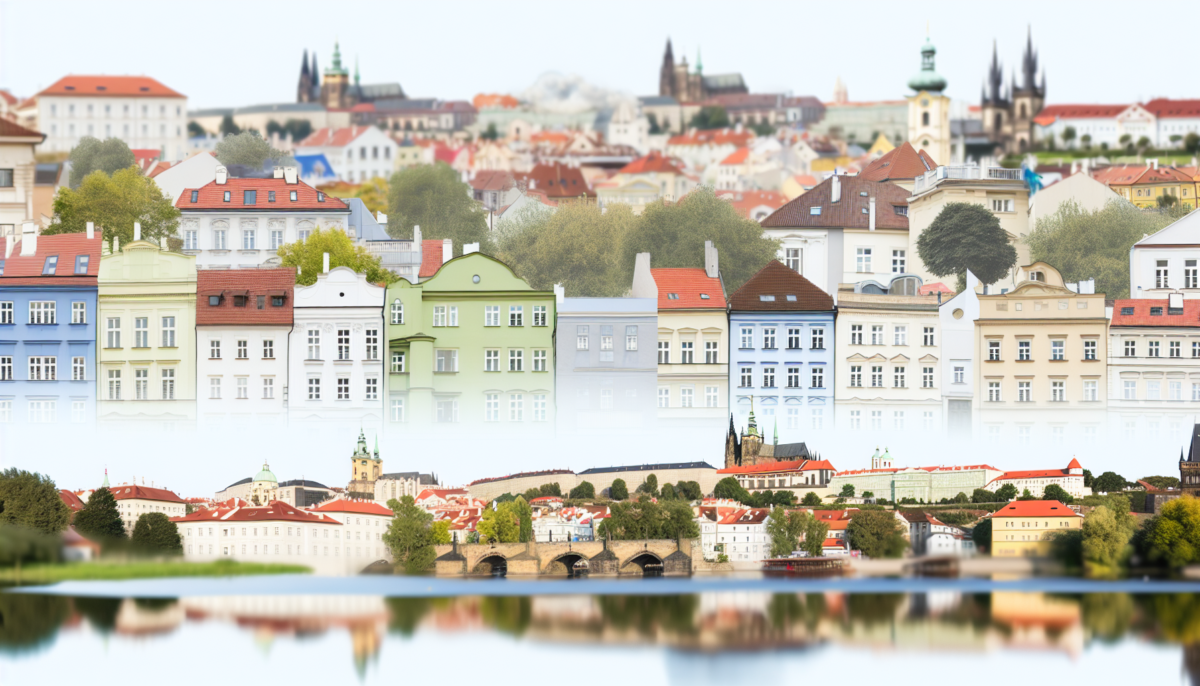
The Vltava River bisects the city, with most major attractions concentrated on both banks within the central districts. The Old Town (Staré Město), Lesser Town (Malá Strana), New Town (Nové Město), and Castle District (Hradčany) form the historical core, while surrounding neighborhoods like Vinohrady, Žižkov, and Holešovice offer more residential atmospheres with their own distinct personalities.

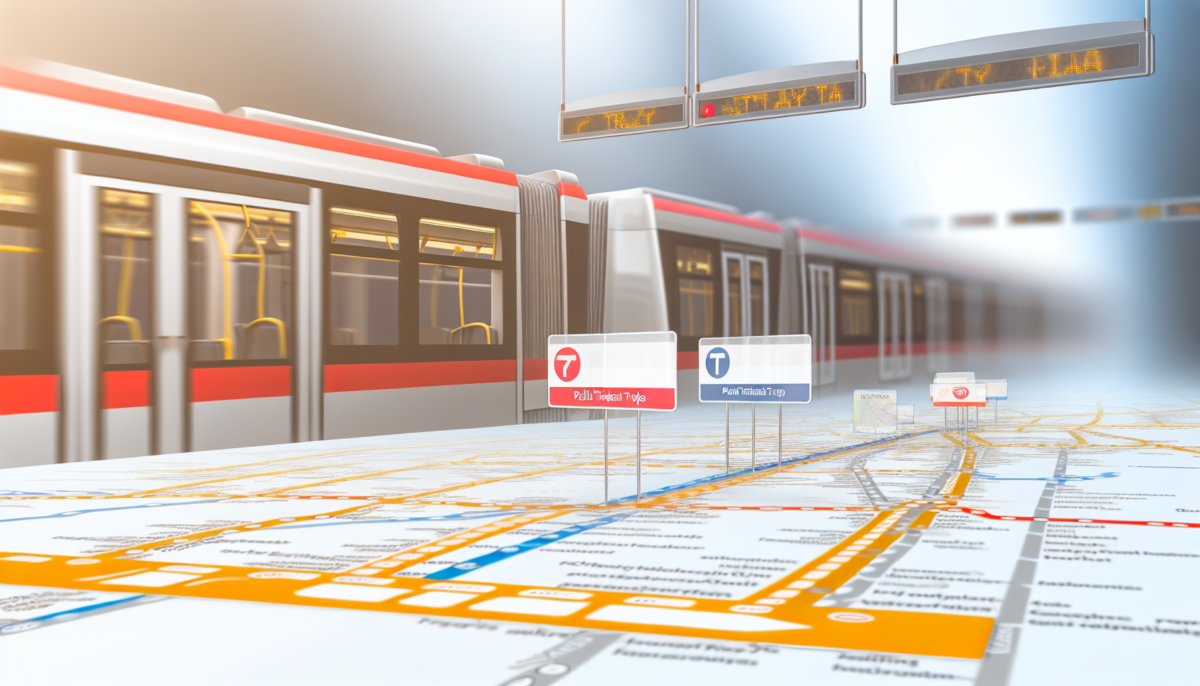
Prague’s efficient public transportation system—comprising metro lines, trams, and buses—means staying slightly outside the center doesn’t isolate you from attractions. This connectivity opens up excellent value propositions in neighborhoods just beyond the tourist epicenter.

Old Town (Staré Město): The Historic Heart

Best For: First-Time Visitors and History Enthusiasts

Old Town represents Prague’s beating historical heart and consistently ranks among the top Prague neighborhoods for tourists. This area encompasses the famous Astronomical Clock, Old Town Square, and the labyrinthine medieval streets that define Prague’s postcard image.

Key Advantages:

  • Walking distance to virtually all major attractions
  • Immediate access to Charles Bridge and Prague Castle
  • Countless restaurants, cafes, and shops
  • Architectural marvels around every corner
  • Metro stations at Můstek, Staroměstská, and Náměstí Republiky

Considerations:

Despite its undeniable appeal, Old Town comes with trade-offs. Accommodation prices here rank among the city’s highest, with hotels often commanding €150-€400 per night during peak season. The constant tourist traffic means streets stay crowded from morning until late evening, and many restaurants cater primarily to visitors with inflated prices and variable quality.

Street noise can be significant, particularly around Old Town Square and along major thoroughfares. Light sleepers should request rooms facing interior courtyards. Additionally, the concentration of tourist-oriented businesses means you’ll find fewer authentic local experiences compared to residential neighborhoods.

Recommended Accommodation Areas Within Old Town

The streets surrounding Pařížská Street offer luxury shopping and upscale hotels in Prague’s former Jewish Quarter (Josefov). For more intimate experiences, seek accommodations along the quieter lanes between Old Town Square and the river, where boutique hotels occupy beautifully restored medieval buildings.

Budget travelers can occasionally find hostels in Old Town, though value is generally better in adjacent neighborhoods. Book well in advance for this Prague district, as prime locations fill quickly year-round.

Lesser Town (Malá Strana): Baroque Elegance

Best For: Romantic Getaways and Culture Seekers

Nestled beneath Prague Castle on the west bank of the Vltava, Lesser Town offers a more intimate alternative to Old Town while maintaining proximity to major attractions. This Prague neighborhood showcases baroque architecture, hidden gardens, and cobblestone streets with considerably fewer crowds than the opposite riverbank.

Distinctive Features:

  • Direct access to Prague Castle and gardens
  • Charming streets with artisan shops and galleries
  • Romantic ambiance, especially after sunset
  • Excellent traditional Czech restaurants
  • Tram connections throughout the city

The area surrounding Kampa Island and Certovka (Devil’s Channel) provides particularly scenic settings, with waterside restaurants and peaceful parks. The climb to Prague Castle, while manageable, involves steep inclines that may challenge those with mobility limitations.

Accommodation Strategy for Lesser Town

Mid-range hotels and apartments dominate this area, with prices typically 15-20% lower than equivalent Old Town properties. The neighborhood’s residential character means better restaurant value and more authentic dining experiences. However, nightlife options are limited compared to livelier districts.

For optimal experience, stay within a five-minute walk of Malostranská metro station, ensuring easy access to other neighborhoods while maintaining Lesser Town’s tranquil atmosphere. The area’s narrow streets and limited parking make this one of the best Prague neighborhoods for car-free exploration.

New Town (Nové Město): The Best Value Proposition

Best For: Budget-Conscious Travelers and Business Visitors

Despite its name (dating to 1348), New Town offers a perfect balance of accessibility, affordability, and local authenticity. This expansive Prague district extends from Wenceslas Square southward and eastward, encompassing commercial zones, residential blocks, and excellent transportation connections.

Strategic Advantages:

  • Accommodation costs 30-50% lower than Old Town
  • Superior restaurant value with local pricing
  • Major metro lines (A, B, and C) intersect here
  • Mix of business hotels and budget options
  • Walking distance to Old Town’s southern edge

Wenceslas Square, while historically significant, functions more as a commercial boulevard than tourist attraction. The real value emerges in the blocks surrounding Karlovo náměstí (Charles Square) and along Národní třída, where you’ll find authentic neighborhood cafes, grocery stores, and services catering to residents rather than tourists.

Navigating New Town’s Subdivisions

When searching for accommodations in this area, focus on proximity to metro stations. Properties near Můstek, Muzeum, Karlovo náměstí, or Národní třída stations offer optimal convenience. The neighborhood’s southern reaches, while more affordable, require longer commutes to major attractions.

New Town provides excellent access to the National Theatre, Dancing House, and riverfront promenades. The area’s business-oriented infrastructure means reliable Wi-Fi, modern amenities, and international hotel chains alongside local boutique properties.

Vinohrady: The Local Favorite

Best For: Foodies, LGBTQ+ Travelers, and Those Seeking Authentic Experiences

Vinohrady consistently tops lists of best Prague neighborhoods for residents, and savvy travelers increasingly recognize its appeal. This elegant residential district in Prague 2 offers tree-lined streets, art nouveau architecture, and Prague’s most dynamic dining scene.

Neighborhood Highlights:

  • Exceptional restaurant diversity and quality
  • Vibrant cafe culture and specialty coffee shops
  • Parks including Riegrovy sady with panoramic city views
  • LGBTQ+-friendly atmosphere with welcoming venues
  • Metro stations: Náměstí Míru, Jiřího z Poděbrad, Flora

The central square, Náměstí Míru, features the neo-Gothic Church of St. Ludmila and serves as the neighborhood’s social hub. Surrounding streets host farmers’ markets, independent boutiques, and some of Prague’s finest restaurants at prices significantly below tourist-area equivalents.

Why Vinohrady Offers Superior Value

Accommodation in Vinohrady typically costs 40-60% less than Old Town for comparable quality. The 10-15 minute metro ride to city center attractions seems negligible when weighed against the superior local experience and dining options. Many properties here occupy converted apartment buildings, offering more space and kitchen facilities than similarly priced hotel rooms in central districts.

Riegrovy sady park provides stunning sunset views over Prague’s spires, with beer gardens that attract locals rather than tour groups. The neighborhood’s residential character means quieter evenings while remaining safe and well-lit throughout the night.

Žižkov: The Alternative Edge

Best For: Budget Travelers, Nightlife Enthusiasts, and Alternative Culture Seekers

Directly east of Vinohrady, Žižkov represents Prague’s grittier, more bohemian side. This working-class neighborhood has gentrified gradually while retaining its alternative character, offering the city’s best nightlife, affordable accommodations, and unpretentious local atmosphere.

Defining Characteristics:

  • Highest concentration of pubs and bars per capita in Europe
  • Budget hostels and affordable hotels
  • Žižkov Television Tower with observation deck
  • Authentic working-class Czech atmosphere
  • Metro access via Jiřího z Poděbrad and Flora stations

The neighborhood centers on Náměstí Jiřího z Poděbrad at its western edge (technically Vinohrady) and extends eastward into increasingly residential areas. The famous Žižkov pub scene attracts locals and expats, with dive bars, craft beer venues, and late-night spots creating a vibrant after-dark culture.

Strategic Considerations for Žižkov

While offering excellent value, Žižkov requires realistic expectations. Some areas appear run-down, with graffiti and less polished streetscapes than central districts. However, safety remains high throughout the neighborhood, and its authentic character appeals to travelers seeking genuine local experiences over sanitized tourist zones.

Stay near the Vinohrady border for optimal balance between Žižkov’s affordability and Vinohrady’s polish. Properties within 10 minutes of Jiřího z Poděbrad station provide easy access to both neighborhoods’ advantages.

Holešovice and Letná: The Creative Quarter

Best For: Families, Art Lovers, and Travelers Seeking Space

North of the city center, Holešovice has transformed from industrial district to creative hub, now ranking among the best Prague neighborhoods for contemporary culture. Combined with adjacent Letná, this area offers spacious parks, modern art venues, and family-friendly attractions.

Notable Features:

  • DOX Centre for Contemporary Art and National Gallery exhibitions
  • Letná Park with beer gardens and panoramic views
  • Farmers’ markets at Náplavka and Holešovice Market
  • Metro connections at Vltavská and Nádraží Holešovice
  • Riverside cycling and walking paths

The neighborhood’s industrial heritage provides large apartments and hotel rooms at competitive prices. Families particularly appreciate the proximity to Prague Zoo (accessible via tram) and the extensive park systems offering playgrounds and open spaces.

Accessing Central Attractions from Holešovice

Metro Line C connects Holešovice directly to the city center in approximately 10 minutes. Trams provide alternative routes, including scenic rides across the Vltava. The neighborhood’s position north of the river means fewer tourists while maintaining reasonable proximity to major attractions.

Letná Park serves as the area’s crown jewel, offering locals’ favorite beer gardens, skateparks, and the iconic metronome where Stalin’s monument once stood. Sunset views from Letná rival any in Prague, without the crowds found at more famous viewpoints.

Smíchov: The Practical Choice

Best For: Budget Travelers, Families, and Shopping Enthusiasts

On the west bank south of Lesser Town, Smíchov combines residential neighborhoods with commercial development, offering practical accommodations and excellent transportation links. While lacking historical charm, this Prague district provides value and convenience for pragmatic travelers.

Key Amenities:

  • Nový Smíchov shopping center with international brands
  • Metro station (Anděl) on Line B
  • Numerous tram connections
  • Affordable restaurants and supermarkets
  • Mix of business hotels and budget options

The area around Anděl metro station has developed significantly, with modern hotels, multiplexes, and dining options. While the architecture won’t inspire Instagram posts, the functionality and value proposition appeal to travelers prioritizing practicality over atmosphere.

When Smíchov Makes Sense

Families and longer-term visitors benefit from Smíchov’s apartment rentals, which offer full kitchens and more space than central hotels at fraction of the cost. The shopping center provides familiar international stores and services, useful for travelers requiring specific products or preferring recognizable brands.

Business travelers find Smíchov’s modern hotels and conference facilities convenient, particularly when visiting companies located in Prague’s western districts. The 15-minute metro ride to Old Town remains manageable for tourist activities while providing separation from tourist crowds during downtime.

Common Pitfalls When Choosing Prague Neighborhoods

Understanding mistakes other travelers make helps you avoid similar issues when selecting where to stay in Prague.

Overvaluing Proximity to Prague Castle: While impressive, the Castle complex doesn’t require staying nearby. Excellent public transportation means any central neighborhood provides easy access. Overpaying for Castle-adjacent accommodations rarely justifies the premium, especially since most travelers visit the Castle once during their stay.

Ignoring Noise Factors: Central Prague districts experience significant nighttime noise from bars, clubs, and stag parties. Read reviews specifically mentioning noise levels, and don’t hesitate to request quiet rooms or properties on less-trafficked streets.

Booking Too Far from Metro Stations: Prague’s excellent public transportation becomes less convenient when your accommodation sits 15+ minutes from the nearest metro or tram stop. Prioritize properties within a 5-10 minute walk of stations, particularly during winter months when walking becomes less pleasant.

Falling for “Prague 1” Marketing: Not all addresses within Prague 1 offer equal access or appeal. Verify specific neighborhood and proximity to attractions rather than relying solely on postal district numbers.

Overlooking Residential Neighborhoods: Many travelers default to tourist-heavy areas, missing the superior value and authentic experiences available in residential districts like Vinohrady and Žižkov. These neighborhoods offer better dining, lower costs, and genuine local atmosphere while remaining easily accessible to attractions.

Transportation Considerations Across Districts

Prague’s integrated public transportation system connects all recommended neighborhoods efficiently. Understanding the network helps inform accommodation decisions.

The metro system comprises three lines (A-green, B-yellow, C-red) intersecting at key transfer points. Line A serves Malá Strana, Hradčany, and runs through Vinohrady. Line B connects Smíchov and Anděl to New Town. Line C reaches Holešovice and northern districts.

Tram network provides comprehensive coverage, particularly valuable for areas between metro stations. Night trams (numbered 51-59) operate after metro closure, ensuring late-night mobility across all districts.

A single 24-hour pass costs approximately 120 CZK (€5), providing unlimited travel across all zones and transport types. For stays of three or more days, multi-day passes offer better value than individual tickets.

Most recommended Prague neighborhoods sit within Zone P, the central fare zone. Only trips to the airport or distant suburbs require additional zones. The system operates on an honor basis with random inspections, but purchasing valid tickets remains both legally required and ethically appropriate.

Seasonal Considerations for Neighborhood Selection

Prague’s neighborhoods experience varying appeal across seasons, influencing optimal accommodation choices.

Summer (June-August): Peak season brings maximum crowds to Old Town and Lesser Town. Consider Vinohrady or Holešovice for better value and local atmosphere. Parks in Letná and Riegrovy sady provide pleasant evening gathering spots, making neighborhoods with park access particularly appealing.

Christmas Season (Late November-December): Christmas markets transform Old Town Square and Wenceslas Square into magical winter wonderlands. Staying in Old Town or New Town maximizes market access, though prices spike accordingly. Book months in advance for this period.

Spring and Fall (April-May, September-October): Shoulder seasons offer ideal conditions across all districts. Moderate weather makes walking pleasant, crowds thin considerably, and prices drop 20-40% from peak season. Any recommended neighborhood works well during these months.

Winter (January-March): Cold weather increases the value of central locations, reducing walking requirements. However, winter offers the year’s best hotel deals across all Prague districts. Properties with good heating and proximity to metro stations become priorities.

Budget Breakdown by Neighborhood

Understanding typical accommodation costs helps match neighborhoods to financial constraints:

Luxury (€200+ per night):
– Old Town boutique hotels: €250-€400
– Lesser Town romantic properties: €200-€350
– Vinohrady upscale apartments: €180-€280

Mid-Range (€80-€200 per night):
– New Town business hotels: €90-€150
– Vinohrady apartment rentals: €80-€140
– Holešovice modern hotels: €85-€130
– Lesser Town standard properties: €120-€180

Budget (Under €80 per night):
– Žižkov hostels and budget hotels: €25-€70
– Smíchov practical accommodations: €50-€80
– New Town outer areas: €60-€90
– Vinohrady outer reaches: €65-€85

These ranges reflect average prices during shoulder season. Peak summer and Christmas periods see increases of 30-50%, while deep winter can offer discounts of 20-40%.

Making Your Final Decision: A Framework

Selecting among Prague neighborhoods requires balancing multiple factors against your specific priorities. Use this decision framework:

Step 1: Define Your Non-Negotiables
List absolute requirements (budget ceiling, proximity to specific attractions, mobility considerations, noise tolerance).

Step 2: Prioritize Your Travel Style
Rank importance of: historical atmosphere, local authenticity, nightlife access, dining quality, family-friendliness, and budget value.

Step 3: Match Neighborhoods to Priorities
Compare your ranked priorities against neighborhood strengths outlined above.

Step 4: Verify Specific Properties
Once you’ve identified 2-3 optimal neighborhoods, research specific accommodations within those areas. Location within a neighborhood matters as much as neighborhood selection itself.

Step 5: Check Transportation Links
Confirm metro/tram proximity and routes to your anticipated activities and attractions.

Conclusion: Your Perfect Prague Neighborhood Awaits

Selecting where to stay in Prague fundamentally shapes your experience in this magnificent city. While Old Town’s historical charm attracts first-time visitors, countless alternatives across Prague districts offer superior value, authentic experiences, and distinctive advantages for different traveler types.

First-time visitors prioritizing convenience and willing to pay premium prices will find Old Town and Lesser Town deliver on expectations. Budget-conscious travelers discover exceptional value in Vinohrady, Žižkov, and New Town without sacrificing accessibility. Families benefit from Holešovice’s spacious accommodations and parks, while nightlife enthusiasts thrive in Žižkov’s bar-dense streets.

The beauty of Prague’s compact geography and excellent public transportation means no choice eliminates access to the city’s treasures. Any of the recommended Prague neighborhoods provides a viable base for exploration, with trade-offs between cost, character, and convenience rather than absolute advantages or disadvantages.

Research specific properties within your chosen neighborhood, read recent reviews, verify transportation connections, and book well in advance for peak periods. With proper planning and the insights provided in this guide, you’ll select the perfect Prague neighborhood to match your travel style, ensuring memorable experiences in one of Europe’s most enchanting capitals.

Ready to book your Prague accommodation? Start by shortlisting neighborhoods matching your top three priorities, then search for properties within 10 minutes of major metro stations in those areas. Your perfect Prague base awaits discovery.

Kategoriler
** Travel Guides Europe Transportation

Prague Public Transportation Guide: Mastering Trams, Metro & Buses Like a Local

Prague Public Transportation Guide: Mastering Trams, Metro & Buses Like a Local

Prague’s reputation as one of Europe’s most accessible cities isn’t just about its compact historic center—it’s about having one of the continent’s most efficient and affordable public transportation networks. Whether you’re planning a weekend getaway or an extended stay, understanding the Prague public transportation system is your key to exploring this enchanting city like a resident rather than a tourist.

The Czech capital’s integrated transport system connects every corner of the city through an extensive network of metro lines, tram routes, and bus services. With over 142 kilometers of tram tracks, three metro lines, and hundreds of bus routes, Prague moves more than 1.2 billion passengers annually. This comprehensive Prague metro guide will equip you with everything you need to navigate the system confidently, save money, and avoid the common mistakes that plague first-time visitors.

In this guide, you’ll discover how to purchase the right tickets, decode the route maps, utilize mobile apps for real-time updates, and implement insider strategies that locals use daily. By the end, you’ll understand why Prague’s public transport regularly ranks among Europe’s best—and how to leverage it for an unforgettable visit.

Understanding Prague’s Integrated Transport System

Prague’s public transportation operates under a unified system managed by Dopravní podnik hlavního města Prahy (DPP), the Prague Public Transit Company. This integration means one ticket works across all modes of transport, making your journey seamless whether you’re switching from metro to tram or bus.

The Three Pillars of Prague Transport

The system comprises three primary components that work in harmony:

Metro: The backbone of Prague’s transport network features three lines (A-green, B-yellow, C-red) serving 61 stations. The metro operates from approximately 5:00 AM until midnight, with trains arriving every 2-3 minutes during peak hours and 4-10 minutes during off-peak times.

Trams: Often called the soul of Prague, the Prague tram system includes 26 daytime routes and 9 night tram lines that run after the metro closes. With over 900 tram cars and 518 kilometers of track, trams reach areas the metro doesn’t cover, particularly in residential neighborhoods and historic districts.

Buses: Complementing the metro and trams, Prague’s bus network consists of 190 routes connecting suburban areas, residential zones, and locations not serviced by rail. Buses are essential for reaching Prague Airport and outlying attractions.

Coverage and Connectivity

The integrated network divides Prague into multiple fare zones, though tourists typically remain within Zone P (central Prague), which encompasses all major attractions. The system extends into the broader Prague region with zones 0, B, and beyond for suburban travel.

Key transfer points like Muzeum, Můstek, and Florenc stations allow smooth transitions between lines, often requiring just a short walk through underground passages. This connectivity design ensures you can reach any destination with minimal transfers—rarely more than one or two connections.

Decoding Prague Transport Tickets: Types and Pricing

Understanding the ticket structure is crucial for both convenience and budget management. Prague offers various Prague transport tickets designed for different travel patterns, from single rides to extended passes.

Short-Term Ticket Options

30-Minute Basic Ticket (30 Kč / ~$1.30): Allows unlimited transfers within 30 minutes of validation. This option works for short, direct journeys but doesn’t provide much flexibility for sightseeing stops.

90-Minute Transfer Ticket (40 Kč / ~$1.75): The most popular choice for tourists, this ticket permits unlimited transfers across all transport modes for 90 minutes. Perfect for journeys requiring multiple connections or when you want to hop off briefly to take photos.

24-Hour Pass (120 Kč / ~$5.20): Unlimited travel for 24 hours from first validation. This ticket pays for itself after just three 90-minute journeys, making it ideal for active sightseers.

Multi-Day Tourist Passes

72-Hour Pass (330 Kč / ~$14.30): Offers three full days of unlimited travel, providing excellent value for weekend visitors. This works out to roughly 110 Kč per day—less than the 24-hour pass.

30-Day Pass (550 Kč / ~$24): Designed for residents but useful for digital nomads or extended stays. This pass requires a Lítačka card (Prague’s transit card) and offers the best per-day value.

Special Considerations

Children under 6 travel free, while those aged 6-15 and seniors over 65 receive significant discounts (approximately 50% off regular fares). Students with valid ISIC cards also qualify for reduced rates.

Pro Tip: The Prague Visitor Oyster Card, available at tourist information centers, combines transport passes with discounts at museums and restaurants, potentially saving you 20-30% on overall costs.

How to Purchase and Validate Your Tickets

Ticket procurement in Prague offers multiple channels, each with distinct advantages and potential pitfalls.

Purchase Methods

Yellow Ticket Machines: Located at every metro station and major tram stops, these automated kiosks accept coins, bills, and contactless cards. The interface offers English language options, making transactions straightforward. However, older machines may only accept coins, so keep small change handy.

PID Lítačka Mobile App: The official app allows digital ticket purchases directly to your smartphone. Tickets activate with a single tap, eliminating validation concerns. The app also provides journey planning, real-time departures, and service disruptions—making it the most convenient option for tech-savvy travelers.

Newsagents and Convenience Stores: Shops displaying the DPP logo sell physical tickets, often with extended hours compared to ticket offices. This option works well for cash-only travelers or those preferring paper tickets.

Ticket Offices: Staffed counters at major metro stations (Muzeum, Můstek, Anděl) offer personalized assistance, helpful for complex inquiries or purchasing specialized passes.

The Critical Validation Process

Here’s where many tourists stumble: Prague transport tickets must be validated immediately upon boarding or entering the metro. Yellow validation machines are located:

  • Inside trams and buses (near the doors)
  • At metro station entrances (before escalators)
  • On platforms at surface-level stations

Insert your ticket arrow-first into the validator until you hear a distinct “click” and see a timestamp printed. This timestamp marks the beginning of your ticket’s validity period. Digital tickets from the Lítačka app auto-activate when you tap “Use ticket,” displaying a countdown timer.

Common Mistake to Avoid: Never assume your ticket is valid without validation. Inspectors conduct regular checks and issue on-the-spot fines of 1,000 Kč (~$43) for invalid tickets, with no exceptions for tourists claiming ignorance.

Navigating the Prague Metro System

The Prague metro guide begins with understanding that Prague’s underground network, while smaller than systems in London or Paris, operates with impressive efficiency and cleanliness.

The Three Metro Lines Explained

Line A (Green): Runs east-west from Depo Hostivař to Nemocnice Motol, serving 17 stations. Key tourist stops include Malostranská (for Prague Castle), Staroměstská (Old Town), and Muzeum (National Museum, Wenceslas Square).

Line B (Yellow): Extends northeast-southwest with 24 stations from Černý Most to Zličín. Essential stops include Můstek (connecting to Line A), Národní třída (National Theatre), and Anděl (shopping district).

Line C (Red): The longest line runs north-south with 20 stations from Letňany to Háje. Notable stops include Hlavní nádraží (Main Train Station), Florenc (bus terminal), and I.P. Pavlova (near Vinohrady district).

Metro Operating Patterns

Trains operate with clockwork precision, following these patterns:

  • Peak Hours (6:00-9:00 AM, 3:00-7:00 PM): Trains every 2-3 minutes
  • Standard Hours: Trains every 4-7 minutes
  • Late Evening: Trains every 10 minutes
  • Service Suspension: Midnight to 5:00 AM (night trams substitute)

Digital displays at platforms show wait times in real-time, typically accurate within 30 seconds. The metro rarely experiences delays, though weekend maintenance occasionally closes sections—always check the DPP website for planned disruptions.

Transfer Stations and Connections

Three stations serve as major transfer hubs:

Muzeum: Connects Lines A and C. The transfer requires a 3-4 minute walk through underground passages. During rush hour, expect crowds navigating these corridors.

Můstek: Links Lines A and B with a shorter transfer time (2-3 minutes). This station sits beneath Wenceslas Square, making it Prague’s busiest junction.

Florenc: Connects Lines B and C, also serving as the main bus terminal for intercity and international routes. Allow 5 minutes for transfers here.

Mastering the Prague Tram Network

The Prague tram system represents the city’s transport heritage, with some routes operating since 1891. Today’s modern fleet combines historic charm with contemporary efficiency.

Daytime Tram Routes (Routes 1-26)

Tram routes operate from approximately 4:30 AM to midnight, covering the entire city with remarkable frequency. Several routes prove particularly valuable for tourists:

Tram 22: Dubbed the “tourist tram,” this route connects major attractions including Prague Castle, Lesser Town, National Theatre, and Wenceslas Square. However, its popularity also attracts pickpockets—stay vigilant with belongings.

Tram 9: Serves the New Town and Vinohrady districts, offering access to residential areas and authentic local restaurants away from tourist crowds.

Tram 17: Runs through the Jewish Quarter and across the Vltava River, providing scenic views and connections to Letná Park.

Night Tram Network (Routes 91-99)

When the metro closes at midnight, nine night tram routes maintain Prague’s 24-hour accessibility. All night trams pass through Lazarská stop in the New Town, creating a central transfer point.

Night trams run every 30-40 minutes from midnight to 5:00 AM. Routes are numbered 91-99 and roughly follow major daytime routes but with fewer stops. The same tickets valid for day travel work on night trams—no surcharge applies.

Tram Etiquette and Navigation Tips

Boarding Procedures: Enter through any door (unlike buses, which require front-door boarding). Validate your ticket immediately using yellow machines near doors. Press the red button to request a stop when approaching your destination.

Priority Seating: Marked seats near doors are reserved for elderly passengers, pregnant women, and those with disabilities. Locals take this seriously—offering these seats demonstrates cultural awareness.

Peak Hour Strategy: Avoid trams 9, 17, and 22 during morning (7:00-9:00 AM) and evening (4:00-6:00 PM) rush hours when possible. If you must travel during these times, allow extra time and expect standing room only.

Bus Routes: Connecting the Gaps

While less glamorous than trams or metro, buses play a crucial role in Prague’s transport ecosystem, particularly for reaching destinations outside the historic center.

Airport Express (AE Line)

The dedicated Airport Express bus provides direct service between Václav Havel Airport and Prague Main Railway Station (Hlavní nádraží) in approximately 35 minutes. Buses depart every 15-30 minutes from 5:30 AM to 10:00 PM.

Special Note: Standard transport tickets do not work on the AE line. Purchase a dedicated Airport Express ticket (100 Kč / ~$4.30) from the driver or ticket machines at the airport. Alternatively, use regular bus route 119 to Nádraží Veleslavín metro station (Line A) with standard tickets—this saves money but adds transfer time.

Suburban and Regional Connections

Routes numbered 100-299 serve Prague’s outskirts and suburban areas. Route numbers 300 and above extend into the Central Bohemian Region, requiring additional zone tickets.

Key suburban routes for tourists include:

Bus 119: Airport to Nádraží Veleslavín metro station
Bus 191: Connects to Prague Zoo (from Nádraží Holešovice metro)
Bus 164: Serves Černý Most metro to various suburban destinations

Bus-Specific Considerations

Boarding: Unlike trams, you typically board buses through the front door, especially when showing tickets to the driver. Exceptions exist on articulated buses with multiple validation machines.

Frequency: Suburban buses run less frequently than trams or metro—typically every 15-30 minutes during the day and hourly in evenings. Always check schedules at stops or via the PID Lítačka app.

Digital Tools and Apps for Seamless Travel

Technology transforms Prague’s already efficient transport system into a remarkably user-friendly experience, even for first-time visitors.

Essential Mobile Applications

PID Lítačka (Official DPP App): The definitive transport companion offers comprehensive features:
– Digital ticket purchasing and activation
– Real-time departure boards for all stops
– Journey planning with door-to-door directions
– Service disruption notifications
– Offline map functionality

The app’s journey planner calculates optimal routes considering current traffic conditions, suggesting alternatives when delays occur. Available for iOS and Android in English, German, and Czech.

Google Maps: While not transit-specific, Google Maps excels at integrating Prague transport with walking directions. The app accurately reflects Prague’s transport schedules and suggests the fastest routes combining different transport modes.

IDOS: Popular among Czech residents, this timetable app covers not just Prague but all Czech public transport, including intercity trains and buses. The interface requires some learning but provides the most comprehensive scheduling information available.

Digital Payment Options

The Lítačka app accepts major credit cards and digital wallets (Apple Pay, Google Pay) for instant ticket purchases. Some newer ticket machines at major stations also accept contactless payment cards, though cash remains the most universally accepted method.

Lítačka Card: For stays exceeding one week, consider obtaining a physical Lítačka card (available at metro ticket offices for 50 Kč deposit). This rechargeable smart card stores tickets digitally and speeds up validation with a simple tap on card readers.

Money-Saving Strategies and Insider Tips

Maximizing value from Prague’s transport system involves strategic planning and local knowledge that guidebooks rarely mention.

Calculating Your Optimal Ticket Strategy

For 1-2 Day Visits: Purchase 24-hour or 72-hour passes. These eliminate the mental burden of tracking individual journeys and encourage spontaneous exploration. Break-even analysis: If you plan more than three journeys daily, passes provide better value than 90-minute tickets.

For Extended Stays (7+ Days): The 30-day pass (550 Kč) becomes cost-effective if you use transport twice daily. This works out to approximately 18 Kč per day versus 40 Kč for individual 90-minute tickets.

For Minimal Transport Use: If you’re staying in the Old Town and plan primarily walking with occasional transport, individual 90-minute tickets offer flexibility without upfront investment.

Lesser-Known Cost-Saving Tactics

Transfer Timing Optimization: The 90-minute ticket’s timer starts at validation, not boarding. Strategic planning allows multiple stops within that window. For example, validate when boarding your first transport, visit Prague Castle (30 minutes), then continue to another destination—all on one ticket.

Weekend Travel Patterns: Sunday mornings before 9:00 AM see dramatically reduced passenger numbers. If you’re flexible with timing, early Sunday travel provides comfortable, uncrowded journeys.

Free Transfer Zones: At major interchange stations like Můstek or Muzeum, you can transfer between metro lines without exiting the paid area—no additional validation needed if within your ticket’s validity period.

Common Pitfalls and How to Avoid Them

Even experienced travelers encounter challenges navigating Prague’s transport system. Awareness of these common mistakes saves time, money, and frustration.

Ticket Validation Errors

The Problem: Forgetting to validate paper tickets or using pre-validated tickets remains the most frequent tourist mistake. Inspectors show no leniency—the 1,000 Kč fine applies universally.

The Solution: Develop a validation habit. Before sitting down or checking your phone, immediately locate and use the yellow validator. For digital tickets, activate them before boarding, not after.

Direction Confusion

The Problem: Trams and metro trains run in two directions, and platforms aren’t always clearly marked for tourists. Boarding the wrong direction wastes time and ticket validity.

The Solution: Station signs display the final destination of each direction. Cross-reference this with your map or app before boarding. Most platforms show a line diagram indicating which direction serves your destination. When uncertain, observe locals—they’ll board the correct platform.

Rush Hour Challenges

The Problem: Prague’s compact transport network becomes extremely crowded during peak commute times (7:00-9:00 AM, 4:00-6:00 PM weekdays). Tourists with luggage particularly struggle.

The Solution: Adjust your schedule to travel outside peak hours when possible. If you must travel during rush hour, position yourself near doors before your stop—pushing through crowded aisles while the train is stopped proves difficult.

Night Transport Gaps

The Problem: The metro closes at midnight, and night trams run less frequently with different routes. Tourists often miss the last metro and face confusion finding night alternatives.

The Solution: Check departure times for your final journey of the evening. Download the PID Lítačka app’s offline maps showing night tram routes. Alternatively, Prague’s taxi services (Uber, Bolt, Liftago) offer affordable late-night alternatives—expect 150-300 Kč for central Prague journeys.

Accessibility and Special Needs Considerations

Prague has made significant strides in transport accessibility, though the historic city presents inherent challenges.

Wheelchair and Mobility Access

Metro Accessibility: Not all stations offer elevator access. Currently, 25 of 61 metro stations provide barrier-free access via elevators or ramps. Key accessible stations include Můstek, Muzeum (Line A side), and Anděl. The DPP website maintains an updated list of accessible stations.

Tram Accessibility: Modern low-floor trams serve most routes, featuring retractable ramps for wheelchair boarding. Routes 2, 9, 15, 17, and 22 exclusively use low-floor trams. Older high-floor trams still operate on some routes, particularly in outer districts.

Bus Accessibility: Most buses feature low-floor designs with dedicated wheelchair spaces. Airport Express buses accommodate wheelchairs and large luggage.

Traveling with Children

Children under 6 travel free without requiring tickets. Strollers fold easily on Prague transport, though rush hour travel with strollers proves challenging. Consider baby carriers during peak times for easier navigation.

Assistance Services

The DPP offers a companion service for passengers with severe mobility limitations. Contact their customer service at least 24 hours in advance to arrange assistance at metro stations. Trained staff will help with boarding, transfers, and navigation.

Seasonal Considerations and Special Events

Prague’s transport system adapts to seasonal demands and special events, affecting service patterns and crowding levels.

Peak Tourist Season (May-September)

Summer months bring maximum crowding, particularly on popular routes like Tram 22. Metro Line A stations serving the Old Town and Castle District experience significant congestion from 10:00 AM to 6:00 PM.

Strategy: Start sightseeing early (before 9:00 AM) to enjoy comfortable transport and attractions before crowds arrive. Consider afternoon breaks at your accommodation, resuming exploration after 6:00 PM when day-trippers depart.

Winter Operations

Prague’s trams operate throughout winter, equipped with snow plows and de-icing equipment. However, severe snowstorms occasionally cause delays. The metro remains unaffected by weather, making it your most reliable winter transport option.

Christmas markets (late November through early January) create exceptional crowding around Old Town Square and Wenceslas Square. Allow extra travel time and consider alternative routes avoiding Můstek and Staroměstská stations.

Special Events Impact

Major events like Prague Marathon (May), Signal Festival (October), and New Year’s celebrations significantly affect transport:

  • Extended operating hours during major celebrations
  • Temporary route modifications around event areas
  • Increased security presence and ticket inspections
  • Substantially higher passenger volumes

The DPP announces special event transport arrangements on their website and through the Lítačka app. Plan accordingly and build buffer time into your schedule during major events.

Beyond Central Prague: Day Trip Transport

Prague’s integrated transport system extends beyond city limits, facilitating easy day trips to surrounding attractions.

Regional Train Connections

Czech Railways (České dráhy) connects Prague to popular destinations like Kutná Hora, Karlštejn Castle, and Český Krumlov. Standard Prague transport tickets don’t cover trains, requiring separate purchases.

Integration Point: Prague Main Railway Station (Hlavní nádraží) connects directly to metro Line C. Masaryk Station (Masarykovo nádraží) offers metro connection via Náměstí Republiky (Line B).

Regional Bus Services

FlixBus and RegioJet operate intercity routes from Prague’s Florenc bus terminal (metro Lines B and C) and other stations. These services use separate ticketing systems from Prague transport.

Extended Zone Travel

If you’re staying in suburban areas or visiting attractions outside Zone P, you’ll need tickets covering additional zones. The PID Lítačka app automatically calculates required zones and pricing for any journey—simply enter your destination.

Environmental and Cultural Context

Understanding Prague’s transport philosophy enhances appreciation for the system’s design and operation.

Sustainability Focus

Prague’s transport network represents a cornerstone of the city’s environmental strategy. The system prevents an estimated 750,000 car journeys daily, significantly reducing emissions and traffic congestion. Recent investments prioritize:

  • Expanding the fleet of electric and hybrid buses
  • Modernizing tram infrastructure for energy efficiency
  • Encouraging public transport through affordable pricing
  • Creating integrated bike-sharing connections at transport hubs

Cultural Transportation Norms

Prague residents view public transport as a source of civic pride rather than a necessary inconvenience. This attitude manifests in:

Quiet Culture: Locals typically avoid loud conversations on transport. Phone calls are kept brief and discreet. Music should always use headphones.

Efficiency Expectations: Boarding and exiting happen quickly. Stand aside for exiting passengers before boarding. Have tickets ready before reaching validators.

Shared Responsibility: Passengers monitor each other’s behavior regarding priority seating and general courtesy. Don’t be surprised if an elderly passenger or fellow traveler reminds you of social norms.

Conclusion: Your Prague Transport Mastery Journey

Mastering Prague public transportation transforms your visit from a series of logistical challenges into a seamless urban adventure. The integrated system of metro, trams, and buses provides access to every corner of this magnificent city with remarkable efficiency and affordability—once you understand how to leverage it properly.

The key takeaways for transport success include:

Start with the right ticket strategy: Calculate your usage pattern and choose between individual tickets or multi-day passes based on your itinerary. The 72-hour pass offers optimal value for most tourists, while the PID Lítačka app provides maximum flexibility.

Validate religiously: Never board without validating paper tickets or activating digital ones. The 1,000 Kč fine far exceeds any ticket cost.

Embrace technology: Download the PID Lítačka app before arrival. Its journey planner, real-time updates, and digital ticketing eliminate most navigation challenges.

Travel like locals: Respect quiet culture, offer priority seating, and avoid rush hour with luggage when possible. These small courtesies enhance your experience and earn respect from residents.

Plan for contingencies: Know the night tram system, understand metro closures at midnight, and have the Liftago or Bolt taxi app as backup for late-night emergencies.

Prague’s transport system stands as a testament to urban planning excellence—a network that values accessibility, sustainability, and user experience. By implementing the strategies in this guide, you’ll navigate Prague with the confidence and efficiency of a long-term resident, spending less time deciphering route maps and more time experiencing the magic of the Golden City.

Ready to explore Prague like a local? Start by downloading the PID Lítačka app, familiarizing yourself with the three metro lines on a map, and purchasing your first transport pass. Within hours, you’ll wonder why other cities can’t match Prague’s transport elegance. Your journey through one of Europe’s most beautiful capitals awaits—and now you have the knowledge to navigate it flawlessly.

Kategoriler
** Travel Guides Europe Safety & Security

Is Prague Safe? 2024 Safety Guide for Tourists Including Scams to Avoid

Is Prague Safe? 2024 Safety Guide for Tourists Including Scams to Avoid

Prague consistently ranks among Europe’s most enchanting destinations, attracting over 8 million tourists annually with its Gothic spires, medieval bridges, and vibrant cultural scene. But is Prague safe for travelers in 2024? The short answer is yes—Prague is generally considered one of Europe’s safer capitals. However, like any major tourist destination, it has its share of pickpockets, scams, and areas requiring extra caution.

This comprehensive Prague safety guide provides everything you need to know about staying secure while exploring the Czech capital. Whether you’re planning your first visit or returning for another adventure, understanding Prague tourist safety will help you navigate the city confidently and avoid common pitfalls that target unsuspecting visitors.

Overall Safety Assessment: Is Prague Safe in 2024?

Prague maintains a lower crime rate compared to many Western European capitals. According to the Czech Statistical Office, violent crime against tourists remains relatively rare, with property crimes like pickpocketing constituting the primary concern for visitors.

The city’s safety profile breaks down as follows:

Low Risk Areas:
– Violent crime against tourists
– Terrorism (though vigilance is always advised)
– Natural disasters
– Civil unrest

Moderate Risk Areas:
– Petty theft and pickpocketing
– Tourist-targeted scams
– Taxi overcharging
– Nighttime incidents in certain districts

The Czech Republic ranks 7th on the Global Peace Index among European nations, reflecting its overall stability. Prague’s well-maintained infrastructure, efficient police presence in tourist zones, and low corruption levels contribute to a generally secure environment for international visitors.

Common Prague Scams: What Tourists Must Know

Understanding Prague scams represents your first line of defense against financial loss and frustration. These schemes have evolved over years to exploit common tourist behaviors and vulnerabilities.

The Currency Exchange Trap

How it works: Unscrupulous exchange offices in tourist hotspots advertise “0% commission” but use predatory exchange rates that can cost you 20-40% of your money’s value. Some display favorable rates in tiny print while posting terrible rates prominently once you’re committed to the transaction.

Best practice: Exchange currency at legitimate banks or withdraw cash from ATMs. Avoid exchange offices near major tourist sites like Old Town Square, Wenceslas Square, and Charles Bridge. If you must use an exchange office, calculate the total amount you’ll receive before handing over money, and never accept the first rate offered.

Red flags: “No commission” signs, rates that seem too good to be true, pressure to complete transactions quickly, or offices that won’t show you the final amount before exchanging.

The Taxi Overcharge Scheme

Prague taxi scams remain prevalent despite regulatory improvements. Dishonest drivers target tourists arriving at the airport, train stations, or leaving popular nightlife areas.

Common tactics include:
– “Broken” meters that claim astronomical fares
– Taking unnecessarily long routes
– Claiming credit card machines don’t work (forcing cash payment with no receipt)
– Quoting fixed prices 3-5 times the legitimate fare

Protection strategies: Use only licensed taxi services like AAA Taxi, Tick Tack, or City Taxi. Better yet, rely on Uber or Bolt, which operate throughout Prague with transparent pricing. When using official taxis, ensure the meter runs from the start and displays the rate clearly. Legitimate fares from the airport to city center typically range from 400-700 CZK ($18-$32).

The “Helpful” Local Scam

This sophisticated Prague scam involves friendly locals who approach tourists offering directions, restaurant recommendations, or help with transportation—then lead victims to establishments paying commissions for tourist traffic.

Variations include:
– Directing tourists to overpriced restaurants with inflated “tourist menus”
– Recommending strip clubs with exorbitant cover charges revealed only after entry
– Suggesting currency exchange offices offering terrible rates
– Leading visitors to counterfeit ticket sellers

Defense tactics: Politely decline unsolicited help from strangers regarding where to eat, drink, or exchange money. Use Google Maps, official tourist information centers, or hotel concierge services for recommendations instead.

The Nightclub Drink Bill Extortion

Perhaps the most financially damaging Prague scam involves nightclubs—particularly “gentlemen’s clubs”—that present victims with bills ranging from thousands to tens of thousands of crowns for a few drinks.

The scheme unfolds as:
1. Attractive individuals approach male tourists, suggesting a “fun” club nearby
2. Once inside, victims receive attention from staff and drinks they didn’t clearly order
3. When attempting to leave, bouncers present an enormous bill
4. Intimidation tactics pressure payment, sometimes involving ATM withdrawals

Avoidance strategy: Research venues before visiting, never follow strangers to clubs, always check drink prices before ordering, and keep your own tab. If confronted with an unreasonable bill, contact police immediately by calling 158—legitimate establishments will back down when law enforcement is mentioned.

The Petition Signature Distraction

Groups of people, often claiming to represent deaf charities or social causes, approach tourists with clipboards requesting signatures and “donations.”

The real purpose: While you’re distracted signing or reading their materials, accomplices pickpocket your bags, pockets, or nearby belongings.

Response: Politely decline all clipboard approaches without stopping. Legitimate charities don’t solicit tourists on the street this way.

Prague Neighborhoods: Safety by District

Understanding Prague’s geographic safety landscape helps you make informed decisions about accommodations and evening activities.

Very Safe Areas

Prague 1 (Old Town, Malá Strana, Hradčany): The historic core maintains heavy police presence and excellent lighting. While pickpockets operate here due to tourist density, violent crime remains virtually nonexistent. Exercise standard precautions regarding valuables.

Prague 2 (Vinohrady, Nové Město): This residential and business district offers excellent safety with authentic local atmosphere. Popular among expats and Czech professionals, Vinohrady provides safe evening strolls and legitimate dining experiences.

Prague 6 (Dejvice, Bubeneč): Affluent residential areas with diplomatic missions, international schools, and upscale housing. Extremely safe for accommodation, though farther from major tourist sites.

Exercise Caution Areas

Wenceslas Square after dark: While safe during daylight hours, this area attracts pickpockets, aggressive club promoters, and street scammers after 10 PM. The lower end (toward the Main Train Station) requires particular vigilance.

Main Train Station (Hlavní nádraží) vicinity: The station itself is safe, but surrounding streets attract petty criminals targeting travelers with luggage. Use licensed taxis or public transport, and keep belongings secure.

Prague 3 (Žižkov): This bohemian district has gentrified significantly but still contains rougher pockets. Generally safe with common sense, though some streets lack lighting. The area around Hlavní nádraží’s eastern side requires extra awareness.

Areas Requiring Extra Vigilance

Charles Bridge: Not unsafe per se, but extremely crowded conditions create ideal pickpocketing opportunities. Keep valuables secured and maintain awareness of your surroundings, especially when stopping for photos.

Smíchov (certain sections): While the shopping area and riverfront are fine, some industrial zones and housing projects away from tourist paths warrant caution after dark.

Prague Tourist Safety: Practical Protection Strategies

Safeguarding Valuables

Best practices for protecting your belongings:

  • Use anti-theft bags with slash-proof materials and locking zippers
  • Carry backpacks on your front in crowded areas (metro, tourist sites, markets)
  • Store passports, extra credit cards, and significant cash in hotel safes
  • Divide money between multiple locations (wallet, hotel safe, hidden pocket)
  • Photograph important documents and store copies in cloud storage
  • Use money belts or hidden pockets for documents during travel days

Metro and tram vigilance: Prague’s public transport is generally safe, but pickpockets target distracted tourists. Stay alert during:
– Boarding and exiting (when crowds create confusion)
– Transfers at major stations (Můstek, Muzeum, Hlavní nádraží)
– Rush hours when packed cars provide cover
– Tourist-heavy routes (Line A to the castle, trams to/from the airport)

Payment Safety and ATM Security

Credit card protection:
– Notify your bank about Prague travel to prevent fraud blocks
– Use chip-and-PIN rather than magnetic stripe when possible
– Monitor transactions via banking apps daily
– Cover PIN entry at ATMs and payment terminals
– Keep cards in RFID-blocking wallets if concerned about electronic theft

ATM safety protocols:
– Use machines inside bank branches during business hours when possible
– Avoid standalone ATMs in tourist zones or nightlife areas
– Shield your PIN from cameras and observers
– Check for card skimmers (loose or protruding card slots)
– If an ATM retains your card, contact your bank immediately

Prague ATMs typically offer better exchange rates than currency exchange offices. Select “decline conversion” when prompted to charge in your home currency—this ensures you receive the Visa/Mastercard exchange rate rather than the ATM’s inflated rate.

Evening and Nighttime Safety

Prague enjoys relatively safe evening conditions compared to many European capitals, but intelligent precautions enhance security:

Solo travelers (especially women):
– Share your location with trusted contacts via smartphone apps
– Stick to well-lit, populated areas after dark
– Use rideshare apps rather than street taxis late at night
– Trust your instincts—if something feels wrong, remove yourself from the situation
– Consider joining organized evening tours rather than wandering alone

Group safety:
– Establish meeting points if separated
– Designate a “responsible” person to moderate alcohol consumption
– Keep phones charged for emergency contact
– Avoid excessive alcohol consumption that impairs judgment
– Stay together when leaving venues late at night

Legitimate nightlife areas: Karlovy lázně (riverside clubs), Dlouhá Street (trendy bars), and Vinohrady (local pubs) offer genuine experiences. Research venues beforehand and check recent reviews for scam warnings.

Transportation Safety in Prague

Public Transport Security

Prague’s public transportation system ranks among Europe’s best—efficient, affordable, and generally safe. The integrated system includes metro, trams, and buses covering all tourist areas.

Safety tips for public transport:
– Purchase tickets from official machines or the PID Lítačka app (not from individuals)
– Validate tickets immediately upon boarding to avoid €50+ fines
– Store wallets and phones in front pockets or secure bags during crowded journeys
– Remain aware at major transfer stations where pickpockets concentrate
– Keep luggage within sight and physical contact
– Evening services are safe, though less frequent after midnight

Route-specific considerations:
Line A (Green) connects the airport to Old Town and castle areas—watch belongings during tourist-heavy periods
Tram 22 serves major sights but attracts pickpockets; stay vigilant
Night trams (numbered 91-99) are safe but less frequent; plan connections carefully

Rideshare and Taxi Safety

As mentioned in the scams section, taxi fraud remains problematic. Your safest transportation options include:

Preferred methods (in order):
1. Uber/Bolt: Transparent pricing, GPS tracking, cashless payment, driver accountability
2. Licensed taxi apps: AAA Taxi, Tick Tack, City Taxi (call or use apps)
3. Hotel-arranged taxis: Concierge-ordered vehicles from reputable companies
4. Street taxis: Only from official stands with visible rate cards (last resort)

Never:
– Accept rides from individuals approaching you at airports, stations, or tourist sites
– Use unmarked vehicles or drivers without visible identification
– Pay before seeing the final metered amount
– Allow drivers to “turn off” meters for “better flat rates”

Health and Emergency Services

Medical Care Access

Prague offers excellent healthcare standards, with many doctors and medical professionals speaking English.

Emergency medical care:
Emergency number: 112 (universal EU emergency number)
Ambulance: 155
– Public hospitals provide emergency care regardless of insurance status
– Private clinics (Canadian Medical Care, Unicare Medical Centre) offer English-speaking service

Travel insurance essentials: European Union citizens should carry a European Health Insurance Card (EHIC). Non-EU visitors require comprehensive travel insurance covering:
– Emergency medical treatment
– Hospital admission
– Medical evacuation
– Prescription medications
– Pre-existing condition coverage if applicable

Pharmacy access: Pharmacies (lékárna) are widespread. Several operate 24/7, including locations at Palackého and Belgická. Pharmacists often speak English and can provide over-the-counter medications for common ailments.

Essential Emergency Contacts

Save these numbers in your phone before arriving:

  • Universal Emergency: 112 (English-speaking operators)
  • Police: 158
  • Ambulance: 155
  • Fire: 150
  • Municipal Police: 156 (parking, noise complaints, minor issues)
  • Tourist Police: +420 974 851 750 (Old Town Square office, English-speaking)
  • US Embassy: +420 257 022 000
  • UK Embassy: +420 257 402 111
  • Canadian Embassy: +420 272 101 800
  • Australian Consulate: +420 296 578 350

Lost/stolen items:
Credit cards: Contact your bank immediately via international helpline
Passport: Report to police, then your embassy for replacement
Prague Public Transport lost and found: +420 296 191 817

Reporting Crimes and Getting Help

If you become a victim of crime in Prague:

  1. Immediate danger: Call 112 for emergency response
  2. Tourist Police: Visit the office at Old Town Square or call +420 974 851 750 for English assistance
  3. File a police report: Required for insurance claims; bring passport/ID
  4. Contact your embassy: For serious crimes or passport issues
  5. Document everything: Photos, written accounts, receipts, witness information

Police response in tourist areas is generally prompt and professional. Officers in central Prague increasingly speak basic English, and Tourist Police units provide comprehensive English language support.

Food and Water Safety

Prague presents minimal health risks regarding food and water consumption, meeting high European Union standards.

Water safety: Tap water throughout Prague is safe to drink and regularly tested. Restaurants provide tap water (“voda z kohoutku”) free upon request, though many promote bottled water for profit. Bring a reusable bottle to save money and reduce plastic waste.

Food safety considerations:
– Restaurants maintain high hygiene standards, especially in tourist areas
– Street food is generally safe; look for busy vendors with visible food handling
– Food poisoning risk is low; standard precautions apply (avoid undercooked meat, wash fruits)
– Czech cuisine features hearty portions of meat, dumplings, and rich sauces—pace yourself

Dietary accommodations: Prague has embraced diverse dietary needs, with numerous vegetarian, vegan, gluten-free, and allergy-conscious restaurants. Always communicate requirements clearly when ordering.

Seasonal Safety Considerations

Prague’s safety profile varies slightly by season, influencing your visit planning.

Peak Season (May-September)

Advantages:
– Extended daylight hours (sunset around 9 PM in summer)
– Maximum police presence in tourist zones
– More witnesses and foot traffic deterring crime

Challenges:
– Higher pickpocket activity due to tourist density
– Increased scam attempts targeting summer crowds
– Packed public transportation creating theft opportunities
– Heat-related health concerns (stay hydrated, wear sunscreen)

Shoulder Season (April, October)

Optimal balance: Fewer crowds reduce pickpocket opportunities while maintaining pleasant weather and sufficient daylight. This period offers enhanced Prague tourist safety with reduced scam attempts.

Winter Season (November-March)

Unique considerations:
– Shorter daylight (sunset around 4 PM in December) requires earlier return to accommodations
– Icy sidewalks pose slip-and-fall risks; wear appropriate footwear
– Christmas markets attract crowds and pickpockets (especially late November-December)
– Reduced tourist numbers mean fewer scams but also fewer witnesses

Winter advantages: Lower tourist volumes create more authentic experiences and reduce property crime opportunities.

Practical Safety Checklist for Prague Visitors

Before Your Trip

  • [ ] Research your accommodation location for safety and transport access
  • [ ] Notify banks and credit card companies about travel dates
  • [ ] Purchase comprehensive travel insurance covering medical care and theft
  • [ ] Photograph important documents (passport, insurance cards, prescriptions)
  • [ ] Download offline maps for Prague in Google Maps or Maps.me
  • [ ] Install Uber/Bolt and official Prague public transport apps
  • [ ] Save emergency contact numbers in your phone
  • [ ] Register with your embassy’s travel program (STEP for US citizens)

Daily Safety Practices

  • [ ] Leave unnecessary valuables in hotel safe
  • [ ] Carry only one day’s spending money plus one credit card
  • [ ] Use anti-theft bags with locking zippers
  • [ ] Stay aware of surroundings, especially in crowded areas
  • [ ] Keep phone and wallet in front pockets or secure bag compartments
  • [ ] Photograph your location/routes if exploring unfamiliar areas
  • [ ] Charge phones fully before evening activities
  • [ ] Share plans with travel companions or contacts at home

Transaction Security

  • [ ] Check exchange rates before using currency exchange
  • [ ] Count change carefully after all purchases
  • [ ] Review restaurant bills for added items before paying
  • [ ] Use ATMs during daytime at bank locations when possible
  • [ ] Select “decline conversion” at ATMs and payment terminals
  • [ ] Keep receipts for insurance claims if needed

Cultural Awareness and Local Laws

Understanding Czech cultural norms and legal requirements enhances safety and prevents misunderstandings.

Legal considerations:
– Possession of small amounts of marijuana is decriminalized but not legal; avoid involvement
– Public drinking is legal but excessive intoxication can result in fines
– Jaywalking is technically illegal and enforced; use crosswalks
– Public transport ticket validation is strictly enforced (€50+ fines)
– Noise ordinances apply after 10 PM in residential areas

Cultural practices:
– Czechs value quiet public behavior; loud conversations attract attention (and pickpockets)
– Tipping 10% is standard for good service; round up bills or add to card payments
– Remove shoes when entering homes
– Many establishments don’t accept credit cards; carry cash
– Service may seem brusque by American standards; it’s cultural, not personal

Respect local sensitivities:
– Avoid stereotyping Czechs as “Eastern European” (they consider themselves Central European)
– Don’t assume everyone speaks English; learn basic Czech phrases
– Photography restrictions apply in some museums, churches, and government buildings
– Dress modestly when visiting religious sites

When Things Go Wrong: Problem Resolution

Despite precautions, issues may arise during your Prague visit. Here’s how to handle common problems effectively.

Lost or Stolen Items

Immediate actions:
1. Cancel credit cards via international helplines (call collect if necessary)
2. File police report for insurance purposes (required for claims)
3. Contact your embassy for passport replacement
4. Check Prague Public Transport lost and found for items left on metro/trams
5. Contact your travel insurance provider within 24-48 hours

Prevention of further issues:
– Use hotel safes for passport copies and backup credit cards
– Enable phone tracking (Find My iPhone, Find My Device) before travel
– Maintain cloud backups of important documents and photos

Dealing with Aggressive Scammers

If confronted by aggressive individuals demanding payment or attempting extortion:

  1. Remain calm and avoid escalating confrontation
  2. State clearly you will call police (158 or 112)
  3. Actually call police if threats continue—scammers usually retreat
  4. Move to public areas with witnesses if possible
  5. Don’t pay inflated bills under pressure; legitimate disputes go through proper channels
  6. Document everything: photos, names, locations, witness contacts

Medical Emergencies

For serious medical situations:
1. Call 112 for immediate ambulance dispatch
2. Contact your travel insurance provider (many offer 24/7 helplines)
3. Request English-speaking medical staff
4. Keep all medical receipts and documentation for insurance claims
5. Contact your embassy if hospitalized

Summary: Is Prague Safe? The Verdict

Yes, Prague is safe for tourists in 2024, ranking among Europe’s most secure capital cities for visitors. While petty crime—particularly pickpocketing and tourist-targeted scams—exists, violent crime against tourists remains rare. By understanding common Prague scams, choosing accommodations in safe neighborhoods, and following basic security precautions, you can enjoy this magnificent city with minimal risk.

Key takeaways for Prague tourist safety:

What makes Prague safe:
– Low violent crime rates compared to Western European capitals
– Strong police presence in tourist zones
– Excellent public transportation system
– Modern infrastructure and emergency services
– Political stability and low corruption

Primary risks to manage:
– Pickpocketing in crowded tourist areas and public transport
– Currency exchange and taxi scams
– Nightclub drink bill extortion schemes
– Distraction techniques used by organized theft groups

Your safety responsibilities:
– Research scams before arrival to recognize warning signs
– Use secure bags and keep valuables out of sight
– Choose licensed transportation (Uber/Bolt preferred)
– Maintain awareness in crowded environments
– Trust your instincts when situations feel uncomfortable

Resources for safe Prague travel:

  • Prague City Tourism Official Site: prague.eu (accurate safety information, maps, emergency contacts)
  • Czech Ministry of Foreign Affairs: mzv.cz/jnp/en (travel advisories, visa information)
  • Prague Public Transport: pid.cz/en (route planning, tickets, safety information)
  • Expat community forums: prague.tv, expats.cz (current on-ground safety discussions)

The overwhelming majority of Prague’s millions of annual visitors experience no safety issues beyond perhaps a pushy restaurant tout or overpriced souvenir. With the information in this Prague safety guide, you’re prepared to navigate potential pitfalls and focus on what matters: experiencing one of Europe’s most beautiful and historically rich cities.

Ready to explore Prague safely? Download offline maps, save emergency contacts, book accommodation in recommended neighborhoods, and approach your adventure with informed confidence. Prague’s Gothic architecture, world-class beer, rich history, and vibrant culture await—enjoy them securely with these practical safety strategies in your toolkit.

Kategoriler
** Travel Guides City Breaks Europe Travel

Prague Travel Guide 2024: Everything You Need to Know Before You Go

Prague Travel Guide 2024: Everything You Need to Know Before You Go

Picture yourself standing on the iconic Charles Bridge at sunrise, watching golden light spill across terracotta rooftops while medieval spires pierce the morning mist. Prague isn’t just a destination—it’s a journey through a thousand years of European history, wrapped in Gothic architecture, world-class beer culture, and surprisingly affordable luxury.

Whether you’re planning your first visit or returning to explore deeper, this comprehensive Prague travel guide will equip you with everything you need for an unforgettable experience. From navigating the city’s efficient public transport system to discovering hidden gems beyond the tourist trail, we’ll cover practical planning strategies, budgeting insights, and insider tips that transform a good trip into an extraordinary one.

This guide is designed for travelers who want more than surface-level recommendations. We’ve structured it to serve both first-time visitors seeking essential information and experienced travelers looking to optimize their Prague trip planning. You’ll find data-driven advice on accommodation selection, transportation logistics, seasonal considerations, and budget allocation—all grounded in current 2024 pricing and practical realities.

Understanding Prague: Essential Context for Your Visit

Geographic and Cultural Overview

Prague, the capital of the Czech Republic, sits in the heart of Central Europe along the Vltava River. The city encompasses approximately 496 square kilometers and serves as home to 1.3 million residents, with the tourist-friendly historic center representing just a fraction of this area. Understanding Prague’s geography helps optimize your itinerary and accommodation choices.

The city’s layout revolves around distinct neighborhoods, each offering unique character. The historic core—Prague 1—encompasses Old Town (Staré Město), Lesser Town (Malá Strana), Jewish Quarter (Josefov), and Prague Castle district (Hradčany). These areas contain approximately 85% of major tourist attractions within a compact, walkable area of roughly 2 square kilometers.

Language and Communication

Czech serves as the official language, utilizing Latin script with distinctive diacritical marks. While older generations primarily speak Czech, visiting Prague in 2024 presents minimal language barriers. Approximately 67% of service industry workers speak English, particularly in Prague 1 and Prague 2 districts. German follows as the second most common foreign language, spoken by about 35% of tourism sector employees.

Practical communication tips:
– Download Google Translate with offline Czech language pack before arrival
– Learn basic phrases: Dobrý den (hello), Děkuji (thank you), Prosím (please/you’re welcome)
– Restaurant menus typically offer English translations in tourist areas
– Transportation announcements broadcast in Czech, English, and German

Currency and Payment Systems

The Czech Republic maintains the Czech Crown (CZK/Kč) as its official currency, despite European Union membership. As of 2024, exchange rates fluctuate around 22-24 CZK per 1 USD and 25-27 CZK per 1 EUR. This independence from the Euro often surprises visitors but provides favorable pricing compared to Western European destinations.

Payment best practices:
– Credit cards (Visa, Mastercard) accepted at 90% of establishments in tourist zones
– Contactless payment infrastructure extensively deployed
– ATMs widely available with reasonable fees (typically 50-100 CZK per transaction)
– Avoid airport and hotel currency exchange services (rates 10-15% less favorable)
– Use ATMs from major banks: Česká spořitelna, ČSOB, Komerční banka

When to Visit Prague: Seasonal Analysis and Timing Strategy

Peak Season: May-September

Summer months deliver Prague’s warmest weather and longest daylight hours, attracting maximum tourist volume. Average temperatures range from 18-25°C (64-77°F), with July and August reaching occasional peaks above 30°C (86°F). This period offers optimal conditions for outdoor exploration but comes with significant trade-offs.

Peak season characteristics:
Accommodation costs: 150-250% of low-season rates
Crowd density: 40,000-60,000 daily visitors to Prague Castle alone
Booking requirements: Reserve 60-90 days advance for preferred options
Weather reliability: 70% sunshine probability, occasional thunderstorms
Cultural events: Prague Spring International Music Festival (May), outdoor concerts

The Prague travel tips for summer visits emphasize early morning scheduling. Visit major attractions before 9:00 AM to avoid tour groups. Charles Bridge achieves relative tranquility between 6:00-7:30 AM, offering superior photography conditions and authentic atmosphere.

Shoulder Seasons: April and October

These transitional months represent the optimal balance between favorable weather and manageable crowds. April temperatures average 10-15°C (50-59°F), while October ranges 8-14°C (46-57°F). Tourist volume decreases 40-50% compared to peak summer, yet most attractions maintain full operating schedules.

Shoulder season advantages:
Value proposition: Accommodation rates 30-40% below peak season
Crowd management: Reduced wait times at attractions (average 15-20 minutes vs. 45-60 minutes)
Photography conditions: Enhanced atmospheric effects from variable weather
Local authenticity: Higher ratio of residents to tourists in popular areas
Seasonal transitions: Spring blossoms (April) or autumn foliage (October)

Potential considerations:
– Unpredictable weather requires layered clothing strategy
– Reduced daylight hours (approximately 13-14 hours April, 10-11 hours October)
– Some outdoor venues operate limited hours
– Higher probability of rain (40-50% chance on any given day)

Low Season: November-March

Winter transforms Prague into a Central European fairy tale, particularly during December’s Christmas markets. However, January-February represent the true low season, with minimal crowds and maximum value. Temperatures hover between -2 to 5°C (28-41°F), occasionally dropping below -10°C (-14°F) during cold snaps.

Low season strategic benefits:
Budget optimization: Accommodation costs 50-60% below peak season rates
Exclusive experiences: Private-like access to major attractions
Cultural immersion: Authentic local atmosphere without tourist overlay
Christmas markets: Late November through early January (if timing aligns)
Indoor attractions: Museums, galleries, and concerts at peak programming

Transportation: Getting To and Around Prague

International Arrival Options

Václav Havel Airport Prague (PRG) serves as the primary international gateway, located 17 kilometers west of city center. The airport processed 13.7 million passengers in 2023, with projections indicating continued growth through 2024. It maintains direct connections to 150+ destinations across Europe, Asia, and select North American cities.

Ground transfer options from airport:

  1. Airport Express Bus (AE line): 100 CZK per person, 35-40 minute journey to Prague Main Railway Station, operates 5:30 AM-10:00 PM at 30-minute intervals
  2. Public transport combination: 40 CZK standard ticket, bus 119 to Nádraží Veleslavín metro station plus metro to center, 45-55 minutes total
  3. Taxi services: Fixed-rate 600-700 CZK to city center, 25-30 minutes depending on traffic, book through official airport service or Bolt/Uber
  4. Private transfer: 800-1,200 CZK pre-booked, door-to-door service with luggage assistance

Alternative arrival points:
Prague Main Railway Station: Direct trains from Vienna (4 hours), Berlin (4.5 hours), Munich (6 hours), Budapest (7 hours)
FlixBus terminal (Florenc): Budget intercity bus connections throughout Europe
Dresden Airport: Alternative for northern approach, 2-hour bus/train connection

Public Transportation Mastery

Prague’s integrated public transport system ranks among Europe’s most efficient and affordable. The network comprises metro, tram, bus, and funicular services, all operating under unified ticketing. Understanding this system provides independence and significant cost savings during your Prague 2024 visit.

Ticket structure and pricing:
30-minute basic ticket: 30 CZK (covers short journeys without transfers)
90-minute standard ticket: 40 CZK (unlimited transfers within time limit)
24-hour pass: 120 CZK (optimal for intensive sightseeing days)
72-hour pass: 330 CZK (best value for typical visit length)
Mobile app tickets: Purchase through PID Lítačka or DPP apps with digital validation

Metro system overview:
– Three lines: A (green), B (yellow), C (red)
– Operating hours: 5:00 AM-midnight daily, 5:00 AM-1:00 AM Friday-Saturday
– Frequency: 2-4 minutes during peak hours, 4-10 minutes off-peak
– Key tourist stations: Můstek (A/B interchange), Muzeum (A/C interchange), Malostranská (A line for Prague Castle)

Tram network advantages:
– 24-hour operation on select lines (9, 51, 52, 54, 55, 56, 58, 59)
– Historic tram 41 (nostalgic sightseeing route, weekends March-November)
– Tram 22 route passes multiple major attractions (Prague Castle, Lesser Town, National Theatre)
– Superior for experiencing neighborhood character and above-ground orientation

Walking and Geographic Orientation

The historic center’s compact nature makes walking the primary exploration method for most visitors. Charles Bridge to Old Town Square: 600 meters (7-minute walk). Old Town Square to Prague Castle: 1.4 kilometers (18-minute walk, includes uphill section). Wenceslas Square to Charles Bridge: 750 meters (10-minute walk).

Walking route optimization strategies:
– Morning: Start at Prague Castle (opens 6:00 AM for grounds), descend through Lesser Town
– Midday: Explore Old Town and Jewish Quarter on relatively flat terrain
– Afternoon: Navigate Wenceslas Square and New Town areas
– Evening: Return to riverside areas for dinner and nighttime illumination

Common navigation pitfalls:
– GPS accuracy decreases in narrow medieval streets with tall buildings
– Street names change frequently within continuous routes
– Multiple squares share similar names (e.g., various “Náměstí”)
– Pedestrian bridges and tunnels create multi-level navigation complexity

Accommodation Strategy: Where to Stay in Prague

Neighborhood Analysis and Selection Criteria

Old Town (Staré Město): Maximum convenience, premium pricing

The geographic and atmospheric heart of visiting Prague experiences, Old Town places you within 5-10 minutes of major attractions. This central location commands premium rates but eliminates transportation needs and maximizes limited vacation time.

Average rates (mid-range 3-star hotel, per night):
– Peak season: €120-180
– Shoulder season: €80-120
– Low season: €60-90

Advantages: Walkable to everything, atmospheric medieval streets, extensive restaurant options, nighttime illumination access
Disadvantages: Tourist density, noise from nightlife venues, limited parking (€30-40 daily when available), higher prices for all services

Lesser Town (Malá Strana): Romantic Atmosphere, Hillside Location

Nestled beneath Prague Castle, Lesser Town offers baroque architecture and relative tranquility. The neighborhood maintains authentic residential character while providing proximity to major sites. Accommodation options range from boutique hotels to apartment rentals.

Average rates (mid-range, per night):
– Peak season: €100-150
– Shoulder season: €70-110
– Low season: €50-80

Best for: Couples seeking romantic ambiance, visitors prioritizing Prague Castle access, travelers who enjoy quieter evenings
Considerations: Hilly terrain challenges mobility-limited travelers, fewer dining options than Old Town, tram dependency for eastern attractions

Vinohrady and Žižkov: Local Life, Value Pricing

These residential neighborhoods in Prague 2 and Prague 3 provide authentic Czech lifestyle experiences at 40-50% below Old Town rates. Metro connectivity (lines A and C) delivers 10-15 minute access to historic center. The areas feature local pubs, neighborhood restaurants, and parks frequented by residents.

Average rates (mid-range, per night):
– Peak season: €70-100
– Shoulder season: €50-70
– Low season: €35-55

Optimal for: Budget-conscious travelers, visitors seeking local immersion, stays exceeding 5 days, digital nomads
Advantages: Authentic atmosphere, excellent value, superior apartment options, local restaurant pricing, peaceful evenings
Trade-offs: Requires metro/tram usage, minimal tourist infrastructure, fewer English-speaking service providers

Accommodation Type Comparison

Hotels: Professional service, daily housekeeping, concierge assistance, breakfast often included. Recommended properties include Hotel Kings Court (luxury), Hotel Josef (design-focused mid-range), and Motel One Prague (budget efficiency).

Apartments: Space efficiency, kitchen facilities, laundry access, local neighborhood integration. Booking platforms: Airbnb, Booking.com, Flatio (monthly rentals). Average 20-30% cost savings versus equivalent hotel space.

Hostels: Budget optimization (beds from €15-25), social atmosphere, shared facilities. Prague’s hostel scene serves primarily 18-35 demographic. Notable options: Hostel One Prague, Czech Inn, Sophie’s Hostel.

Booking timeline recommendations:
– Peak season (May-September): Book 90-120 days advance for optimal selection
– Shoulder season (April, October): 45-60 days advance sufficient
– Low season (November-March): 14-30 days advance, except Christmas markets period (book 60+ days)

Budget Planning: Realistic Cost Expectations

Daily Budget Frameworks by Travel Style

Budget Traveler (€45-65 per person daily):
– Hostel accommodation: €20-30
– Street food and supermarket meals: €15-20
– Public transport day pass: €5
– One paid attraction: €10-15
– Evening beer/entertainment: €5

Mid-Range Traveler (€100-150 per person daily):
– 3-star hotel or private apartment: €50-75
– Restaurant meals (lunch and dinner): €30-40
– Public transport and occasional taxi: €10
– Multiple attractions and experiences: €20-30
– Evening entertainment and drinks: €10-15

Luxury Traveler (€250+ per person daily):
– 4-5 star hotel: €150-300+
– Fine dining experiences: €80-120
– Private transportation: €30-50
– Premium experiences and guided tours: €50-100
– Entertainment and nightlife: €30+

Category-Specific Cost Analysis

Dining expenses:
– Traditional Czech lunch menu: 150-250 CZK (€6-10)
– Mid-range dinner for two with drinks: 800-1,200 CZK (€32-48)
– Coffee: 50-80 CZK (€2-3.20)
– Half-liter local beer: 40-70 CZK (€1.60-2.80)
– Fine dining tasting menu: 1,500-3,000 CZK (€60-120)

Attraction pricing (2024 rates):
– Prague Castle complex: 350 CZK (€14) full circuit, 250 CZK (€10) basic circuit
– Jewish Quarter museums: 350 CZK (€14) combined ticket
– Charles Bridge: Free access
– Astronomical Clock: Free external viewing, 250 CZK (€10) tower access
– Petřín Lookout Tower: 150 CZK (€6)
– National Museum: 270 CZK (€11)

Money-saving strategies:
– Prague Card: 1,700 CZK (€68) for 72 hours, includes 60+ attractions and public transport
– Purchase attraction tickets online (5-10% discount typical)
– Lunch menus (polední menu) offer 30-40% savings versus dinner pricing
– Supermarket shopping (Albert, Billa, Tesco) reduces meal costs 60-70%
– Free walking tours (tip-based) provide quality orientation (suggested tip: 200-300 CZK per person)

Essential Attractions and Experiences

Prague Castle Complex: Strategic Visit Planning

As the world’s largest ancient castle complex (70,000 square meters), Prague Castle demands strategic approach for optimal experience. The compound encompasses palaces, churches, gardens, and museums, requiring 3-4 hours for comprehensive exploration or 2 hours for highlights circuit.

Optimal visiting strategy:
– Arrival time: 8:00-9:00 AM (grounds open 6:00 AM, buildings 9:00 AM)
– Entry point: Approach via tram 22 to Pražský hrad stop, enter through second courtyard
– Circuit recommendation: St. Vitus Cathedral → Old Royal Palace → St. George’s Basilica → Golden Lane
– Skip-the-line tactics: Purchase tickets online, visit Tuesday-Thursday (lower volume than weekends/Mondays)

Ticket circuit options:
– Circuit A (comprehensive): 350 CZK, includes St. Vitus Cathedral, Old Royal Palace, Golden Lane, St. George’s Basilica, Powder Tower, Rosenberg Palace
– Circuit B (essential highlights): 250 CZK, includes St. Vitus Cathedral, Old Royal Palace, Golden Lane, St. George’s Basilica
– Circuit C (treasury and gallery): 350 CZK, specialized for art enthusiasts

Photography opportunities:
– St. Vitus Cathedral interior (no flash): Gothic architecture, stained glass windows
– Golden Lane (street of historic houses): Colorful facades, medieval atmosphere
– Castle gardens (south side): Panoramic Old Town views, terraced baroque gardens
– Guard changing ceremony: Hourly 7:00 AM-8:00 PM at first courtyard (noon ceremony most elaborate)

Charles Bridge: Timing and Photography Strategies

This 14th-century Gothic bridge spanning the Vltava River represents Prague’s most photographed landmark. The 516-meter pedestrian bridge connects Old Town with Lesser Town, lined with 30 baroque statues and perpetually crowded during daylight hours.

Crowd avoidance timing:
– Optimal: 6:00-7:30 AM (sunrise photography, minimal crowds)
– Acceptable: 9:00-10:00 PM (illuminated atmosphere, moderate crowds)
– Avoid: 10:00 AM-6:00 PM (peak tourist density, 500-800 people on bridge simultaneously)

Photography composition tips:
– Classic view: From Křížovnické náměstí (Old Town side) capturing bridge towers and castle backdrop
– Unique perspectives: From Kampa Island park (accessible via stairs from bridge)
– Golden hour: 30 minutes after sunrise or before sunset for optimal lighting
– Night illumination: Bridge lights activate at dusk, creates romantic atmosphere

Historical context:
Construction began 1357 under Charles IV, completed 1402. The bridge survived floods, wars, and vehicle traffic until pedestrianization in 1978. Touching the St. John of Nepomuk statue plaque (eighth statue on right from Old Town) supposedly ensures Prague return—tradition dating to 19th century.

Old Town Square and Astronomical Clock

The historic heart of Prague centers on Old Town Square (Staroměstské náměstí), a 9,000-square-meter plaza surrounded by Gothic, Renaissance, and Baroque architecture. The space serves as Prague’s living room, hosting markets, concerts, and celebrations throughout the year.

Key elements:
Astronomical Clock: Hourly show 9:00 AM-11:00 PM (mechanical apostles procession)
Old Town Hall Tower: 250 CZK admission, 360° city views from 69-meter height
Týn Church: Gothic twin spires dominating square skyline, free entry during services
St. Nicholas Church: Baroque interior, 250 CZK entry, concert venue
Jan Hus Memorial: Bronze monument honoring 15th-century religious reformer

Event calendar:
– Easter markets: Late March-April
– Christmas markets: Late November-early January (most popular period)
– Summer concerts: June-August evenings
– New Year’s celebration: December 31 (extremely crowded, 100,000+ attendees)

Surrounding area optimization:
– Arrive early morning (7:00-8:00 AM) for photography without crowds
– Explore radiating medieval streets (Železná, Melantrichova, Karlova)
– Avoid restaurants directly on square (prices 40-50% higher than one block away)
– Visit astronomical clock tower early (opens 9:00 AM, queues build by 10:30 AM)

Jewish Quarter: Historical Significance and Museum Circuit

Josefov, Prague’s former Jewish ghetto, preserves six centuries of Jewish heritage through synagogues, cemetery, and ceremonial hall. The compact quarter occupies approximately 0.1 square kilometers between Old Town Square and Vltava River.

Museum complex components:
Spanish Synagogue: Moorish Revival architecture, exhibition on modern Jewish history
Pinkas Synagogue: Holocaust memorial, walls inscribed with names of 77,297 Czech Jewish victims
Old Jewish Cemetery: 12,000 visible tombstones, estimated 100,000 burials in layered graves (1439-1787)
Klaus Synagogue: Exhibition on Jewish traditions and customs
Maisel Synagogue: History of Jews in Czech lands
Ceremonial Hall: Exhibition on Jewish burial traditions

Visit logistics:
– Combined ticket: 350 CZK (€14), valid one day, includes all synagogues and cemetery
– Operating hours: 9:00 AM-6:00 PM Sunday-Friday (closed Saturday—Shabbat)
– Recommended duration: 2.5-3 hours for complete circuit
– Guided tours: Available in multiple languages, 600-800 CZK per person

Contextual understanding:
Prague’s Jewish community traces to 10th century, survived medieval pogroms, thrived during 19th-century emancipation, and suffered near-complete destruction during Holocaust (only 10% survival rate). Post-war Jewish population decreased from 50,000+ to current approximately 1,500.

Day Trip Options from Prague

Český Krumlov: UNESCO Medieval Town

Distance and transportation: 180 kilometers south, 2.5-3 hour journey via bus (Student Agency/FlixBus) or train (RegioJet)

Cost analysis:
– Round-trip bus: 400-600 CZK (€16-24) per person
– Guided day tour including transport: 1,200-1,500 CZK (€48-60)

Highlights:
– Český Krumlov Castle: 13th-century complex, second-largest in Czech Republic
– Historic center: UNESCO World Heritage Site, preserved medieval architecture
– Vltava River views: Panoramic vista from castle gardens

Timing recommendations: Full-day excursion (depart Prague 7:00-8:00 AM, return 6:00-7:00 PM), visit Tuesday-Sunday (Monday closures common)

Kutná Hora: Silver Mining Heritage

Distance and transportation: 80 kilometers east, 1 hour by direct train from Prague Main Station

Cost analysis:
– Round-trip train: 200-250 CZK (€8-10)
– Combined ticket (all attractions): 300 CZK (€12)

Key sites:
– Sedlec Ossuary: Chapel decorated with 40,000 human bones, UNESCO site
– St. Barbara’s Cathedral: Gothic masterpiece rivaling St. Vitus
– Italian Court: Historic royal mint and palace

Optimal approach: Half-day or full-day trip, train departures every 1-2 hours, coordinate arrival with 10:00 AM attraction opening times

Karlštejn Castle: Gothic Fortress

Distance and transportation: 30 kilometers southwest, 40-minute train from Prague Main Station

Cost analysis:
– Round-trip train: 120 CZK (€5)
– Castle tour: 300-400 CZK (€12-16) depending on circuit

Experience profile:
– 14th-century castle commissioned by Charles IV
– 2-kilometer uphill walk from train station to castle
– Tours required (no independent exploration)
– Best for: Half-day trip, combines well with hiking in surrounding Bohemian Karst

Practical Considerations and Safety

Health and Medical Services

Prague maintains European-standard healthcare infrastructure with both public and private facilities. EU citizens receive reciprocal healthcare through European Health Insurance Card (EHIC). Non-EU visitors should secure comprehensive travel insurance including medical coverage.

Medical facilities:
Emergency care: Dial 112 (universal EU emergency number), operators speak English
24-hour hospitals: Na Homolce Hospital (expat-friendly, English-speaking staff), Motol University Hospital
Pharmacies: Marked by green cross, extended hours at Palackého 5 (24/7 pharmacy)
General practitioners: Many accept walk-in appointments, consultation fees 500-800 CZK without insurance

Common health considerations:
– Tap water: Safe to drink throughout Prague, meets EU standards
– Altitude: 177-399 meters elevation, minimal impact on most visitors
– Air quality: Generally good, occasional winter inversions affect sensitive individuals
– Pollen season: April-June (birch, grass) affects allergy sufferers

Safety and Security Assessment

Prague ranks among Europe’s safest capital cities, with violent crime rates significantly below Western European averages. The Czech Republic’s 2023 Global Peace Index ranking placed it 12th globally. However, tourist-focused property crime requires standard precautions.

Risk areas and prevention:
Pickpocketing: Concentrated in Charles Bridge, Old Town Square, tram 22, metro stations. Secure valuables in front pockets or body-worn pouches
Taxi scams: Use only Bolt, Uber, or official airport taxi service. Avoid unmarked vehicles at tourist sites
Currency exchange: Avoid street exchangers and services advertising “0% commission” (unfavorable base rates). Use bank ATMs
Nightlife safety: Standard metropolitan precautions, avoid excessive alcohol consumption, travel in groups after midnight

Emergency contacts:
– Police: 158
– Ambulance: 155
– Fire: 150
– Universal emergency: 112
– Tourist police (specialized English-speaking unit): +420 974 851 750

Cultural Etiquette and Local Customs

Understanding Czech social norms enhances interactions and demonstrates respect for local culture:

Social interactions:
– Czechs value direct communication and personal space (maintain 1-meter distance)
– Greeting: Handshake appropriate for business, casual “Ahoj” (hi) among peers
– Service interactions: “Dobrý den” (good day) expected when entering shops, restaurants
– Tipping: 10% standard for table service, round up for taxis, not expected for counter service

Public behavior:
– Public transport: Stand right on escalators, allow passengers to exit before boarding
– Quiet hours: 10:00 PM-6:00 AM in residential areas, noise ordinances enforced
– Smoking: Prohibited in enclosed public spaces, designated outdoor areas common
– Photography: Permitted in most public spaces, restricted in certain museums (signage indicates)

Religious sites:
– Modest attire required (shoulders and knees covered)
– Remove hats inside churches
– Silence mobile devices
– Photography restrictions vary by venue

Food and Dining: Culinary Navigation

Traditional Czech Cuisine Essentials

Czech culinary tradition emphasizes hearty, meat-centric dishes with Germanic and Austrian influences. Understanding menu staples enhances ordering confidence and cultural appreciation.

Classic dishes:
Svíčková na smetaně: Beef sirloin in cream sauce with cranberries, bread dumplings (150-250 CZK)
Vepřo-knedlo-zelo: Roast pork, dumplings, sauerkraut—national dish (140-220 CZK)
Guláš: Beef stew with paprika, served with dumplings (130-200 CZK)
Smažený sýr: Fried cheese with tartar sauce, vegetarian option (120-180 CZK)
Trdelník: Rolled pastry (street food), traditional version plain, modern variants filled (60-120 CZK)

Beer culture:
– Czech Republic leads global per-capita beer consumption (143 liters annually)
– Traditional serving sizes: 0.3L (malé pivo), 0.5L (velké pivo)
– Major brands: Pilsner Urquell, Budvar, Staropramen, Kozel
– Microbrewery scene: 400+ craft breweries nationwide, concentrated selection in Prague
– Ordering: Specify degrees (°) indicating original gravity—10° light, 12° standard, 14-16° strong

Restaurant Categories and Pricing

Hospoda/Pivnice (traditional pub):
– Atmosphere: Casual, local clientele, beer-focused
– Price range: 100-200 CZK per person for meal with beer
– Examples: U Zlatého tygra, Lokál chain, U Parliamentu

Restaurace (formal restaurant):
– Atmosphere: Table service, broader menu, wine selection
– Price range: 300-600 CZK per person for three courses with drinks
– Examples: Café Savoy, Mlejnice, U Modré Kachničky

Kavárna (café/coffeehouse):
– Atmosphere: Intellectual tradition, pastries, light meals
– Price range: 150-300 CZK per person for coffee and dessert
– Examples: Café Louvre, Café Imperial, Grand Café Orient

Fine dining:
– Atmosphere: Contemporary Czech cuisine, tasting menus, sommelier service
– Price range: 1,500-3,000 CZK per person for tasting menu with wine pairing
– Michelin recognition: Field Restaurant (one star), La Degustation Bohême Bourgeoise (one star)

Practical dining tips:
– Lunch menus (polední menu): Offered 11:00 AM-2:00 PM, 30-40% discount versus à la carte
– Reservations: Essential for dinner at popular venues (book 2-7 days advance)
– Bill request: Say “Zaplatím” (I’ll pay) or make writing gesture—servers don’t bring unsolicited checks
– Service charge: Not included, 10% tip standard for good service
– Bread and condiments: Often charged separately (20-40 CZK), acceptable to decline

Internet, Communication, and Digital Resources

Connectivity Solutions

SIM card options:
– Operators: Vodafone, T-Mobile, O2 (all offer prepaid tourist packages)
– Tourist packages: 200-300 CZK for 5-10GB data plus calls, valid 7-30 days
– Purchase locations: Airport arrivals hall, mobile operator stores, selected newsstands
– Requirements: Passport for registration (EU anti-terrorism regulation)

Public WiFi:
– Availability: Extensive in Prague 1, most restaurants/cafés, public transport (metro stations, modern trams)
– Network: Prague WiFi (free municipal network), requires registration
– Security: Use VPN for sensitive transactions on public networks

Essential Apps and Digital Tools

Navigation:
Google Maps: Comprehensive offline maps, public transport integration, real-time updates
PID Lítačka: Official Prague public transport app, ticket purchase, journey planning
Mapy.cz: Czech mapping service, superior local business information, offline functionality

Transportation:
Bolt: Ride-hailing, competitive pricing, English interface
Uber: Available but limited driver network versus Bolt
DPP Info: Real-time public transport departures and service alerts

Dining and experiences:
Zomato: Restaurant reviews, menus, reservations
Slevomat: Local deals platform (Czech language, Google Translate recommended)
GetYourGuide: Tours and experience booking with cancellation flexibility

Language assistance:
Google Translate: Offline Czech language pack, camera translation for menus/signs
Duolingo: Free Czech lessons for basic phrase learning pre-trip

Shopping: From Souvenirs to Luxury Goods

Traditional Czech Products

Bohemian crystal and glass:
– Premium brands: Moser, Rückl, Crystalex
– Price range: 500-50,000+ CZK depending on piece complexity
– Purchase locations: Moser flagship (Na Příkopě 12), Crystal Avenue (Malá Strana)
– Export: VAT refund available for EU visitors on purchases above 2,000 CZK

Wooden toys and marionettes:
– Traditional craft with 400-year Prague history
– Quality indicators: Hand-carved details, strings (not rod-controlled)
– Price range: 500-3,000 CZK for authentic pieces
– Shops: Marionety Truhlář (Úvoz 24), Puppets (Thunovská)

Absinth and Becherovka:
– Absinth: Legal in Czech Republic, traditional preparation with sugar cube
– Becherovka: Herbal liqueur from Karlovy Vary, 38% alcohol
– Price: 200-400 CZK per bottle at supermarkets (airport prices 30-40% higher)
– Regulations: EU liquid restrictions apply for carry-on (100ml maximum)

Shopping Districts and Markets

Pařížská Street: Luxury brands (Louis Vuitton, Dior, Hermes), high-end jewelry, premium pricing matching Western European capitals

Wenceslas Square: Mid-range retail, international chains (H&M, Zara, Mango), tourist shops

Havelská Market: Daily outdoor market (7:00 AM-6:00 PM), fresh produce, flowers, tourist souvenirs, negotiate prices expected

**Palladium Shopping Center