
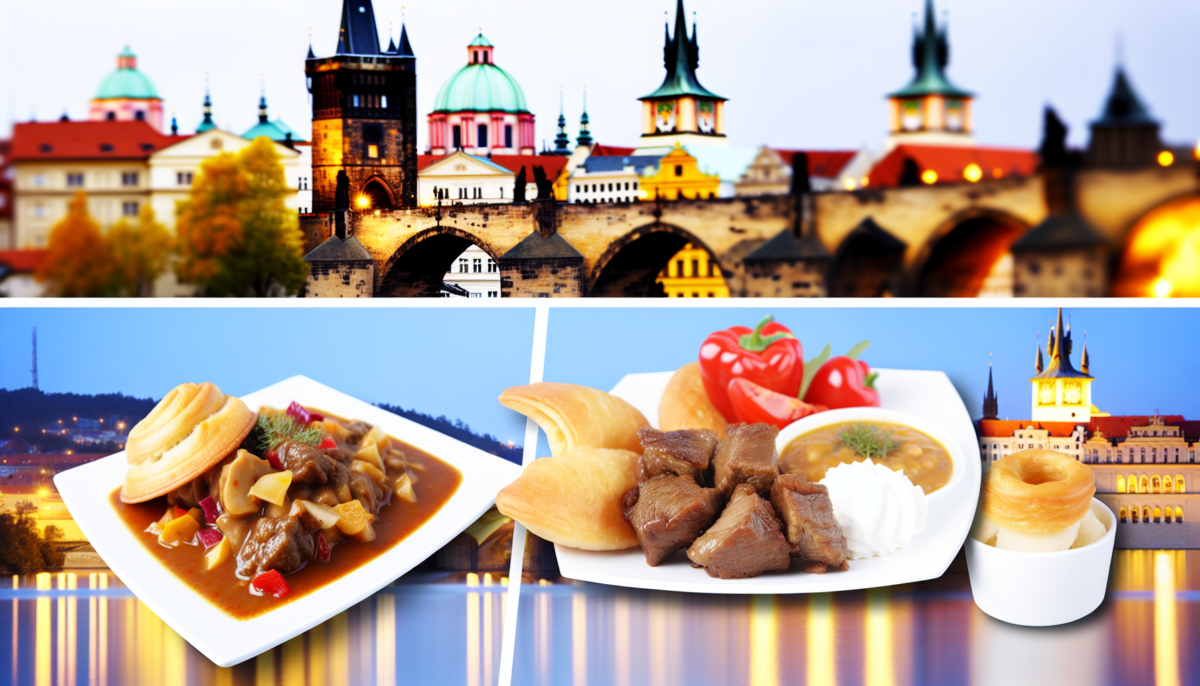
Prague Food Tour: 20 Traditional Czech Dishes You Must Try
Prague isn’t just a city of stunning Gothic architecture and rich history—it’s a culinary destination that deserves a place on every food lover’s bucket list. Traditional Czech food represents centuries of Central European culinary traditions, combining hearty portions, rich flavors, and time-honored recipes that have sustained generations through harsh winters and celebrated countless occasions.
When planning what to eat in Prague, you’ll discover that Czech cuisine goes far beyond the stereotypical beer and dumplings (though both are exceptional). From tender roasted meats to sweet pastries that melt in your mouth, Prague’s food scene offers an authentic taste of Bohemian culture that rivals any European capital. Whether you’re exploring the cobblestone streets of Old Town or venturing into local neighborhoods, understanding traditional dishes will transform your dining experience from tourist meals to genuine cultural immersion.
This comprehensive guide to Prague food covers 20 essential dishes that define Czech gastronomy. Each entry includes what makes the dish special, where to find authentic versions, and insider tips for ordering like a local. Prepare your appetite—Czech portions are generous, flavors are bold, and every dish tells a story of this remarkable nation’s culinary heritage.
1. Svíčková na Smetaně (Marinated Beef in Cream Sauce)
Svíčková stands as the crown jewel of traditional Czech food, often considered the national dish that best represents the country’s culinary sophistication. This elaborate preparation features beef sirloin marinated for hours (sometimes overnight) in a mixture of root vegetables, vinegar, and aromatics before being slow-roasted to tender perfection.
What makes svíčková truly exceptional is its velvety cream sauce, prepared from the cooking liquid blended with heavy cream and thickened with root vegetables. The dish is traditionally served with knedlíky (bread dumplings) that soak up the rich sauce, alongside a dollop of cranberry compote and a slice of orange for brightness. The contrast between the savory, umami-rich sauce and the tart cranberries creates a perfectly balanced flavor profile.
For an authentic experience, visit Lokál Dlouhááá in Prague’s Old Town, where chefs prepare svíčková according to traditional recipes passed down through generations. The restaurant sources local beef and serves portions large enough to satisfy even the heartiest appetite. Another excellent option is U Kroka, a family-run establishment near Charles Bridge that has perfected this dish over decades. Expect to pay 250-350 CZK ($11-15 USD) for a generous serving that represents excellent value for such a labor-intensive dish.
2. Vepřo-Knedlo-Zelo (Pork, Dumplings, and Sauerkraut)
If svíčková represents Czech culinary refinement, then vepřo-knedlo-zelo embodies the hearty, no-nonsense approach to Prague food that has sustained working families for centuries. This trinity of roasted pork, bread dumplings, and braised sauerkraut appears on virtually every traditional Czech menu and remains the comfort food of choice for locals.
The pork, typically a shoulder or loin cut, is roasted until the exterior develops a golden crust while the interior remains succulent. The meat is carved into thick slices and served atop a bed of sweet-and-sour sauerkraut that has been slowly braised with caraway seeds, onions, and sometimes bacon. The knedlíky (dumplings) serve as both starch and sauce-delivery system, with their dense, slightly chewy texture perfectly complementing the tender pork and tangy cabbage.
This dish exemplifies Czech culinary philosophy: simple ingredients prepared with care and served in portions that ensure no one leaves the table hungry. The combination of protein, fermented vegetables, and starch provided essential nutrition during long winters and physically demanding agricultural work. Today, it remains a weekend lunch staple in Czech households and a must-try for anyone exploring Czech cuisine.
Visit U Fleků, Prague’s oldest brewery dating to 1499, for an authentic version served in a historic beer hall atmosphere. Alternatively, Restaurant Mlejnice near Old Town Square offers excellent quality at tourist-friendly prices (200-280 CZK). The key to enjoying this dish is embracing the generous portions—consider sharing if you plan to try other dishes during your Prague food tour.
3. Guláš (Czech Goulash)
While goulash originated in Hungary, the Czech interpretation has evolved into a distinct dish that deserves recognition in its own right. Czech guláš differs from its Hungarian cousin through a thicker consistency, less paprika intensity, and the essential accompaniment of bread dumplings rather than egg noodles or potatoes.
The preparation begins with braising beef (sometimes pork or a combination) until it falls apart at the touch of a fork. Onions form the flavor foundation—Czech recipes often call for twice as much onion as meat by weight, slowly caramelized until golden and sweet. Paprika provides the characteristic color and warmth, while caraway seeds, marjoram, and garlic add depth. The sauce reduces for hours until it achieves a thick, gravy-like consistency that clings to the meat and coats dumplings perfectly.
Traditional Czech food culture dictates that proper guláš must be thick enough that a spoon stands upright in the bowl—a benchmark that separates authentic preparations from watered-down tourist versions. The dish should be deeply savory with subtle sweetness from the caramelized onions and a gentle heat that warms rather than overwhelms.
For exceptional guláš in Prague, head to Lokal chain restaurants, which maintain high standards across multiple locations while keeping prices reasonable (around 180-220 CZK). The Ferdinanda brewpub offers a darker, beer-enriched version that showcases how Czech breweries influence local cuisine. When ordering, specify whether you want hovězí guláš (beef), vepřový guláš (pork), or segedínský guláš (goulash with sauerkraut)—each variation offers a slightly different experience of this beloved dish.
4. Smažený Sýr (Fried Cheese)
Smažený sýr might seem like an indulgent pub snack to foreigners, but it holds serious culinary status in Czech cuisine as a legitimate main course. This dish features a thick slice of cheese (traditionally Edam or Hermelín) coated in breadcrumbs and deep-fried until golden and crispy on the outside while remaining molten inside.
The preparation requires precision—the cheese must be cold when breaded to prevent premature melting, and the oil temperature must be carefully controlled to achieve that perfect crispy-creamy contrast. Served with tatarská omáčka (tartar sauce) and typically accompanied by boiled potatoes or French fries, this dish exemplifies Czech comfort food at its finest.
The golden-crusted exterior shatters under your fork, releasing a cascade of melted cheese that combines beautifully with the tangy tartar sauce. While vegetarians traveling through Central Europe often struggle to find satisfying options, smažený sýr provides a hearty, protein-rich meal that’s universally beloved by Czechs regardless of dietary preferences.
Café Louvre, a historic Prague café that once hosted Franz Kafka and Albert Einstein, serves an exemplary version with properly seasoned breadcrumbs and house-made tartar sauce. For a more casual experience, try Lokál Hamburk, where the dish costs approximately 150-180 CZK and comes with generous sides. The key to enjoying smažený sýr is eating it immediately while the cheese remains molten—it loses its magic once cooled. Pair it with a crisp Czech pilsner to cut through the richness, following the local custom of balancing fried foods with refreshing beer.
5. Kulajda (Mushroom and Potato Soup)
Kulajda represents the sophisticated side of Czech soup-making, a dish that originated in South Bohemia and has become a beloved starter throughout Prague food establishments. This creamy soup combines earthy mushrooms (traditionally wild varieties like boletes), diced potatoes, and a poached egg in a rich broth thickened with cream and flour roux.
What distinguishes kulajda from other mushroom soups is the addition of dill and caraway seeds, which provide aromatic complexity, plus a touch of vinegar that brightens the cream-heavy base. The soup achieves a delicate balance between rich and refreshing, heavy and light. When prepared correctly, each spoonful delivers multiple textures—silky cream, tender potato chunks, firm mushroom slices, and the yielding richness of a perfectly poached egg.
The dish reflects Czech culinary tradition of mushroom foraging, an autumn activity that remains popular among families who venture into forests surrounding Prague to gather wild fungi. While modern restaurants use cultivated mushrooms for consistency, some establishments still feature seasonal versions made with foraged varieties that offer deeper, more complex flavors.
For authentic kulajda in Prague, visit Café Savoy, an Art Nouveau establishment that maintains traditional recipes while elevating presentation standards. Their version (around 120-150 CZK) features generous portions of mushrooms and arrives at the table steaming hot. U Modré Kachničky (The Blue Duckling) near Charles Bridge offers a more upscale interpretation. When ordering, specify that you want the egg poached in the soup rather than served separately—this traditional preparation ensures the yolk enriches the broth as you break it with your spoon.
6. Trdelník (Sweet Pastry Rolls)
Walking through Prague’s tourist areas, you’ll encounter trdelník vendors every few blocks, their cylindrical pastries rotating over charcoal grills while releasing irresistible aromas of caramelized sugar and cinnamon. This sweet pastry consists of rolled dough wrapped around a wooden cylinder, grilled until golden, then coated in sugar, cinnamon, and sometimes crushed walnuts.
However, an important caveat: despite its omnipresence in Prague, trdelník isn’t originally Czech—it likely originated in Hungary or Romania. Nevertheless, it has become deeply associated with the Prague food experience for visitors, and vendors have perfected the preparation over decades of tourism.
The ideal trdelník features a crispy, caramelized exterior that shatters slightly when bitten, giving way to a soft, bread-like interior with subtle yeast flavors. The sugar coating should be generous without being overwhelming, and the cinnamon should complement rather than dominate. Modern variations include fillings like ice cream, Nutella, or whipped cream, though purists argue these additions distract from the pastry’s simple perfection.
Prices range from 60-100 CZK depending on size and location, with premium vendors near Old Town Square charging more than those in less touristy areas. Good Food Coffee and Bakery near Wenceslas Square offers freshly made trdelník with quality ingredients and reasonable prices. For the best experience, consume your trdelník immediately while still warm from the grill—the texture degrades significantly once cooled. While not authentically Czech, this sweet treat has earned its place in Prague’s contemporary culinary landscape and provides a satisfying energy boost during long days of sightseeing.
7. Bramboráky (Potato Pancakes)
Bramboráky embody Czech resourcefulness, transforming humble potatoes into a crispy, savory dish that serves equally well as a snack, side dish, or light meal. These potato pancakes differ from Jewish latkes or Swiss rösti through their unique seasoning blend of marjoram, garlic, and caraway seeds—flavors that instantly identify them as traditional Czech food.
The preparation involves grating raw potatoes, mixing them with flour and eggs to bind, then frying spoonfuls in hot oil until deeply golden and crispy. The exterior should crunch audibly while the interior remains tender with distinct potato flavor. Traditional recipes include minced garlic and marjoram throughout the mixture, creating aromatic complexity that elevates these beyond simple fried potatoes.
Bramboráky appear at Christmas markets, beer gardens, street food stalls, and traditional restaurants throughout Prague. They’re often served as a side dish to accompany roasted meats, but locals also enjoy them as a standalone meal with sour cream or yogurt-based sauces. The dish represents Czech comfort food at its most accessible—inexpensive, satisfying, and deeply flavorful despite simple ingredients.
Havelská Koruna, a Czech-style cafeteria near Havelská Market, serves excellent bramboráky at remarkably low prices (around 60-80 CZK for a generous portion). For a more refined experience, Restaurace U Parlamentu prepares them to order with organic potatoes and serves them alongside house-made herb sour cream. When eating bramboráky, embrace the Czech custom of pairing them with cold beer—the beverage’s carbonation and bitterness balance the pancakes’ richness perfectly. These make excellent vegetarian options for those exploring Prague food while avoiding meat dishes.
8. Utopenci (Pickled Sausages)
Utopenci, which translates to “drowned men,” represents Czech pub culture in edible form. These pickled sausages marinate in a spiced vinegar brine with onions, bay leaves, peppercorns, and sometimes chili peppers, developing complex flavors that make them the perfect accompaniment to beer.
The name supposedly derives from the sausages’ appearance in the cloudy pickling liquid, resembling drowning victims—a morbid joke that reflects Czech dark humor. The preparation involves taking quality pork sausages, scoring them to allow brine penetration, then submerging them in the pickling solution for at least several days (though weeks or months produces superior results).
The flavor profile combines the savory richness of pork sausage with sharp acidity from vinegar, sweetness from onions, and aromatic complexity from the spice blend. The texture becomes slightly firmer through pickling while remaining pleasantly chewy. Served cold and sliced, utopenci appear as standard bar snacks in traditional Czech pubs alongside pickled cheese (nakládaný hermelín) and bread.
This dish exemplifies how Czech cuisine developed preservation techniques that extended food availability before refrigeration while creating distinctive flavors that became beloved in their own right. The vinegar-forward taste refreshes the palate between beer sips, encouraging continued drinking—a feature that pub owners certainly appreciate.
Visit U Zlatého Tygra (The Golden Tiger), a legendary Prague pub that was Václav Havel’s favorite drinking spot, for authentic utopenci served in no-frills surroundings (around 40-60 CZK). Lokál locations also maintain high standards for this traditional pub snack. When ordering, request plenty of bread—the Czech practice involves placing a slice of sausage on bread with pickled onions, creating a simple but satisfying combination that represents centuries of beer-drinking tradition.
9. Pečená Kachna (Roast Duck)
Pečená kachna showcases Czech mastery of roasting techniques, producing duck with impossibly crispy skin and succulent meat that has been a centerpiece of festive meals for generations. This dish typically features a whole duck or substantial portions roasted until the fat renders completely, leaving behind skin that shatters like glass while the meat remains tender and flavorful.
The preparation follows time-honored methods: the duck is seasoned simply with salt, caraway seeds, and sometimes marjoram, then roasted slowly to allow fat to render and skin to crisp. Some preparations include stuffing the cavity with apples or onions, which add subtle sweetness and moisture. The duck is traditionally served with knedlíky (dumplings) and braised red or white cabbage, creating a color-rich plate that’s as visually impressive as it is delicious.
Czech roast duck differs from French preparations through its emphasis on crackling skin and the absence of fruit-based sauces—the duck’s natural richness needs no embellishment beyond the traditional accompaniments. The meat should pull easily from the bone, with enough fat rendered that the dish feels satisfying rather than heavy.
U Modré Kachničky (The Blue Duckling) specializes in duck preparations and offers several variations, including a spectacular roast duck for two that requires advance ordering (approximately 900-1,200 CZK, serves 2-3 people generously). For more casual dining, Kolkovna Olympia serves excellent individual portions (350-450 CZK) in a traditional beer hall atmosphere. When exploring what to eat in Prague, roast duck represents a special-occasion dish that demonstrates Czech culinary traditions at their finest. Order this when you have a hearty appetite—portions are substantial and meant to be shared with good company over extended conversation and multiple rounds of beer.
10. Chlebíčky (Open-Faced Sandwiches)
Chlebíčky represent Czech sophistication in miniature—elegant open-faced sandwiches that transform simple ingredients into visually stunning and delicious combinations. These small sandwiches feature a base of white bread or veka (Czech baguette) spread with butter or mayonnaise, then topped with carefully arranged ingredients like ham, salami, egg, potato salad, pickles, tomatoes, and fresh vegetables.
What distinguishes chlebíčky from other open-faced sandwiches is the artistic arrangement and the specific flavor combinations that have become standardized through decades of preparation. Each sandwich follows traditional patterns—the šunka (ham) version always includes a specific arrangement of ham, egg, pickle, and tomato, while the salám (salami) version features its own distinct pattern.
These sandwiches originated as elegant party food and remain popular for celebrations, buffets, and afternoon snacks. Specialized shops called lahůdky (delicatessens) prepare fresh chlebíčky daily, arranging them in refrigerated display cases where customers can select individual pieces or assorted platters. The attention to detail and visual presentation reflects Czech appreciation for making everyday food beautiful.
Sisters Bistro near Wenceslas Square offers contemporary interpretations of traditional chlebíčky with premium ingredients and creative combinations (30-60 CZK per piece). For classic versions, visit Lahůdky Zlatý Kříž, a legendary delicatessen that has served Prague since 1872, where traditional recipes remain unchanged. Their Obložený chlebíček (fully loaded open sandwich) showcases the full range of traditional toppings in perfect balance. When sampling Prague food, chlebíčky provide an accessible introduction to Czech flavors without the commitment of a full meal—perfect for a light lunch or snack while exploring the city.
11. Řízek (Czech Schnitzel)
Řízek holds such importance in Czech cuisine that many Czech children grow up eating it weekly, making it arguably the most universally beloved dish in the country. This breaded and fried cutlet, while similar to Austrian schnitzel, features distinct Czech characteristics that locals recognize immediately.
Czech řízek traditionally uses pork rather than veal, making it more accessible and affordable while maintaining excellent flavor. The meat is pounded thin, creating a large, tender cutlet that extends beyond the plate’s edge. The breading process follows a precise three-step method: flour, beaten egg, and breadcrumbs, with each layer applied carefully to ensure even coverage. The frying must achieve golden-brown perfection without any greasiness—a skill that separates excellent řízek from mediocre versions.
The proper Czech řízek produces a distinctive “wave” pattern in the breading, created by careful frying technique that allows steam to form pockets between the meat and breading. This creates textural interest and ensures the breading remains crispy rather than becoming soggy. The dish is typically served with potato salad or boiled potatoes and lemon wedges, though many Czechs prefer it with bramborový salát (potato salad) regardless of other available sides.
Lokál restaurants throughout Prague have perfected řízek preparation, serving massive portions that often require two plates (180-220 CZK). Kantýna offers a casual, cafeteria-style setting where you can watch cooks prepare řízek to order before your eyes. For an upscale version, Café Imperial serves řízek in their stunning Art Deco dining room with impeccable presentation. When ordering, specify vepřový řízek (pork schnitzel) rather than kuřecí řízek (chicken) to experience the traditional preparation that Czech families have cherished for generations.
12. Vepřové Koleno (Pork Knuckle)
Vepřové koleno represents Czech cuisine at its most unapologetically carnivorous—a massive pork knuckle roasted or braised until the meat falls from the bone and the skin achieves a deep mahogany color with irresistible crispiness. This dish isn’t for the faint of heart or those watching their calorie intake, but it delivers an unforgettable experience of traditional Czech food culture.
The preparation involves slow-cooking the knuckle (typically weighing 800-1,200 grams before cooking) with beer, vegetables, and aromatics until the collagen breaks down completely, creating meat so tender it requires no knife. The exterior skin, heavily scored before cooking, renders its fat and crisps into crackling that provides textural contrast to the succulent interior. The dish arrives at the table dramatically presented on a wooden board with horseradish, mustard, pickles, and fresh bread.
Czech beer culture and meat-centric cuisine converge perfectly in vepřové koleno—the dish pairs naturally with dark lagers or pilsners, and its richness demands the extended, social drinking sessions that characterize Czech pub culture. The preparation reflects medieval cooking traditions when large cuts of meat roasted over fires provided sustenance for communal celebrations.
U Fleků brewery serves exceptional pork knuckle in their centuries-old beer hall, where the atmosphere enhances the experience as much as the food (approximately 350-450 CZK). Pivovarský Dům offers multiple preparation styles, including their signature dark beer-braised version. When ordering, confirm whether the knuckle is roasted or braised—both are traditional, but the texture differs slightly. Plan to share unless exceptionally hungry, and embrace the hands-on eating style that characterizes this dish. What to eat in Prague for a truly memorable meal? Vepřové koleno with friends, beer flowing freely, represents Czech dining culture at its most authentic and convivial.
13. Bramborová Polévka (Potato Soup)
Bramborová polévka demonstrates how Czech cooks transform humble ingredients into deeply satisfying dishes through careful technique and traditional seasoning. This creamy potato soup, enriched with mushrooms and vegetables, serves as a comforting starter in restaurants and a complete meal in Czech households, particularly during cold winter months.
The preparation begins with sautéing root vegetables (carrots, celery root, parsley root) and mushrooms in butter until fragrant, then adding diced potatoes and stock. As the potatoes cook, some dissolve into the broth, creating natural thickness without requiring cream or flour. Finished with fresh dill, marjoram, and sometimes a touch of sour cream, the soup achieves a balanced flavor profile that’s both earthy and bright.
Regional variations exist throughout Czech Republic—some versions include smoked meat for additional depth, while others remain vegetarian. The soup’s consistency should be thick enough to coat a spoon but pourable rather than stew-like. Many restaurants serve bramborová polévka in a hollowed bread bowl, a presentation that delights tourists while providing an edible vessel that soaks up the flavorful broth.
Café Louvre serves an excellent traditional version with generous mushroom content (around 90-120 CZK). Mlejnice Restaurant offers a hearty, home-style preparation that represents family cooking traditions. For a unique experience, try the bread bowl presentation at U Medvídků brewery, where the soup arrives steaming in a crusty round loaf. This dish exemplifies how Czech cuisine maximizes flavor from simple, affordable ingredients—a principle that has sustained the cuisine through centuries of economic and political changes. The soup also provides an excellent vegetarian option when exploring Prague food, though always verify that the base doesn’t include meat stock.
14. Palačinky (Czech Crepes)
Palačinky represent Czech mastery of simple pleasures—thin crepes that can be served sweet or savory, though sweet preparations dominate modern menus. These delicate pancakes, thinner than American pancakes but similar to French crepes, showcase the Czech sweet tooth while demonstrating precise cooking technique.
Traditional sweet palačinky are filled with jam (typically apricot or strawberry), rolled or folded into quarters, then dusted with powdered sugar. More elaborate versions include chocolate sauce, whipped cream, fresh fruit, or ice cream. The palačinka s tvarohem (crepe with sweet cheese filling) remains particularly popular, featuring a smooth quark-based filling sweetened with sugar and vanilla.
Savory variations exist but are less common in restaurants—these might include ham and cheese, mushrooms, or spinach fillings. However, most Czechs associate palačinky with dessert or sweet snacks rather than main courses. The texture should be tender yet substantial enough to hold fillings without tearing, with a subtle eggy flavor that doesn’t compete with toppings.
The dish reflects Central European culinary connections—similar preparations appear throughout the former Austro-Hungarian Empire, each country claiming its own traditional version. Czech palačinky distinguish themselves through specific filling combinations and the preference for rolling rather than folding.
Café Savoy serves exceptional palačinky with various traditional and contemporary fillings (120-180 CZK), prepared to order in their open kitchen. Cukrkávalimonáda (Sugar, Coffee, Lemonade) offers creative sweet variations in a charming, design-focused café setting. For the most traditional experience, order palačinky s domácím džemem (crepes with homemade jam)—simple, comforting, and quintessentially Czech. These make an excellent dessert when sampling Prague food, providing a lighter finish after heavy main courses without sacrificing satisfaction.
15. Koprová Omáčka (Dill Sauce)
Koprová omáčka divides Czechs into passionate advocates and firm detractors, making it one of the most polarizing dishes in traditional Czech food culture. This creamy dill sauce, served over boiled beef and dumplings, features an intense dill flavor that can shock uninitiated palates but delights those who grew up with it.
The sauce begins with a light roux, thinned with broth from boiling the beef, then enriched with cream or sour cream. Fresh dill is added in quantities that might seem excessive to outsiders—the herb provides not just flavoring but becomes the sauce’s primary ingredient and identity. The finished sauce should be smooth, creamy, and vibrant green, coating dumplings and meat without being too thick or too thin.
Traditional preparation pairs koprová omáčka with vařené hovězí (boiled beef) and bread dumplings, creating a complete meal that epitomizes Czech home cooking. Hard-boiled eggs often accompany the dish, their richness balancing the sauce’s brightness. The combination might seem unusual to visitors, but it represents comfort food for many Czechs who associate these flavors with Sunday lunches at grandmother’s house.
The dish’s divisive nature stems from dill’s aggressive flavor profile—people who dislike the herb find the sauce overwhelming, while dill enthusiasts appreciate its unapologetic intensity. Food historians suggest koprová omáčka’s popularity reflects Czech resourcefulness, as dill grew easily in home gardens and provided strong flavor when meat quality was inconsistent.
Lokál restaurants prepare a textbook version that represents the dish at its best (around 180-220 CZK). U Kroka serves a traditional home-style preparation that might convince even skeptics. When ordering, be aware that the dill flavor will be prominent—if you’re uncertain about your dill tolerance, try a small taste before committing to a full portion. This dish offers insight into authentic Czech family cooking traditions often overlooked by tourists focusing on more internationally familiar foods.
16. Utopenec (Pickled Sausage with Beer)
While we covered utopenci earlier, the experience deserves deeper exploration within Prague’s beer culture context. The pairing of pickled sausages with Czech beer represents centuries of drinking traditions that have shaped Prague food culture as much as formal cuisine.
Czech pubs traditionally served simple, preserved foods that required no cooking and could be stored at room temperature—essential before widespread refrigeration. Utopenci, along with pickled cheese and pickled vegetables, provided salty, acidic flavors that enhanced beer appreciation while encouraging continued drinking. The vinegar-forward profile cleanses the palate between sips, making each beer taste fresher.
The ritual of ordering utopenci involves more than just requesting food—it signals your intention to settle in for an extended drinking session rather than grabbing a quick beer. Regulars at traditional pubs often have preferred preparations, with some establishments offering house-special pickling recipes that become part of their identity.
Modern craft beer bars have elevated utopenci from basic bar snack to artisanal offering, experimenting with different sausage types, pickling spices, and presentation styles. Some use specialty sausages like klobása (fresh sausage) or jelito (blood sausage), while others incorporate unconventional spices like juniper or coriander into the brine.
Pivovarský Klub, a beer enthusiast’s paradise with 20+ taps, offers premium utopenci made with high-quality sausages and complex pickling brines (60-80 CZK). Beer Factory prepares variations using different sausage styles, allowing you to compare preparations. For the most traditional experience, order utopenci at any Lokál location, where they maintain classic recipes and serve them exactly as Czech grandfathers have enjoyed them for decades. Understanding this simple dish provides insight into Czech social culture—beer isn’t just a beverage but a social ritual with specific foods and customs that bind communities together.
17. Karlovarské Oplatky (Karlovy Vary Wafers)
Karlovarské oplatky originate from the famous spa town of Karlovy Vary (Carlsbad) but have become beloved throughout Czech Republic and appear in specialty shops across Prague. These thin, crispy wafers filled with various creams represent Czech confectionery traditions and make excellent souvenirs that capture traditional Czech food culture in portable form.
The wafers themselves are incredibly thin and delicate, with an embossed pattern that reflects their historic spa origins. Traditional fillings include hazelnut, vanilla, and chocolate, though modern varieties incorporate flavors like coffee, rum, and various fruits. The texture should be crisp enough to snap cleanly but tender enough to dissolve slightly on the tongue, releasing the cream filling gradually.
These wafers originated as elegant treats for spa visitors in the 19th century, when Karlovy Vary attracted European aristocracy seeking therapeutic mineral waters. The treats paired well with afternoon tea or coffee, providing light sweetness without overwhelming delicate palates recovering from spa treatments. Over time, they became associated with Czech confectionery excellence and spread throughout the country.
The most famous producer, Colonnade brand, maintains traditional recipes while offering dozens of flavor combinations. The wafers come in distinctive round or rectangular shapes, often packaged in decorative tins that preserve freshness while providing gift-worthy presentation.
Find authentic Karlovarské oplatky at Manufaktura stores throughout Prague, which stock multiple brands and flavors (80-150 CZK per package). Botanicus in Old Town Square also carries premium versions alongside other Czech specialty foods. For the widest selection, visit the flagship Kolonáda store near Wenceslas Square, where you can sample different flavors before purchasing. These wafers provide a taste of Czech confectionery traditions without the heaviness of pastries, making them ideal afternoon snacks or gifts for food-loving friends back home.
18. Tlačenka (Head Cheese)
Tlačenka represents Czech “nose-to-tail” eating traditions that predated modern sustainability movements by centuries, utilizing every part of the pig in flavorful preparations that waste nothing. This jellied meat product, known as head cheese or brawn in English, combines chopped pork (traditionally from the head, hence the name), spices, and natural gelatin from bones into a sliceable terrine.
The preparation involves slowly simmering pork heads, trotters, and other gelatinous cuts until the meat falls from bones and collagen dissolves into the cooking liquid. The meat is chopped, mixed with garlic, pepper, marjoram, and sometimes paprika, then pressed into molds where the collagen-rich liquid sets into a firm jelly. The result slices cleanly, revealing meat suspended in translucent gelatin, creating an attractive mosaic pattern.
Czech tlačenka has a mild, porky flavor with pleasant spice notes from the seasoning blend. The texture combines tender meat pieces with the unique wobble of natural gelatin—an acquired taste for many foreigners but deeply appreciated by Czechs who value traditional charcuterie. Served cold, sliced thin, and typically accompanied by raw onion, vinegar, bread, and beer, tlačenka appears regularly on pub menus and charcuterie boards.
The dish reflects historical necessity—before refrigeration, creating jellied preparations provided preservation through the gelatin’s protective barrier while utilizing parts of the animal that might otherwise be discarded. Modern industrial production has streamlined the process, but traditional butchers still prepare tlačenka according to family recipes passed through generations.
U Zlatého Tygra serves authentic tlačenka as part of their classic pub snack selection (around 50-70 CZK). Sisters Bistro offers a contemporary presentation with pickled vegetables and artisan bread. When sampling Prague food, tlačenka provides insight into preservation traditions that sustained Czech communities through winter months and economic hardships. Approach it with an open mind—the appearance might initially challenge modern sensibilities, but the flavor is mild and pleasant, especially when balanced with sharp onion and tangy vinegar.
19. Ovocné Knedlíky (Fruit Dumplings)
Ovocné knedlíky blur the line between main course and dessert, representing a uniquely Czech approach to sweet meals that confounds international visitors accustomed to clear category distinctions. These substantial dumplings feature whole fruits (traditionally plums, apricots, or strawberries) encased in potato or quark-based dough, then boiled, topped with melted butter, sugar, and ground poppy seeds or breadcrumbs.
The preparation requires skill—the dough must be rolled thin enough to taste delicate but thick enough to contain the fruit during boiling. Fresh fruit is wrapped individually, creating large spheres that cook until the dough sets and the fruit softens