
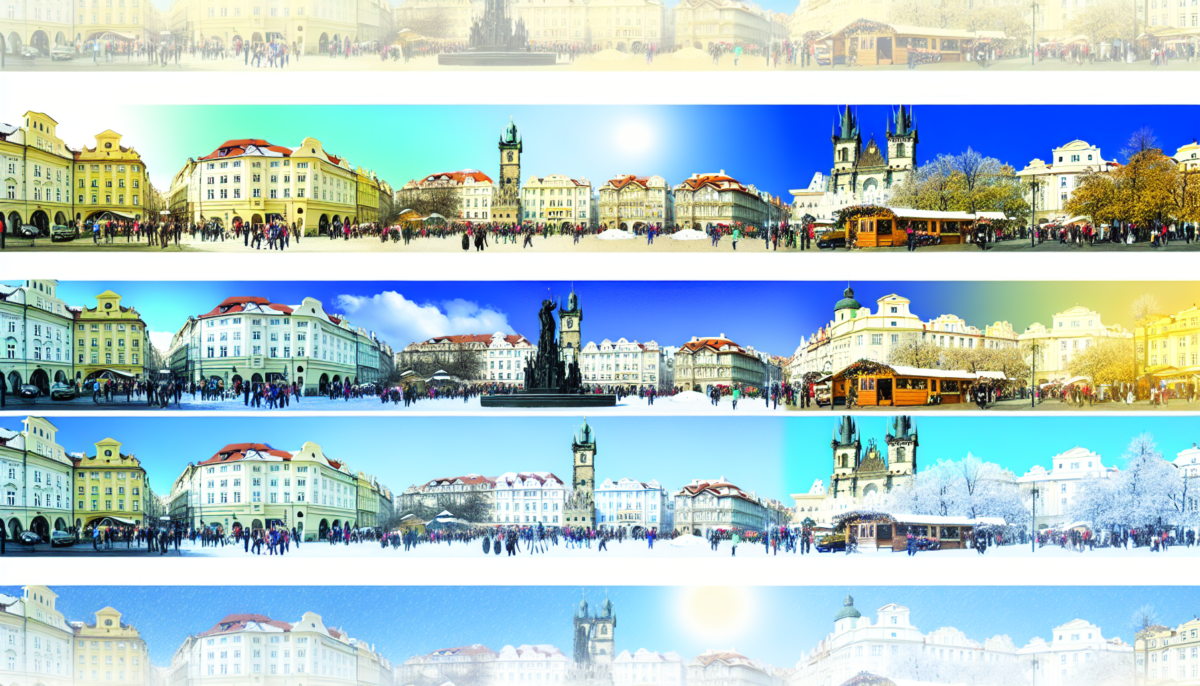
Best Time to Visit Prague: Month-by-Month Weather & Crowd Guide
Prague’s golden spires and cobblestone streets enchant visitors year-round, but choosing when to visit this Czech capital can dramatically transform your experience. Whether you’re drawn to snow-dusted medieval architecture, blooming spring gardens, or festive Christmas markets, understanding Prague’s seasonal rhythms ensures you’ll experience the city at its best.
This comprehensive guide breaks down the best time to visit Prague based on weather patterns, tourist density, pricing, and special events. We’ll examine each month’s characteristics, helping you align your travel dates with your priorities—whether that’s avoiding crowds, enjoying optimal weather, or experiencing unique seasonal celebrations. By understanding Prague weather patterns and seasonal trends, you’ll make an informed decision about when to go to Prague that perfectly matches your travel style and budget.
Understanding Prague’s Climate and Seasons
Prague experiences a temperate continental climate with four distinct seasons, each offering unique advantages and considerations for travelers. The city sits in Central Europe at a moderate elevation, resulting in cold winters, warm summers, and transitional spring and autumn periods.
Prague seasons follow typical European patterns, but with notable temperature variations between summer and winter. Annual precipitation remains relatively consistent throughout the year, though summer months see occasional thunderstorms while winter brings light snow. Understanding these patterns helps you pack appropriately and set realistic expectations for your visit.
Temperature and Weather Patterns
Winter temperatures (December through February) average between -4°C to 2°C (25°F to 36°F), though cold snaps can push temperatures lower. Spring (March through May) sees gradual warming from 4°C to 18°C (39°F to 64°F). Summer months (June through August) bring the warmest weather, ranging from 13°C to 24°C (55°F to 75°F), while autumn (September through November) features cooling temperatures from 14°C down to 3°C (57°F to 37°F).
Rainfall patterns show relative consistency, with May and June typically experiencing the highest precipitation levels. Snow occurs primarily between December and February, though accumulation rarely disrupts travel significantly within the city center.
Spring in Prague: March Through May
Spring represents one of the most appealing seasons for visiting Prague, combining moderate weather with manageable tourist crowds and the city’s awakening from winter dormancy.
March: Transitional Early Spring
March marks Prague’s transition from winter to spring, with unpredictable weather that can include snow flurries, rain showers, and surprisingly warm days. Average temperatures range from 0°C to 9°C (32°F to 48°F).
Crowd levels: Low to moderate. International tourism remains relatively light, making this an excellent time for budget-conscious travelers seeking hotel deals and shorter queues at major attractions.
Advantages: Lower accommodation prices (20-30% below peak season), minimal wait times at Prague Castle and other landmarks, and the ability to experience the city before the spring rush begins.
Considerations: Pack layers and waterproof outerwear. Some outdoor terraces and gardens may not be fully operational. Daylight hours are increasing but still limited compared to summer months.
April: Blossoming Spring
April brings Prague to life with blooming flowers, particularly in Petřín Gardens, Wallenstein Garden, and along the Vltava River. Temperatures rise to a comfortable 4°C to 14°C (39°F to 57°F), making outdoor exploration increasingly pleasant.
Crowd levels: Moderate and growing. Easter holidays bring European tourists, particularly during the week surrounding Easter Sunday.
Advantages: Beautiful spring scenery with cherry blossoms and magnolias, comfortable walking weather, and Easter markets featuring traditional Czech handicrafts and foods. This period offers an excellent balance between favorable weather and reasonable crowd sizes.
Considerations: Book accommodations in advance if traveling during Easter week. Rain showers remain common, so pack an umbrella and rain jacket.
May: Peak Spring Season
May represents one of the best times to visit Prague for many travelers, offering warm temperatures (8°C to 18°C / 46°F to 64°F), long daylight hours, and fully operational outdoor spaces without peak summer crowds.
Crowd levels: Moderate to high. Tourism accelerates significantly, particularly during weekends and holidays.
Advantages: Gardens reach peak bloom, outdoor restaurant terraces open fully, and numerous cultural festivals begin. The Prague Spring International Music Festival, running from mid-May through early June, attracts classical music enthusiasts worldwide.
Considerations: Accommodation prices increase 15-25% compared to winter months. Popular attractions experience growing wait times. May occasionally sees the highest rainfall of the year, though typically in short afternoon thunderstorms.
Summer in Prague: June Through August
Summer brings peak tourism to Prague, with warm weather, long days, and vibrant outdoor activity creating an energetic atmosphere throughout the city.
June: Early Summer Excellence
June offers arguably the most favorable Prague weather for sightseers, with temperatures ranging from 12°C to 22°C (54°F to 72°F) and extensive daylight hours extending past 9 PM.
Crowd levels: High. International tourism is in full swing, particularly after mid-month when school holidays begin across Europe.
Advantages: Ideal weather for walking tours, river cruises, and outdoor dining. The Prague Fringe Festival brings international theater performances. Beer gardens operate at full capacity, offering authentic Czech experiences.
Considerations: Book accommodations and popular restaurant reservations well in advance. Expect queues at major attractions during midday hours. Visit popular sites early morning or late afternoon to avoid peak crowding.
July and August: Peak Summer Season
July and August represent Prague’s warmest months, with temperatures ranging from 14°C to 24°C (57°F to 75°F), occasionally reaching 30°C (86°F) during heat waves.
Crowd levels: Very high. These months see maximum tourist density, particularly from international visitors on summer vacation.
Advantages: Extensive outdoor programming including open-air concerts, film screenings, and theater performances. All attractions, restaurants, and services operate on full schedules. Warm evenings perfect for exploring Prague’s nightlife and riverside areas.
Considerations: Accommodation prices reach annual peaks, often 40-50% above winter rates. Major attractions like Charles Bridge, Prague Castle, and Old Town Square experience heavy congestion, particularly between 10 AM and 4 PM. Many Prague residents vacation elsewhere during August, lending certain neighborhoods a quieter, local atmosphere.
Best practices for summer visits: Purchase skip-the-line tickets online, start sightseeing by 8 AM, take midday breaks during peak heat, and explore lesser-known neighborhoods like Vinohrady or Žižkov for authentic experiences with fewer tourists.
Autumn in Prague: September Through November
Autumn brings cooler temperatures, changing foliage, and decreasing tourist numbers, creating one of the most atmospheric periods to experience Prague’s medieval character.
September: Early Autumn Gold
September maintains summer’s pleasant weather while tourist crowds begin thinning after the first week. Temperatures range from 10°C to 19°C (50°F to 66°F), ideal for comfortable exploration.
Crowd levels: Moderate to high early month, decreasing significantly after mid-September.
Advantages: Comfortable weather without summer’s heat and humidity, reduced accommodation prices (15-20% below peak summer rates), and shorter attraction queues. The Prague Autumn International Music Festival showcases classical and contemporary performances.
Considerations: Days shorten noticeably, with sunset occurring around 7 PM by month’s end. Pack layers for temperature variations between day and night.
October: Peak Autumn Beauty
October showcases Prague at its most photogenic, with autumn colors transforming parks and gardens while mild weather (6°C to 13°C / 43°F to 55°F) remains comfortable for sightseeing.
Crowd levels: Moderate. Tourism decreases substantially from summer peaks while remaining sufficient to support full attraction schedules.
Advantages: Stunning autumn photography opportunities, particularly in Petřín Park, Letná Park, and along the Vltava River. Lower prices on accommodations and flights. Fewer tourists allow for more intimate experiences at major sites.
Considerations: Rain frequency increases, making waterproof gear essential. Some outdoor venues begin reducing hours or closing for the season. Daylight hours continue decreasing, with darkness falling by 6 PM late month.
November: Quiet Autumn
November marks Prague’s transition toward winter, with temperatures dropping to 2°C to 7°C (36°F to 45°F) and gray, overcast days becoming common.
Crowd levels: Low. Tourism reaches annual lows before the Christmas market season begins late month.
Advantages: Rock-bottom accommodation prices (30-40% below summer peaks), virtually no queues at major attractions, and authentic local atmosphere. Late November sees Christmas markets begin setup, offering a preview without crowds.
Considerations: Short daylight hours (sunset by 4:30 PM), frequent rain or occasional snow, and some attractions reducing operating hours. The gray weather creates atmospheric conditions for photography but may feel dreary during extended stays.
Winter in Prague: December Through February
Winter transforms Prague into a fairytale setting, with snow-dusted architecture, Christmas markets, and festive atmosphere creating magical experiences despite cold temperatures.
December: Christmas Market Season
December represents a unique period when to go to Prague specifically for holiday experiences. Temperatures range from -2°C to 3°C (28°F to 37°F), creating authentic winter conditions.
Crowd levels: Moderate to high, particularly during the two weeks surrounding Christmas and New Year’s.
Advantages: World-renowned Christmas markets in Old Town Square, Wenceslas Square, and other locations offer traditional Czech foods, mulled wine, and handicrafts. Snow-covered architecture creates stunning photographic opportunities. Festive decorations and lighting transform the city’s appearance.
Considerations: Accommodation prices increase 20-30% during the Christmas and New Year’s period despite cold weather. Book well in advance for visits between December 20 and January 2. Bundle up with winter clothing, thermal layers, and waterproof boots.
January and February: Winter Low Season
January and February offer the year’s coldest weather (-4°C to 2°C / 25°F to 36°F) and lowest tourist numbers, creating a distinctly local atmosphere.
Crowd levels: Very low. These months see minimal international tourism outside of weekend city breaks.
Advantages: Lowest accommodation prices of the year (40-50% below summer peaks), no queues at any attractions, and authentic glimpses of local Prague life. Indoor attractions like museums, galleries, and concert halls offer respite from cold weather while providing world-class cultural experiences.
Considerations: Extremely cold temperatures require serious winter clothing. Some outdoor venues close entirely. Snow and ice can make cobblestone streets slippery. Short daylight hours (sunset around 5 PM) limit sightseeing time.
Winter visit strategies: Focus on indoor cultural attractions, warm up in traditional Czech pubs and cafes, attend classical concerts in historic venues, and embrace the atmospheric winter conditions as part of the experience rather than an obstacle.
Special Events and Festivals Throughout the Year
Prague’s cultural calendar features numerous events that may influence your travel timing:
Prague Spring International Music Festival (May-June): Three-week celebration of classical music featuring world-renowned orchestras and performers.
Prague Fringe Festival (late May-early June): International theater and performance art festival with hundreds of shows.
United Islands of Prague (June): Free multi-genre music festival across Prague’s islands.
Prague Autumn International Music Festival (September-October): Contemporary and classical music performances.
Christmas Markets (late November through early January): Traditional markets throughout the city center featuring Czech foods, crafts, and mulled wine.
Signal Festival (October): International festival of light art installations throughout Prague’s historic center.
Month-by-Month Recommendations Summary
Best overall months: May, June, and September offer optimal combinations of favorable weather, manageable crowds, and full attraction availability.
Best for budget travelers: November, January, and February provide lowest prices but require tolerance for cold, gray weather.
Best for avoiding crowds: January, February, and November see minimal tourism, offering authentic local experiences.
Best weather: June and September typically offer the most consistently pleasant conditions for outdoor exploration.
Best for photography: October (autumn colors) and December (Christmas atmosphere) provide unique visual opportunities.
Best for families: Late May through early September offers reliable weather, full attraction schedules, and long daylight hours suitable for children.
Making Your Decision: Factors to Consider
When determining the best time to visit Prague for your specific needs, weigh these key factors:
Weather preferences: If cold temperatures significantly diminish your enjoyment, avoid December through February. If heat bothers you, skip July and August.
Budget constraints: Traveling during shoulder seasons (March-April, October-November) or winter months (excluding Christmas) can reduce costs by 30-50% compared to peak summer.
Crowd tolerance: Summer months and Christmas season bring maximum tourist density. If crowds detract from your experience, choose spring or autumn.
Specific interests: Music festival enthusiasts should target May-June or September-October. Christmas market visitors should plan for late November through December.
Photography goals: Each season offers distinct photographic opportunities—spring blooms, summer golden hour light, autumn colors, or winter snow scenes.
Practical Planning Tips
Regardless of when you visit, these strategies enhance your Prague experience:
Book accommodations early: Prague’s compact historic center has limited hotel inventory. Book 2-3 months ahead for summer travel, 1-2 months for shoulder seasons, and 3-4 months for Christmas season.
Purchase attraction tickets online: Skip-the-line options for Prague Castle, Jewish Quarter sites, and other major attractions save significant time during busy periods.
Plan for weather variability: Prague’s weather can change quickly. Pack layers regardless of season, and always include rain protection.
Explore beyond tourist zones: Neighborhoods like Vinohrady, Karlín, and Holešovice offer authentic experiences with excellent restaurants, cafes, and local atmosphere.
Use public transportation: Prague’s metro, tram, and bus system efficiently connects all areas. Purchase multi-day passes for convenience and value.
Conclusion
The best time to visit Prague ultimately depends on your personal priorities, weather preferences, and travel style. For most travelers, the shoulder seasons of May, early June, and September offer the ideal balance of pleasant weather, reasonable crowd levels, and full attraction availability. However, budget-conscious visitors willing to brave cold temperatures will find exceptional value during winter months, while those seeking festive atmosphere should target the Christmas market season despite premium prices.
Prague rewards visitors year-round with its architectural magnificence, rich cultural offerings, and authentic Czech character. By understanding Prague’s seasons and monthly patterns detailed in this guide, you can select the timing that best aligns with your expectations and creates your ideal Prague experience.
Ready to plan your Prague adventure? Start by booking flexible accommodation options and researching specific attractions that match your interests. Consider purchasing a Prague tourist card for multi-day visits, and don’t hesitate to venture beyond the immediate historic center to discover the city’s diverse neighborhoods and local character. Whatever season you choose, Prague’s timeless beauty and cultural richness ensure a memorable Central European experience.