
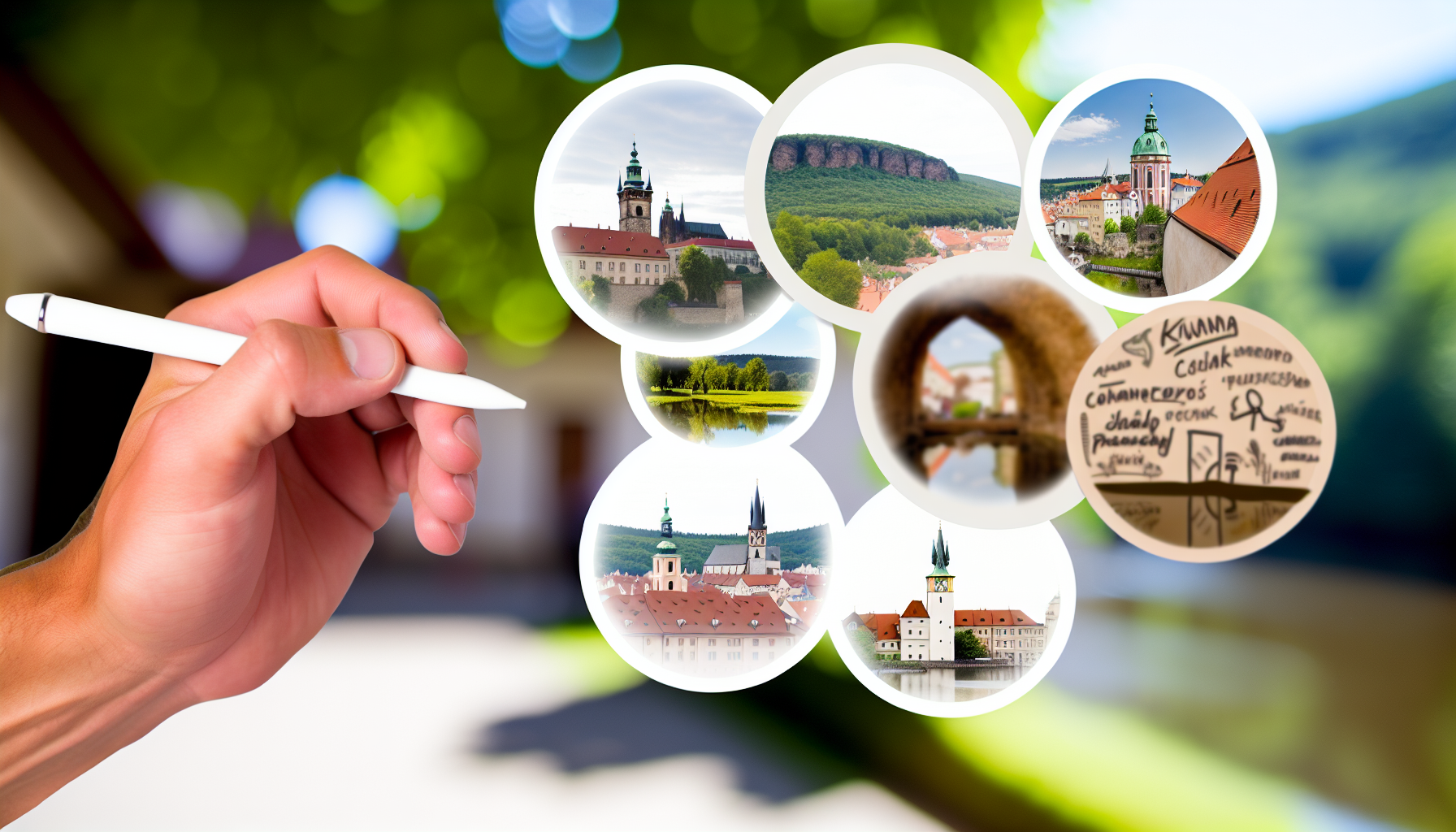
20 Best Day Trips from Prague: Castles, Towns & Nature Escapes Within 2 Hours
Prague’s cobblestone streets and Gothic spires captivate millions of visitors annually, but venture beyond the capital’s medieval core, and you’ll discover a Czech Republic rich with fairy-tale castles, UNESCO World Heritage sites, and pristine natural landscapes. The best day trips from Prague offer accessible escapes that transform a standard city break into an immersive Central European adventure—without requiring overnight stays or extensive travel logistics.
Within a two-hour radius of Prague lies an exceptional concentration of historical, cultural, and natural attractions. From the silver-mining heritage of Kutná Hora to the dramatic rock formations of Bohemian Switzerland, these prague excursions provide diverse experiences that complement your urban exploration. Whether you’re seeking architectural marvels, outdoor adventures, or authentic Czech culture away from tourist crowds, the surrounding Bohemian and Moravian regions deliver memorable experiences that rival the capital itself.
This comprehensive guide presents 20 carefully curated places near prague, each selected for its unique appeal, accessibility, and cultural significance. We’ve organized these destinations to help you maximize your time, whether you have just one day to spare or are planning multiple prague day tours throughout your visit.
1. Kutná Hora: UNESCO Silver Mining Town
Kutná Hora stands as one of the most historically significant day trips from Prague, located just 80 kilometers east of the capital. This UNESCO World Heritage site flourished during the 14th century as Europe’s silver mining powerhouse, generating wealth that rivaled Prague itself. Today, visitors encounter a remarkably preserved medieval townscape that showcases Gothic architecture at its finest.
The crown jewel is St. Barbara’s Cathedral, a masterpiece of late Gothic design featuring soaring vaulted ceilings and stunning stained-glass windows. The cathedral’s construction spanned over 500 years, resulting in architectural elements that chronicle the evolution of Gothic style. Adjacent to the cathedral, the Italian Court served as the royal mint where Prague groschen—medieval Europe’s most trusted currency—were produced.
However, Kutná Hora’s most distinctive attraction is the Sedlec Ossuary, commonly known as the Bone Church. This small Roman Catholic chapel contains the artistically arranged skeletal remains of approximately 40,000 people, including elaborate chandeliers, coats of arms, and decorative elements all constructed from human bones. While macabre, the ossuary represents a profound meditation on mortality and showcases remarkable craftsmanship.
Travel time: 1 hour by direct train | Recommended duration: Full day | Best for: History enthusiasts, architecture lovers, photography
2. Český Krumlov: Bohemian Fairy-Tale Town
Český Krumlov consistently ranks among the most spectacular prague excursions, offering a perfectly preserved Renaissance townscape that appears frozen in the 16th century. Located 180 kilometers south of Prague, this UNESCO World Heritage site nestles within a horseshoe bend of the Vltava River, creating a dramatic natural amphitheater for its architectural treasures.
The Český Krumlov Castle complex—the second-largest in the Czech Republic after Prague Castle—dominates the skyline with its distinctive painted tower visible for kilometers. The castle’s baroque theater, one of only a handful remaining worldwide with original stage machinery and scenery, offers rare glimpses into 18th-century performing arts. The castle gardens provide panoramic views across the terracotta rooftops toward the Church of St. Vitus.
Beyond the castle, the old town’s labyrinthine streets reward aimless wandering with hidden courtyards, artisan workshops, and riverside cafés. The town has successfully balanced tourism with authentic Czech culture, maintaining traditional restaurants serving Bohemian specialties alongside contemporary galleries and craft beer establishments.
Travel time: 2.5 hours by bus (slightly beyond 2-hour range but worth it) | Recommended duration: Full day | Best for: Romantics, culture seekers, photographers
3. Karlštejn Castle: Gothic Fortress Stronghold
Perched atop a forested hill just 30 kilometers southwest of Prague, Karlštejn Castle embodies the archetypal medieval fortress. Emperor Charles IV commissioned this Gothic stronghold in 1348 specifically to safeguard the Bohemian crown jewels and his extensive collection of holy relics. The castle’s strategic hilltop position and imposing stone towers create an immediately recognizable silhouette against the Bohemian landscape.
The castle’s architectural hierarchy reflects medieval spiritual beliefs, with buildings ascending the hillside in order of sacred importance. The Great Tower houses the Chapel of the Holy Cross, whose walls and vaulted ceiling are adorned with over 2,000 semi-precious stones and 129 Gothic panel paintings by Master Theodoric—representing one of Central Europe’s most significant Gothic art collections.
The surrounding village offers pleasant restaurants and walking trails through the Bohemian karst landscape. The approach to the castle involves a moderate uphill walk through deciduous forest, making comfortable footwear essential. While interiors can only be viewed on guided tours, the experience provides authentic insights into medieval royal life and 14th-century defensive architecture.
Travel time: 40 minutes by train | Recommended duration: Half day | Best for: History buffs, families, castle enthusiasts
4. Bohemian Switzerland National Park: Sandstone Wonderland
Bohemian Switzerland National Park offers the most dramatic natural landscapes among places near Prague, featuring otherworldly sandstone formations that have captivated visitors since the Romantic era. Located approximately 130 kilometers north of Prague near the German border, this geological wonderland showcases towering rock pillars, deep gorges, and dense forests that inspired German Romantic painters in the 19th century.
The park’s signature attraction, Pravčická brána, stands as Europe’s largest natural sandstone arch, spanning 26 meters with an arch height of 16 meters. The formation served as a filming location for “The Chronicles of Narnia” and provides perspective on the erosive forces that shaped this landscape over millions of years. A nearby falcon’s nest viewpoint offers panoramic vistas across the Elbe River valley toward the Saxon Switzerland continuation in Germany.
The Kamenice River gorges provide another highlight, featuring boat rides through narrow chasms where vertical sandstone walls rise directly from emerald waters. Well-marked hiking trails range from easy riverside walks to challenging scrambles requiring fixed chains and ladders. The Edmund Gorge and Wild Gorge sections offer the most photogenic passages.
Travel time: 1.5 hours by car or train plus bus | Recommended duration: Full day | Best for: Hikers, nature photographers, outdoor enthusiasts
5. Terezín: Sobering Holocaust Memorial
Terezín represents one of the most historically significant yet emotionally challenging prague day tours. Located 60 kilometers north of Prague, this fortress town served as a Nazi concentration camp and Jewish ghetto during World War II. Between 1941 and 1945, approximately 150,000 Jews passed through Terezín, with roughly 33,000 dying in the ghetto and another 88,000 deported to extermination camps.
The Terezín Memorial preserves this history through multiple sites, including the Small Fortress (Gestapo prison), the Ghetto Museum, and the crematorium. The museum presents the tragic paradox of Terezín’s role as a Nazi propaganda tool—presented to the Red Cross as a “model Jewish settlement” while functioning as a way station to Auschwitz. Exhibits showcase the remarkable cultural life prisoners maintained, including concerts, theatrical performances, and children’s artwork.
The experience demands emotional preparation and respectful contemplation. Educational panels provide historical context in multiple languages, explaining both the specific history of Terezín and its place within the broader Holocaust. The memorial serves crucial educational purposes, ensuring these atrocities remain documented and remembered.
Travel time: 1 hour by bus | Recommended duration: Half day | Best for: History students, educational visits, memorial tourism
6. Konopiště Castle: Archduke’s Hunting Lodge
Konopiště Castle offers insights into early 20th-century aristocratic life as the beloved residence of Archduke Franz Ferdinand, whose 1914 assassination triggered World War I. Located just 45 kilometers southeast of Prague, this Gothic castle underwent extensive Renaissance and Baroque modifications before Franz Ferdinand transformed it into a comfortable country estate filled with his eclectic collections.
The castle’s interiors showcase the Archduke’s obsessions: over 300,000 hunting trophies line the corridors and rooms, creating an overwhelming display that contemporary sensibilities find both fascinating and disturbing. His armor collection numbers over 4,000 pieces, representing one of Europe’s finest private assemblages. The rose garden contains over 200 varieties, reflecting Franz Ferdinand’s softer interests alongside his hunting passions.
The estate’s English-style landscaped park features peacocks roaming freely, ornamental ponds, and walking paths through mature woodland. St. George’s Chapel contains the crypt where Franz Ferdinand initially intended his burial before political circumstances dictated Vienna interment. Three different tour routes explore various aspects of the castle, with Tour III providing the most intimate glimpse into the Archduke’s private apartments.
Travel time: 45 minutes by train | Recommended duration: Half day | Best for: History enthusiasts, architecture lovers, garden admirers
7. Pilsen: Beer Culture Capital
Pilsen (Plzeň) claims legitimate status as a pilgrimage site for beer enthusiasts, being the birthplace of Pilsner Urquell—the world’s first pale lager and the beer style that conquered global markets. Located 90 kilometers west of Prague, this industrial city combines brewing heritage with impressive architecture and authentic Czech culture away from tourist crowds.
The Pilsner Urquell Brewery tour ranks among the most comprehensive brewery experiences in Europe, exploring 9 kilometers of historic cellars where beer still matures in oak barrels. The tour explains the 1842 brewing innovation that created the golden, hoppy beer style now accounting for roughly 70% of global beer production. The experience culminates with unfiltered Pilsner Urquell tapped directly from oak barrels—a taste unavailable anywhere else.
Beyond beer, Pilsen’s Republic Square showcases the Gothic St. Bartholomew’s Cathedral with the Czech Republic’s tallest church tower at 102 meters. The Great Synagogue, Europe’s second-largest, demonstrates the city’s significant Jewish heritage. Pilsen’s designation as European Capital of Culture 2015 spurred cultural infrastructure development, creating excellent museums and performance venues.
Travel time: 1 hour by train | Recommended duration: Full day | Best for: Beer lovers, cultural tourists, food enthusiasts
8. Karlovy Vary: Thermal Spa Elegance
Karlovy Vary represents Czech spa culture at its most refined, offering therapeutic thermal springs within stunning Belle Époque architectural settings. Located 130 kilometers west of Prague, this elegant resort town has attracted European aristocracy, artists, and politicians since the 14th century. Twelve principal thermal springs deliver mineral-rich waters ranging from 30°C to 72°C, each with distinct therapeutic properties.
The Mill Colonnade exemplifies the town’s architectural grandeur—a neo-Renaissance masterpiece featuring 124 columns and five thermal springs accessible to visitors. The tradition involves purchasing a special spa cup (lázeňský pohárek) and sampling waters from different springs, each purportedly benefiting specific health conditions. The Hot Spring Colonnade contains the Vřídlo, Karlovy Vary’s most powerful spring, ejecting water 12 meters high at 72°C.
Beyond thermal waters, Karlovy Vary produces the famous herbal liqueur Becherovka and delicate spa wafers (lázeňské oplatky). The town’s hillside location provides numerous scenic viewpoints accessible via funicular railway. The Diana Observation Tower offers panoramic vistas across the town’s colorful architecture nestled within forested valleys.
Travel time: 2 hours by bus | Recommended duration: Full day | Best for: Wellness seekers, architecture enthusiasts, couples
9. Křivoklát Castle: Medieval Hunting Retreat
Křivoklát Castle ranks among Bohemia’s oldest and most historically significant castles, serving Czech royalty as a hunting lodge and fortress since the 12th century. Located 60 kilometers west of Prague within the protected landscape area of Křivoklátsko, this Gothic castle maintains remarkable authenticity, having avoided the Renaissance and Baroque renovations that transformed most Czech castles.
The castle’s Great Hall features late Gothic vaulted ceilings and royal portraits spanning centuries of Bohemian history. The castle chapel contains a remarkable Gothic altar and period frescoes. The prison tower tells darker stories—the castle served as a state prison where alchemist Edward Kelley was imprisoned after failing to produce gold for Rudolf II. The library houses over 52,000 volumes, including valuable medieval manuscripts.
The surrounding Křivoklátsko Protected Landscape Area encompasses pristine forests ideal for hiking, with marked trails connecting to nearby villages. The castle’s position atop a rocky promontory overlooking the Berounka River creates dramatic viewpoints. October sees the castle hosting medieval festivals with period costumes, demonstrations of historical crafts, and falconry displays.
Travel time: 1 hour by train | Recommended duration: Half day | Best for: Medieval history enthusiasts, families, hikers
10. Lednice-Valtice Cultural Landscape: UNESCO Garden Realm
The Lednice-Valtice Cultural Landscape represents one of Europe’s largest designed landscapes, spanning 283 square kilometers of interconnected parks, gardens, and architectural features. Located 220 kilometers southeast of Prague (slightly beyond typical day trip range but manageable for early starters), this UNESCO World Heritage site showcases the Liechtenstein family’s 17th-19th century landscaping ambitions.
Lednice Château exemplifies Gothic Revival architecture, featuring elaborate turrets, ornamental gardens, and a massive greenhouse containing tropical and subtropical plants. The château’s English-style park includes romantic features like the 60-meter Minaret viewpoint, the Temple of Apollo, and the Colonnade overlooking an artificial lake. Boat rentals allow exploration of the waterways connecting various landscape features.
Valtice Château, seven kilometers distant, presents Baroque architectural grandeur and houses the National Wine Centre, where visitors can taste wines from all Czech wine regions. The landscape between the châteaux features tree-lined avenues, hunting lodges, and carefully composed vistas demonstrating Enlightenment-era landscape design principles. Cycling represents the ideal transportation method within the cultural landscape, with numerous rental facilities available.
Travel time: 2.5 hours by car | Recommended duration: Full day | Best for: Garden enthusiasts, architecture lovers, wine tourists
11. Litomyšl: Renaissance Gem and Composer’s Birthplace
Litomyšl combines exceptional Renaissance architecture with musical heritage as the birthplace of composer Bedřich Smetana. Located 160 kilometers east of Prague, this UNESCO World Heritage town centers on one of Central Europe’s finest Renaissance châteaux, featuring extraordinary sgraffito decorations covering nearly every exterior surface.
Litomyšl Château showcases Italian Renaissance design adapted to Bohemian sensibilities, with the unique arcade courtyard providing acoustic perfection that hosts the annual Smetana’s Litomyšl opera festival each summer. The château’s sgraffito decorations—created by scratching through surface plaster to reveal contrasting colors beneath—display over 8,000 individually designed panels with geometric and figurative motifs.
The town’s historic center preserves Renaissance burgher houses surrounding an elongated market square. The Smetana House, where the composer was born in 1824, now functions as a museum detailing his life and contributions to Czech national music. The town maintains authentic Czech character with minimal mass tourism, offering excellent traditional restaurants and craft beer establishments.
Travel time: 2 hours by bus or train | Recommended duration: Half day | Best for: Architecture enthusiasts, classical music lovers, culture seekers
12. Adršpach-Teplice Rocks: Sandstone Labyrinth
The Adršpach-Teplice Rocks provide one of the Czech Republic’s most spectacular natural wonders, featuring a labyrinthine landscape of sandstone towers, narrow passages, and hidden clearings. Located 150 kilometers northeast of Prague, these geological formations result from millions of years of erosion creating vertical rock pillars reaching heights of 100 meters.
The main hiking circuit through Adršpach Rock Town follows marked trails through narrow passages between towering formations bearing imaginative names like “Lovers,” “Mayor and Mayoress,” and “Sugar Loaf.” The route includes a scenic lake nestled among the rocks, where rowboat rentals allow water-level perspectives of the formations. The trails require moderate fitness, involving stairs and uneven surfaces, but remain accessible to most visitors.
The separate Teplice Rocks area offers more challenging routes with optional sections requiring chains and ladders. The Stráž viewpoint provides panoramic vistas across the rock formations toward the Table Mountains. Rock climbing enthusiasts find numerous established routes, though permits and proper equipment are mandatory. The area inspired the landscape settings in C.S. Lewis’s Narnia chronicles.
Travel time: 2 hours by car | Recommended duration: Full day | Best for: Hikers, rock climbers, nature photographers
13. Mělník: Wine Town Above River Confluence
Mělník offers a perfect combination of history, viticulture, and panoramic vistas at the confluence of the Vltava and Elbe rivers. Located just 35 kilometers north of Prague, this charming town occupies a strategic hilltop position that has attracted settlement since Celtic times. Today, Mělník represents the heart of Bohemia’s wine country, producing distinctive wines from vineyards first cultivated by Emperor Charles IV in the 14th century.
Mělník Château combines Renaissance and Baroque architecture with an active winery producing wines from the estate’s surrounding vineyards. The château’s wine cellars offer tastings of local varieties, particularly Ludmila and Aurelius—white wines developed specifically for Bohemia’s climate. The château tower provides spectacular views across the river confluence and extensive vineyards stretching toward Prague.
The town’s market square retains authentic Czech character with minimal tourist commercialization. The Church of St. Peter and Paul features a remarkable ossuary containing the remains of approximately 15,000 people, arranged with greater restraint than Kutná Hora’s famous bone church. September’s grape harvest festivals showcase traditional winemaking alongside contemporary Bohemian wine culture.
Travel time: 40 minutes by bus | Recommended duration: Half day | Best for: Wine enthusiasts, photographers, history lovers
14. Hluboká nad Vltavou: Neo-Gothic Castle Fantasy
Hluboká Castle represents Czech neo-Gothic architecture at its most romantic, with white walls and distinctive turrets creating a fairy-tale appearance that rivals any Disney interpretation. Located 140 kilometers south of Prague near České Budějovice, this 19th-century reconstruction transformed a medieval fortress into an aristocratic showpiece modeled on England’s Windsor Castle.
The Schwarzenberg family commissioned the castle’s romantic transformation, creating interiors featuring elaborately carved wooden ceilings, period furnishings, and an impressive collection of Flemish tapestries and Dutch paintings. The morning salon showcases intricate wood paneling carved to resemble leather, demonstrating the exceptional craftsmanship lavished on the residence. The castle grounds include English-style parks, a winter garden, and a riding hall now functioning as the Aleš South Bohemian Gallery.
The adjacent Ohrada Hunting Lodge contains the Museum of Hunting and Forestry, displaying extensive collections of hunting weapons, trophies, and natural history specimens. The property’s position overlooking the Vltava River reservoir provides scenic walking opportunities. The castle’s pristine white appearance makes it particularly photogenic against blue skies or autumn foliage.
Travel time: 2 hours by bus or train | Recommended duration: Half day | Best for: Castle enthusiasts, romantic travelers, architecture admirers
15. Kokořín Castle and Nature Reserve: Hidden Medieval Fortress
Kokořín Castle occupies a dramatically isolated position within a sandstone rock landscape, creating one of the most photogenic castle settings in the Czech Republic. Located 60 kilometers northeast of Prague, this Gothic fortress ruins were romantically reconstructed in the early 20th century, though maintaining authentic medieval character. The surrounding protected landscape area features distinctive sandstone formations, ravines, and pristine forests.
The castle’s position atop a sandstone cliff provides commanding views across the forested Kokořín valley. The Great Tower houses exhibitions about the castle’s history and the surrounding natural environment. The castle’s relative isolation preserved it from commercial over-development, maintaining an atmospheric quality that larger, more accessible castles often lack.
The Kokořín Nature Reserve encompasses numerous marked hiking trails through sandstone rock formations, including natural arches, caves, and unusual weathering patterns. The Havranka viewpoint offers panoramic vistas across the castle and surrounding landscape. The village of Kokořín maintains traditional Bohemian architecture and offers authentic restaurants serving regional cuisine. The area inspired numerous Czech painters and photographers during the National Revival period.
Travel time: 1 hour by car | Recommended duration: Half day | Best for: Hikers, photographers, castle romantics
16. Příbram: Mining Heritage and Sacred Mountain
Příbram combines industrial heritage with spiritual significance, offering diverse attractions centered on centuries of silver mining and the important pilgrimage site of Svatá Hora (Holy Mountain). Located 60 kilometers southwest of Prague, this often-overlooked destination provides authentic insights into Czech history beyond the typical tourist circuit.
The Mining Museum preserves extensive underground galleries where visitors descend 1,600 meters into the Prokop Mine, experiencing authentic mining conditions and learning about the region’s 500-year mining tradition. The museum’s surface facilities include historic mining machinery, mineral collections, and exhibits explaining mining technology evolution. The experience provides sobering perspectives on miners’ working conditions and the industrial heritage that shaped Czech economic development.
Svatá Hora (Holy Mountain) rises above Příbram, crowned by a magnificent Baroque pilgrimage complex that has attracted the faithful since the 14th century. The basilica’s twin towers dominate the landscape, with the interior featuring miraculous icons and elaborate decorations. The fortified monastery complex, connected to the basilica via covered staircases, creates a unique architectural ensemble. The site offers panoramic views across Central Bohemia’s rolling agricultural landscape.
Travel time: 1 hour by train | Recommended duration: Half day | Best for: Industrial history enthusiasts, religious heritage tourists, families
17. Nelahozeves: Castle and Birthplace of Dvořák
Nelahozeves combines Renaissance château elegance with musical heritage as composer Antonín Dvořák’s birthplace. Located just 30 kilometers north of Prague along the Vltava River, this compact destination offers manageable cultural experiences ideal for half-day excursions or combinations with nearby Mělník.
Nelahozeves Castle houses the Lobkowicz Collections—one of Central Europe’s finest private art collections featuring works by Bruegel, Canaletto, Veronese, and Rubens. The collection also includes historical manuscripts, decorative arts, and arms and armor. Unlike many Czech castles focusing primarily on architecture and period rooms, Nelahozeves emphasizes exceptional artwork within well-preserved Renaissance interiors.
The Antonín Dvořák Memorial occupies the composer’s birthplace, a modest house in the village below the castle. Exhibits detail Dvořák’s journey from butcher’s son to internationally celebrated composer, showcasing manuscripts, personal belongings, and period instruments. The juxtaposition of aristocratic art collections and working-class musical genius provides interesting commentary on 19th-century Czech society and the National Revival movement.
Travel time: 30 minutes by train | Recommended duration: Half day | Best for: Art lovers, classical music enthusiasts, combined excursions
18. Šumava National Park: Border Mountain Wilderness
Šumava National Park protects the Czech Republic’s largest forested wilderness, stretching along the German and Austrian borders in southwestern Bohemia. While the park’s most remote areas exceed comfortable day trip distances from Prague, accessible sections near Železná Ruda and Kašperské Hory provide excellent wilderness experiences approximately 180 kilometers from the capital.
The park encompasses pristine mountain forests, glacial lakes, peat bogs, and remnants of the Iron Curtain border fortifications. Lake Laka (Černé jezero) represents the most accessible glacial lake, nestled in a cirque at 1,008 meters elevation with crystal-clear waters reflecting surrounding spruce forests. Well-marked trails range from easy lakeside walks to challenging ridge hikes reaching the park’s highest peaks.
The Šumava treetop walkway near Lipno provides accessible nature experiences, featuring a 675-meter elevated path through the forest canopy culminating in a 40-meter observation tower offering panoramic views across the reservoir and border mountains. The Vydra River valley showcases pristine riparian ecosystems with opportunities for spotting otters, rare birds, and other wildlife. Winter transforms the region into excellent cross-country skiing terrain.
Travel time: 2-2.5 hours by car | Recommended duration: Full day | Best for: Hikers, nature enthusiasts, wilderness seekers
19. Benátky nad Jizerou: Castle and Aviation Heritage
Benátky nad Jizerou offers an unusual combination of Renaissance château elegance and aviation history, making it an intriguing alternative to better-known destinations. Located 40 kilometers northeast of Prague, this small town centers on a château where astronomer Tycho Brahe conducted research in the late 16th century and where aviation pioneer Jan Kašpar achieved the first flight in Czech lands.
Benátky Castle underwent Renaissance reconstruction creating distinctive arcaded courtyards and painted façades. The château’s astronomical tower recalls Tycho Brahe’s residency when Emperor Rudolf II invited the Danish astronomer to work in Bohemia after his exile from Denmark. Period rooms showcase Renaissance lifestyle, while exhibits detail the château’s scientific heritage.
The Museum of Aviation honors Jan Kašpar’s 1910 flight in a Blériot XI monoplane, displaying aircraft, engines, and aviation memorabilia spanning Czech aviation history. The museum occupies a former monastery complex, creating unexpected juxtapositions between religious architecture and technological achievements. The town maintains authentic character with minimal tourist infrastructure, offering genuine Czech provincial atmosphere.
Travel time: 45 minutes by train | Recommended duration: Half day | Best for: Aviation enthusiasts, history buffs, off-beaten-path explorers
20. Sázava Monastery: Riverside Romanesque Heritage
Sázava Monastery provides peaceful riverside settings combined with Romanesque architectural heritage dating to the 11th century. Located 50 kilometers southeast of Prague along the Sázava River, this monastery played crucial roles in Czech religious history as a center of Old Church Slavonic liturgy—the only such monastery in Bohemia.
The monastery basilica showcases Romanesque and early Gothic architecture, with recent archaeological work revealing earlier structural phases. The monastery complex includes preserved cloisters, chapter house, and auxiliary buildings demonstrating medieval monastic life. Exhibits detail the monastery’s founding by St. Prokop and its controversial role maintaining Slavonic liturgy against Latin standardization pressures.
The Sázava River valley provides excellent hiking and cycling opportunities through forested landscapes and traditional Bohemian villages. The river offers kayaking and canoeing for water sports enthusiasts, with several access points and rental facilities. The nearby town of Sázava maintains modest tourist infrastructure with traditional restaurants and beer gardens. The area’s relative isolation from mass tourism preserves authentic rural Czech character.
Travel time: 1 hour by train | Recommended duration: Half day | Best for: Religious history enthusiasts, hikers, kayakers
Conclusion: Maximizing Your Prague Day Trip Experiences
The diverse day trips from Prague demonstrate that the Czech Republic offers far more than its spectacular capital city. From UNESCO World Heritage sites preserving medieval silver mining heritage and Renaissance architectural masterpieces to pristine national parks showcasing Central Europe’s most dramatic landscapes, these destinations provide rich cultural, historical, and natural experiences within practical traveling distances.
When planning your prague excursions, consider these strategic approaches: Combine nearby destinations like Mělník and Nelahozeves for efficient half-day visits, or dedicate full days to more distant locations like Český Krumlov or Bohemian Switzerland. Seasonal considerations significantly impact experiences—summer provides optimal hiking conditions and extended daylight, while winter transforms spa towns like Karlovy Vary into atmospheric retreats and enables winter sports in Šumava.
Transportation options vary by destination, with trains offering convenient access to Kutná Hora, Karlštejn, and Pilsen, while buses serve České Krumlov and Karlovy Vary more efficiently. Car rentals provide maximum flexibility for exploring natural areas like Kokořín or Adršpach-Teplice Rocks, though parking considerations apply in historic town centers. Many travelers find organized prague day tours valuable for logistical simplicity, particularly for destinations requiring multiple transfers or where English-language guiding adds significant value.
The places near Prague collectively demonstrate the remarkable concentration of cultural and natural heritage within this Central European crossroads. Whether your interests lean toward architectural splendor, historical depth, natural beauty, or authentic cultural experiences, the surrounding Bohemian and Moravian regions deliver memorable adventures that transform a Prague city break into a comprehensive Czech exploration.
Start planning your Prague day trip adventure today—each destination offers unique perspectives on Czech history, culture, and landscape that complement and enrich your understanding of this fascinating country. Consider booking accommodations with flexible check-out times, pack comfortable walking shoes, and prepare to discover the exceptional diversity awaiting just beyond Prague’s city limits.