Kategoriler
** Travel Destinations Europe Travel Holiday Travel

Prague Christmas Markets 2024: Complete Guide to Dates, Locations & Tips

Prague Christmas Markets 2024: Complete Guide to Dates, Locations & Tips

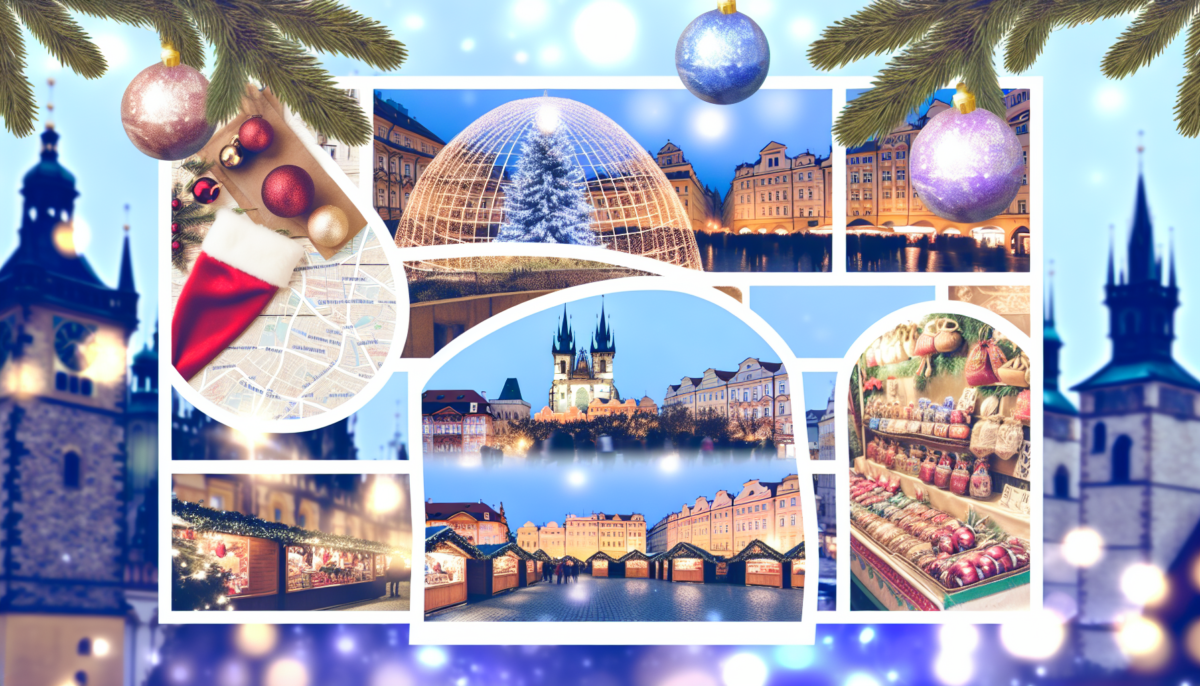
When snow begins to dust the spires of Prague’s Old Town and the aroma of mulled wine mingles with roasted chestnuts in the crisp December air, you know the Prague Christmas markets have arrived. These enchanting seasonal celebrations transform the Czech capital into a winter wonderland that rivals any European destination, drawing over 1.5 million visitors annually to experience authentic Central European holiday traditions.

This comprehensive guide provides everything you need to navigate Prague’s Christmas markets in 2024, from essential dates and prime locations to insider tips that will help you experience the magic like a local. Whether you’re planning your first visit to Prague in December or returning to discover hidden market gems, this resource will ensure you make the most of this spectacular seasonal tradition.

Understanding Prague’s Christmas Market Tradition

Prague’s holiday market tradition dates back to medieval times, though the modern incarnation began in earnest after the Velvet Revolution in 1989. Today, the Prague Christmas markets represent one of Europe’s most authentic and atmospheric seasonal celebrations, maintaining traditional Czech customs while welcoming international visitors.

What Makes Prague Christmas Markets Special

Unlike commercialized markets in some Western European cities, Prague’s Christmas markets retain genuine cultural authenticity. Local artisans sell handcrafted ornaments, wooden toys, and traditional Czech products rather than mass-produced souvenirs. The food offerings showcase regional specialties like trdelník (sweet pastry), klobása (Czech sausage), and svařák (mulled wine with Czech spices).

The architectural backdrop elevates the experience significantly. Markets set against Gothic churches, Baroque palaces, and Art Nouveau buildings create an atmosphere that feels transported from a fairy tale. The combination of authentic traditions, stunning settings, and genuine warmth from vendors makes Prague’s holiday markets distinctly memorable.

Climate and Weather Expectations

December weather in Prague typically ranges from -2°C to 4°C (28°F to 39°F), with occasional snowfall creating postcard-perfect scenes. However, visitors should prepare for cold temperatures, especially during evening visits when markets are most atmospheric. The crisp winter air actually enhances the cozy market atmosphere, making warm beverages and heated wooden stalls even more inviting.

2024 Dates and Operating Hours

Planning your visit requires understanding the specific dates and schedules for Prague Christmas markets in 2024.

Official Market Season

Primary Season: November 30, 2024 – January 6, 2025

Most major Prague Christmas markets follow this extended schedule, opening the weekend after Thanksgiving and continuing through Epiphany. This timing captures both Advent and the Twelve Days of Christmas, reflecting traditional Czech celebration periods.

Daily Operating Hours

Standard Hours:
– Monday-Thursday: 10:00 AM – 10:00 PM
– Friday-Sunday: 10:00 AM – 11:00 PM
– December 24 (Christmas Eve): 10:00 AM – 2:00 PM
– December 25 (Christmas Day): Closed or limited operations
– December 31 (New Year’s Eve): 10:00 AM – 1:00 AM
– January 1 (New Year’s Day): 12:00 PM – 10:00 PM

Best visiting times: Early afternoon (2:00-4:00 PM) offers daylight for photography with manageable crowds. Evening visits (6:00-8:00 PM) provide the most magical atmosphere with full illumination, though crowds peak during these hours, especially on weekends.

Special Event Dates

  • Opening Ceremony: November 30, 2024 (Old Town Square)
  • St. Nicholas Day: December 5-6, 2024 (traditional parades and performances)
  • Christmas Eve Services: December 24, 2024 (various churches near markets)
  • New Year’s Eve Celebrations: December 31, 2024 (extended hours with fireworks)

Major Prague Christmas Market Locations

Prague hosts multiple Christmas markets throughout the city, each offering distinct characteristics and experiences.

Old Town Square (Staroměstské Náměstí)

The flagship location and most iconic of all Prague holiday markets, Old Town Square transforms into a winter wonderland centered around a towering Christmas tree (typically 20-25 meters tall) and an elaborate nativity scene.

What to expect:
– Over 60 wooden stalls arranged in traditional layout
– Daily live performances on the main stage (4:00 PM – 8:00 PM)
– Famous astronomical clock providing hourly entertainment
– Largest selection of traditional Czech handicrafts
– Premium food vendors with longest queues but highest quality
– Most crowded location, especially December weekends

Insider tips: Visit before 11:00 AM on weekdays for photography without crowds. The northeastern corner near St. Nicholas Church offers the best tree photo angles. Vendors near the Jan Hus memorial typically have shorter queues with identical products to those near the tree.

Wenceslas Square (Václavské Náměstí)

The modern alternative to Old Town Square, Wenceslas Square offers a more contemporary market experience along Prague’s main boulevard.

Distinctive features:
– Extended layout stretching 750 meters
– More international food options alongside Czech specialties
– Larger children’s area with carnival rides
– Better accessibility for mobility-limited visitors
– Live music stages at both ends of the square
– Generally lower prices than Old Town Square

Best for: Families with children, visitors seeking easier navigation, those wanting to combine market visits with modern shopping (major retail stores line the square).

Republic Square (Náměstí Republiky)

The hidden gem located near the Municipal House and Powder Gate, this smaller market offers an intimate experience with exceptional architectural surroundings.

Highlights:
– Art Nouveau Municipal House providing stunning backdrop
– Focus on premium Czech wines and craft beers
– Smaller crowds allowing easier vendor interaction
– Excellent late-night atmosphere (open until midnight on weekends)
– Walking distance to Palladium shopping center for weather breaks

Recommended for: Wine enthusiasts, architecture lovers, visitors staying in the city center seeking a quieter alternative.

Lesser Town Square (Malostranské Náměstí)

The castle district market sits beneath Prague Castle in the charming Lesser Town neighborhood, offering a more local-oriented experience.

Unique aspects:
– Predominantly Czech visitors rather than tourists
– Traditional children’s programs and puppet shows
– Exceptional views of Prague Castle illuminated at night
– More affordable prices reflecting local rather than tourist economy
– Authentic Czech carol performances by local choirs

Ideal for: Those seeking authentic local atmosphere, visitors staying near the castle, families with children interested in traditional entertainment.

Additional Notable Locations

Havelská Market: Year-round farmers market with Christmas expansion (November 30 – December 23), offering the freshest local produce and artisan foods.

Kampa Island: Boutique market along the Vltava River featuring contemporary Czech artists and designers, perfect for unique gift shopping.

Prague Castle: Small market within the castle complex (December 1-22), offering premium artisan goods in a exclusive setting.

What to Buy: Products and Souvenirs

Understanding authentic Czech Christmas products ensures you make meaningful purchases while supporting local artisans.

Traditional Handicrafts

Bohemian Crystal and Glass:
Prague’s glassmaking tradition dates back centuries. Look for hand-blown ornaments, crystal figurines, and traditional glass beads. Authentic pieces feature slight irregularities proving handcrafting. Price range: Small ornaments €8-15, larger pieces €25-100+.

Wooden Toys and Decorations:
Traditional Czech woodworking produces charming toys, nutcrackers, and decorations. Seek out items from Krkonoše mountain region artisans. Quality indicators: Smooth finish, natural wood grain visible, signed by craftsperson.

Marionettes and Puppets:
Prague’s puppet theater tradition translates into beautiful handmade marionettes. Traditional characters include kings, devils, and fairy tale figures. Authentic markers: Hand-carved heads, individual facial expressions, Czech-style costuming.

Seasonal Foods and Beverages

Svařák (Mulled Wine):
Czech mulled wine differs from German Glühwein with local spices and typically red wine base. Cost: €3-5 per mug (€1-2 deposit for ceramic mug, which makes an excellent souvenir).

Medovina (Honey Wine/Mead):
Traditional fermented honey beverage, served hot during Christmas markets. Varieties: Sweet, semi-sweet, and spiced versions available.

Trdelník:
Despite recent debates about authenticity, this sweet pastry rolled in cinnamon sugar has become synonymous with Prague Christmas markets. Price: €3-5, often filled with ice cream, Nutella, or whipped cream.

Preserved Foods:
Honey, jams, dried fruits, and traditional Czech gingerbread (perník) make excellent gifts. Look for producers from South Moravia region for highest quality.

Common Pitfalls to Avoid

Overpriced tourist traps: Stalls immediately adjacent to the main Christmas tree typically charge 20-30% premiums. Walk to peripheral stalls for identical products at lower prices.

Mass-produced “Czech” goods: Many ornaments and souvenirs are imported from China. Check for “Made in Czech Republic” labels and examine craftsmanship quality.

Currency exchange at markets: Avoid on-site ATMs and exchange booths charging excessive fees. Use bank ATMs or pay with card (widely accepted at most stalls).

Food and Drink Guide

Prague Christmas markets offer exceptional culinary experiences showcasing Czech holiday traditions.

Essential Foods to Try

Klobása (Czech Sausage):
Grilled over open flames and served with mustard, horseradish, and fresh bread. Premium versions include game meats (wild boar, venison). Cost: €4-7 per serving.

Bramborák (Potato Pancakes):
Crispy fried potato pancakes served with sour cream or garlic sauce, perfect for cold weather. Price: €3-5.

Smažený Sýr (Fried Cheese):
Breaded and deep-fried cheese (typically Edam or Hermelin), served in fresh bread roll. A Czech comfort food staple. Cost: €4-6.

Langoš:
Hungarian-style fried dough topped with garlic, cheese, and optional toppings, surprisingly popular at Prague holiday markets. Price: €4-8 depending on toppings.

Beverage Options

Traditional Hot Drinks:
Svařák: Red mulled wine with traditional Czech spices
Grog: Rum-based hot drink with lemon and spices
Medovina: Hot honey wine with warming properties
Punč: Various flavored punch options (rum, whiskey, or non-alcoholic)

Cost range: €3-6 per serving, with souvenir mugs available for €1-2 additional.

Local Beer:
Several stalls offer Czech beer, though cold beverages seem counterintuitive in December weather. Recommendation: Try hot beer with honey (pivní grog), a traditional Czech winter warmer.

Dining Strategy

Budget allocation: Plan €15-25 per person for satisfying meal including drink at markets. Restaurant alternatives nearby cost €10-15 for similar offerings with seating.

Best value approach: Purchase main dish (sausage or potato pancake) from market stall, then walk to nearby café for warm beverage and seating. This provides authentic market experience while offering comfort breaks.

Insider Tips for Visiting Prague Christmas Markets

Professional travel insights ensure you maximize your Prague December experience.

Timing and Crowd Management

Optimal visiting schedule:
Weekday mornings (10:00 AM-12:00 PM): Minimal crowds, excellent photography conditions, fresh products
Early December (November 30-December 15): Lower visitor numbers, full market operations
Avoid December 20-27: Peak tourist period with maximum crowds and prices

Evening strategy: Arrive by 5:30 PM to secure good viewing positions before illumination (typically 6:00 PM). The magical moment when lights activate across Old Town Square justifies the wait.

Money and Payment

Cash vs. Card: While card acceptance has improved significantly, carry €50-100 in Czech crowns (CZK) for smaller vendors. Exchange rates: €1 ≈ 25 CZK.

ATM locations: Bank ATMs near Old Town Square (on Celetná and Pařížská streets) offer best exchange rates. Avoid Euronet ATMs charging excessive fees.

Tipping culture: Not expected at market stalls, though rounding up appreciated for table service at adjacent restaurants.

Photography Tips

Best photo opportunities:
Old Town Square tree: Northeast corner, 24-50mm lens, arrive before 11:00 AM
Astronomical clock with markets: South side of square, wide-angle lens, evening illumination
Lesser Town with Prague Castle: From Kampa Island bridge, 70-200mm lens, blue hour lighting

Camera settings for night photography: ISO 800-1600, wide aperture (f/2.8 or wider), stabilization essential. Bring tripod for long exposures of illuminated scenes.

Accessibility Considerations

Mobility access: Wenceslas Square offers easiest navigation with flat surfaces and wide pathways. Old Town Square’s cobblestones and crowds present challenges for wheelchairs and strollers.

Family facilities: Baby changing stations available in nearby shopping centers (Palladium, Kotva). Most markets lack dedicated facilities.

Language: English widely spoken at tourist-oriented markets. Learning basic Czech phrases (“Děkuji” – thank you, “Kolik to stojí?” – how much?) enhances interactions at smaller stalls.

Safety and Security

Pickpocket awareness: Prague Christmas markets attract professional thieves targeting distracted tourists. Secure valuables in front pockets or interior jacket pockets. Avoid displaying phones or cameras unnecessarily.

Emergency contacts:
– Police: 158
– Medical emergency: 155
– Tourist Police (English-speaking): +420 974 851 750

Safe areas: All major market locations are well-lit and patrolled. Exercise normal urban precautions after 10:00 PM in less crowded areas.

Combining Markets with Prague Sightseeing

Strategic planning allows you to experience Christmas markets alongside Prague’s renowned attractions.

Half-Day Itinerary: Christmas Market Essentials

Morning (9:00 AM-12:00 PM):
– Start at Old Town Square for photography without crowds
– Visit Astronomical Clock performance (hourly)
– Explore St. Nicholas Church nativity displays
– Browse market stalls before peak hours

Afternoon (12:00 PM-3:00 PM):
– Lunch at traditional Czech restaurant (U Medvídků or Lokál recommended)
– Walk through Jewish Quarter to Lesser Town Square market
– Cross Charles Bridge (less crowded than evening)

Evening (5:00 PM-8:00 PM):
– Return to Old Town Square for illumination
– Attend evening concert at St. Nicholas Church or Municipal House
– Dinner at market with svařák and traditional foods

Full-Day Itinerary: Complete Christmas Experience

Morning:
– Prague Castle complex (arrive at 9:00 AM opening)
– Castle Christmas market for premium artisan goods
– St. Vitus Cathedral visit

Midday:
– Descend to Lesser Town Square market for lunch
– Kampa Island boutique market exploration
– Lennon Wall and Petřín gardens

Afternoon:
– Cross Charles Bridge to Old Town
– Republic Square market visit
– Municipal House tour or café break

Evening:
– Old Town Square for main market experience
– Astronomical Clock evening performance
– Traditional Czech dinner with market dessert

Three-Day Prague Christmas Itinerary

Day 1: Classic Prague + Main Markets
Focus on Old Town Square and Wenceslas Square markets combined with essential Prague sights (Castle, Charles Bridge, Old Town).

Day 2: Local Experience + Hidden Markets
Explore Lesser Town, Kampa Island, and local neighborhoods. Visit during weekday for authentic Czech atmosphere.

Day 3: Day Trip + Evening Market
Morning excursion to Karlštejn Castle or Kutná Hora, return for evening market experience and concert attendance.

Accommodation Recommendations

Strategic lodging choices enhance your Prague Christmas market experience.

Best Neighborhoods for Market Access

Old Town (Staré Město):
Pros: Walking distance to main markets, atmospheric medieval streets, maximum convenience
Cons: Highest accommodation costs (€100-300/night), tourist crowds, limited budget options
Recommended for: First-time visitors, luxury travelers, those prioritizing convenience

New Town (Nové Město):
Pros: Moderate pricing (€60-150/night), excellent metro access, mix of local and tourist areas
Cons: 10-15 minute walk to main markets, less atmospheric architecture
Recommended for: Budget-conscious travelers, longer stays, those seeking local neighborhood feel

Lesser Town (Malá Strana):
Pros: Charming baroque architecture, proximity to Castle and Lesser Town market, quieter evenings
Cons: Premium pricing (€120-250/night), steep hills, limited dining options
Recommended for: Romantic getaways, castle enthusiasts, visitors seeking quieter base

Booking Strategies

Advance reservations: Book 3-4 months ahead for best selection and prices. December represents peak season with 85-95% hotel occupancy.

Value timing: Arrive November 30-December 5 or after December 27 for lower rates while markets remain open.

Apartment alternatives: Airbnb and Booking.com apartments offer better value for families or groups (€80-150/night for 2-bedroom units in central locations).

Weather Preparation and Packing

December weather in Prague demands proper preparation for comfortable market visits.

Essential Clothing

Layering system:
– Base layer: Thermal underwear for extended outdoor time
– Middle layer: Wool sweater or fleece
– Outer layer: Waterproof winter coat with hood
– Accessories: Insulated gloves, warm hat covering ears, scarf

Footwear: Waterproof boots with good traction essential for cobblestones and potential snow/ice. Avoid fashion boots lacking insulation.

Weather Contingencies

Indoor alternatives near markets:
Municipal House: Art Nouveau café and concert hall
Palladium Shopping Center: Modern mall near Republic Square
National Museum: Recently renovated with excellent exhibitions
Various churches: Free entry, beautiful architecture, warm interiors

Heated market facilities: Most major markets offer heated wooden pavilions for food service, providing warming breaks during extended visits.

Transportation and Getting Around

Efficient navigation enhances your Prague Christmas market experience.

Public Transportation

Metro system: Three lines (A-Green, B-Yellow, C-Red) provide excellent coverage. Key stations:
– Můstek (A/B lines): Old Town Square and Wenceslas Square
– Staroměstská (A line): Old Town Square
– Malostranská (A line): Lesser Town Square and Castle

Tram network: Tram 22 (“tourist tram”) connects Castle, Lesser Town, and Old Town. Night trams operate until 4:00 AM.

Tickets: 24-hour pass (€5.50) offers best value for market hopping. Purchase from machines at metro stations or convenience stores.

Walking Distances

Prague’s compact city center makes walking between markets feasible:
– Old Town Square to Wenceslas Square: 7 minutes
– Old Town Square to Republic Square: 5 minutes
– Old Town Square to Lesser Town Square: 15 minutes (across Charles Bridge)
– Wenceslas Square to Republic Square: 10 minutes

Recommended approach: Walk during daylight hours to enjoy architecture, use metro for evening returns when fatigue sets in.

Airport Transfers

Václav Havel Airport Prague connects to city center via:
Airport Express Bus (AE): Direct to main train station, €2, 35 minutes
Public bus + metro: Bus 119 to Nádraží Veleslavín metro, €1.50, 45 minutes total
Taxi: Fixed-price services €25-30, 25-30 minutes (use AAA Taxi or Uber)

Cultural Etiquette and Local Customs

Understanding Czech customs enhances market interactions and overall experience.

Market Behavior

Vendor interactions: Czech vendors appreciate polite greetings (“Dobrý den” – good day) before inquiries. Browse freely but handle delicate items carefully.

Haggling: Not customary at Christmas markets. Prices are fixed, though purchasing multiple items may yield slight discounts.

Queue culture: Czechs respect orderly queues. Wait your turn at popular stalls rather than crowding forward.

Christmas Traditions to Observe

St. Nicholas Day (December 5-6): Angels, devils, and St. Nicholas figures parade through markets distributing sweets to children and coal to “naughty” adults (humorous tradition).

Christmas Eve customs: Markets close early on December 24 as Czechs celebrate with family fish dinners. Respect this family-oriented holiday by planning accordingly.

New Year’s celebrations: Czechs celebrate enthusiastically with fireworks (legal and common). Markets extend hours for New Year’s Eve festivities.

Language Basics

Essential phrases:
– “Dobrý den” (DOH-bree den) – Good day/Hello
– “Děkuji” (DYEH-koo-yee) – Thank you
– “Prosím” (PROH-seem) – Please/You’re welcome
– “Kolik to stojí?” (KOH-lik toh STOH-yee) – How much does it cost?
– “Dobrou chuť” (DOH-broh khoot) – Bon appétit

Language reality: English widely spoken at tourist markets, though learning basic Czech phrases demonstrates cultural respect and often results in warmer interactions.

Beyond the Markets: December Events

Prague’s December calendar extends beyond Christmas markets with exceptional cultural programming.

Concert and Performance Schedule

Classical music venues:
Municipal House – Smetana Hall: Nightly concerts featuring Czech composers
Rudolfinum – Dvořák Hall: Czech Philharmonic performances
St. Nicholas Church: Baroque organ concerts
National Theatre: Opera and ballet performances

Ticket costs: €15-80 depending on venue and seating. Book through official venue websites or reputable agencies like Ticketportal.

Special December Exhibitions

National Gallery: Winter exhibition series typically features Czech masters or international collections.

DOX Centre for Contemporary Art: Cutting-edge installations and exhibitions in Holešovice district.

Museum of Decorative Arts: Christmas ornament and traditional craft exhibitions during December.

Religious Services and Celebrations

Midnight Mass (December 24): St. Vitus Cathedral and Týn Church offer beautiful Christmas Eve services. Arrive early (by 10:30 PM) as seating fills quickly.

Epiphany celebrations (January 6): Traditional Three Kings processions mark the end of Christmas season.

Practical Considerations

Health and Medical

Pharmacies: “Lékárna” marked with green cross sign. 24-hour pharmacy at Palackého 5, New Town.

Travel insurance: Essential for EU visitors despite reciprocal healthcare agreements. Medical care excellent but expensive for non-EU citizens.

COVID considerations: Check current requirements at mzcr.cz before travel. Regulations may affect market operations and capacity.

Communication and Connectivity

SIM cards: Vodafone and T-Mobile offer tourist SIM cards (€10-15 for 7-day unlimited data) at airport and city center locations.

WiFi access: Free WiFi at most cafés, shopping centers, and some market areas. Prague Castle and major squares offer public WiFi networks.

Banking and Currency

Currency exchange: Use bank exchange offices or ATMs. Avoid “0% commission” tourist exchange points with terrible rates.

Credit cards: Widely accepted at markets and restaurants. Visa and Mastercard preferred; American Express less common.

Daily budget estimates:
– Budget traveler: €40-60 (hostel, market food, public transport)
– Mid-range traveler: €100-150 (3-star hotel, restaurant meals, attraction tickets)
– Luxury traveler: €200+ (4-5 star hotel, fine dining, private experiences)

Conclusion: Making the Most of Prague Christmas Markets

Prague’s Christmas markets offer an unparalleled combination of authentic Central European tradition, stunning architectural settings, and genuine cultural warmth that distinguishes them among Europe’s seasonal celebrations. The key to maximizing your experience lies in strategic planning—understanding market locations and their distinct characteristics, timing visits to avoid peak crowds while capturing magical illuminated evenings, and engaging authentically with Czech vendors and traditions.

Essential takeaways for your 2024 visit:

  1. Start early in the season (early December) for smaller crowds and fresh enthusiasm from vendors
  2. Explore beyond Old Town Square to discover authentic local markets with better value and atmosphere
  3. Dress appropriately for extended outdoor time in sub-freezing temperatures
  4. Budget for authentic experiences rather than tourist traps—quality Czech products justify premium prices
  5. Combine markets with cultural programming to experience Prague’s rich artistic traditions alongside seasonal celebrations

The Prague Christmas markets represent more than seasonal shopping—they offer immersion into centuries-old traditions maintained by Czech families and artisans who take genuine pride in their cultural heritage. Whether you’re sipping svařák beneath the illuminated astronomical clock, selecting hand-carved wooden toys from Krkonoše mountain craftspeople, or simply absorbing the magical atmosphere of snow-dusted baroque architecture, these markets create memories that transcend typical tourist experiences.

Ready to plan your visit? Book accommodations 3-4 months in advance, research specific vendors and products that interest you, and prepare to embrace the cold weather as part of the authentic experience. The Prague Christmas markets await with open stalls, warm beverages, and the timeless magic of Czech holiday traditions.

For current updates on 2024 market schedules, vendor lists, and special events, visit the official Prague Tourism website at prague.eu or follow @PragueTourism on social media for real-time updates and insider recommendations.
Kategoriler
** Travel Destinations Europe Travel Travel Guides

15 Hidden Gems in Prague: Secret Spots Tourists Never Find

15 Hidden Gems in Prague: Secret Spots Tourists Never Find

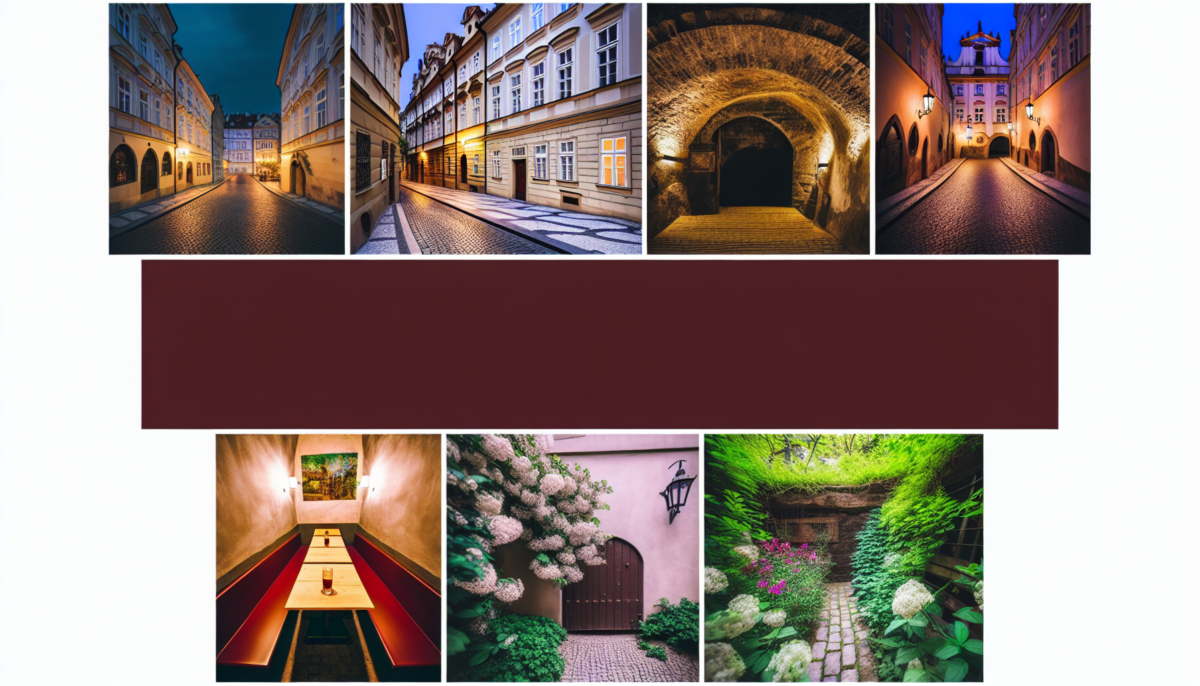
Prague’s iconic Charles Bridge and Old Town Square captivate millions of visitors annually, but beyond these celebrated landmarks lies a different city entirely. While tourists crowd around the Astronomical Clock, locals slip into underground wine cellars, secret gardens, and centuries-old establishments that remain blissfully undiscovered. These prague hidden gems represent the authentic soul of the city—places where history whispers rather than shouts, and where you’ll find yourself genuinely alone with Prague’s remarkable heritage.

This comprehensive guide reveals secret Prague locations that even seasoned travelers miss. From abandoned railway stations transformed into cultural venues to medieval gardens hidden behind unmarked doors, these off beaten path Prague destinations offer something far more valuable than another tourist snapshot: genuine connection with one of Europe’s most enchanting capitals. Each location has been carefully selected based on its historical significance, cultural authenticity, and relative obscurity among international visitors.

Whether you’re a first-time visitor seeking authentic experiences or a returning traveler looking to dig deeper, these prague secrets will transform your understanding of the Czech capital. Let’s explore the hidden side of Prague that guidebooks rarely mention.

1. Vyšehrad Cemetery and Casemates

While tourists flock to the Old Town, Vyšehrad offers a serene alternative with profound historical significance. This ancient fortress complex houses a cemetery where Czech luminaries rest, including composers Antonín Dvořák and Bedřich Smetana, and Art Nouveau artist Alfons Mucha. The sculptural monuments here represent some of the finest examples of Czech funerary art, with elaborate headstones that tell stories of the nation’s cultural renaissance.

Beyond the cemetery, the underground casemates remain one of Prague’s best-kept secrets. These Baroque-era tunnels stretch beneath the fortress, originally designed for military defense and food storage. During your visit, you’ll encounter the original statues from Charles Bridge, protected here from environmental damage. The echo chamber within the casemates produces remarkable acoustic effects—locals claim a whisper can be heard from 40 meters away.

Practical tip: Visit during weekday mornings for an almost private experience. The fortress walls provide stunning panoramic views of Prague without the crowds at Prague Castle. Entry to the casemates costs approximately 60 CZK ($2.70), and guided tours reveal fascinating details about Prague’s military history that most visitors never discover.

The Vyšehrad gardens surrounding the fortress bloom spectacularly in spring, offering peaceful walking paths where you’ll encounter more locals than tourists. This represents authentic Prague—contemplative, beautiful, and refreshingly uncrowded.

2. Speculum Alchemiae: The Hidden Alchemist’s Laboratory

Tucked beneath a 16th-century house in Old Town lies an authentic alchemical laboratory that remained sealed and forgotten for over 200 years. Speculum Alchemiae was rediscovered accidentally during renovations in 2002, revealing preserved alchemical equipment, secret passages, and chambers where Rudolf II’s court alchemists once attempted to transform lead into gold.

This underground network connects to Prague’s legendary alchemical history. Emperor Rudolf II invited Europe’s greatest minds to Prague, creating a golden age of mystical and scientific experimentation. The laboratory features original furnaces, distillation equipment, and manuscripts that document Renaissance-era chemical processes. Your guide—often a historian specializing in alchemical traditions—explains how these “magicians” were actually early chemists whose work laid foundations for modern science.

The tour reveals secret escape routes that alchemists used when experiments went wrong or when they needed to flee persecution. These tunnels connected various houses in Old Town, creating an underground network that few modern Praguers even know exists. The cramped, atmospheric spaces transport you directly to Prague’s mystical past.

Booking essential: This attraction operates by appointment only, with tours limited to small groups of 4-8 people. Contact them several days in advance through their website. Tours run approximately 50 minutes and cost 400 CZK ($18) per person. The entrance is intentionally unmarked—you’ll receive specific instructions upon booking.

3. Riegrovy Sady Beer Garden

Locals guard this elevated beer garden fiercely, though its secret status is gradually fading among savvy travelers. Riegrovy Sady sits atop a hill in Vinohrady district, offering spectacular castle views that rival those from tourist-packed observation decks—except here, you’ll enjoy them with a half-liter of excellent Czech beer for under $2.

This sprawling park becomes Prague’s living room during warm months. Families picnic on the lawns, friends gather around communal tables, and the beer garden’s relaxed atmosphere represents authentic Czech social culture. Unlike tourist-oriented establishments, prices remain reasonable, and you’ll hear more Czech than English around you. The beer garden serves traditional snacks including utopenci (pickled sausages) and nakládaný hermelín (marinated cheese) that pair perfectly with the local brews.

The sunset view from Riegrovy Sady ranks among Prague’s finest. As the sky turns orange and pink behind Prague Castle’s silhouette, you’ll understand why locals consider this their favorite outdoor space. The park itself features walking paths, playgrounds, and quiet corners perfect for reading or contemplation.

Insider knowledge: The beer garden operates seasonally (April through October), weather permitting. Arrive before 6 PM on weekends to secure a table with castle views. The walk from Jiřího z Poděbrad metro station takes approximately 10 minutes uphill—consider it your workout before the beer.

4. Vrtba Garden: Baroque Splendor in Miniature

Hidden behind an inconspicuous doorway on Karmelitská Street lies what many experts consider Prague’s most beautiful Baroque garden. Vrtba Garden ascends the hillside in terraced splendor, decorated with sculptures, fountains, and frescoes that exemplify 18th-century garden design principles. Despite its proximity to Lesser Town’s main thoroughfare, most tourists walk past the unmarked entrance without a second glance.

This UNESCO-protected garden represents Italian Baroque aesthetics adapted to Prague’s hilly terrain. The terraced design creates intimate spaces that reward slow exploration. Sculptures by Matthias Braun—who also created works for Charles Bridge—adorn the staircases and balustrades. The sala terrena (garden pavilion) features ceiling frescoes depicting mythological scenes that have been meticulously restored to their original brilliance.

From the upper terrace, you’ll enjoy privileged views across Lesser Town’s red roofs toward Prague Castle. This perspective reveals the city’s architectural harmony in a way that street-level tourism never can. The garden’s compact size (just 334 square meters) creates an intimate atmosphere, though this also means capacity limits during peak season.

Visiting strategy: Entry costs 100 CZK ($4.50) and includes a brief information sheet in English. The garden opens April through October, typically 10 AM to 6 PM. Visit midday when most tourists are at lunch, or late afternoon for the best photographic light. The entrance is at Karmelitská 25, marked only by a small plaque—look for the doorway between two shops.

5. Náplavka Farmers Market and Riverfront

Every Saturday, Prague’s riverside transforms into a vibrant market that showcases Czech agricultural traditions and artisanal production. The Náplavka embankment hosts farmers, bakers, cheesemakers, and craftspeople selling directly to locals who prize quality and authenticity over supermarket convenience. This represents off-beaten-path Prague at its most genuine—a weekly ritual where the city’s food culture comes alive.

The market extends along the Vltava River near Palackého náměstí, offering everything from organic vegetables and farmhouse cheeses to fresh-baked pastries and locally roasted coffee. Unlike tourist-oriented markets, prices reflect actual value rather than inflated visitor rates. You’ll encounter products rarely seen outside Czech Republic: trdelník made traditionally (not the tourist version), raw milk cheeses from Moravian farms, and fruit wines from small regional producers.

Beyond shopping, Náplavka serves as Prague’s alternative social scene year-round. The embankment hosts floating bars, food trucks, and casual gathering spots where young Praguers congregate during summer evenings. Boat clubs occupy permanent positions along the river, their decks open to anyone seeking riverside refreshment. This represents Prague’s creative, informal side—far removed from orchestrated tourist experiences.

Local tip: The farmers market runs Saturdays 8 AM to 2 PM. Arrive early (before 10 AM) for the best selection, or come around 1 PM when vendors often discount remaining items. Bring cash, as not all vendors accept cards. During summer weekends, the entire embankment buzzes with activity from morning until late evening.

6. The Museum of Senses

Tucked away on Jindřišská Street, this interactive museum challenges perception through optical illusions, sensory experiments, and immersive installations. The Museum of Senses remains remarkably under-visited despite its central location, offering an engaging experience that appeals to curious minds of all ages. Unlike traditional museums, this space encourages touching, playing, and questioning how our brains interpret sensory information.

The exhibits span two floors, featuring everything from the classic Ames room (where people appear to grow or shrink) to infinity mirrors, vortex tunnels, and gravity-defying installations. Educational panels explain the neuroscience behind each illusion, making this both entertaining and intellectually stimulating. The anti-gravity room particularly fascinates visitors—a tilted space that makes standing upright feel impossible.

This hidden gem proves especially valuable during Prague’s occasional rainy days, offering indoor entertainment that doesn’t require museum fatigue or historical knowledge. The relaxed atmosphere encourages experimentation and photography, making it popular with locals seeking unconventional date locations or family outings. Staff members speak English and enthusiastically explain the science behind particularly perplexing illusions.

Practical information: Tickets cost 270 CZK ($12) for adults, with discounts for students and families. The museum opens daily 9 AM to 8 PM, with last entry at 7 PM. Plan for 60-90 minutes to experience all installations thoroughly. Photography is encouraged throughout—bring your camera for truly unique Prague photos that don’t feature another church or bridge.

7. Křižík Fountain: Eastern Europe’s Largest Musical Fountain

While tourists crowd Old Town squares, locals head to Výstaviště Exhibition Grounds for spectacular evening fountain shows that combine water, light, and music. Křižík Fountain has entertained Praguers since 1891, though modern upgrades now feature LED lighting, synchronized water jets, and programming that ranges from classical compositions to contemporary pop music—all choreographed with remarkable precision.

The fountain performances occur in an outdoor amphitheater that seats thousands, yet remains relatively unknown among international visitors. Shows last approximately 40 minutes, featuring water jets that dance up to 15 meters high, illuminated by over 1,200 lights creating constantly shifting color patterns. The experience feels part theme park, part artistic performance—thoroughly entertaining without intellectual pretension.

Beyond the fountain, Výstaviště grounds offer additional discoveries: the industrial-modern Lapidárium (sculpture museum), Marold’s Panorama (a 360-degree painting depicting the 1434 Battle of Lipany), and various seasonal exhibitions. The grounds themselves showcase early 20th-century exhibition architecture, including the elegant Palace of Industry with its Art Nouveau details.

Planning your visit: The fountain operates spring through autumn, typically with evening shows at 7 PM, 8 PM, and 9 PM. Ticket prices vary by seating location (150-250 CZK/$7-11), with unreserved seating available. Check the current schedule online, as performances don’t run every night. Reach Výstaviště via tram 5, 12, 15, or 17 to Výstaviště stop. Arrive 20 minutes early for optimal seating choices.

8. Petřín Tower and Mirror Maze

Though technically not entirely secret, Petřín Tower receives far fewer visitors than its visibility would suggest. This 63-meter observation tower—Prague’s answer to the Eiffel Tower—sits atop Petřín Hill, accessible via a funicular railway that many tourists never discover. The tower offers superior views compared to crowded Old Town observation decks, with enough breathing room to actually enjoy them.

The climb involves 299 stairs, but the panoramic reward justifies every step. From the top, you’ll see Prague’s entire urban sprawl: the castle complex, Vltava River bridges, Old Town’s spires, and the modern developments beyond the historic center. Unlike Prague Castle’s viewpoints, Petřín’s elevation provides true 360-degree perspectives. The surrounding park—Petřín Gardens—offers peaceful walking paths, rose gardens, and shaded benches perfect for escaping summer heat.

Adjacent to the tower, the Mirror Maze provides quirky entertainment housed in a small castle-like structure. Originally built for the 1891 Jubilee Exhibition, this labyrinth uses mirrors to create seemingly endless corridors and amusing distortions. The finale features a diorama depicting the 1648 Battle of Prague on Charles Bridge, where Czech students defended the city against Swedish forces.

Visitor guidance: Combined tickets for tower, maze, and observatory cost 220 CZK ($10). The funicular from Újezd uses standard Prague public transport tickets. Visit during weekday afternoons for minimal crowds. The surrounding Petřín Gardens feature additional discoveries including an observatory, rose gardens, and a miniature version of Prague’s Hunger Wall—a 14th-century fortification built to provide employment during famine.

9. Café Louvre: Historic Literary Café

While tourists line up at trendy specialty coffee shops, knowledgeable locals head to Café Louvre, a historic establishment where Franz Kafka, Albert Einstein, and Karel Čapek once debated ideas over coffee and pastries. This restored Art Deco gem maintains authentic Central European café culture—the kind of place where reading a newspaper over a single coffee for two hours remains perfectly acceptable.

Opened in 1902, Café Louvre survived communist-era neglect and post-revolution renovations to emerge as a functioning piece of Prague’s intellectual heritage. The interior retains original fixtures, marble tables, and the unhurried atmosphere that characterized pre-war café society. Unlike tourist-oriented establishments that prioritize turnover, Louvre embraces slow service as a feature rather than a bug—this is where you come to linger, think, and observe.

The menu balances traditional Czech offerings with international options. Their svíčková (marinated beef with cream sauce) exemplifies Czech cuisine at its finest, while breakfast options include everything from eggs Benedict to traditional Czech pastries. The attached billiard hall preserves another layer of historical authenticity—these spaces once served as crucial social venues where business, politics, and culture intersected.

Dining recommendations: Café Louvre opens daily at 8 AM, with breakfast served until noon. Expect to pay 250-400 CZK ($11-18) for main courses—reasonable by Prague standards. Reservations unnecessary except weekend brunches. The café occupies the first floor at Národní 22, accessible by elevator or stairs. Visit late afternoon (3-5 PM) for the most authentic café atmosphere when locals arrive for svačina (afternoon coffee and cake).

10. The Dancing House Rooftop Bar

Most visitors photograph Prague’s Dancing House (nicknamed “Fred and Ginger”) from street level without realizing the building contains a remarkable rooftop restaurant and bar. This Frank Gehry-designed architectural icon sparked controversy when completed in 1996, its deconstructivist style contrasting sharply with Prague’s Baroque and Art Nouveau surroundings. Today, it represents Prague’s contemporary architectural confidence.

The seventh-floor Glass Bar offers some of Prague’s finest elevated views, combining castle vistas with perspectives along the Vltava River. Unlike observation decks that rush visitors through, here you can settle in with a cocktail and watch the city transition from day to evening. The interior design embraces the building’s unconventional geometry, with curved walls and tilted perspectives that complement views of Prague’s more traditional architecture.

The attached restaurant, Ginger & Fred, serves modern Czech cuisine with international influences—creative interpretations of traditional dishes using seasonal ingredients. While prices reflect the upscale setting, the lunch menu offers relatively accessible options (300-500 CZK/$13-22) that include the rooftop experience without dinner-level investment.

Access details: The Glass Bar welcomes non-dining visitors, though weekend evenings may require reservations. Dress code is smart casual—avoid tourist attire like shorts and athletic wear. Entry to the building is free, but expect to purchase at least drinks at the bar. The address is Jiráskovo náměstí 1981/6, easily reached via tram to Jiráskovo náměstí stop. Visit during sunset for optimal photographic conditions and atmospheric ambiance.

11. Letná Beer Garden and Metronome

Perched above the Vltava River, Letná Park provides locals’ favorite combination: stunning views, affordable beer, and grass for lounging. The beer garden here operates seasonally, offering the same spectacular castle panoramas that tourists pay premium prices to see elsewhere—except you’ll enjoy them with authentic Czech beer at local prices (around 45 CZK/$2 per half-liter).

The massive metronome nearby stands as Prague’s most successful post-communist monument—a 24-meter kinetic sculpture occupying the spot where a giant Stalin statue once loomed. The metronome’s constant motion symbolizes time’s passage and history’s impermanence, though most locals simply appreciate the flat plaza it occupies as a skateboarding venue and gathering space. This represents Prague’s pragmatic approach to public space—less concerned with symbolic meaning than functional use.

Letná’s appeal extends beyond the beer garden. The park’s expansive lawns host families, joggers, and groups of friends throughout the year. Food trucks occasionally appear during summer weekends, and the park connects to a network of paths leading down to the river or across to other Prague neighborhoods. This is where you see Prague living rather than performing for visitors.

Local approach: The beer garden operates April through October, weather-dependent. Bring cash, as card payment isn’t guaranteed. The walk from Hradčanská metro station takes 10 minutes through pleasant residential streets. Visit during weekday evenings for the most authentic local atmosphere, or weekend afternoons for livelier energy. The nearby Hanavský Pavilion (a restored Art Nouveau structure) offers upscale dining with similar views if beer gardens aren’t your preference.

12. DOX Centre for Contemporary Art

Prague’s premier contemporary art venue remains surprisingly under-visited despite housing world-class exhibitions and architecture. DOX Centre occupies a converted factory in Holešovice district, far from tourist routes but easily accessible via metro. This distance from the historic center actually enhances its authenticity—you’ll experience the museum as Praguers do, as a destination worth traveling to rather than something stumbled upon.

The industrial spaces host rotating exhibitions featuring international contemporary artists alongside Czech talents. Recent shows have explored everything from digital art and environmental activism to architectural innovation and social commentary. The attached Gulliver airship—a distinctive sculptural addition hanging beside the main building—contains a library and reading room that overlooks the entire complex.

DOX represents Prague’s contemporary creative scene, which thrives outside the historic center’s constraints. The museum’s bookshop stocks exceptional art publications and design objects, while the café serves excellent coffee in a minimalist setting that contrasts sharply with Old Town’s Baroque excess. This is where you encounter Prague’s forward-looking creative community rather than its tourist-focused historical presentation.

Visiting information: Entry costs 200 CZK ($9) for adults, with discounts for students. The centre opens Wednesday through Monday, 11 AM to 6 PM (closed Tuesdays). Plan for 90-120 minutes to experience current exhibitions thoroughly. Reach DOX via metro C to Nádraží Holešovice, then tram 1, 3, or 25 toward Ortenovo náměstí. The museum’s website provides English information about current exhibitions—check before visiting to ensure the programming interests you.

13. Žižkov Television Tower Observation Deck

Prague’s most controversial structure—the Žižkov Television Tower—offers the city’s highest observation deck at 93 meters, yet receives a fraction of the visitors that crowd lower viewpoints. Built during the 1980s, this communist-era tower initially sparked outrage for disrupting Prague’s historic skyline. Today, it stands as a distinctive landmark, with the added surrealism of giant crawling baby sculptures by artist David Černý attached to its exterior.

The observation deck provides unparalleled 360-degree views, extending far beyond Prague’s borders on clear days. You’ll see the city from a perspective impossible elsewhere—looking down on Prague Castle rather than up at it, understanding the city’s geographic layout, and appreciating how Prague nestles within surrounding hills. The tower’s height makes even Old Town’s spires appear diminutive, contextualizing the historic center within greater Prague’s sprawl.

Inside, the tower houses a surprisingly upscale restaurant, cocktail bar, and even a hotel room for those seeking truly unique accommodation. The observation deck itself features informational displays identifying landmarks and explaining Prague’s urban development. This represents Prague without romanticism—a modern, functioning city rather than an open-air museum.

Practical details: Observation deck tickets cost 250 CZK ($11). The tower opens daily 9 AM to midnight, with last entry at 11:30 PM. Evening visits offer spectacular city lights, particularly impressive during winter when darkness arrives early. Access via metro A to Jiřího z Poděbrad, then a 10-minute walk through residential Žižkov neighborhood. The tower’s base houses a café with outdoor seating—a good spot for deciding whether the observation deck interests you.

14. Kampa Island and Museum

While Charles Bridge receives millions of visitors, the Kampa Island directly beneath it remains relatively peaceful. This artificial island—created by a mill stream called Čertovka (Devil’s Stream)—feels like a village within the city, with quiet squares, historical buildings, and the exceptional Museum Kampa dedicated to Central European modern art.

The museum occupies the historic Sova Mills, its galleries displaying František Kupka’s pioneering abstract works alongside contemporary Central European artists. The permanent collection traces the development of modernism in this region, offering context that Western-focused art histories often omit. Temporary exhibitions feature international contemporary artists, making repeat visits worthwhile. The museum’s riverside café provides peaceful water views and excellent coffee—a perfect refuge after Charles Bridge’s crowds.

Kampa’s quietest discovery is the John Lennon Wall, though calling it “hidden” requires qualification—it’s increasingly popular but still less crowded than major attractions. Since the 1980s, this wall has served as an ever-changing canvas for graffiti artists, political statements, and Lennon tributes. What began as communist-era protest art continues as Prague’s most democratic public art space, where anyone can contribute to the ongoing visual conversation.

Exploring strategy: The island is always accessible—simply descend the stairs from Charles Bridge’s Lesser Town side. Museum Kampa opens daily 10 AM to 6 PM, with entry at 280 CZK ($12.50). The island’s southern end features a park perfect for picnicking with castle views. Visit early morning or evening when day-trippers have departed—you’ll often have entire squares to yourself. The adjacent water mill wheels still turn, providing a reminder of the island’s industrial heritage.

15. Invalidovna Farmers Market

Every Wednesday and Saturday, locals from across Prague converge on Invalidovna for the city’s most authentic farmers market. Unlike tourist-oriented markets in Old Town, Invalidovna serves neighborhood residents seeking fresh produce, artisanal products, and direct relationships with regional farmers. This represents Czech food culture in its most genuine form—practical, quality-focused, and refreshingly free of tourist performance.

The market sprawls around Invalidovna metro station, featuring dozens of vendors selling seasonal vegetables, fruits, dairy products, fresh fish, and prepared foods. You’ll encounter items rarely exported beyond Czech Republic: fresh curds for traditional desserts, various preparations of syrečky (small cheeses), and seasonal specialties like spring’s medvědí česnek (wild garlic) or autumn’s forest mushrooms. Prices reflect actual value—significantly lower than supermarkets for comparable quality.

Beyond shopping, Invalidovna provides anthropological insight into Czech daily life. Watch how locals carefully select produce, engage in detailed conversations with farmers about growing methods, and prioritize seasonal eating patterns that urban Western cultures have largely abandoned. The market’s democratic atmosphere—everyone from pensioners to young families—illustrates how food shopping remains a social practice rather than mere transaction.

Market details: Operating hours are 7 AM to 2 PM on market days, with peak activity 9 AM to noon. Reach Invalidovna via metro B to Invalidovna station—the market surrounds the station plaza. Bring cash and reusable shopping bags. Visit in May or September for the widest seasonal variety. If market shopping doesn’t interest you, the adjacent Karlín neighborhood offers excellent restaurants and cafés where you can enjoy coffee while observing market activity.

Conclusion

These hidden gems in Prague reveal a city far richer than its tourist highlights suggest. While millions photograph Charles Bridge and the Astronomical Clock, these secret locations offer something more valuable: authentic connection with Prague’s living culture, historical depth, and contemporary creativity. From underground alchemist laboratories to rooftop bars with privileged views, from Baroque gardens to contemporary art venues, these destinations showcase Prague’s remarkable diversity beyond its medieval core.

The true value of exploring off beaten path Prague extends beyond bragging rights or unique photographs. These locations provide context that transforms Prague from a beautiful backdrop into a comprehensible place—a city where people live, work, create, and maintain traditions while embracing modernity. They reveal the layers of history that make Prague significant beyond its aesthetic appeal, from medieval alchemy to communist-era architecture, from literary café culture to contemporary art movements.

Your Prague adventure begins now. Armed with these insider recommendations, you’re equipped to experience the city as few visitors do—with depth, authenticity, and genuine discovery. Whether you’re planning your first visit or returning for deeper exploration, these prague secrets will transform your experience from tourist checklist to meaningful travel. Book those flights, download offline maps, and prepare to discover the Prague that locals have cherished for generations. The city’s hidden treasures await your exploration.

Kategoriler
** Travel Destinations Day Trips Europe Travel

20 Best Day Trips from Prague: Castles, Towns & Nature Escapes Within 2 Hours

20 Best Day Trips from Prague: Castles, Towns & Nature Escapes Within 2 Hours

Prague’s cobblestone streets and Gothic spires captivate millions of visitors annually, but venture beyond the capital’s medieval core, and you’ll discover a Czech Republic rich with fairy-tale castles, UNESCO World Heritage sites, and pristine natural landscapes. The best day trips from Prague offer accessible escapes that transform a standard city break into an immersive Central European adventure—without requiring overnight stays or extensive travel logistics.

Within a two-hour radius of Prague lies an exceptional concentration of historical, cultural, and natural attractions. From the silver-mining heritage of Kutná Hora to the dramatic rock formations of Bohemian Switzerland, these prague excursions provide diverse experiences that complement your urban exploration. Whether you’re seeking architectural marvels, outdoor adventures, or authentic Czech culture away from tourist crowds, the surrounding Bohemian and Moravian regions deliver memorable experiences that rival the capital itself.

This comprehensive guide presents 20 carefully curated places near prague, each selected for its unique appeal, accessibility, and cultural significance. We’ve organized these destinations to help you maximize your time, whether you have just one day to spare or are planning multiple prague day tours throughout your visit.

1. Kutná Hora: UNESCO Silver Mining Town

Kutná Hora stands as one of the most historically significant day trips from Prague, located just 80 kilometers east of the capital. This UNESCO World Heritage site flourished during the 14th century as Europe’s silver mining powerhouse, generating wealth that rivaled Prague itself. Today, visitors encounter a remarkably preserved medieval townscape that showcases Gothic architecture at its finest.

The crown jewel is St. Barbara’s Cathedral, a masterpiece of late Gothic design featuring soaring vaulted ceilings and stunning stained-glass windows. The cathedral’s construction spanned over 500 years, resulting in architectural elements that chronicle the evolution of Gothic style. Adjacent to the cathedral, the Italian Court served as the royal mint where Prague groschen—medieval Europe’s most trusted currency—were produced.

However, Kutná Hora’s most distinctive attraction is the Sedlec Ossuary, commonly known as the Bone Church. This small Roman Catholic chapel contains the artistically arranged skeletal remains of approximately 40,000 people, including elaborate chandeliers, coats of arms, and decorative elements all constructed from human bones. While macabre, the ossuary represents a profound meditation on mortality and showcases remarkable craftsmanship.

Travel time: 1 hour by direct train | Recommended duration: Full day | Best for: History enthusiasts, architecture lovers, photography

2. Český Krumlov: Bohemian Fairy-Tale Town

Český Krumlov consistently ranks among the most spectacular prague excursions, offering a perfectly preserved Renaissance townscape that appears frozen in the 16th century. Located 180 kilometers south of Prague, this UNESCO World Heritage site nestles within a horseshoe bend of the Vltava River, creating a dramatic natural amphitheater for its architectural treasures.

The Český Krumlov Castle complex—the second-largest in the Czech Republic after Prague Castle—dominates the skyline with its distinctive painted tower visible for kilometers. The castle’s baroque theater, one of only a handful remaining worldwide with original stage machinery and scenery, offers rare glimpses into 18th-century performing arts. The castle gardens provide panoramic views across the terracotta rooftops toward the Church of St. Vitus.

Beyond the castle, the old town’s labyrinthine streets reward aimless wandering with hidden courtyards, artisan workshops, and riverside cafés. The town has successfully balanced tourism with authentic Czech culture, maintaining traditional restaurants serving Bohemian specialties alongside contemporary galleries and craft beer establishments.

Travel time: 2.5 hours by bus (slightly beyond 2-hour range but worth it) | Recommended duration: Full day | Best for: Romantics, culture seekers, photographers

3. Karlštejn Castle: Gothic Fortress Stronghold

Perched atop a forested hill just 30 kilometers southwest of Prague, Karlštejn Castle embodies the archetypal medieval fortress. Emperor Charles IV commissioned this Gothic stronghold in 1348 specifically to safeguard the Bohemian crown jewels and his extensive collection of holy relics. The castle’s strategic hilltop position and imposing stone towers create an immediately recognizable silhouette against the Bohemian landscape.

The castle’s architectural hierarchy reflects medieval spiritual beliefs, with buildings ascending the hillside in order of sacred importance. The Great Tower houses the Chapel of the Holy Cross, whose walls and vaulted ceiling are adorned with over 2,000 semi-precious stones and 129 Gothic panel paintings by Master Theodoric—representing one of Central Europe’s most significant Gothic art collections.

The surrounding village offers pleasant restaurants and walking trails through the Bohemian karst landscape. The approach to the castle involves a moderate uphill walk through deciduous forest, making comfortable footwear essential. While interiors can only be viewed on guided tours, the experience provides authentic insights into medieval royal life and 14th-century defensive architecture.

Travel time: 40 minutes by train | Recommended duration: Half day | Best for: History buffs, families, castle enthusiasts

4. Bohemian Switzerland National Park: Sandstone Wonderland

Bohemian Switzerland National Park offers the most dramatic natural landscapes among places near Prague, featuring otherworldly sandstone formations that have captivated visitors since the Romantic era. Located approximately 130 kilometers north of Prague near the German border, this geological wonderland showcases towering rock pillars, deep gorges, and dense forests that inspired German Romantic painters in the 19th century.

The park’s signature attraction, Pravčická brána, stands as Europe’s largest natural sandstone arch, spanning 26 meters with an arch height of 16 meters. The formation served as a filming location for “The Chronicles of Narnia” and provides perspective on the erosive forces that shaped this landscape over millions of years. A nearby falcon’s nest viewpoint offers panoramic vistas across the Elbe River valley toward the Saxon Switzerland continuation in Germany.

The Kamenice River gorges provide another highlight, featuring boat rides through narrow chasms where vertical sandstone walls rise directly from emerald waters. Well-marked hiking trails range from easy riverside walks to challenging scrambles requiring fixed chains and ladders. The Edmund Gorge and Wild Gorge sections offer the most photogenic passages.

Travel time: 1.5 hours by car or train plus bus | Recommended duration: Full day | Best for: Hikers, nature photographers, outdoor enthusiasts

5. Terezín: Sobering Holocaust Memorial

Terezín represents one of the most historically significant yet emotionally challenging prague day tours. Located 60 kilometers north of Prague, this fortress town served as a Nazi concentration camp and Jewish ghetto during World War II. Between 1941 and 1945, approximately 150,000 Jews passed through Terezín, with roughly 33,000 dying in the ghetto and another 88,000 deported to extermination camps.

The Terezín Memorial preserves this history through multiple sites, including the Small Fortress (Gestapo prison), the Ghetto Museum, and the crematorium. The museum presents the tragic paradox of Terezín’s role as a Nazi propaganda tool—presented to the Red Cross as a “model Jewish settlement” while functioning as a way station to Auschwitz. Exhibits showcase the remarkable cultural life prisoners maintained, including concerts, theatrical performances, and children’s artwork.

The experience demands emotional preparation and respectful contemplation. Educational panels provide historical context in multiple languages, explaining both the specific history of Terezín and its place within the broader Holocaust. The memorial serves crucial educational purposes, ensuring these atrocities remain documented and remembered.

Travel time: 1 hour by bus | Recommended duration: Half day | Best for: History students, educational visits, memorial tourism

6. Konopiště Castle: Archduke’s Hunting Lodge

Konopiště Castle offers insights into early 20th-century aristocratic life as the beloved residence of Archduke Franz Ferdinand, whose 1914 assassination triggered World War I. Located just 45 kilometers southeast of Prague, this Gothic castle underwent extensive Renaissance and Baroque modifications before Franz Ferdinand transformed it into a comfortable country estate filled with his eclectic collections.

The castle’s interiors showcase the Archduke’s obsessions: over 300,000 hunting trophies line the corridors and rooms, creating an overwhelming display that contemporary sensibilities find both fascinating and disturbing. His armor collection numbers over 4,000 pieces, representing one of Europe’s finest private assemblages. The rose garden contains over 200 varieties, reflecting Franz Ferdinand’s softer interests alongside his hunting passions.

The estate’s English-style landscaped park features peacocks roaming freely, ornamental ponds, and walking paths through mature woodland. St. George’s Chapel contains the crypt where Franz Ferdinand initially intended his burial before political circumstances dictated Vienna interment. Three different tour routes explore various aspects of the castle, with Tour III providing the most intimate glimpse into the Archduke’s private apartments.

Travel time: 45 minutes by train | Recommended duration: Half day | Best for: History enthusiasts, architecture lovers, garden admirers

7. Pilsen: Beer Culture Capital

Pilsen (Plzeň) claims legitimate status as a pilgrimage site for beer enthusiasts, being the birthplace of Pilsner Urquell—the world’s first pale lager and the beer style that conquered global markets. Located 90 kilometers west of Prague, this industrial city combines brewing heritage with impressive architecture and authentic Czech culture away from tourist crowds.

The Pilsner Urquell Brewery tour ranks among the most comprehensive brewery experiences in Europe, exploring 9 kilometers of historic cellars where beer still matures in oak barrels. The tour explains the 1842 brewing innovation that created the golden, hoppy beer style now accounting for roughly 70% of global beer production. The experience culminates with unfiltered Pilsner Urquell tapped directly from oak barrels—a taste unavailable anywhere else.

Beyond beer, Pilsen’s Republic Square showcases the Gothic St. Bartholomew’s Cathedral with the Czech Republic’s tallest church tower at 102 meters. The Great Synagogue, Europe’s second-largest, demonstrates the city’s significant Jewish heritage. Pilsen’s designation as European Capital of Culture 2015 spurred cultural infrastructure development, creating excellent museums and performance venues.

Travel time: 1 hour by train | Recommended duration: Full day | Best for: Beer lovers, cultural tourists, food enthusiasts

8. Karlovy Vary: Thermal Spa Elegance

Karlovy Vary represents Czech spa culture at its most refined, offering therapeutic thermal springs within stunning Belle Époque architectural settings. Located 130 kilometers west of Prague, this elegant resort town has attracted European aristocracy, artists, and politicians since the 14th century. Twelve principal thermal springs deliver mineral-rich waters ranging from 30°C to 72°C, each with distinct therapeutic properties.

The Mill Colonnade exemplifies the town’s architectural grandeur—a neo-Renaissance masterpiece featuring 124 columns and five thermal springs accessible to visitors. The tradition involves purchasing a special spa cup (lázeňský pohárek) and sampling waters from different springs, each purportedly benefiting specific health conditions. The Hot Spring Colonnade contains the Vřídlo, Karlovy Vary’s most powerful spring, ejecting water 12 meters high at 72°C.

Beyond thermal waters, Karlovy Vary produces the famous herbal liqueur Becherovka and delicate spa wafers (lázeňské oplatky). The town’s hillside location provides numerous scenic viewpoints accessible via funicular railway. The Diana Observation Tower offers panoramic vistas across the town’s colorful architecture nestled within forested valleys.

Travel time: 2 hours by bus | Recommended duration: Full day | Best for: Wellness seekers, architecture enthusiasts, couples

9. Křivoklát Castle: Medieval Hunting Retreat

Křivoklát Castle ranks among Bohemia’s oldest and most historically significant castles, serving Czech royalty as a hunting lodge and fortress since the 12th century. Located 60 kilometers west of Prague within the protected landscape area of Křivoklátsko, this Gothic castle maintains remarkable authenticity, having avoided the Renaissance and Baroque renovations that transformed most Czech castles.

The castle’s Great Hall features late Gothic vaulted ceilings and royal portraits spanning centuries of Bohemian history. The castle chapel contains a remarkable Gothic altar and period frescoes. The prison tower tells darker stories—the castle served as a state prison where alchemist Edward Kelley was imprisoned after failing to produce gold for Rudolf II. The library houses over 52,000 volumes, including valuable medieval manuscripts.

The surrounding Křivoklátsko Protected Landscape Area encompasses pristine forests ideal for hiking, with marked trails connecting to nearby villages. The castle’s position atop a rocky promontory overlooking the Berounka River creates dramatic viewpoints. October sees the castle hosting medieval festivals with period costumes, demonstrations of historical crafts, and falconry displays.

Travel time: 1 hour by train | Recommended duration: Half day | Best for: Medieval history enthusiasts, families, hikers

10. Lednice-Valtice Cultural Landscape: UNESCO Garden Realm

The Lednice-Valtice Cultural Landscape represents one of Europe’s largest designed landscapes, spanning 283 square kilometers of interconnected parks, gardens, and architectural features. Located 220 kilometers southeast of Prague (slightly beyond typical day trip range but manageable for early starters), this UNESCO World Heritage site showcases the Liechtenstein family’s 17th-19th century landscaping ambitions.

Lednice Château exemplifies Gothic Revival architecture, featuring elaborate turrets, ornamental gardens, and a massive greenhouse containing tropical and subtropical plants. The château’s English-style park includes romantic features like the 60-meter Minaret viewpoint, the Temple of Apollo, and the Colonnade overlooking an artificial lake. Boat rentals allow exploration of the waterways connecting various landscape features.

Valtice Château, seven kilometers distant, presents Baroque architectural grandeur and houses the National Wine Centre, where visitors can taste wines from all Czech wine regions. The landscape between the châteaux features tree-lined avenues, hunting lodges, and carefully composed vistas demonstrating Enlightenment-era landscape design principles. Cycling represents the ideal transportation method within the cultural landscape, with numerous rental facilities available.

Travel time: 2.5 hours by car | Recommended duration: Full day | Best for: Garden enthusiasts, architecture lovers, wine tourists

11. Litomyšl: Renaissance Gem and Composer’s Birthplace

Litomyšl combines exceptional Renaissance architecture with musical heritage as the birthplace of composer Bedřich Smetana. Located 160 kilometers east of Prague, this UNESCO World Heritage town centers on one of Central Europe’s finest Renaissance châteaux, featuring extraordinary sgraffito decorations covering nearly every exterior surface.

Litomyšl Château showcases Italian Renaissance design adapted to Bohemian sensibilities, with the unique arcade courtyard providing acoustic perfection that hosts the annual Smetana’s Litomyšl opera festival each summer. The château’s sgraffito decorations—created by scratching through surface plaster to reveal contrasting colors beneath—display over 8,000 individually designed panels with geometric and figurative motifs.

The town’s historic center preserves Renaissance burgher houses surrounding an elongated market square. The Smetana House, where the composer was born in 1824, now functions as a museum detailing his life and contributions to Czech national music. The town maintains authentic Czech character with minimal mass tourism, offering excellent traditional restaurants and craft beer establishments.

Travel time: 2 hours by bus or train | Recommended duration: Half day | Best for: Architecture enthusiasts, classical music lovers, culture seekers

12. Adršpach-Teplice Rocks: Sandstone Labyrinth

The Adršpach-Teplice Rocks provide one of the Czech Republic’s most spectacular natural wonders, featuring a labyrinthine landscape of sandstone towers, narrow passages, and hidden clearings. Located 150 kilometers northeast of Prague, these geological formations result from millions of years of erosion creating vertical rock pillars reaching heights of 100 meters.

The main hiking circuit through Adršpach Rock Town follows marked trails through narrow passages between towering formations bearing imaginative names like “Lovers,” “Mayor and Mayoress,” and “Sugar Loaf.” The route includes a scenic lake nestled among the rocks, where rowboat rentals allow water-level perspectives of the formations. The trails require moderate fitness, involving stairs and uneven surfaces, but remain accessible to most visitors.

The separate Teplice Rocks area offers more challenging routes with optional sections requiring chains and ladders. The Stráž viewpoint provides panoramic vistas across the rock formations toward the Table Mountains. Rock climbing enthusiasts find numerous established routes, though permits and proper equipment are mandatory. The area inspired the landscape settings in C.S. Lewis’s Narnia chronicles.

Travel time: 2 hours by car | Recommended duration: Full day | Best for: Hikers, rock climbers, nature photographers

13. Mělník: Wine Town Above River Confluence

Mělník offers a perfect combination of history, viticulture, and panoramic vistas at the confluence of the Vltava and Elbe rivers. Located just 35 kilometers north of Prague, this charming town occupies a strategic hilltop position that has attracted settlement since Celtic times. Today, Mělník represents the heart of Bohemia’s wine country, producing distinctive wines from vineyards first cultivated by Emperor Charles IV in the 14th century.

Mělník Château combines Renaissance and Baroque architecture with an active winery producing wines from the estate’s surrounding vineyards. The château’s wine cellars offer tastings of local varieties, particularly Ludmila and Aurelius—white wines developed specifically for Bohemia’s climate. The château tower provides spectacular views across the river confluence and extensive vineyards stretching toward Prague.

The town’s market square retains authentic Czech character with minimal tourist commercialization. The Church of St. Peter and Paul features a remarkable ossuary containing the remains of approximately 15,000 people, arranged with greater restraint than Kutná Hora’s famous bone church. September’s grape harvest festivals showcase traditional winemaking alongside contemporary Bohemian wine culture.

Travel time: 40 minutes by bus | Recommended duration: Half day | Best for: Wine enthusiasts, photographers, history lovers

14. Hluboká nad Vltavou: Neo-Gothic Castle Fantasy

Hluboká Castle represents Czech neo-Gothic architecture at its most romantic, with white walls and distinctive turrets creating a fairy-tale appearance that rivals any Disney interpretation. Located 140 kilometers south of Prague near České Budějovice, this 19th-century reconstruction transformed a medieval fortress into an aristocratic showpiece modeled on England’s Windsor Castle.

The Schwarzenberg family commissioned the castle’s romantic transformation, creating interiors featuring elaborately carved wooden ceilings, period furnishings, and an impressive collection of Flemish tapestries and Dutch paintings. The morning salon showcases intricate wood paneling carved to resemble leather, demonstrating the exceptional craftsmanship lavished on the residence. The castle grounds include English-style parks, a winter garden, and a riding hall now functioning as the Aleš South Bohemian Gallery.

The adjacent Ohrada Hunting Lodge contains the Museum of Hunting and Forestry, displaying extensive collections of hunting weapons, trophies, and natural history specimens. The property’s position overlooking the Vltava River reservoir provides scenic walking opportunities. The castle’s pristine white appearance makes it particularly photogenic against blue skies or autumn foliage.

Travel time: 2 hours by bus or train | Recommended duration: Half day | Best for: Castle enthusiasts, romantic travelers, architecture admirers

15. Kokořín Castle and Nature Reserve: Hidden Medieval Fortress

Kokořín Castle occupies a dramatically isolated position within a sandstone rock landscape, creating one of the most photogenic castle settings in the Czech Republic. Located 60 kilometers northeast of Prague, this Gothic fortress ruins were romantically reconstructed in the early 20th century, though maintaining authentic medieval character. The surrounding protected landscape area features distinctive sandstone formations, ravines, and pristine forests.

The castle’s position atop a sandstone cliff provides commanding views across the forested Kokořín valley. The Great Tower houses exhibitions about the castle’s history and the surrounding natural environment. The castle’s relative isolation preserved it from commercial over-development, maintaining an atmospheric quality that larger, more accessible castles often lack.

The Kokořín Nature Reserve encompasses numerous marked hiking trails through sandstone rock formations, including natural arches, caves, and unusual weathering patterns. The Havranka viewpoint offers panoramic vistas across the castle and surrounding landscape. The village of Kokořín maintains traditional Bohemian architecture and offers authentic restaurants serving regional cuisine. The area inspired numerous Czech painters and photographers during the National Revival period.

Travel time: 1 hour by car | Recommended duration: Half day | Best for: Hikers, photographers, castle romantics

16. Příbram: Mining Heritage and Sacred Mountain

Příbram combines industrial heritage with spiritual significance, offering diverse attractions centered on centuries of silver mining and the important pilgrimage site of Svatá Hora (Holy Mountain). Located 60 kilometers southwest of Prague, this often-overlooked destination provides authentic insights into Czech history beyond the typical tourist circuit.

The Mining Museum preserves extensive underground galleries where visitors descend 1,600 meters into the Prokop Mine, experiencing authentic mining conditions and learning about the region’s 500-year mining tradition. The museum’s surface facilities include historic mining machinery, mineral collections, and exhibits explaining mining technology evolution. The experience provides sobering perspectives on miners’ working conditions and the industrial heritage that shaped Czech economic development.

Svatá Hora (Holy Mountain) rises above Příbram, crowned by a magnificent Baroque pilgrimage complex that has attracted the faithful since the 14th century. The basilica’s twin towers dominate the landscape, with the interior featuring miraculous icons and elaborate decorations. The fortified monastery complex, connected to the basilica via covered staircases, creates a unique architectural ensemble. The site offers panoramic views across Central Bohemia’s rolling agricultural landscape.

Travel time: 1 hour by train | Recommended duration: Half day | Best for: Industrial history enthusiasts, religious heritage tourists, families

17. Nelahozeves: Castle and Birthplace of Dvořák

Nelahozeves combines Renaissance château elegance with musical heritage as composer Antonín Dvořák’s birthplace. Located just 30 kilometers north of Prague along the Vltava River, this compact destination offers manageable cultural experiences ideal for half-day excursions or combinations with nearby Mělník.

Nelahozeves Castle houses the Lobkowicz Collections—one of Central Europe’s finest private art collections featuring works by Bruegel, Canaletto, Veronese, and Rubens. The collection also includes historical manuscripts, decorative arts, and arms and armor. Unlike many Czech castles focusing primarily on architecture and period rooms, Nelahozeves emphasizes exceptional artwork within well-preserved Renaissance interiors.

The Antonín Dvořák Memorial occupies the composer’s birthplace, a modest house in the village below the castle. Exhibits detail Dvořák’s journey from butcher’s son to internationally celebrated composer, showcasing manuscripts, personal belongings, and period instruments. The juxtaposition of aristocratic art collections and working-class musical genius provides interesting commentary on 19th-century Czech society and the National Revival movement.

Travel time: 30 minutes by train | Recommended duration: Half day | Best for: Art lovers, classical music enthusiasts, combined excursions

18. Šumava National Park: Border Mountain Wilderness

Šumava National Park protects the Czech Republic’s largest forested wilderness, stretching along the German and Austrian borders in southwestern Bohemia. While the park’s most remote areas exceed comfortable day trip distances from Prague, accessible sections near Železná Ruda and Kašperské Hory provide excellent wilderness experiences approximately 180 kilometers from the capital.

The park encompasses pristine mountain forests, glacial lakes, peat bogs, and remnants of the Iron Curtain border fortifications. Lake Laka (Černé jezero) represents the most accessible glacial lake, nestled in a cirque at 1,008 meters elevation with crystal-clear waters reflecting surrounding spruce forests. Well-marked trails range from easy lakeside walks to challenging ridge hikes reaching the park’s highest peaks.

The Šumava treetop walkway near Lipno provides accessible nature experiences, featuring a 675-meter elevated path through the forest canopy culminating in a 40-meter observation tower offering panoramic views across the reservoir and border mountains. The Vydra River valley showcases pristine riparian ecosystems with opportunities for spotting otters, rare birds, and other wildlife. Winter transforms the region into excellent cross-country skiing terrain.

Travel time: 2-2.5 hours by car | Recommended duration: Full day | Best for: Hikers, nature enthusiasts, wilderness seekers

19. Benátky nad Jizerou: Castle and Aviation Heritage

Benátky nad Jizerou offers an unusual combination of Renaissance château elegance and aviation history, making it an intriguing alternative to better-known destinations. Located 40 kilometers northeast of Prague, this small town centers on a château where astronomer Tycho Brahe conducted research in the late 16th century and where aviation pioneer Jan Kašpar achieved the first flight in Czech lands.

Benátky Castle underwent Renaissance reconstruction creating distinctive arcaded courtyards and painted façades. The château’s astronomical tower recalls Tycho Brahe’s residency when Emperor Rudolf II invited the Danish astronomer to work in Bohemia after his exile from Denmark. Period rooms showcase Renaissance lifestyle, while exhibits detail the château’s scientific heritage.

The Museum of Aviation honors Jan Kašpar’s 1910 flight in a Blériot XI monoplane, displaying aircraft, engines, and aviation memorabilia spanning Czech aviation history. The museum occupies a former monastery complex, creating unexpected juxtapositions between religious architecture and technological achievements. The town maintains authentic character with minimal tourist infrastructure, offering genuine Czech provincial atmosphere.

Travel time: 45 minutes by train | Recommended duration: Half day | Best for: Aviation enthusiasts, history buffs, off-beaten-path explorers

20. Sázava Monastery: Riverside Romanesque Heritage

Sázava Monastery provides peaceful riverside settings combined with Romanesque architectural heritage dating to the 11th century. Located 50 kilometers southeast of Prague along the Sázava River, this monastery played crucial roles in Czech religious history as a center of Old Church Slavonic liturgy—the only such monastery in Bohemia.

The monastery basilica showcases Romanesque and early Gothic architecture, with recent archaeological work revealing earlier structural phases. The monastery complex includes preserved cloisters, chapter house, and auxiliary buildings demonstrating medieval monastic life. Exhibits detail the monastery’s founding by St. Prokop and its controversial role maintaining Slavonic liturgy against Latin standardization pressures.

The Sázava River valley provides excellent hiking and cycling opportunities through forested landscapes and traditional Bohemian villages. The river offers kayaking and canoeing for water sports enthusiasts, with several access points and rental facilities. The nearby town of Sázava maintains modest tourist infrastructure with traditional restaurants and beer gardens. The area’s relative isolation from mass tourism preserves authentic rural Czech character.

Travel time: 1 hour by train | Recommended duration: Half day | Best for: Religious history enthusiasts, hikers, kayakers

Conclusion: Maximizing Your Prague Day Trip Experiences

The diverse day trips from Prague demonstrate that the Czech Republic offers far more than its spectacular capital city. From UNESCO World Heritage sites preserving medieval silver mining heritage and Renaissance architectural masterpieces to pristine national parks showcasing Central Europe’s most dramatic landscapes, these destinations provide rich cultural, historical, and natural experiences within practical traveling distances.

When planning your prague excursions, consider these strategic approaches: Combine nearby destinations like Mělník and Nelahozeves for efficient half-day visits, or dedicate full days to more distant locations like Český Krumlov or Bohemian Switzerland. Seasonal considerations significantly impact experiences—summer provides optimal hiking conditions and extended daylight, while winter transforms spa towns like Karlovy Vary into atmospheric retreats and enables winter sports in Šumava.

Transportation options vary by destination, with trains offering convenient access to Kutná Hora, Karlštejn, and Pilsen, while buses serve České Krumlov and Karlovy Vary more efficiently. Car rentals provide maximum flexibility for exploring natural areas like Kokořín or Adršpach-Teplice Rocks, though parking considerations apply in historic town centers. Many travelers find organized prague day tours valuable for logistical simplicity, particularly for destinations requiring multiple transfers or where English-language guiding adds significant value.

The places near Prague collectively demonstrate the remarkable concentration of cultural and natural heritage within this Central European crossroads. Whether your interests lean toward architectural splendor, historical depth, natural beauty, or authentic cultural experiences, the surrounding Bohemian and Moravian regions deliver memorable adventures that transform a Prague city break into a comprehensive Czech exploration.

Start planning your Prague day trip adventure today—each destination offers unique perspectives on Czech history, culture, and landscape that complement and enrich your understanding of this fascinating country. Consider booking accommodations with flexible check-out times, pack comfortable walking shoes, and prepare to discover the exceptional diversity awaiting just beyond Prague’s city limits.

Kategoriler
** Travel Destinations City Guides Europe Travel

Prague vs Vienna vs Budapest: Which European Capital Should You Visit?

Prague vs Vienna vs Budapest: Which European Capital Should You Visit?

Choosing between Prague, Vienna, and Budapest can feel like picking a favorite child. These three magnificent Central European capitals sit within a few hours of each other, yet each offers a distinctly different experience. Whether you’re drawn to Gothic spires, imperial palaces, or thermal baths, this prague vs vienna vs budapest comparison will help you make the right choice for your European adventure.

Central Europe’s golden triangle has captivated travelers for centuries. Prague enchants with its fairy-tale architecture and bohemian spirit. Vienna dazzles with imperial grandeur and world-class culture. Budapest mesmerizes with its dramatic setting along the Danube and vibrant nightlife. But which one deserves your precious vacation days?

This comprehensive guide breaks down everything you need to know: from daily costs and must-see attractions to food scenes and ideal visitor profiles. By the end, you’ll know exactly which city—or cities—belong on your itinerary.

Understanding the Central Europe Comparison Framework

Before diving into specifics, let’s establish how we’ll evaluate these three capitals. A meaningful prague or vienna comparison requires looking beyond tourist brochures to understand what actually matters to travelers.

Key Evaluation Criteria

We’ll assess each city across eight critical dimensions:

  • Budget & Value: Daily costs, accommodation prices, and overall affordability
  • Architecture & Aesthetics: Visual appeal, historical preservation, and urban beauty
  • Cultural Attractions: Museums, galleries, music venues, and cultural experiences
  • Food & Drink Scene: Local cuisine quality, dining options, and culinary experiences
  • Accessibility & Transportation: Getting there, getting around, and tourist infrastructure
  • Atmosphere & Vibe: City personality, tourist density, and local character
  • Seasonal Considerations: Best times to visit and weather patterns
  • Ideal Visitor Profile: Who will love each city most

This framework ensures we’re comparing apples to apples while honoring what makes each destination unique.

Prague: The Fairy-Tale Capital

Prague consistently ranks among Europe’s most beautiful cities, and for good reason. The Czech capital survived World War II largely intact, preserving centuries of architectural masterpieces that create an almost surreal cityscape.

Budget & Affordability in Prague

Prague offers exceptional value among European capitals. You’ll find quality experiences at prices that won’t empty your wallet.

Average daily costs (per person, mid-range travel):
– Accommodation: €50-80 for a comfortable hotel or apartment
– Meals: €20-30 (breakfast €5, lunch €8, dinner €15)
– Attractions: €15-25 for major sites
– Transportation: €5 (excellent public transit system)
Total daily budget: €90-140

Beer costs less than water in many establishments (literally €1-2 for a half-liter), and a hearty Czech meal in a traditional restaurant rarely exceeds €15. Prague delivers luxury aesthetics at budget-friendly prices.

Prague’s Top Attractions & Experiences

The city’s Gothic and Baroque architecture creates an atmosphere unlike anywhere else in Europe.

Must-see landmarks:
Prague Castle: The world’s largest ancient castle complex, dominating the city skyline
Charles Bridge: The iconic 14th-century bridge adorned with 30 baroque statues
Old Town Square: Home to the famous Astronomical Clock and Týn Church
Jewish Quarter (Josefov): One of Europe’s most significant Jewish historical sites
Petřín Lookout Tower: Prague’s “Eiffel Tower” offering panoramic views

Beyond the postcard sights, Prague excels in hidden courtyards, underground bars, and bohemian cafés. The city rewards wanderers who venture beyond the Royal Route.

Prague’s Cultural Scene & Atmosphere

Prague maintains a creative, slightly edgy vibe beneath its fairy-tale surface. The city has long attracted artists, writers, and freethinkers.

The beer culture here isn’t just about drinking—it’s a social institution. Traditional beer halls (pivnice) serve as community gathering spaces where locals debate, laugh, and connect over pilsner. Prague’s café culture also thrives, with historic establishments like Café Louvre maintaining their early 20th-century ambiance.

Cultural highlights:
– World-class classical music performances at affordable prices
– Thriving contemporary art scene in neighborhoods like Holešovice
– Literary heritage (Kafka, Kundera, Havel)
– Active jazz and underground music venues

However, Prague does battle with overtourism in the city center. Old Town Square and Charles Bridge can feel like theme parks during peak season, packed with tour groups and souvenir vendors.

Vienna: The Imperial Jewel

Vienna exudes elegance and refinement. The Austrian capital takes its cultural heritage seriously, from coffee house traditions to world-renowned classical music institutions.

Budget Considerations in Vienna

Vienna costs noticeably more than Prague but delivers exceptional quality. This is where the prague vs vienna budget comparison becomes most apparent.

Average daily costs (per person, mid-range travel):
– Accommodation: €80-130 for quality lodging
– Meals: €35-50 (breakfast €8, lunch €12, dinner €25)
– Attractions: €20-35 for major museums and palaces
– Transportation: €8 (excellent public transit with day passes)
Total daily budget: €143-223

Coffee and cake at a traditional café costs €8-12, and restaurant meals lean toward fine dining prices. However, Vienna offers significant value through museum combination tickets and free attractions like the Danube Island.

Vienna’s Imperial Attractions

Vienna’s architectural grandeur reflects its history as the seat of the Habsburg Empire. The city feels like an open-air museum of imperial splendor.

Essential experiences:
Schönbrunn Palace: The Habsburgs’ summer residence with 1,441 rooms
Hofburg Palace: The imperial family’s winter residence and current presidential office
St. Stephen’s Cathedral: Gothic masterpiece dominating the city center
Belvedere Palace: Baroque complex housing Gustav Klimt’s “The Kiss”
Vienna State Opera: One of the world’s leading opera houses

Vienna’s museum quarter (MuseumsQuartier) ranks among Europe’s largest cultural complexes, housing everything from classical art to contemporary installations. Art enthusiasts could spend weeks exploring Vienna’s collections.

Vienna’s Coffee House Culture & Refinement

Vienna invented the concept of the coffee house as a cultural institution. These aren’t just places to drink coffee—they’re living rooms where Viennese society unfolds.

Traditional coffee houses like Café Central and Café Sacher maintain 19th-century traditions: newspapers on wooden holders, marble tables, tuxedoed waiters, and an unspoken agreement that you can occupy a table for hours over a single melange and apple strudel.

Cultural advantages:
– Unmatched classical music scene (home of Mozart, Beethoven, Strauss)
– World-class opera and ballet performances
– Sophisticated culinary scene balancing tradition and innovation
– Refined, orderly atmosphere with exceptional public services
– Beautiful parks and green spaces (40% of the city)

Vienna feels less touristy than Prague, with a functioning city where locals outnumber visitors in most districts. The downside? It can feel formal, reserved, and occasionally stuffy compared to its more relaxed neighbors.

Budapest: The Queen of the Danube

Budapest combines dramatic natural beauty with fascinating history and an energetic, slightly gritty urban character. The Hungarian capital offers the best nightlife and thermal bath culture in Central Europe.

Budapest’s Budget-Friendly Appeal

Budapest provides the best value proposition in this central europe comparison. Your money stretches furthest here while maintaining quality experiences.

Average daily costs (per person, mid-range travel):
– Accommodation: €40-70 for good hotels or apartments
– Meals: €18-28 (breakfast €4, lunch €7, dinner €12)
– Attractions: €12-20 for major sites
– Transportation: €5 (efficient metro and tram system)
Total daily budget: €75-123

A full meal at a traditional Hungarian restaurant costs €10-15, and the famous ruin bars charge €2-4 for drinks. Budapest delivers exceptional experiences at prices that feel like a time machine to pre-euro Europe.

Budapest’s Unique Attractions

Budapest’s setting along the Danube River, divided between hilly Buda and flat Pest, creates natural drama that Prague and Vienna lack.

Can’t-miss experiences:
Thermal Baths: Széchenyi, Gellért, and Rudas offer authentic bath culture
Parliament Building: Neo-Gothic masterpiece and Europe’s third-largest parliament
Buda Castle: Historic castle complex with panoramic Danube views
Chain Bridge: The iconic suspension bridge connecting Buda and Pest
Ruin Bars: Unique nightlife venues in abandoned buildings (Szimpla Kert)
Great Market Hall: Stunning 19th-century market with local food and crafts

The thermal bath culture sets Budapest apart. Where else can you soak in 38°C medicinal waters while playing chess on floating boards, surrounded by Art Nouveau architecture?

Budapest’s Vibrant Energy & Nightlife

Budapest pulses with youthful energy and creative spirit. The city has transformed from communist grey to colorful creativity, particularly in the Jewish Quarter.

Ruin bars represent Budapest’s innovative spirit—abandoned buildings transformed into sprawling, eclectic bars decorated with mismatched furniture, street art, and quirky installations. Szimpla Kert, the original ruin bar, now appears on “best bars in the world” lists.

Cultural characteristics:
– Energetic nightlife scene with river parties and club culture
– Thriving street art and contemporary creative scene
– Rich Jewish heritage and history
– Thermal bath social culture
– Slightly rough-around-the-edges authenticity

Budapest feels more lived-in and less polished than Vienna or Prague’s tourist centers. This authenticity appeals to travelers seeking real urban experiences, though some find certain areas run-down compared to Western European standards.

Head-to-Head: Prague vs Vienna

When travelers narrow their choice to the prague vs vienna debate, the decision often comes down to personality and priorities.

Atmosphere & Character Comparison

Prague offers romantic, fairy-tale aesthetics with a bohemian edge. The city feels intimate and walkable, with countless hidden gems. However, tourist congestion in the center can detract from the magic.

Vienna delivers imperial grandeur and refined elegance. Everything functions smoothly, from public transit to cultural institutions. The city rewards those who appreciate classical culture, architecture, and sophisticated urban living.

Cultural Experience Differences

Prague excels in atmospheric experiences—wandering medieval streets, discovering underground bars, absorbing Gothic and Baroque architecture. The city’s literary and artistic heritage creates a romantic, slightly melancholic mood.

Vienna dominates in high culture—world-class museums, opera, classical concerts, and fine dining. The city offers intellectual depth and cultural sophistication that Prague can’t match.

Who Should Choose Which?

Choose Prague if you:
– Prioritize budget-friendly travel
– Love Gothic and Baroque architecture
– Enjoy atmospheric, fairy-tale settings
– Prefer beer culture and casual dining
– Want a compact, walkable historic center
– Appreciate bohemian, artistic vibes

Choose Vienna if you:
– Have a larger budget for quality experiences
– Love classical music, opera, and museums
– Appreciate imperial architecture and grandeur
– Enjoy sophisticated café culture
– Value orderly, efficient city infrastructure
– Prefer refined, elegant atmospheres

Head-to-Head: Prague vs Budapest

The prague vs budapest comparison highlights two cities with similar affordability but different personalities.

Architectural & Aesthetic Differences

Prague’s architecture maintains remarkable consistency—entire neighborhoods of Gothic, Renaissance, and Baroque buildings create unified beauty. The city feels preserved in amber, a medieval time capsule.

Budapest’s architecture showcases more variety and drama. Art Nouveau masterpieces, Ottoman influences, communist-era buildings, and contemporary design create an eclectic mix. The Danube River setting adds natural beauty that Prague’s Vltava River can’t quite match.

Experience & Activity Comparison

Prague centers on architectural sightseeing and atmospheric wandering. The city rewards those who enjoy exploring on foot, photographing beautiful streets, and soaking up historic ambiance.

Budapest offers more diverse activities—thermal baths, river cruises, ruin bars, cave systems, and vibrant nightlife. The city provides more variety for active travelers and night owls.

Who Should Choose Which?

Choose Prague if you:
– Prioritize architectural beauty and preservation
– Prefer compact, easily walkable cities
– Want the classic Central European fairy-tale experience
– Enjoy quieter evenings and traditional beer halls
– Appreciate medieval and Baroque aesthetics

Choose Budapest if you:
– Want unique experiences (thermal baths, ruin bars)
– Enjoy active nightlife and social scenes
– Prefer dramatic natural settings (hills and rivers)
– Appreciate architectural variety over uniformity
– Want the best value for money
– Like edgier, more contemporary urban energy

Comprehensive Comparison Table

| Category | Prague | Vienna | Budapest |
|

Kategoriler
** Travel Destinations City Guides European Travel

Prague Old Town Square: Complete Guide to History, Architecture & Must-See Attractions

Prague Old Town Square: Complete Guide to History, Architecture & Must-See Attractions

Standing at the crossroads of a thousand years of European history, Prague Old Town Square (Staroměstské náměstí) represents one of the continent’s most magnificent urban spaces. This cobblestoned plaza, where medieval merchants once traded goods and revolutionary ideas sparked change, continues to captivate millions of visitors who flock to witness its architectural splendor and cultural significance.

Whether you’re planning your first visit to the Prague city center or seeking deeper insights into this UNESCO World Heritage Site, this comprehensive guide provides everything you need to understand, appreciate, and fully experience the Prague Old Town Square. From the mesmerizing hourly show of the Prague Astronomical Clock to the Gothic spires of Týn Church, you’ll discover the stories, practical tips, and hidden details that transform a simple visit into an unforgettable journey through Central European history.

Understanding Prague Old Town Square: Historical Context and Significance

The Medieval Origins: From Marketplace to Cultural Heart

The Old Town Prague square emerged in the 12th century as a bustling marketplace at the intersection of major European trade routes. Originally known as the “Great Market,” this space served as the commercial and social hub where merchants from across the continent exchanged goods, ideas, and cultural influences.

By the 14th century, during the reign of Charles IV, the square had evolved into Prague’s primary public space. The construction of the Old Town Hall in 1338 marked its transformation from a mere trading post to the administrative and political center of Prague. This evolution mirrors the city’s rise as one of medieval Europe’s most important urban centers, rivaling Paris and Rome in cultural and political influence.

The square witnessed pivotal moments in European history. In 1422, radical Hussite preacher Jan Želivský was executed here, foreshadowing the religious conflicts that would reshape the continent. Most infamously, on June 21, 1621, twenty-seven Czech nobles were executed in the square following the Battle of White Mountain, an event commemorated by 27 white crosses embedded in the pavement near the Old Town Hall.

Architectural Evolution Through the Centuries

The Prague Old Town Square showcases an extraordinary architectural timeline spanning eight centuries. Unlike many European squares rebuilt in uniform styles, Prague’s historic center preserved its organic development, creating a harmonious blend of Romanesque foundations, Gothic verticality, Renaissance detail, and Baroque exuberance.

This architectural diversity wasn’t accidental—it resulted from Prague’s unique position as a cultural crossroads and its relative preservation during major European conflicts. While World War II devastated many historic European cities, Prague emerged largely intact, allowing visitors today to experience authentic medieval and Renaissance architecture rather than reconstructions.

The square’s dimensions—approximately 9,000 square meters—were deliberately planned to accommodate large public gatherings, markets, and ceremonial events. This spatial planning reflects medieval urban design principles that prioritized communal life and public spectacle, concepts that remain relevant as the square continues to host concerts, markets, and celebrations.

The Prague Astronomical Clock: Engineering Marvel and Tourist Icon

Historical Development and Technical Innovation

The Prague Astronomical Clock (Pražský orloj) stands as one of the world’s oldest functioning astronomical clocks, installed in 1410 by clockmaker Mikuláš of Kadaň and mathematician Jan Šindel. This medieval masterpiece represents the pinnacle of 15th-century scientific and technical achievement, combining astronomical precision with artistic beauty.

The clock’s complexity reflects medieval understanding of cosmology. The astronomical dial displays Babylonian time, Old Bohemian time, German time, and sidereal time simultaneously—a testament to the international nature of medieval Prague. The dial also tracks the sun and moon’s positions relative to zodiac constellations, providing information crucial for agricultural planning, religious observances, and astrological predictions that medieval society relied upon.

Master Hanuš enhanced the clock in 1490, adding the moving figures and mechanical sophistication that continue to enchant visitors. Legend claims the Old Town Council blinded Hanuš to prevent him from recreating his masterpiece elsewhere—a dramatic tale unsupported by historical evidence but illustrative of how the clock captured medieval imagination.

Understanding the Clock’s Components and Symbolism

The Prague Astronomical Clock consists of three main components, each serving distinct purposes:

The Astronomical Dial forms the clock’s centerpiece, featuring concentric circles representing Earth-centered cosmology. The fixed zodiac ring rotates once daily, while the outer ring displays Old Czech time with golden Gothic numerals. The blue center represents Earth, surrounded by rotating circles showing the sun’s path through daylight and nighttime hours.

The Walk of the Apostles occurs hourly from 9 AM to 11 PM, when wooden figures of the twelve apostles parade past two windows above the astronomical dial. This mechanical theater, added in 1865, draws crowds who gather minutes before each hour to witness the brief but enchanting procession accompanied by the crowing of a golden rooster.

The Calendar Dial below displays twelve medallions representing zodiac signs and months, painted by renowned 19th-century Czech artist Josef Mánes. The outer ring features 365 compartments for individual days, with movable saints’ days reflecting the Catholic calendar’s importance in Czech culture.

Four figures flanking the astronomical dial represent medieval fears: Death (a skeleton ringing a bell), Vanity (holding a mirror), Greed (a Jewish merchant, unfortunately reflecting historical anti-Semitism), and Turkish Invasion (representing Ottoman threats). These animated figures move during the hourly show, adding theatrical elements to the timepiece’s scientific function.

Best Practices for Experiencing the Astronomical Clock

Timing your visit strategically transforms the experience from rushed to memorable. Arrive 10-15 minutes before the hour to secure a good viewing position, particularly during peak tourist seasons (April through October). The most atmospheric times occur at 9 AM when crowds remain minimal, or after 8 PM when evening light creates dramatic shadows across the Old Town Hall façade.

Optimal viewing positions include the area directly in front of the clock (15-20 meters back) for the full effect, or the Old Town Hall Tower’s observation deck for a unique overhead perspective. Avoid standing too close, as you’ll miss the clock’s proportions and the coordinated movement of all components.

Photography tips require preparation. Use a wide-angle lens (24-35mm equivalent) to capture the entire clock face. During the hourly show, set your camera to burst mode to capture the apostles’ brief appearances. The golden hour (one hour before sunset) provides exceptional lighting that enhances the clock’s golden details and creates warm tones across the building’s façade.

Common pitfalls to avoid include expecting an elaborate show—the hourly display lasts approximately 45 seconds and emphasizes subtle mechanical precision over theatrical spectacle. Managing expectations prevents disappointment and allows appreciation for the clock’s historical and technical significance rather than modern entertainment value.

Church of Our Lady Before Týn: Gothic Masterpiece

Architectural Significance and Design Elements

The Church of Our Lady Before Týn (Kostel Matky Boží před Týnem) dominates the Prague Old Town Square skyline with its distinctive twin Gothic spires reaching 80 meters skyward. These asymmetrical towers—the north tower slightly thicker than its southern counterpart—have become Prague’s most recognizable silhouette, visible from observation points throughout the city.

Construction began in 1365 under the direction of Matthias of Arras and Peter Parler, the same architect responsible for St. Vitus Cathedral and Charles Bridge. The church exemplifies Czech Gothic style with its vertical emphasis, pointed arches, and elaborate stone tracery. Unlike French Gothic cathedrals that emphasize horizontal space and light, Czech Gothic architecture creates dramatic vertical tension that draws the eye heavenward.

The church’s façade features intricate stone carvings depicting biblical scenes, saints, and mythological creatures. The northern portal, created in the 1390s, showcases exceptional craftsmanship with its depiction of Christ’s Passion. These decorative elements served educational purposes in medieval society, communicating religious narratives to an largely illiterate population through visual storytelling.

Interior Treasures and Historical Importance

Týn Church’s interior houses exceptional artistic and historical treasures. The main altar features a Gothic painting from the 1520s depicting the Assumption of the Virgin Mary. The church contains 19 altars total, each representing different guilds and noble families who funded their construction, illustrating the church’s importance to Prague’s medieval social structure.

The church served as the principal Hussite church from 1427 to 1621, making it central to Czech religious reformation that preceded Martin Luther by nearly a century. During this period, Communion was offered in both kinds (bread and wine) to all believers, a radical departure from Catholic practice. The golden chalice that once adorned the façade symbolized this Hussite practice until its removal following the Catholic victory at White Mountain.

Notable burials include Tycho Brahe, the renowned Danish astronomer who served as Imperial Mathematician to Rudolf II. Brahe’s elaborate tombstone near the main altar commemorates his contributions to astronomical science. His presence connects the church to Prague’s “Golden Age” under Rudolf II, when the city attracted leading scientists, artists, and alchemists from across Europe.

Visiting Information and Access Details

Týn Church presents unique accessibility challenges. Unlike most major churches, the main entrance isn’t directly from the square—visitors must access it through narrow passageways between buildings on the square’s eastern side. The primary entrance lies through the archway at Týnská 6, behind the white and gold Týn School building.

Opening hours typically run Tuesday through Saturday from 10 AM to 1 PM and 3 PM to 5 PM, with Sunday access from 10:30 AM to 12 PM. However, these hours vary seasonally and during religious services, so checking current schedules before visiting prevents disappointment. The church occasionally closes for concerts and special events.

Admission fees remain modest (approximately 30-50 CZK or €1-2), with funds supporting ongoing restoration efforts. Photography is generally permitted without flash, though restrictions apply during services. Visitors should dress respectfully—shoulders and knees covered—as this remains an active place of worship.

Guided tours in English occur periodically and provide valuable context about the church’s history, architecture, and artistic treasures. These 30-minute tours reveal details easily missed during independent visits, including explanations of altar symbolism, architectural techniques, and connections to broader Czech history.

Old Town Hall and Tower: Panoramic Views and Historical Chambers

The Town Hall Complex: Administrative Heritage

The Old Town Hall (Staroměstská radnice) represents Prague’s municipal independence, established in 1338 when King John of Luxembourg granted the city the right to self-governance. The complex grew organically over centuries as the city purchased and incorporated adjacent buildings, creating the diverse architectural ensemble visible today.

The Gothic tower, completed in 1364, rises 69.5 meters and served both practical and symbolic functions. Practically, it housed the bell that regulated market hours, announced emergencies, and called citizens to assembly. Symbolically, its height demonstrated Prague’s prosperity and political autonomy—in medieval Europe, only free cities with significant rights could build such towers.

The building suffered catastrophic damage on May 8, 1945, the war’s final day in Prague, when retreating Nazi forces destroyed the eastern wing and severely damaged the tower. Post-war reconstruction preserved the damaged state as a memorial, leaving the eastern side’s ruins visible as a stark reminder of war’s destructiveness.

Historical Chambers and Ceremonial Spaces

The Town Hall’s interior chambers reveal Prague’s rich political and cultural history. The Council Hall, where city representatives made decisions affecting Prague’s future, features original Gothic vaulting and Renaissance-era paintings depicting civic virtues. This space witnessed negotiations that shaped Czech history, from medieval trade agreements to resistance planning during various occupations.

The Chapel of the Virgin Mary, consecrated in 1381, contains exceptional Gothic frescoes recently restored to their original vibrancy. The chapel served both religious and civic functions, hosting masses before important council meetings and providing a space for private prayer for city officials. Its intimate scale contrasts dramatically with the grand churches surrounding the square.

The Brožík Hall displays monumental 19th-century paintings by Czech artist Václav Brožík depicting pivotal moments in Czech history, including the election of George of Poděbrady as King of Bohemia in 1458. These massive canvases (up to 5 meters wide) represent Czech National Revival art that reinforced Czech identity during Austrian Habsburg rule.

Tower Climb: Practical Information and What to Expect

The Old Town Hall Tower offers the Prague city center’s most accessible panoramic viewpoint. An elevator serves visitors to the tower’s upper levels, with final stairs leading to the observation gallery—a significant advantage over Prague’s other historic towers that require climbing hundreds of steps.

The observation deck at 60 meters provides 360-degree views encompassing the entire Old Town Prague area. From this vantage point, Prague’s architectural evolution becomes clear: medieval red-tiled roofs surround the square, Renaissance gables punctuate the skyline, Baroque domes rise from churches throughout the district, and modern structures define the horizon. Clear days offer views extending to Prague Castle, Petřín Tower, and even the distant hills surrounding the city.

Photography opportunities abound from the tower. Morning light (8-10 AM) illuminates the square beautifully, while late afternoon (4-6 PM) creates long shadows that emphasize architectural details. The tower’s wire mesh covering requires specific techniques—shoot through single openings in the mesh rather than across multiple sections, and use a wide aperture (f/2.8-f/5.6) to blur the mesh into invisibility.

Practical considerations include potential wait times during peak hours (11 AM – 3 PM) and seasonal crowds. Purchasing combined tickets covering both the tower and historical chambers provides better value than separate admissions. The tower operates year-round, but winter visits offer advantages including minimal crowds and atmospheric views over snow-dusted roofs.

St. Nicholas Church: Baroque Splendor in the Square’s Northwest Corner

Architectural Contrast and Historical Context

St. Nicholas Church (Kostel svatého Mikuláše) presents a striking Baroque counterpoint to the square’s predominantly Gothic and Renaissance architecture. Completed in 1735 by renowned Baroque architect Kilian Ignaz Dientzenhofer, the church exemplifies the exuberant style that swept Prague following the Catholic victory in the Thirty Years’ War.

The church’s white façade with green copper dome creates visual harmony with surrounding buildings while asserting its Baroque identity through undulating surfaces, dramatic sculptural elements, and theatrical spatial effects. The design intentionally contrasts with Týn Church’s Gothic severity, representing the Catholic Church’s reassertion of authority in Bohemia after a century of Protestant influence.

The building served various purposes beyond religious functions. During the Communist era (1948-1989), the church was deconsecrated and used as a warehouse and concert hall. The bell tower’s strategic position made it valuable for surveillance—the secret police (StB) maintained an observation post monitoring Western embassy activities visible from the tower’s height.

Interior Design and Musical Heritage

St. Nicholas Church’s interior showcases Baroque artistry at its finest. The central dome fresco by Petr Asam depicts the life of St. Nicholas, while elaborate stucco decorations by Bernardo Spinetti create three-dimensional effects that blur boundaries between architecture, sculpture, and painting. The technique, called “total art,” aimed to create overwhelming sensory experiences that inspired religious devotion.

The massive crystal chandelier, shaped like an imperial crown and gifted by Tsar Nicholas II of Russia, dominates the nave. This 1,000-kilogram fixture symbolizes connections between Orthodox Russia and Catholic Bohemia through their shared veneration of St. Nicholas. The chandelier’s strategic positioning creates dramatic lighting effects that enhance the interior’s theatrical atmosphere.

The church maintains strong musical traditions, hosting regular concerts featuring works by Mozart, Vivaldi, and Bach. The exceptional acoustics—a deliberate architectural achievement—make these performances memorable. Mozart himself performed on the church organ during his 1787 Prague visit, establishing a connection between the composer and the space that concert organizers emphasize in promotional materials.

Visiting Logistics and Concert Information

St. Nicholas Church welcomes visitors daily, with opening hours typically from 10 AM to 4 PM (extended to 6 PM in summer). Admission fees (approximately 70 CZK or €3) support maintenance and restoration of this significant Baroque monument. The relatively small fee grants access to the nave and allows time for quiet contemplation of the artistic details.

Concert attendance provides an enhanced experience of the church’s acoustical and aesthetic qualities. Evening concerts (usually 8 PM start times) feature professional ensembles performing classical masterworks. Tickets range from 300-500 CZK (€12-20) and can be purchased at the church entrance, though online advance booking ensures seat selection and availability during peak tourist season.

Photography policies permit non-flash photography for personal use. The interior’s dramatic lighting creates challenges—use high ISO settings (1600-3200) and wide apertures, or bring a small tripod for sharper images. The best photographic moments occur when afternoon sunlight streams through western windows, creating dramatic beams of light through the nave.

Jan Hus Memorial: Symbol of Czech Identity and Resistance

Historical Significance and Symbolic Meaning

The bronze monument dominating the square’s center commemorates Jan Hus, the Czech religious reformer burned at the stake in 1415 for challenging Catholic Church authority. Unveiled in 1915 on the 500th anniversary of Hus’s martyrdom, the memorial represents Czech nationalism, religious reformation, and resistance to oppression—themes that resonated powerfully as World War I raged.

Sculptor Ladislav Šaloun spent sixteen years creating the monument, which depicts Hus surrounded by Hussite warriors and Protestant exiles fleeing persecution. The composition’s emotional intensity—figures reaching skyward in defiance and despair—captures the Czech experience of religious and political struggle spanning centuries. The monument’s placement in the square’s center, facing Týn Church (once the main Hussite church), reinforces these historical connections.

Jan Hus’s legacy extends beyond Czech borders. His theological challenges to papal authority, advocacy for vernacular religious texts, and emphasis on personal faith influenced Martin Luther and the Protestant Reformation. The Catholic Church’s execution of Hus after promising safe conduct to the Council of Constance became a rallying cry for religious reformers across Europe and contributed to the Hussite Wars that devastated Bohemia but secured religious freedoms unprecedented in medieval Europe.

The Monument as Meeting Point and Cultural Space

The Jan Hus Memorial serves as Prague’s most recognizable meeting point. “Meet me at the Hus Memorial” remains a common phrase among both locals and tourists, reflecting the monument’s central position and distinctive appearance. The surrounding pavement area, clear of permanent structures, provides space for public gatherings, demonstrations, and celebrations that continue Prague’s tradition of using the square for civic expression.

The monument witnessed pivotal 20th-century events. During the Prague Spring of 1968, citizens covered it with flowers supporting democratic reforms. In 1989, as Communist rule collapsed during the Velvet Revolution, thousands gathered here in peaceful protest, with the memorial serving as a symbolic focal point for demands for freedom and democracy—causes Hus himself championed five centuries earlier.

Contemporary significance includes the memorial’s role in ongoing debates about Czech identity, historical memory, and national values. Annual commemorations on July 6 (the anniversary of Hus’s death) include religious services, political speeches, and cultural programs that reflect diverse interpretations of Hus’s legacy. These events demonstrate how historical monuments remain active participants in contemporary discourse rather than passive relics.

Surrounding Historical Buildings and Architectural Highlights

The Kinský Palace: Rococo Elegance and Cultural Institution

The Kinský Palace (Palác Kinských), with its distinctive pink and white Rococo façade, occupies the square’s eastern side. Completed in 1765 to designs by Kilian Ignaz Dientzenhofer, the palace exemplifies late Baroque/Rococo architectural refinement, with elaborate stucco decorations, sculptural details, and the characteristic pastel color scheme favored in mid-18th-century aristocratic architecture.

The building’s historical significance extends beyond aesthetics. Franz Kafka attended German primary school in this building from 1889 to 1893, an early chapter in the life of literature’s most influential 20th-century writers. In 1948, Communist leader Klement Gottwald addressed crowds from the palace balcony, announcing the Communist takeover of Czechoslovakia—a speech that initiated four decades of totalitarian rule.

Today, the palace houses the National Gallery’s collection of Asian art and hosts temporary exhibitions. The permanent collection includes exceptional examples of Chinese porcelain, Japanese prints, and Southeast Asian sculpture spanning two millennia. These collections reflect Prague’s historical position as a crossroads where European, Asian, and Middle Eastern artistic traditions intersected.

The Stone Bell House: Medieval Preservation and Exhibition Space

The House at the Stone Bell (Dům U Kamenného zvonu) presents one of the square’s most important Gothic structures. Built in the 13th century for the royal family, the building features a distinctive corner bell that gives the house its name. The façade’s Gothic elements were hidden for centuries beneath Baroque renovations until 1960s restoration revealed the original medieval architecture.

The restoration process itself became architecturally significant, demonstrating techniques for revealing and preserving medieval elements beneath later modifications. Today, the building serves as an exhibition space and concert hall managed by the Prague City Gallery, hosting contemporary art exhibitions that create interesting dialogues between medieval architecture and modern artistic expression.

The Golz-Kinský Palace and the White Unicorn House

The White Unicorn House (Dům U Bílého jednorožce) features a Romanesque core with Gothic and Renaissance additions, representing the square’s architectural layering. The building’s medieval cellars, accessible during special tours, preserve some of Prague’s oldest surviving architectural elements, including Romanesque vaulting and original stone walls predating the square’s formal establishment.

These lesser-known buildings reward attentive visitors who look beyond the square’s marquee attractions. Architectural details—sculptural reliefs, painted facades, ornate doorways, and wrought-iron signs—tell stories of merchant wealth, aristocratic patronage, and artistic craftsmanship spanning eight centuries. Taking time to examine these elements transforms the square from a tourist site into a readable historical text.

Practical Visitor Information for Prague Old Town Square

Best Times to Visit and Crowd Management

Peak season (May through September) brings overwhelming crowds, particularly between 10 AM and 4 PM when tour groups converge around the Astronomical Clock. Summer weekends can see 20,000+ visitors in the square simultaneously, creating challenging conditions for photography, contemplation, or simply moving through the space.

Optimal visiting times include early morning (7-9 AM) when the square awakens with minimal tourist presence, offering atmospheric lighting and opportunities to experience the space’s proportions without crowds. Late evening (after 9 PM) provides another excellent window, particularly in summer when extended daylight allows appreciation of architectural details and the square transforms into a romantic, lamplit scene.

Shoulder seasons (April, October) offer the best balance between favorable weather and manageable crowds. Spring brings blooming flowers to surrounding gardens and pleasant temperatures, while autumn provides golden lighting and seasonal markets without peak summer congestion. Winter visits, though cold, reward hardy travelers with snow-dusted architecture, minimal crowds, and authentic local atmosphere as the square returns to residential use.

Strategic approach includes visiting major attractions at non-peak hours. Tour the Old Town Hall Tower at 8 AM opening or after 5 PM, visit Týn Church during midweek midday hours when tour groups are at lunch, and save the Astronomical Clock’s hourly show for your departure rather than arrival, allowing exploration of surrounding areas when crowds concentrate around the clock.

Getting There and Transportation Options

The Prague Old Town Square enjoys excellent public transportation connections. Metro Line A (green line) serves Staroměstská station, located 300 meters north of the square—a 3-4 minute walk through picturesque medieval streets. This represents the most efficient approach for visitors staying in other Prague districts.

Tram lines 2, 17, and 18 stop at Staroměstská, providing connections to Prague Castle, the Lesser Town, and New Town districts. Tram 93 serves Karlovy lázně stop at the river’s edge, a 5-minute walk to the square. Prague’s integrated public transportation system allows seamless transfers between metro, tram, and bus using the same ticket.

Walking routes from other major attractions include Charles Bridge (5-minute walk), Wenceslas Square (10-minute walk), and Prague Castle (20-minute walk downhill). These pedestrian routes through medieval streets provide context for the Old Town Square’s position within Prague’s historic center and offer opportunities to discover hidden courtyards, cafes, and shops.

Accessibility considerations: The square’s cobblestone paving presents challenges for wheelchair users and those with mobility limitations. Most surrounding buildings have step entrances, though the Old Town Hall offers elevator access to the tower. Accessible routes exist, but advance planning using Prague’s accessibility resources ensures a smooth visit.

Where to Stay: Hotel Recommendations by Budget Range

Luxury options include the Hotel Paris Prague and Four Seasons Hotel Prague, both within 400 meters of the square. These five-star properties offer exceptional service, historic settings, and premium locations commanding premium prices (€300-800 per night). The Four Seasons’ rooftop terrace provides unparalleled Old Town views, while Hotel Paris’s Art Nouveau interiors transport guests to Belle Époque elegance.

Mid-range choices such as Hotel Metamorphis, Hotel Lippert, and Golden Star offer comfortable accommodations (€100-200 per night) within 200-500 meters. These properties balance location, comfort, and value, providing modern amenities in historic buildings. Many occupy renovated medieval structures, offering authentic atmosphere with contemporary conveniences.

Budget-conscious travelers find excellent value in nearby hostels and budget hotels like Old Prague Hostel, Czech Inn, and Hostel Downtown. These options (€20-60 per night) provide clean, safe accommodation within walking distance, ideal for travelers prioritizing location and experience over luxury. Many offer private rooms alongside dormitory options, accommodating various budget levels and privacy preferences.

Alternative accommodations include short-term apartment rentals through platforms like Airbnb and Booking.com. Apartments in the Old Town (€60-150 per night) provide authentic neighborhood experiences, kitchen facilities for budget-conscious travelers, and often better space-to-cost ratios than hotels. However, verify exact locations—”Old Town” listings sometimes occupy peripheral areas requiring longer walks.

Dining Options: From Traditional Czech to International Cuisine

Traditional Czech restaurants surrounding the square offer authentic local cuisine, though quality varies dramatically between tourist-focused venues and establishments serving locals. U Medvídků (two blocks south) serves excellent Czech classics including svíčková (marinated beef with cream sauce) and vepřo-knedlo-zelo (pork, dumplings, sauerkraut) in a historic brewery setting.

Fine dining options include La Degustation Bohême Bourgeoise (Michelin-starred Czech cuisine), Field Restaurant (modern European), and Sansho (Asian fusion with Czech ingredients). These establishments (€50-100 per person) elevate Czech culinary traditions through contemporary techniques and presentation, demonstrating Prague’s evolving gastronomic scene beyond traditional comfort food.

Cafés and light meals: Café Savoy, Grand Café Orient (located in a Cubist building), and Café Louvre provide elegant settings for coffee, pastries, and light meals. These historic cafés, frequented by Prague’s literary and intellectual figures throughout the 20th century, offer cultural experiences alongside refreshment. Expect to pay €5-15 for coffee and pastries.

Street food and quick options: Avoid obvious tourist traps directly on the square (recognizable by photo menus, aggressive hawkers, and inflated prices). Instead, explore streets radiating from the square where quality-to-price ratios improve dramatically. Look for establishments where locals eat—signs include Czech-language-only menus, local customers, and absence of souvenir shops nearby.

Shopping: Markets, Souvenirs, and Local Products

Seasonal markets transform the square throughout the year. The Christmas Market (late November through early January) features traditional wooden stalls selling handicrafts, mulled wine (svařák), and Czech specialties like trdelník (rolled pastry). The Easter Market (March/April) offers hand-painted eggs, wooden toys, and spring delicacies. These markets provide authentic cultural experiences and quality souvenirs at reasonable prices compared to permanent tourist shops.

Czech products worth purchasing include Bohemian crystal (look for genuine Czech manufacture, not Chinese imports), garnets (Czech Republic’s national stone), wooden toys from Krkonoše region, and traditional marionettes. Specialty shops like Manufaktura offer natural cosmetics and traditional products at fair prices with guaranteed Czech origin.

Bookstores and antique shops in surrounding streets reward browsing. Shakespeare & Sons, a English-language bookstore near Malá Strana, stocks Czech literature in translation alongside international titles. Antique shops along Karlova and Celetná streets offer vintage posters, maps, and collectibles reflecting Prague’s rich cultural history.

Avoiding tourist traps: Skip shops directly facing the square, where prices inflate 50-100% compared to identical items two streets away. Be wary of “amber” jewelry (often plastic), “handmade” crafts (frequently mass-produced in Asia), and street vendors offering “traditional” items at suspiciously low prices. Genuine Czech products carry higher price tags but offer authentic quality and cultural value.

Hidden Details and Lesser-Known Facts About the Square

Architectural Secrets and Symbolic Elements

The Prague Old Town Square contains numerous details easily missed during typical visits. The meridian line—a strip of brass embedded in the pavement—marks the point where the Astronomical Clock’s noon shadow falls. This scientific instrument, installed in 1652, allowed merchants to verify the clock’s accuracy and synchronize their timepieces.

House signs predating the numbering system provide insights into medieval life and commerce. Before Maria Theresa instituted systematic house numbering in the 18th century, buildings were identified by pictorial signs: The White Unicorn, The Stone Bell, The Golden Angel. These signs reflected owners’ trades, family crests, or religious devotion, creating a visual language readable by illiterate medieval citizens.

The pavement’s 27 white crosses near the Old Town Hall commemorate the Czech nobles executed in 1621. Each cross bears the victim’s initials, and locals traditionally place flowers here on June 21, the execution anniversary. This understated memorial demonstrates Czech practices of preserving historical memory through subtle, integrated markers rather than imposing monuments.

Underground Prague: Medieval Foundations and Secret Passages

Beneath the square lies a medieval city level approximately 2-3 meters below current ground level. Over centuries, successive building projects, flood deposits, and urban improvements raised the square’s surface, burying Romanesque and early Gothic structures. Some buildings, including the Old Town Hall, offer basement tours revealing these earlier layers of Prague’s urban archaeology.

The underground passages connecting buildings around the square served various purposes: flood protection, storage, escape routes during conflicts, and—during Communist era—secret police surveillance networks. While most remain closed to public access, specialized tours occasionally access portions of this subterranean world, providing unique perspectives on Prague’s layered history.

Cultural Traditions and Annual Events

Jan Hus Day (July 6) remains a significant cultural and religious observance, with ceremonies at the Hus Memorial and special services in Týn Church. The day reflects ongoing debates about Czech identity, religious heritage, and national values, with both Protestant and secular communities claiming Hus’s legacy.

Christmas traditions center around the square’s market, but local customs extend beyond tourism. On December 24, Czech families traditionally eat carp for Christmas dinner, and live carp are sold from large tubs in the square during December—a practice combining medieval tradition with contemporary custom. The evening Christmas mass at Týn Church, sung in Czech with traditional carols, offers authentic cultural participation beyond commercial celebrations.

New Year’s Eve brings massive crowds (50,000+) for fireworks and celebrations. While atmospheric, the celebration presents challenges including pickpockets, overcrowding, and limited visibility. Locals increasingly avoid the square on New Year’s, celebrating in neighborhood pubs or private gatherings—an option visitors might consider for more authentic experiences.

Photography Guide: Capturing Prague Old Town Square

Optimal Lighting Conditions and Times of Day

Golden hour photography (the hour after sunrise and before sunset) provides the most flattering light for the Prague Old Town Square. Morning light (7-8 AM in summer, 8-9 AM in winter) illuminates the eastern facades including Kinský Palace and Týn Church, creating warm tones and long shadows that emphasize architectural details. Evening light (6-7 PM in summer, 4-5 PM in winter) dramatically highlights the Old Town Hall and Astronomical Clock.

Blue hour (the 20-30 minutes after sunset) offers exceptional opportunities for capturing the square’s illuminated architecture against deep blue skies. The Astronomical Clock’s lighting creates particular interest during this period, and Christmas Market lights add magical elements during winter months. Use a tripod for sharp images during these low-light conditions.

Overcast conditions shouldn’t discourage photography—diffused light reduces harsh shadows and allows better detail in architectural elements. These conditions particularly suit black-and-white photography that emphasizes form, texture, and architectural relationships over color.

Composition Strategies and Unique Perspectives

Classic compositions include the wide-angle view from the Jan Hus Memorial capturing the full architectural ensemble, the Týn Church towers framed by surrounding buildings, and the Astronomical Clock as the focal point with crowds providing scale and context. These establish the square’s grandeur and architectural diversity.

Unique perspectives reward creative exploration. The Old Town Hall Tower provides overhead shots revealing the square’s geometry and surrounding urban fabric. Early morning allows capturing the square’s emptiness, emphasizing architecture over crowds. Detail shots—door handles, sculptural elements, pavement textures—tell intimate stories complementing wide architectural views.

Seasonal variations dramatically alter photographic opportunities. Spring blossoms in nearby gardens, summer’s vibrant street life, autumn’s golden leaves, and winter’s snow create distinct moods. Christmas Market photographs capture cultural traditions, while early morning snow-covered scenes provide serene, almost timeless imagery.

Technical considerations: Wide-angle lenses (16-35mm for full-frame cameras) capture architectural relationships and spatial context. Normal lenses (35-50mm) provide natural perspective for detail work and environmental portraits. Telephoto lenses (70-200mm) compress architectural elements and isolate details. A circular polarizing filter enhances sky contrast and reduces reflections on windows.

Common Mistakes and How to Avoid Them

Tourist Trap Pitfalls

Restaurant selection errors represent the most common financial mistake. Establishments directly on the square charge premium prices (often 2-3 times normal rates) for mediocre food. Indicators of tourist traps include photo menus in multiple languages, staff soliciting customers outside, and prominent TripAdvisor stickers. Instead, walk two blocks in any direction to find authentic restaurants serving locals.

Currency exchange scams operate near the square, advertising “0% commission” while applying unfavorable exchange rates (sometimes 30-40% below standard rates). Use ATMs instead, ideally those operated by major Czech banks (ČSOB, Čes